Sleep Disorders in Seniors
Quick Answer
Sleep disorders affect up to 50% of seniors but are NOT normal aging! Common types include insomnia (difficulty sleeping), sleep apnea (breathing pauses), restless legs syndrome (uncomfortable leg sensations), and circadian rhythm disorders. Most are treatable with lifestyle changes, CBT-I, CPAP therapy, or medication adjustments. If sleep problems persist more than a few weeks, consult your healthcare provider.
Who Is This For?
This guide is specifically designed for:
- Seniors experiencing persistent sleep problems
- Caregivers supporting loved ones with sleep issues
- Older adults concerned about snoring or daytime sleepiness
- Individuals with chronic pain affecting sleep
- Seniors taking multiple medications
- Anyone worried about sleep quality and aging
Sleep disorders are common in older adults, affecting up to 50% of seniors. These disorders can significantly impact quality of life, cognitive function, and overall health. Understanding the types of sleep disorders and their treatments can help you get the rest you need.
According to the National Sleep Foundation, while sleep patterns change with age, persistent sleep problems are not a normal part of aging and should be addressed.
Common Sleep Disorders in Seniors
Insomnia
What it is:
- Difficulty falling asleep
- Difficulty staying asleep
- Waking too early
- Poor sleep quality
Prevalence:
- Most common sleep disorder in seniors
- Affects about 40-50% of older adults
- More common in women
Causes:
- Medical conditions
- Medications
- Psychological factors
- Poor sleep habits
- Pain
Obstructive Sleep Apnea
What it is:
- Repeated pauses in breathing during sleep
- Caused by airway blockage
- Often accompanied by snoring
Prevalence:
- Affects 20-30% of older adults
- Often undiagnosed
- More common in men and those overweight
Symptoms:
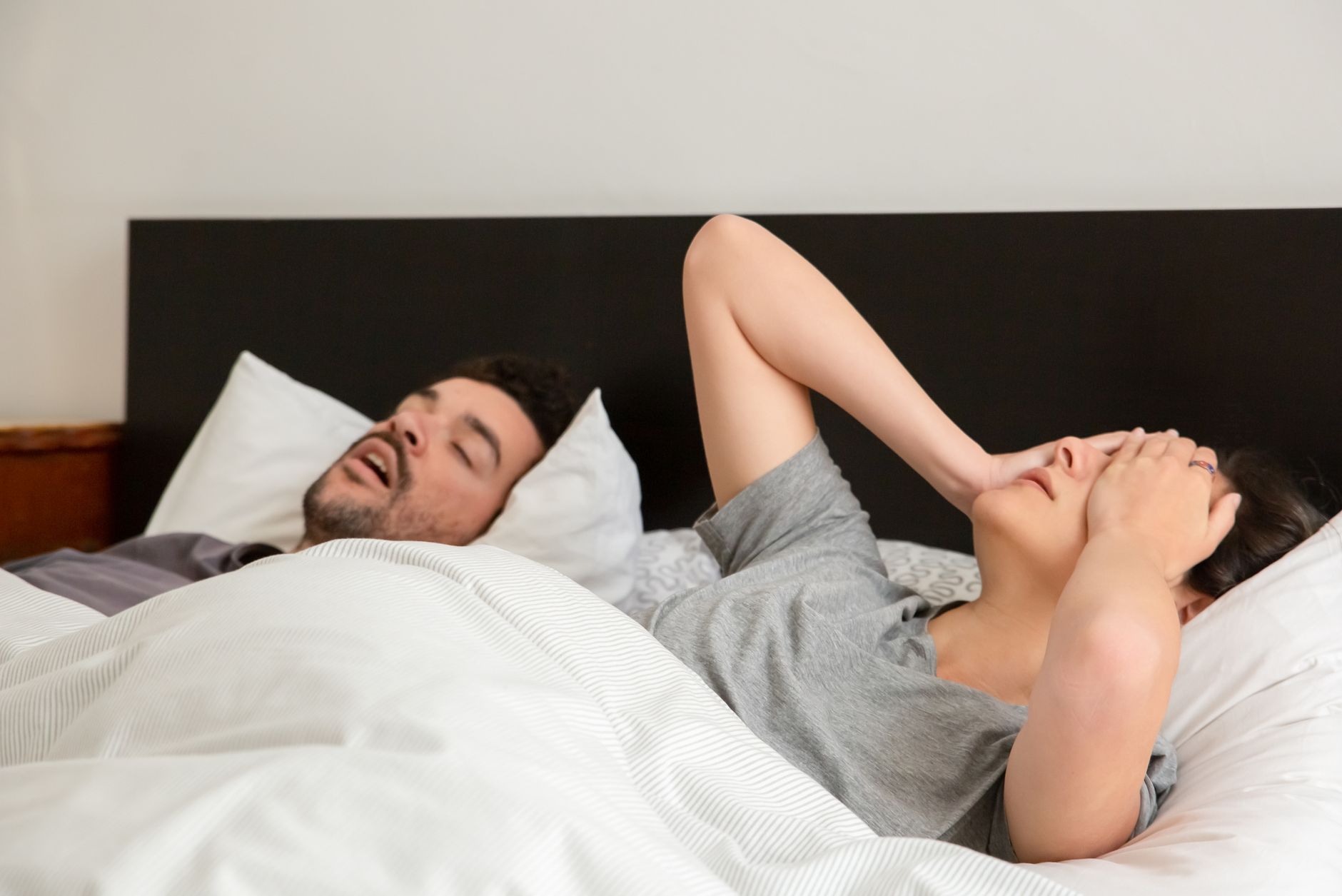
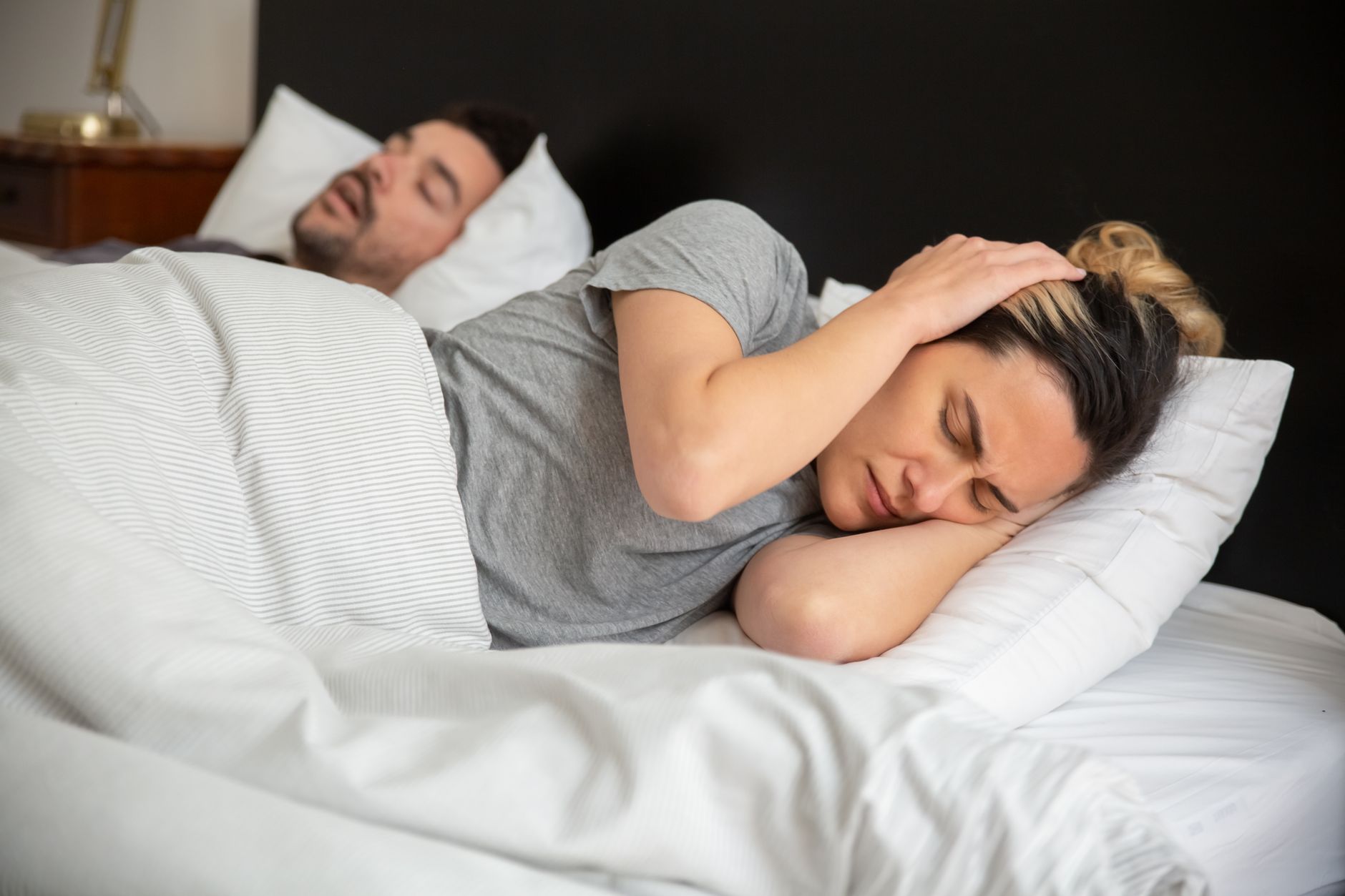
- Loud snoring
- Gasping during sleep
- Daytime sleepiness
- Morning headaches
- Cognitive difficulties
Restless Legs Syndrome (RLS)
What it is:
- Uncomfortable sensations in legs
- Urge to move legs
- Worse in evening or at night
- Relieved by movement
Prevalence:
- Affects 10-15% of older adults
- Can significantly disrupt sleep
- Often runs in families
Associated conditions:
- Iron deficiency
- Kidney disease
- Diabetes
- Peripheral neuropathy
Periodic Limb Movement Disorder
What it is:
- Repetitive leg movements during sleep
- Person may not be aware
- Can disrupt sleep quality
Symptoms:
- Frequent leg movements
- Disrupted sleep
- Daytime fatigue
- Often occurs with RLS
REM Sleep Behavior Disorder
What it is:
- Acting out dreams during REM sleep
- Loss of normal muscle paralysis during dreams
- Can be dangerous
Symptoms:
- Talking, shouting during sleep
- Kicking, punching movements
- Potentially violent actions
- May injure self or partner
Important note:
- Can be early sign of Parkinson's disease
- Requires medical evaluation
Circadian Rhythm Disorders
What it is:
- Disruption of sleep-wake cycle
- Advanced sleep phase (sleeping too early)
- Irregular sleep-wake pattern
Common in:
- Dementia patients
- Nursing home residents
- Those with limited light exposure
Causes of Sleep Disorders
Medical Conditions
Common contributors:
- Arthritis and chronic pain
- Heart disease
- Lung disease (COPD)
- Diabetes
- Thyroid disorders
- Prostate problems
- Gastroesophageal reflux (GERD)
- Neurological conditions
Medications
Medications that can disrupt sleep:
- Blood pressure medications
- Antidepressants
- Corticosteroids
- Diuretics
- Decongestants
- Some asthma medications
- Stimulants
Psychological Factors
Mental health impacts:
- Depression
- Anxiety
- Stress
- Grief
- Cognitive disorders
Lifestyle Factors
Contributing habits:
- Irregular sleep schedule
- Daytime napping
- Caffeine and alcohol
- Lack of exercise
- Poor sleep environment
Diagnosis
When to See a Doctor
Seek evaluation if you experience:
- Persistent sleep problems lasting more than a few weeks
- Loud snoring with breathing pauses
- Falling asleep during the day unexpectedly
- Acting out dreams
- Uncomfortable sensations in legs disrupting sleep
- Sleep problems affecting daily life
What to Expect
Medical evaluation:
- Detailed sleep history
- Medical history review
- Medication review
- Physical examination
Sleep study (polysomnography):
- Monitors brain activity
- Breathing patterns
- Heart rate
- Oxygen levels
- Leg movements
Other tests:
- Blood tests
- Actigraphy (wrist-worn sleep monitor)
- Sleep diary
Treatment Options
Insomnia Treatment
Cognitive Behavioral Therapy for Insomnia (CBT-I):
- Most effective long-term treatment
- Addresses thoughts and behaviors affecting sleep
- Better than medications for many people
Sleep hygiene improvements:
- Regular sleep schedule
- Comfortable sleep environment
- Pre-sleep routine
- Limiting caffeine and alcohol
Medications:
- Used short-term when needed
- Various options available
- Discuss risks and benefits with doctor
Sleep Apnea Treatment
CPAP therapy:
- Most common and effective treatment
- Keeps airway open during sleep
- Takes time to adjust but very effective
Other options:
- Oral appliances
- Position therapy
- Weight loss
- Surgery in some cases
RLS Treatment
Approaches:
- Address underlying causes (iron deficiency)
- Medications
- Lifestyle modifications
- Avoid triggers
General Approaches
Lifestyle modifications:
- Regular exercise (not too close to bedtime)
- Limit caffeine and alcohol
- Maintain regular schedule
- Create comfortable sleep environment
Treating underlying conditions:
- Address medical issues
- Adjust medications
- Manage pain
- Treat mental health conditions
Prevention
Maintain Good Sleep Health
Sleep hygiene:
- Consistent sleep schedule
- Comfortable bedroom environment
- Relaxing bedtime routine
- Limit screen time before bed
Daytime habits:
- Regular physical activity
- Exposure to natural light
- Limited napping
- Avoid stimulants late in day
Environment:
- Cool, dark, quiet bedroom
- Comfortable mattress and pillows
- Remove distractions
- Consider white noise if helpful
When Sleep Disorders Signal Other Problems
Warning Signs
Some sleep disorders may indicate:
- Sleep apnea: Cardiovascular disease risk
- REM behavior disorder: Possible Parkinson's disease
- Sudden sleep changes: Depression or other illness
- Excessive daytime sleepiness: Various medical conditions
Important: Don't dismiss sleep problems—they deserve evaluation.
Frequently Asked Questions
Are sleep problems normal in older adults?
Sleep patterns change with age, but persistent sleep problems are not normal. If you're having ongoing sleep difficulties, talk to your doctor. Most sleep disorders are treatable.
Do seniors need less sleep?
No. Older adults need about the same amount of sleep as younger adults—7-8 hours. However, sleep may become lighter and more fragmented with age.
Is snoring always a sign of sleep apnea?
Not always, but loud snoring with pauses in breathing, gasping, or daytime sleepiness should be evaluated for sleep apnea.
Can sleep disorders be cured?
Many sleep disorders can be effectively treated or managed. Insomnia often responds well to CBT-I. Sleep apnea is effectively treated with CPAP. RLS can be managed with medication and lifestyle changes.
Should I take sleeping pills?
Sleep medications can be helpful short-term but aren't recommended for long-term use in older adults due to risks including falls, confusion, and dependency. CBT-I is often a better first approach.
How do I know if I need a sleep study?
Your doctor may recommend a sleep study if you have symptoms of sleep apnea, unusual behaviors during sleep, or persistent sleep problems that don't respond to initial treatments.
Benefits of Treating Sleep Disorders
Improved Health Outcomes
- Better cognitive function
- Reduced fall risk
- Improved mood
- Lower risk of chronic disease
- Enhanced immune function
Enhanced Daily Functioning
- More energy during the day
- Better focus and concentration
- Improved memory
- Greater independence
- Better quality of life
Safety Benefits
- Reduced daytime sleepiness
- Fewer accidents
- Better balance and coordination
- Improved alertness
Risks and Safety Considerations
Common Risks of Untreated Sleep Disorders
- Increased fall risk: Drowsiness leads to falls
- Cognitive decline: Poor sleep affects memory and thinking
- Depression and anxiety: Sleep problems worsen mental health
- Cardiovascular issues: Sleep apnea increases heart disease risk
- Medication interactions: Some meds worsen sleep disorders
Safety Guidelines for Seniors
- Avoid driving when sleepy
- Review medications with healthcare provider
- Install safety measures: Night lights, handrails
- Use assistive devices if needed
- Create safe sleep environment: No tripping hazards
- Seek prompt evaluation for sleep problems
- Follow treatment recommendations: CPAP, CBT-I, etc.
- Stay hydrated but limit fluids before bed
When to Contact a Healthcare Professional
Contact your healthcare provider if you:
- Experience persistent sleep problems (more than 3 weeks)
- Snore loudly with breathing pauses or gasping
- Fall asleep unexpectedly during the day
- Act out dreams (talking, kicking, punching)
- Have uncomfortable leg sensations at night
- Sleep problems affect daily life
- Experience morning headaches and daytime sleepiness
- Have new or worsening sleep issues
Quick Reference Checklist
Sleep Disorder Action Checklist
- Track sleep patterns for 1-2 weeks
- Review medications with doctor
- Practice good sleep hygiene
- Keep bedroom cool, dark, and quiet
- Limit caffeine and alcohol
- Exercise regularly (not before bed)
- Schedule medical evaluation if problems persist
- Ask about sleep study if needed
- Follow treatment recommendations
- Seek CBT-I for insomnia
Frequently Asked Questions
Q: Are sleep problems normal in seniors? A: No, persistent sleep problems aren't normal aging—most have treatable causes.
Q: How much sleep do seniors need? A: 7-8 hours nightly, same as younger adults.
Q: Is snoring always sleep apnea? A: No, but loud snoring with pauses needs evaluation.
Q: What's the best treatment for insomnia? A: CBT-I (Cognitive Behavioral Therapy for Insomnia) is most effective long-term.
Q: Are sleeping pills safe for seniors? A: Use cautiously—risks include falls and confusion. Short-term use only.
Q: What causes restless legs syndrome? A: Often linked to iron deficiency, kidney disease, diabetes, or genetics.
Q: When should I get a sleep study? A: If you have apnea symptoms, unusual sleep behaviors, or persistent insomnia.
Q: Can sleep disorders be cured? A: Most can be effectively managed with proper treatment.
Key Takeaways
- 50% of seniors experience sleep disorders—NOT normal aging
- Common types: Insomnia, sleep apnea, RLS, circadian rhythm disorders
- Causes: Medical conditions, medications, lifestyle factors
- Diagnosis: Sleep history, physical exam, possibly sleep study
- Treatments: CBT-I, CPAP, lifestyle changes, medication adjustments
- Early intervention improves quality of life and safety
- Never dismiss persistent sleep problems—seek evaluation
Related Articles
- Insomnia in Older Adults - Comprehensive insomnia guide
- Why Seniors Wake Up at Night - Nighttime awakening causes
- Best Mattresses for Seniors - Mattress recommendations
- Best Pillows for Seniors - Pillow suggestions
- Sleep Hygiene for Older Adults - Sleep habits
- Stretching Exercises for Seniors - Gentle movement
- Core Exercises for Seniors - Strength training
- Tai Chi for Seniors - Mind-body practice
Medically Reviewed Sources
- National Sleep Foundation. (2024). Sleep Disorders in Older Adults. SleepFoundation.org
- American Academy of Sleep Medicine. (2024). Sleep in Older Adults. AASM.org
- National Institute on Aging. (2024). Sleep and Aging. NIA.nih.gov
- Centers for Disease Control and Prevention. (2024). Sleep and Sleep Disorders. CDC.gov
- Mayo Clinic. (2024). Sleep Disorders. MayoClinic.org
Disclaimer: This information is for educational purposes only. Consult your healthcare provider for personalized evaluation and treatment of sleep disorders.