Snoring and Aging
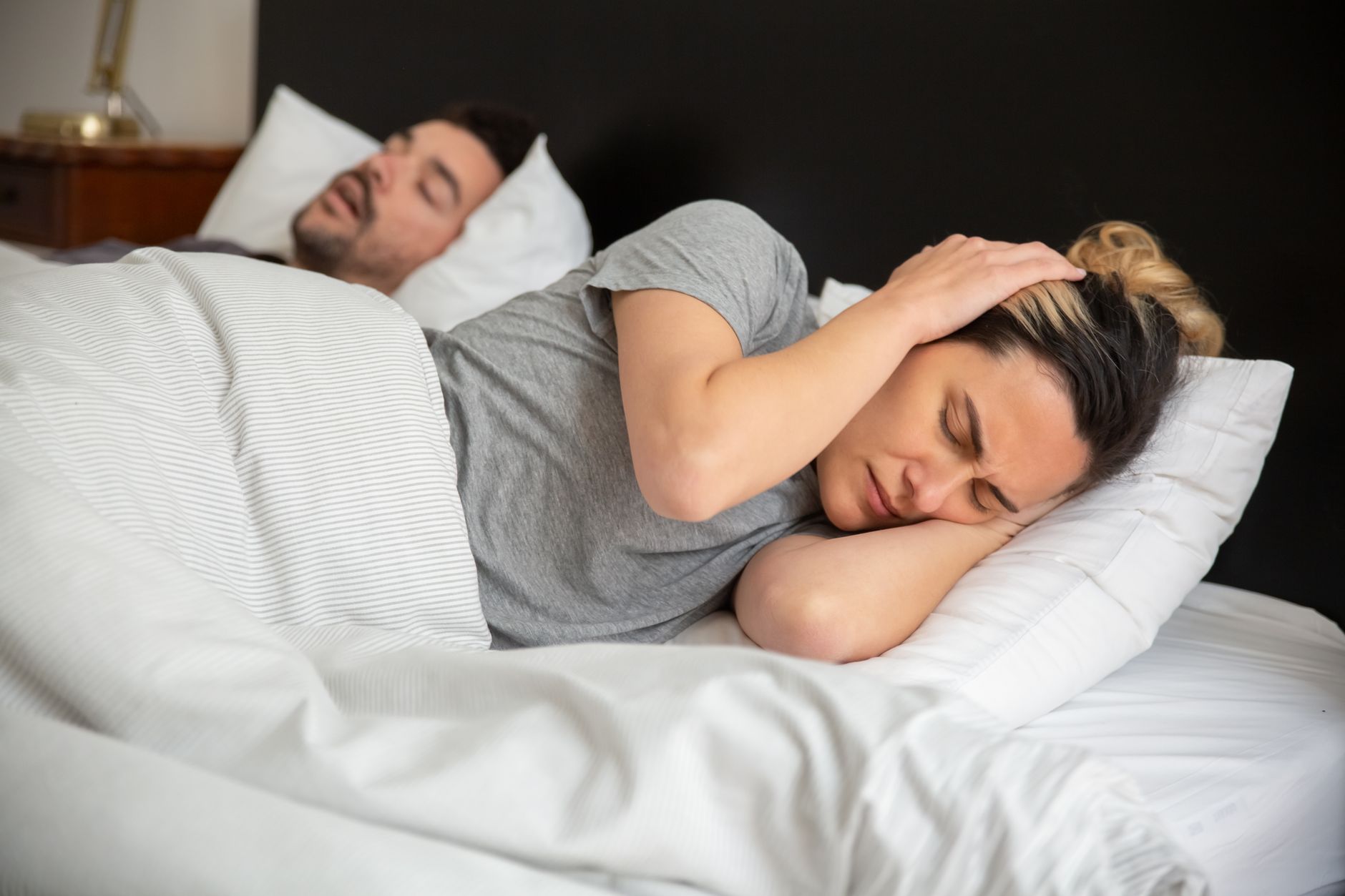
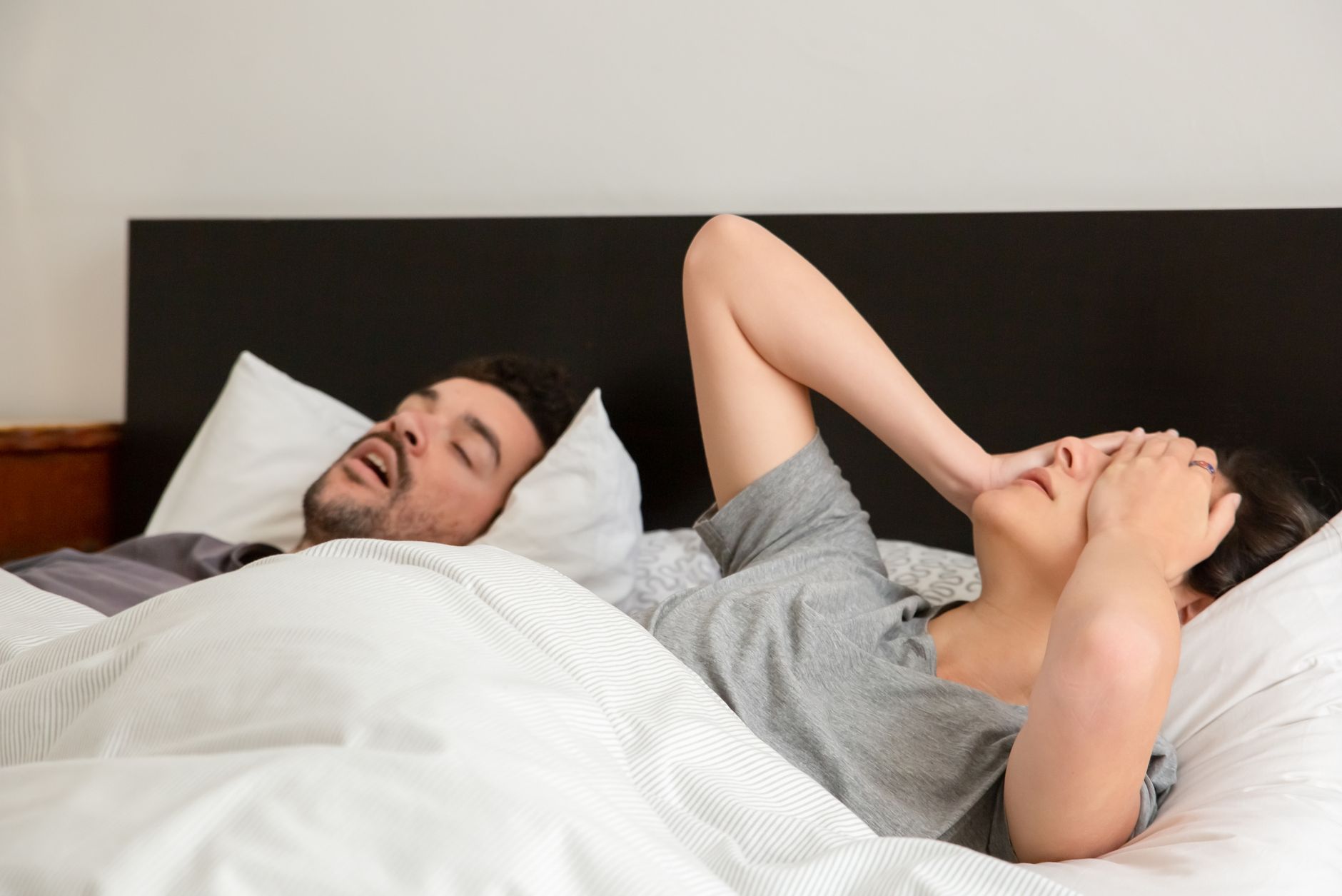
Snoring becomes increasingly common as we age. While often dismissed as merely annoying, snoring can sometimes signal serious health issues like sleep apnea. Understanding why snoring increases with age and when to be concerned can help protect your health and sleep quality.
According to the American Academy of Otolaryngology, about 40% of adult men and 24% of adult women are habitual snorers, with rates increasing significantly with age.
Why Snoring Increases with Age
Age-Related Changes
Physical changes that contribute:
- Muscle tone decreases in throat and tongue
- Throat tissues become more relaxed
- Airway may narrow slightly
- Weight gain around neck
- Decreased lung function
These changes lead to:
- More tissue vibration during breathing
- Narrower airway
- Greater likelihood of airway obstruction
- Increased snoring
Contributing Factors
Weight gain:
- Extra tissue around neck
- More pressure on airway
- Common with age
Alcohol and medications:
- Relax throat muscles more
- Sedating medications
- Alcohol before bed
Nasal congestion:
- Chronic sinus issues
- Allergies
- Deviated septum
Sleep position:
- Sleeping on back worsens snoring
- Gravity affects tongue and soft palate
When Snoring Is Just Snoring
Simple Snoring Characteristics
Typical features:
- Occurs occasionally
- Doesn't disrupt sleep quality
- No breathing pauses
- No daytime sleepiness
- Partner may complain but you feel rested
Causes:
- Minor congestion
- Alcohol before bed
- Sleeping on back
- Temporary weight gain
When Snoring Signals a Problem
Sleep Apnea Warning Signs
Obstructive Sleep Apnea (OSA):
- Loud snoring with pauses
- Gasping or choking sounds
- Breathing stops temporarily
- Frequent awakenings
- Morning headaches
- Daytime sleepiness
- Difficulty concentrating
Risk factors:
- Age over 50
- Overweight
- Large neck circumference
- Family history
- Smoking
- Alcohol use
Why Sleep Apnea Matters
Health risks if untreated:
- High blood pressure
- Heart disease
- Stroke
- Diabetes
- Depression
- Cognitive decline
- Increased mortality
Diagnosis
When to See a Doctor
Seek evaluation if:
- Partner notices breathing pauses
- You wake gasping or choking
- Morning headaches are common
- Daytime sleepiness affects your life
- You have risk factors for sleep apnea
- Snoring is loud and persistent
What to Expect
Medical evaluation:
- Sleep history
- Physical examination
- Assessment of airway
- Review of medications
- Discussion of symptoms
Sleep study:
- Monitors breathing during sleep
- Measures oxygen levels
- Detects apnea events
- Determines severity
- Can be done at home or in lab
Treatment Options
For Simple Snoring
Lifestyle changes:
- Lose weight if overweight
- Avoid alcohol before bed
- Sleep on your side
- Treat nasal congestion
- Quit smoking
- Stay hydrated
Positional therapy:
- Special pillows
- Tennis ball technique
- Positional devices
Over-the-counter options:
- Nasal strips
- Nasal dilators
- Throat sprays (limited effectiveness)
For Sleep Apnea
CPAP therapy:
- Most effective treatment
- Keeps airway open
- Reduces snoring and apnea
- Takes adjustment but works well
Oral appliances:
- Custom-made by dentist
- Reposition jaw and tongue
- Good for mild-moderate apnea
- Alternative to CPAP for some
Lifestyle modifications:
- Weight loss
- Avoid alcohol and sedatives
- Sleep position changes
Surgery:
- For specific anatomical issues
- Not first-line treatment
- Various procedures available
- Discuss with specialist
Tips to Reduce Snoring
Immediate Changes
Tonight:
- Sleep on your side
- Avoid alcohol 3-4 hours before bed
- Use a humidifier
- Clear nasal passages
- Stay hydrated
This week:
- Review medications with doctor
- Try nasal strips
- Elevate head of bed slightly
- Avoid heavy meals before bed
Long-term Strategies
Lifestyle:
- Maintain healthy weight
- Exercise regularly
- Quit smoking
- Limit alcohol
- Treat allergies
Environment:
- Clean bedroom (reduce allergens)
- Humidifier if air is dry
- Comfortable pillow
- Good sleep position
Impact on Relationships
When Snoring Affects Your Partner
Problems:
- Partner's sleep disrupted
- Resentment builds
- Separate bedrooms
- Relationship strain
Solutions:
- Address the snoring
- Partner uses earplugs
- White noise machine
- Separate bedrooms temporarily
- Seek treatment together
Frequently Asked Questions
Is snoring always a sign of sleep apnea?
No. Many people snore without having sleep apnea. However, loud snoring with breathing pauses, gasping, or daytime sleepiness should be evaluated for sleep apnea.
Does everyone snore more as they age?
Snoring becomes more common with age due to muscle tone changes, but not everyone will develop significant snoring. Weight management and healthy habits can help minimize age-related snoring.
Can I stop snoring completely?
Many people can significantly reduce or eliminate snoring through lifestyle changes, position therapy, or medical treatment. Complete elimination depends on the underlying cause.
Is CPAP the only treatment for sleep apnea?
No. While CPAP is the most effective treatment, oral appliances, lifestyle changes, and sometimes surgery are alternatives depending on severity and individual factors.
Should I be concerned if I snore but feel fine?
If you snore loudly and regularly, it's worth discussing with your doctor even if you feel fine. Sleep apnea can exist without obvious daytime symptoms, and early treatment prevents complications.
Can allergies cause snoring?
Yes. Nasal congestion from allergies can cause or worsen snoring. Treating allergies often helps reduce snoring.
Key Takeaways
- Snoring becomes more common with age due to muscle tone changes and other factors
- Simple snoring differs from sleep apnea—know the warning signs
- Sleep apnea is a serious condition requiring treatment
- Lifestyle changes can significantly reduce snoring
- CPAP is the most effective treatment for sleep apnea
- Don't dismiss snoring—it deserves evaluation
- Treatment improves sleep quality and overall health
Related Articles
- Sleep Disorders in Seniors
- Why Seniors Wake Up at Night
- Best Pillows for Seniors
- Best Mattresses for Seniors
- Sleep Hygiene for Older Adults
References
- American Academy of Otolaryngology. (2024). Snoring. ENTnet.org
- American Sleep Apnea Association. (2024). Sleep Apnea in Older Adults. SleepApnea.org
- National Sleep Foundation. (2024). Snoring and Sleep. SleepFoundation.org