Is Snoring Dangerous?
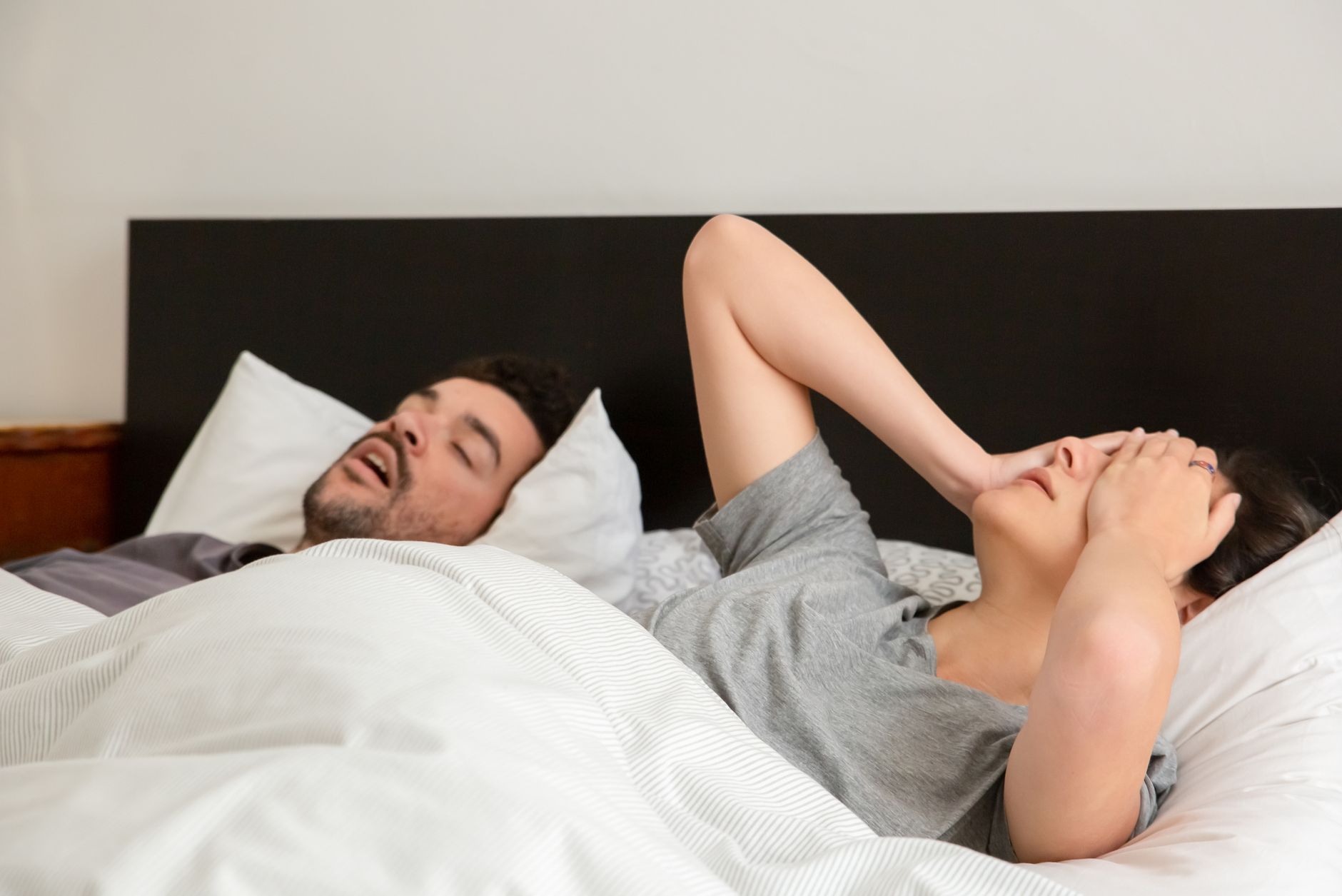
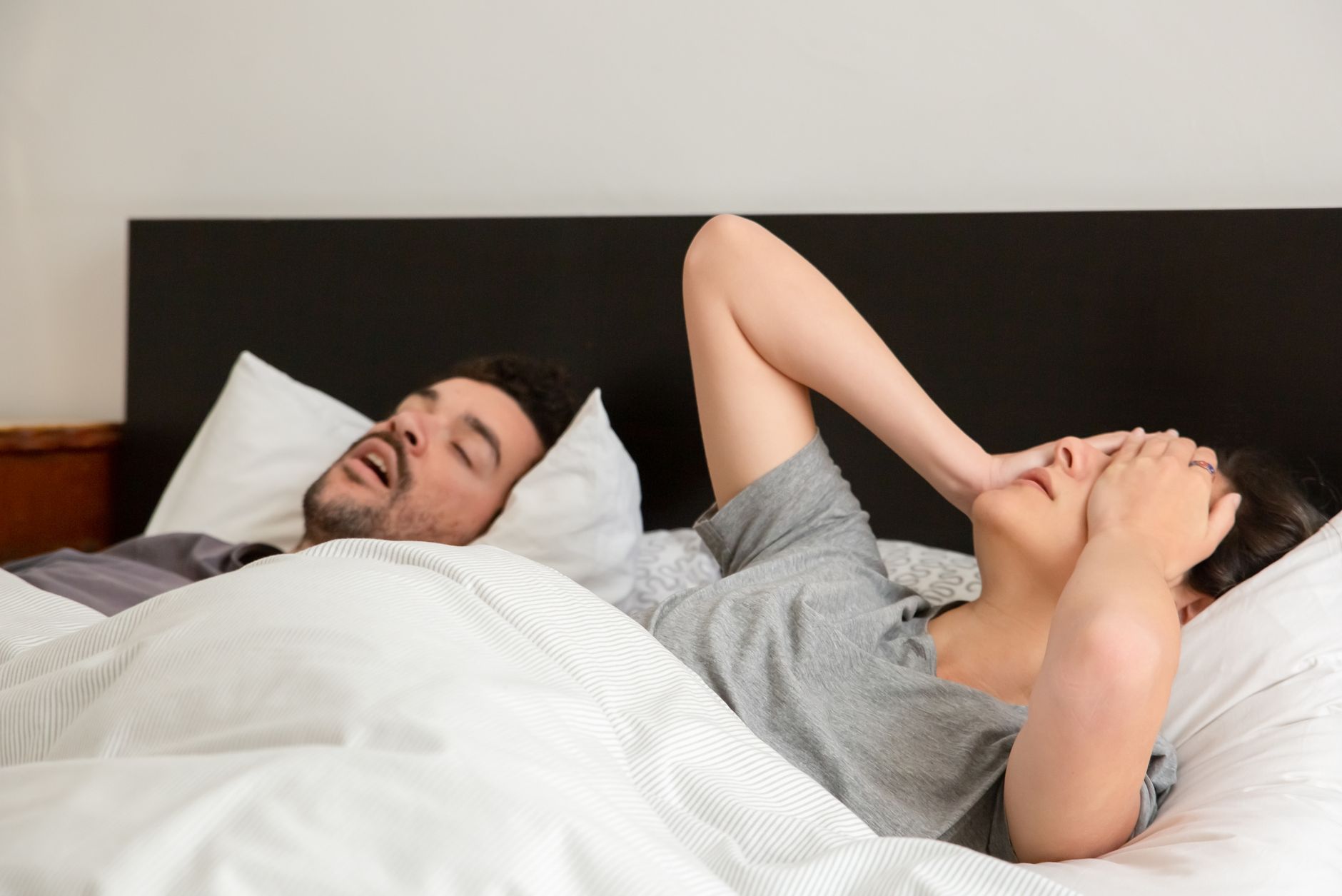
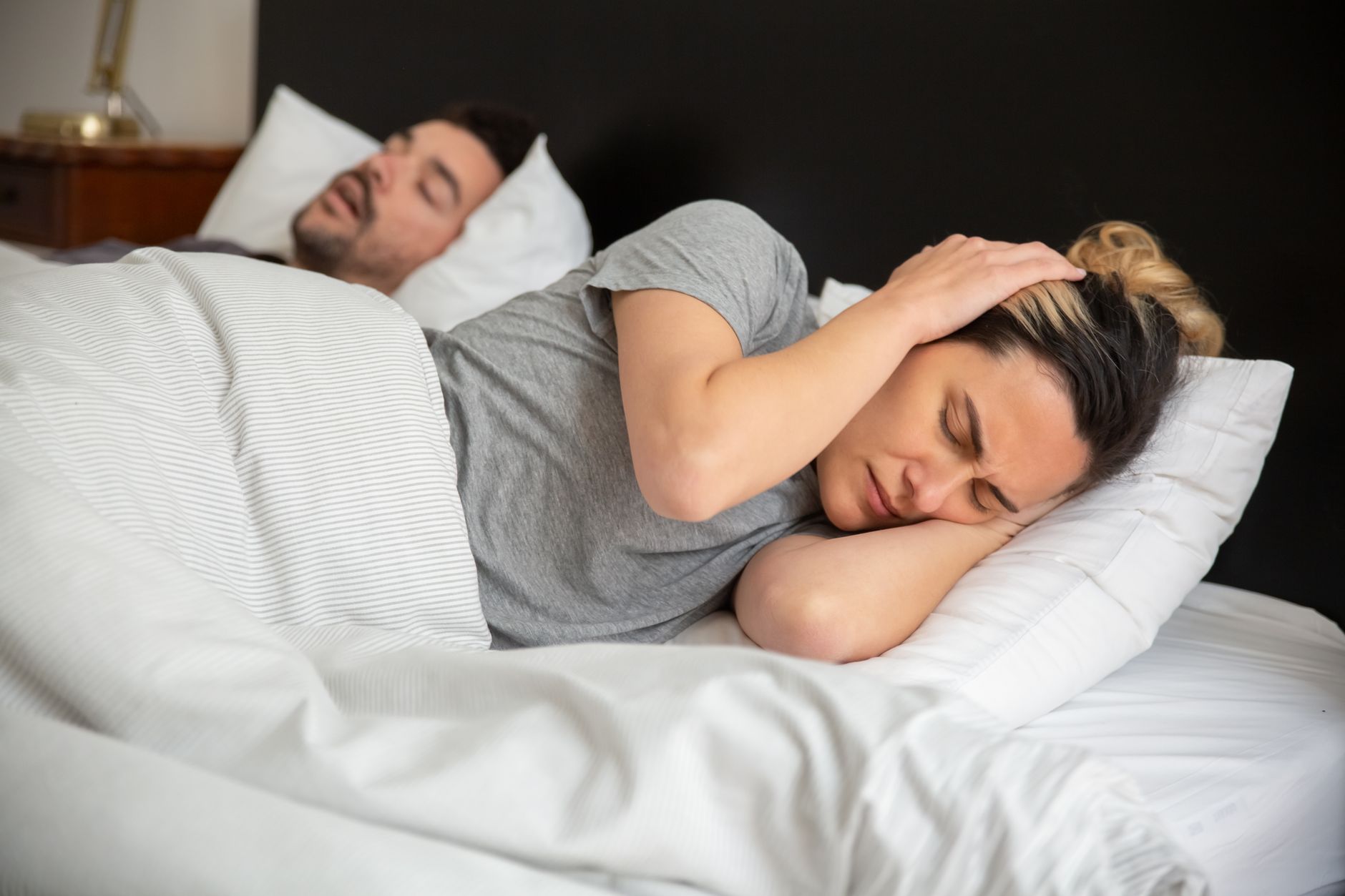
Many older adults snore, and bed partners often dismiss it as a harmless annoyance. However, research suggests that snoring can sometimes indicate serious health problems, particularly obstructive sleep apnea. While not all snoring is dangerous, understanding the difference between normal snoring and potentially harmful snoring is essential for protecting your health.
Understanding What Causes Snoring
Snoring occurs when air flows past relaxed tissues in your throat, causing the tissues to vibrate as you breathe. Several factors contribute to snoring:
- Age: Throat muscles naturally weaken with age
- Weight: Extra tissue around the neck can narrow airways
- Alcohol: Relaxes throat muscles, increasing snoring
- Sleep position: Sleeping on your back can cause tongue to fall backward
- Nasal congestion: Stuffy noses force mouth breathing
- Medications: Some sedatives and muscle relaxants worsen snoring
When Snoring Becomes Dangerous
Primary Snoring vs. Sleep Apnea
Most snoring is "primary snoring" – annoying but not harmful. However, snoring associated with obstructive sleep apnea (OSA) is dangerous. Key differences include:
Primary Snoring:
- Regular rhythmic sound
- Breathing remains continuous
- No gasping or choking sounds
- Doesn't disrupt sleep significantly
Dangerous Snoring (OSA):
- Loud, irregular snoring
- Pauses in breathing (10 seconds or longer)
- Gasping, choking, or snorting sounds
- Frequent nighttime awakenings
- Excessive daytime sleepiness
Health Risks Associated with Dangerous Snoring
Cardiovascular Problems
Research indicates that sleep apnea significantly increases cardiovascular risks:
- High blood pressure: Sleep apnea causes repeated oxygen deprivation, straining the cardiovascular system
- Heart disease: Studies show increased risk of heart attacks and irregular heartbeats
- Stroke: Sleep apnea sufferers have 2-3 times higher stroke risk
- Heart failure: The condition can worsen existing heart failure
Metabolic Issues
Sleep apnea affects how your body processes energy:
- Type 2 diabetes: Sleep apnea increases insulin resistance
- Weight gain: Poor sleep disrupts hunger hormones, promoting weight gain
- Metabolic syndrome: Cluster of conditions including high blood pressure and abnormal cholesterol
Cognitive and Mental Health Effects
Chronic sleep disruption from dangerous snoring impacts brain function:
- Memory problems: Poor sleep impairs memory consolidation
- Concentration difficulties: Daytime sleepiness affects focus
- Depression risk: Chronic sleep deprivation increases depression likelihood
- Mood changes: Irritability and anxiety are common
Warning Signs That Snoring May Be Dangerous
Red Flags to Watch For
If you or your bed partner notice these signs, seek medical evaluation:
- Extremely loud snoring that can be heard through closed doors
- Pauses in breathing during sleep (observed by others)
- Gasping, choking, or snorting sounds
- Waking up with a dry mouth or sore throat
- Morning headaches
- Excessive daytime sleepiness or fatigue
- Difficulty concentrating during the day
- Irritability or mood changes
- High blood pressure that's hard to control
Risk Factors for Dangerous Snoring
Certain factors increase the likelihood that snoring indicates sleep apnea:
- Being overweight or obese (particularly neck circumference over 17 inches for men, 16 inches for women)
- Age over 65
- Male gender (though risk increases for women after menopause)
- Family history of sleep apnea
- Use of alcohol or sedatives before bed
- Smoking
- Nasal congestion or anatomical abnormalities
- Medical conditions like hypothyroidism or acromegaly
Diagnosis and Evaluation
Medical Assessment
If dangerous snoring is suspected, healthcare providers typically:
- Take detailed medical and sleep history
- Perform physical examination of throat, mouth, and neck
- Review medications that might affect sleep
- Screen for cardiovascular and metabolic conditions
- May recommend sleep study (polysomnography)
Sleep Studies
Sleep studies provide definitive diagnosis:
- In-lab polysomnography: Comprehensive monitoring of brain waves, oxygen levels, heart rate, and breathing
- Home sleep apnea testing: Simplified monitoring for suspected moderate to severe sleep apnea
- Multiple sleep latency test: Assesses daytime sleepiness if needed
Treatment Options for Dangerous Snoring
Lifestyle Changes
Often the first line of treatment:
- Weight loss: Even modest weight loss can significantly reduce snoring
- Sleep position: Sleeping on your side instead of back
- Avoiding alcohol: Especially within 4 hours of bedtime
- Quitting smoking: Reduces inflammation and fluid retention in airways
- Regular exercise: Improves overall sleep quality
Medical Devices
Several devices can help keep airways open during sleep:
- CPAP (Continuous Positive Airway Pressure): Gold standard treatment for sleep apnea; delivers pressurized air through a mask
- Oral appliances: Custom dental devices that reposition jaw and tongue
- Nasal strips or dilators: Improve nasal airflow for some people
- Positional therapy devices: Prevent sleeping on your back
Surgical Options
When other treatments fail, surgery may help:
- Uvulopalatopharyngoplasty (UPPP): Removes excess tissue from throat
- Maxillomandibular advancement: Moves jaw forward to enlarge airway
- Nasal surgery: Corrects deviated septum or other nasal obstructions
- Hypoglossal nerve stimulation: Implantable device that stimulates tongue muscles
When to Seek Emergency Care
Some snoring-related symptoms require immediate medical attention:
- Waking up gasping or unable to breathe
- Chest pain or pressure during sleep
- Severe shortness of breath when lying down
- Waking up confused or disoriented
- Observing someone stop breathing repeatedly during sleep
Protecting Your Health
Monitoring Your Sleep
Pay attention to your sleep patterns and quality:
- Keep a sleep diary noting snoring frequency and severity
- Ask bed partners about breathing pauses or unusual sounds
- Track daytime energy levels and alertness
- Monitor blood pressure regularly
- Note any morning headaches or dry mouth
Regular Health Check-ups
Routine medical care helps identify problems early:
- Annual physical examinations
- Blood pressure monitoring
- Screening for cardiovascular risk factors
- Discussion of sleep quality with healthcare providers
Key Takeaways
- Not all snoring is dangerous, but snoring associated with sleep apnea poses serious health risks
- Warning signs of dangerous snoring include breathing pauses, gasping sounds, and excessive daytime sleepiness
- Untreated sleep apnea increases risks of high blood pressure, heart disease, stroke, diabetes, and cognitive problems
- Diagnosis typically involves sleep studies, and effective treatments range from lifestyle changes to CPAP therapy
- Seeking medical evaluation for concerning snoring can prevent serious health complications
Disclaimer: This information is for educational purposes only and should not replace professional medical advice. If you experience symptoms of sleep apnea, consult a healthcare provider for proper evaluation and treatment.