Quick Answer
How does gratitude affect the brain? Gratitude activates brain regions involved in reward, emotional regulation, and social connection. Regular practice may strengthen these neural pathways over time.
How long does it take to see benefits from gratitude practice? Some benefits, like improved mood, may appear within days. More substantial changes in stress levels and well-being typically develop over 2-4 weeks of consistent practice.
What's the best way to practice gratitude for seniors? Daily gratitude journaling is the most researched approach. Writing three things you're grateful for each day takes just a few minutes and provides measurable benefits.
Can gratitude help with depression in seniors? Yes, studies show gratitude practices can reduce depression symptoms. It's a complementary approach that works alongside other treatments.
Does gratitude improve sleep? Research suggests gratitude practice improves sleep quality and reduces time needed to fall asleep, likely through reduced stress and worry.
While we've long understood that gratitude feels good, research now reveals that practicing gratitude may actually support brain health, reduce inflammation, and potentially slow cognitive decline in older adults.
Research Finding
The Neuroscience of Gratitude
What Happens in the Brain
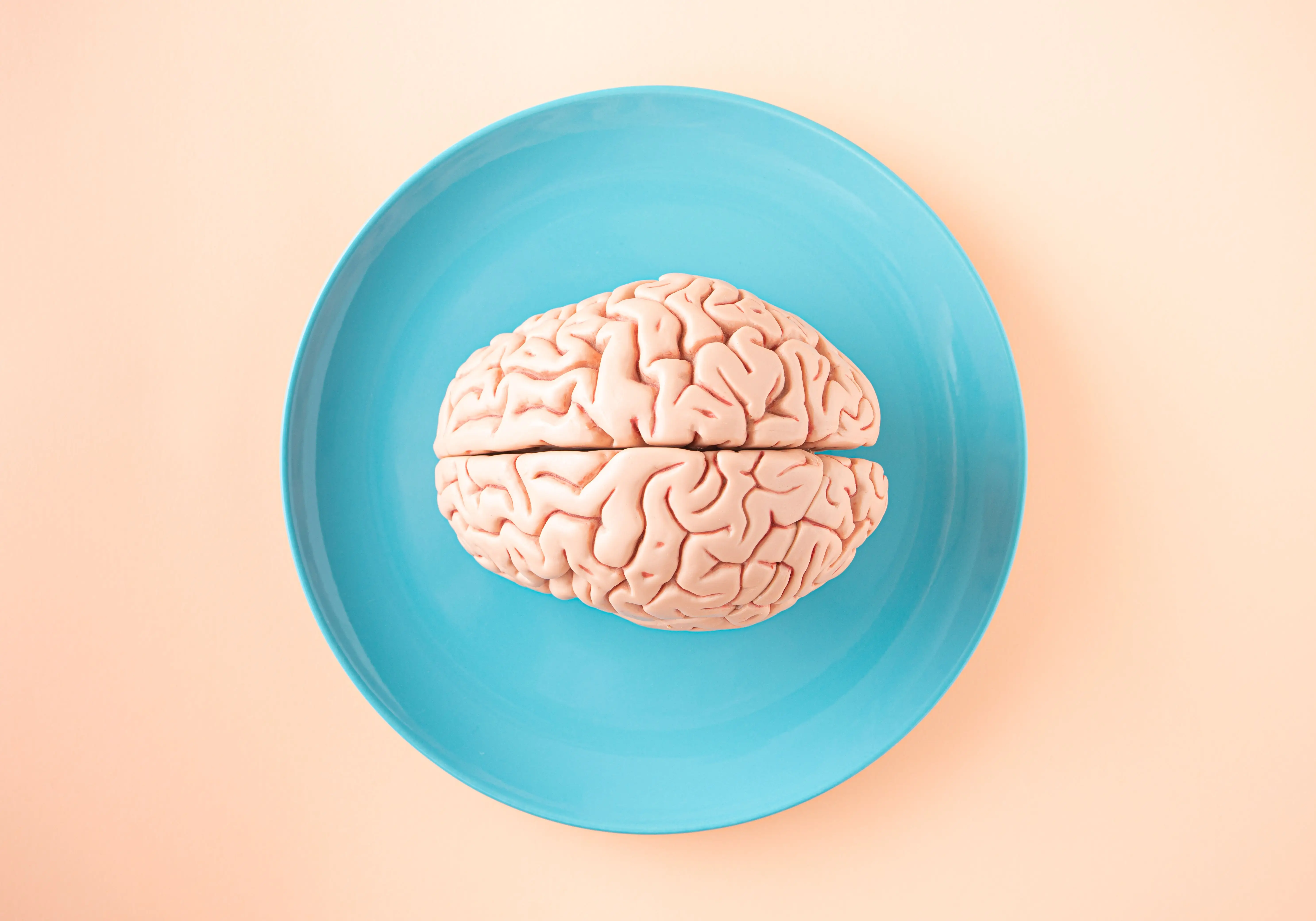
When practicing gratitude, brain imaging studies show increased activity in specific regions:
| Brain Region | Function | Gratitude Effect |
|---|---|---|
| Anterior cingulate cortex | Reward, empathy, moral processing | Enhanced activity |
| Prefrontal cortex | Emotional regulation, executive function | Strengthened |
| Hypothalamus | Stress response regulation | Reduced activation |
| Amygdala | Emotional processing | Calmer response |
| Ventral striatum | Reward anticipation | Increased activation |
Gratitude and Neural Pathways
| Pathway | Effect of Gratitude Practice |
|---|---|
| Reward processing | Strengthened neural connections |
| Emotional regulation | Improved prefrontal control |
| Stress response | Reduced hypothalamic activation |
| Social cognition | Enhanced anterior cingulate function |
Long-term Changes
The Stress Connection
How Gratitude Reduces Stress
| Mechanism | Effect |
|---|---|
| Cortisol reduction | Lower stress hormone levels |
| Inflammation reduction | Decreased inflammatory markers |
| Blood pressure | Often lowered |
| Heart rate variability | Improved stress adaptation |
| Sleep quality | Enhanced rest and recovery |
Impact on Inflammation
Chronic inflammation is linked to cognitive decline:
| Inflammatory Marker | Gratitude Practice Effect |
|---|---|
| C-reactive protein | Reduced levels |
| Interleukin-6 | Lowered |
| TNF-alpha | Decreased |
Brain Protection
By reducing inflammation and stress hormones, gratitude practice may help protect the brain from age-related cognitive decline and neurodegenerative diseases.
Research on Gratitude and Seniors
Cognitive Benefits
Studies following older adults who practiced daily gratitude showed:
| Cognitive Measure | Improvement |
|---|---|
| Memory function | Better recall and recognition |
| Executive function | Improved planning and decision-making |
| Processing speed | Maintained or improved |
| Cognitive decline | Reduced rate over time |
Emotional Well-Being
| Outcome | Gratitude Practice Result |
|---|---|
| Depression rates | Significantly lower |
| Anxiety levels | Reduced symptoms |
| Life satisfaction | Enhanced |
| Social connections | Improved quality |
| Resilience | Greater ability to cope |
Research Timeline
| Duration | Observed Benefits |
|---|---|
| 1 week | Improved mood, better sleep |
| 2-4 weeks | Reduced stress, increased well-being |
| 8-12 weeks | Lasting brain changes, better cognitive function |
| 3-6 months | Sustained improvements in mood and cognition |
Harvard Research
Practical Gratitude Practices
Daily Journaling
The most researched gratitude practice involves writing regularly:
| Approach | Description |
|---|---|
| Three gratitudes | Write 3 things you're grateful for daily |
| Gratitude letter | Write to someone who influenced your life |
| Good events | Record positive experiences |
| Gratitude meditation | Reflect on gratitude mentally |
Three Gratitudes Journaling
| Time of Day | Benefits |
|---|---|
| Morning | Sets positive tone for day |
| Evening | Reflects on day's positives |
| Same time daily | Builds consistent habit |
Gratitude Letter Exercise
This powerful practice involves writing to someone who positively impacted your life:
| Step | Action |
|---|---|
| 1 | Think of someone you never properly thanked |
| 2 | Write a letter describing specific impacts |
| 3 | Include specific memories and details |
| 4 | Express how their actions affected your life |
| 5 | Read it aloud when finished (or send if appropriate) |
Morning Gratitude Intention
| Practice | Duration | Effect |
|---|---|---|
| Silent reflection | 2-3 minutes | Sets positive tone |
| Name three gratitudes | Daily | Builds awareness |
| Visualize day | 1 minute | Intentional mindset |
Gratitude Walks
Combine physical activity with gratitude practice:
| Element | Description |
|---|---|
| Duration | 15-30 minutes |
| Pace | Gentle walking |
| Focus | Notice things to appreciate |
| Senses | Engage sight, sound, smell |
Getting Started
Start with just 2-3 minutes of gratitude practice daily. Consistency matters more than duration. Most benefits come from regular, brief practice.
Gratitude and Social Connection
Strengthening Relationships
| Gratitude Practice | Social Benefit |
|---|---|
| Expressing thanks | Strengthened bonds |
| Noticing kindness | More positive interactions |
| Writing gratitude letters | Deeper connections |
| Sharing gratitude | Shared well-being |
Combatting Loneliness
Social isolation is a risk factor for cognitive decline:
| Strategy | How Gratitude Helps |
|---|---|
| Notice positive people | Awareness of social support |
| Express appreciation | Strengthens existing bonds |
| Reframe social situations | More positive outlook |
| Build social habits | Regular connection practice |
Gratitude in Difficult Times
Challenges and Solutions
| Challenge | Gratitude Approach |
|---|---|
| Loss/grief | Gratitude for what was, memories |
| Health issues | Appreciation for abilities remaining |
| Loneliness | Gratitude for past connections, hope for future |
| Stress | Reframe as temporary, find lessons |
| Aging | Appreciate wisdom, experience gained |
Resilience Building
Comparing Gratitude Practices
| Practice | Best For | Time Required |
|---|---|---|
| Three gratitudes journaling | Most people, beginners | 5 minutes daily |
| Gratitude letter | Deep emotional work | 20-30 minutes |
| Gratitude meditation | Those who meditate | 5-10 minutes |
| Gratitude walks | Active individuals | 15-30 minutes |
| Mental gratitude | Limited time situations | 1-2 minutes |
FAQ: Gratitude and Brain Health
How does gratitude affect the brain? Gratitude activates brain regions involved in reward, emotional regulation, and social connection. Regular practice may strengthen these neural pathways over time, leading to lasting changes in brain function and structure.
How long does it take to see benefits from gratitude practice? Some benefits, like improved mood, may appear within days. More substantial changes in stress levels and well-being typically develop over 2-4 weeks of consistent practice.
What's the best way to practice gratitude for seniors? Daily gratitude journaling is the most researched approach. Writing three things you're grateful for each day takes just a few minutes and provides measurable benefits.
Can gratitude help with depression in seniors? Yes, studies show gratitude practices can reduce depression symptoms. It's a complementary approach that works alongside other treatments including therapy and medication when prescribed.
Does gratitude improve sleep? Research suggests gratitude practice improves sleep quality and reduces time needed to fall asleep, likely through reduced stress and worry.
Is it better to practice gratitude in the morning or evening? Either works, but morning practice may set a more positive tone for the day while evening practice helps reflect on positive events. Consistency matters more than timing.
What if I can't think of anything to be grateful for? Start very small: indoor plumbing, electricity, enough food. Even basic comforts are significant. Also, being grateful for small positive moments counts.
Can gratitude practice help with anxiety? Yes, research shows gratitude practices reduce anxiety symptoms by shifting focus from worries to positive aspects of life and reducing stress hormones.
Should I share my gratitude journal with others? Sharing is optional. Writing privately is effective, but sharing appreciation with others can strengthen relationships and enhance the gratitude practice itself.
How is gratitude different from positive thinking? Gratitude involves specific recognition of something received or experienced, which makes it more concrete and powerful than general positive thinking. It's relational—we're grateful to someone for something.
Related Articles
Mental Wellness
- Neuroplasticity After 60
- Social Isolation and Brain Health
- Exercise and Depression in Seniors
- Forest Bathing for Stress Relief
Cognitive Health
- Walking and Hippocampus Memory
- Brain Games for Seniors
- Sleep Hygiene Checklist
- Morning Sunlight and Sleep
Mind-Body Practices
References
- Journal of Personality and Social Psychology. (2024). Gratitude and Neural Processing.
- Harvard Health Publishing. (2024). The Neuroscience of Gratitude. https://www.health.harvard.edu/
- National Institute on Aging. (2024). Gratitude and Senior Well-Being. https://www.nia.nih.gov/
- Psychology and Aging. (2024). Gratitude Interventions in Older Adults.
- Journal of Positive Psychology. (2024). Gratitude and Cognitive Function.
- American Psychological Association. (2024). Gratitude Research Summary.
- Mayo Clinic. (2024). Stress Management and Gratitude. https://www.mayoclinic.org/
- Frontiers in Psychology. (2024). Gratitude and Brain Structure.