📌Key Takeaways
- Medication organizers significantly reduce errors and improve adherence for seniors
- Basic pill organizers work well for simple, stable regimens
- Automatic dispensers prevent double-dosing and missed doses
- Smart systems offer remote caregiver monitoring and alerts
- Choose organizers that match physical abilities (dexterity, vision) and cognitive function
Introduction
You know the small warning signs: Tuesday's pills are still sitting in Monday's slot, the morning and evening doses blur together, and the childproof cap that keeps grandchildren out is the same cap your arthritic fingers can't pop open. Taking the wrong pill at the wrong time, skipping a dose, or swallowing a second dose because you forgot the first can have serious—even life-threatening—consequences. The right organizer, matched to both the schedule and the hands using it, takes the guesswork out of twice-daily and more complicated regimens.
The National Institute on Aging notes that older adults often take several prescriptions at once, and coordinating those doses carefully helps avoid adverse effects.
Understanding Medication Management Challenges
Why Medication Organization Matters
Missed Doses:
- Forgetting whether medication was taken
- Confusion about which day/time pills are for
- Losing track of complex schedules
- Travel disrupting routines
- Simple forgetfulness
Double Dosing:
- Not remembering if dose was taken
- Taking morning pills again in evening
- Confusing similar-looking pills
- Communication gaps between caregivers
- Lack of systems to track
Wrong Timing:
- Taking medications at wrong times
- Not spacing doses properly
- Taking food interactions incorrectly
- Missing time-sensitive doses
Managing Complex Regimens:
- Multiple medications at different times
- Weekly, monthly cycles
- PRN (as-needed) medications
- Variable dosing schedules
- Multiple caregivers involved
Types of Medication Organizers
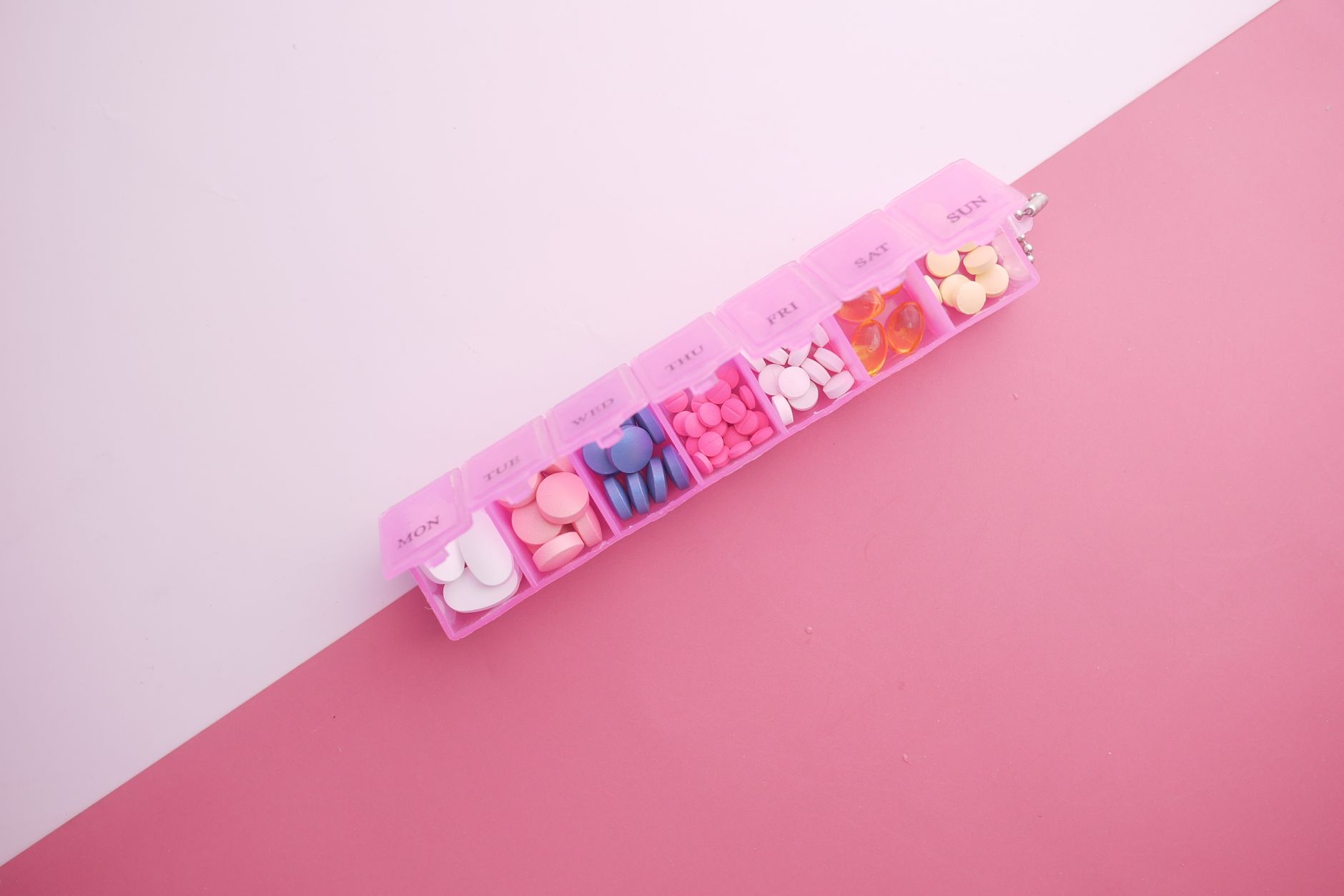
Basic Pill Boxes
Plain plastic boxes divided into compartments by day, or by day and time. Nothing to charge or program—you fill them by hand on refill day. They're the cheapest option and the right pick for a short, stable regimen.
Weekly Pill Organizers
- One week supply capacity
- Multiple doses per day
- Visual tracking of week's meds
- Portable size options
- Typical 4 times per day
- Good for stable regimens
Monthly Organizers
- 31-day system: One compartment for each day
- Large capacity: Holds many medications
- Comprehensive: Covers entire month
- Less portable: Typically stays at home
Automatic Pill Dispensers
- Motorized dispensing
- Scheduled alarms
- Locked compartments
- Pre-loaded pill cups
- Caregiver notification options
- Good for complex regimens
Smart Pill Dispensers
- App connectivity
- Dose tracking
- Reminders via phone
- Pharmacy refills
- Family/caregiver alerts
- High-tech solution
Locking Organizers
These cases latch or lock so a dose can't be taken by mistake—useful with young grandchildren in the house, or when a caregiver hands out controlled or as-needed medication. Because access is deliberate rather than convenient, they fit particular situations instead of everyday solo use.
Key Features to Consider
Capacity
- Daily vs weekly vs monthly
- Multiple doses per day
- Number of pills per compartment
- Size of pills that fit
- Travel-friendly options
- Bulk storage needs
Ease of Use
- Large compartments
- Easy-open lids
- Clear labeling
- Intuitive design
- Minimal steps to access
- Good for dexterity issues
Reminders and Alarms
- Audio alarms
- Visual alerts
- Vibration options
- Phone app notifications
- Caregiver alerts
- Multiple reminder types
Security
- Child-proof locks
- Tamper resistance
- Controlled substance storage
- Optional lockdown mode
- Travel security
- Unauthorized access prevention
Connectivity
- Smartphone apps
- Caregiver notifications
- Pharmacy integration
- Healthcare provider alerts
- Multiple user access
- Data tracking
Accessibility Features
- Easy-open lids: Arthritis-friendly design
- Large compartments: Accommodates various pill sizes
- Clear labeling: Easy to read and understand
- Non-slip base: Stable on surfaces
Visibility Features
- Transparent design: See contents at a glance
- Color-coded: Different colors for different times
- Large print: Easy to read labels
- Bright colors: High visibility
Top Medication Organizers Reviewed
Best Overall: MedELERT Original Automatic Pill Dispenser
Overview:
- Type: Automatic pill dispenser
- Capacity: 28 compartments (7 days x 4 doses)
- Alarm: Loud audible + flashing light
- Power: AC adapter or battery backup
- Lock: Electronic lock
- Connectivity: None (standalone)
Key Features:
- Programmable up to 6 daily alarms
- Automatic pill advance
- Locked compartments prevent double-dosing
- Battery backup for power outages
- Simple LCD programming
- Works with most pill types
- Grid design for easy loading
Pros:
- Prevents medication errors
- Loud, clear alarms
- Locked compartments
- Battery backup
- Simple to use
- Accommodates many pill sizes
Cons:
- No smartphone connectivity
- No caregiver notifications
- Requires separate pharmacy planning
- Some pills don't fit
Best Value: Ezy Dose Weekly Pill Organizer
A no-frills weekly case in BPA-free plastic: seven days, four push-button compartments per day labeled AM, PM, evening, and night, all for under $15. The transparent lids let you confirm a dose at a glance, the push-button release takes pressure rather than a pinch, and the whole case drops into a bag. Multiple colors are available.
What it won't do is beep, lock, or tell anyone you skipped a dose. Someone fills it every week and keeps track without electronic help.

Ezy Dose 7-Day Weekly Pill Organizer
7-day weekly organizer with 4 push-button compartments per day, transparent lids, and BPA-free plastic. Under $15.
Best Smart Dispenser: MedMinder Maya
Overview:
- Type: Smart pill dispenser
- Capacity: 28 compartments
- Alarm: Multimedia + phone calls
- Lock: Timed lock
- Connectivity: WiFi + cellular
- Subscription: Required for full features
Key Features:
- Dispenses correct compartment at alarm time
- Sends notifications to family/caregivers
- Medication intake reporting
- Pharmacy refill reminders
- Lockable for as-needed meds
- Multiple user management
- Emergency alert capability
Pros:
- Reminders, locks, and reporting in one unit
- Remote caregiver monitoring
- Prevents double-dosing
- Comprehensive reports
- Pharmacy coordination
- Family can check in from far away
Cons:
- Monthly subscription cost
- Requires WiFi/cellular
- More complex setup
- Higher upfront cost
- Some tech literacy needed
MedMinder Maya Smart Pill Dispenser
Smart 28-compartment dispenser with WiFi/cellular, caregiver alerts, timed lock, and refill reminders. Subscription required.
Best for Dexterity Issues: Live Fine Large Capacity Pill Organizer
Overview:
- Type: Extra-large pill organizer
- Capacity: 7 days x 3 doses
- Compartments: Flip-top with large tabs
- Material: Food-grade plastic
- Size: Large compartments
Key Features:
- Extra-large compartments
- Easy-grip flip tops
- Clear labeling
- Holds vitamins/supplements
- Day and night clearly marked
- Non-slip base
Pros:
- Designed for seniors
- Easy-open lids
- Large capacity
- Clear markings
- Sturdy construction
- Good value
Cons:
- No alarms
- Manual use only
- Bulky for travel
- Must remember to check
Live Fine Large Capacity Weekly Pill Organizer
Extra-large 7-day organizer with 3 daily doses, easy-grip flip tops, and clear day/night markings. Around $15-$25.
Best Portable: PillPill Weekly Pill Case
Overview:
- Type: Travel pill organizer
- Capacity: 7 days x 1-4 doses
- Compartments: Velcro-sealed pods
- Material: PU leather case
- Size: Credit card sized pods
Key Features:
- Individual day pods
- Fits in purse/pocket
- Removable daily sections
- Attractive discreet design
- Multiple layout options
- Lightweight
Pros:
- Portable design
- Discreet appearance
- Flexible layout
- Good for active seniors
- Easy to refill
- Travel-friendly
Cons:
- Small compartment capacity
- No alarms
- Easy to lose individual pods
- Not for complex regimens
Travel Weekly Pill Case with Individual Pods
Travel-friendly weekly case with individual removable day pods in PU leather, credit-card sized. Around $15-$25.
Best Monthly: MedCenter Monthly Medication System
Overview:
- Type: Monthly organizer
- Capacity: 31 days, 4 compartments per day
- Material: High-quality plastic
- Features: Color-coded, reminder clock, large compartments
Pros:
- Excellent organization
- Reminder system
- Large capacity
- Visual tracking for entire month
Cons:
- Expensive
- Not portable
- Requires counter space

MedCenter Monthly Medication System
31-day system with 4 daily compartments, color-coded boxes, and talking alarm clock reminder. Around $90-$100.
Best Security: GMS Alerta Medication Locker
A heavy-duty plastic locker built around a week's supply across multiple daily compartments, with a lock, caregiver-controlled access, and a tamper-evident design. It answers a specific household problem: young children who might get into medication, or one person dispensing as-needed doses for another.
The trade-offs are the price—about $100-$150—and the loss of solo access. Someone else controls the locker, so it isn't meant for independent daily use.
Locking Medication Organizer Secure Storage
Heavy-duty locking medication locker with tamper-evident design and caregiver-controlled access. Around $100-$150.
Comparison Table
| Organizer | Type | Alarms | Lock | Connectivity | Price |
|---|---|---|---|---|---|
| MedELERT Original | Automatic | Yes | Yes | None | $$ |
| Ezy Dose Weekly | Basic | No | No | None | $ |
| MedMinder Maya | Smart | Yes | Yes | WiFi/Cell | $$$$ |
| Live Fine Large | Basic | No | No | None | $ |
| PillPill Travel | Basic | No | No | None | $ |
| MedCenter Monthly | Monthly | Yes | No | None | $$$ |
| GMS Alerta | Security | No | Yes | None | $$$$ |
Choosing the Right Organizer
For Simple Regimens
- Basic weekly pill organizer
- Ezy Dose or similar
- Enough for once/twice daily
- Lowest cost
- Easy to use
- Works for many seniors
For Complex Medications
- Automatic pill dispenser
- MedELERT for reliability
- Prevents errors
- Alarms ensure timing
- Locked compartments
- Consider caregiver support
For Tech-Savvy Seniors
- Smart pill dispenser
- MedMinder or similar
- Full connectivity
- Family monitoring
- Data tracking
- Less guesswork for long-distance family
For Dexterity Issues
- Large compartment organizers
- Live Fine large capacity
- Easy-grip lids
- Clear labeling
- Sufficient capacity
- No fine motor required
For Travel
- Portable pill cases
- PillPill or similar
- Individual day pods
- Compact design
- Discreet appearance
- Enough for short trips
For Monthly Use
- MedCenter Monthly
- 31-day system
- Color-coded
- Visual tracking for entire month
For Security Needs
- GMS Alerta Medication Locker
- Secure locking
- Caregiver control
- Tamper-evident
Setting Up Your Medication Organizer
Gather Your Medications
- All current prescriptions
- Over-the-counter medications
- Vitamins and supplements
- Create a complete medication list
- Note special instructions
- Include all dosages
Create a Medication Schedule
- List each medication
- Note time of day
- Check for food requirements
- Identify look-alike pills
- Create visual schedule
- Review with doctor/pharmacist
Fill the Organizer
- Use consistent day/time
- Work on flat surface
- Check each compartment
- Verify against medication list
- Set weekly refill reminder
- Have backup supply
Establish a Routine
- Link to daily activity
- Take at same time daily
- Keep in visible location
- Use alarm as reminder
- Check off after taking
- Review weekly
Caregiver Medication Management
Communication Systems
- Daily check-ins
- Shared calendar
- Caregiver notes
- Multiple caregiver coverage
- Clear escalation path
- Emergency contacts
Oversight Options
- Monitor refill schedule
- Weekly organizer check
- Periodic pill counts
- App-based tracking
- Regular care visits
- Pharmacy coordination
When to Upgrade
- Missed doses noted
- Double-dosing incidents
- Confusion about schedule
- Declining cognition
- Multiple medication changes
- Worry the current system isn't reliable
Common Medication Management Mistakes
Pill Splitting Issues
- Not all pills can be split
- Uneven splits reduce effectiveness
- Some pills are long-acting
- Talk to pharmacist first
- Use pill splitter for accuracy
- Avoid splitting scored pills
Storage Problems
- Bathroom heat damages medications
- Kitchen humidity affects pills
- Original containers protect best
- Organize but don't discard bottles
- Keep emergency meds separate
- Check expiration dates
Refill Timing
- Run out of critical meds
- Use 7-day supply rule
- Automatic pharmacy refills
- Mark calendar reminders
- Plan ahead for travel
- Have emergency supply
Interactions
- New prescriptions may interact
- Ask pharmacist about all meds
- List everything including OTC
- Watch for food interactions
- Report unusual symptoms
- Regular medication reviews
Cost Considerations
Price Range
- Basic models: $5-$15
- Mid-range options: $15-$50
- Premium models: $50-$150
- Electronic systems: $100-$300+
Factors Affecting Cost
- Capacity: Larger capacity costs more
- Features: Reminder features increase cost
- Materials: Quality materials cost more
- Brand reputation: Established brands cost more
Value Considerations
- Averted mix-ups pay back the price quickly
- Staying on schedule without leaning on family
- Fewer look-alike pill mistakes
- Insurance coverage: May be covered with prescription
Safety Tips
Usage Guidelines
- Fill regularly: Maintain consistent schedule
- Double-check doses: Verify accuracy
- Keep organized: Maintain system consistently
- Ask for help: When needed, seek assistance
Common Mistakes to Avoid
- Skipping doses: Don't miss scheduled medications
- Double-dosing: Prevent taking medications twice
- Mixing medications: Keep different medications separate
- Ignoring expiration: Check medication dates regularly
When to Consult Healthcare Provider
- Medication changes: New prescriptions or dosage changes
- Side effects: Unusual symptoms after taking medications
- Questions about timing: Confusion about when to take medications
- Concerns about interactions: Worries about drug interactions
FAQ
Do I really need a medication organizer if I only take a few pills? Even with few medications, organizers help prevent missed doses and make it easier to track adherence. They're especially helpful if medications are taken at different times or if you sometimes forget whether you've taken your pills.
How often should I refill my medication organizer? Most people refill weekly organizers once a week, typically on the same day each week. This creates a routine and ensures medications are always organized and ready.
Can medication organizers help with caregiver management? Yes, many organizers are designed to help caregivers monitor and assist with medication management. Some feature locking mechanisms or tracking systems that help caregivers ensure medications are taken properly.
Are electronic medication organizers worth the extra cost? Electronic organizers can be valuable for individuals who need reminders or have memory concerns. The extra cost may be justified by improved medication adherence and safety.
How do I clean my medication organizer? Most plastic organizers can be cleaned with warm, soapy water and dried thoroughly before refilling. Always check the manufacturer's instructions for specific cleaning recommendations.
Can medication organizers accommodate different pill sizes? Many organizers feature compartments of various sizes to accommodate different pill shapes and sizes. Look for organizers with flexible or large compartments if you take large medications.
What should I do if I miss a dose using my organizer? If you miss a dose, contact your healthcare provider or pharmacist for guidance. Don't double up on doses unless specifically instructed to do so by a healthcare professional.
Are medication organizers covered by insurance? Some insurance plans may cover medication organizers, especially electronic models or those prescribed for medical necessity. Contact your insurance provider to understand your specific coverage.
Related Articles
- Best Blood Pressure Monitors for Seniors
- Best Medical Alert Systems for Seniors Living Alone
- Best Mattresses and Sleep Products for Seniors
- Walkers and Rollators: The Complete Guide
- Bathroom Safety Equipment for Seniors
References
- National Institute on Aging
- Mayo Clinic
- American Geriatrics Society
- U.S. Food and Drug Administration
Disclaimer: This information is for educational purposes only. Consult with healthcare providers and pharmacists about your specific medication management needs and any potential drug interactions.