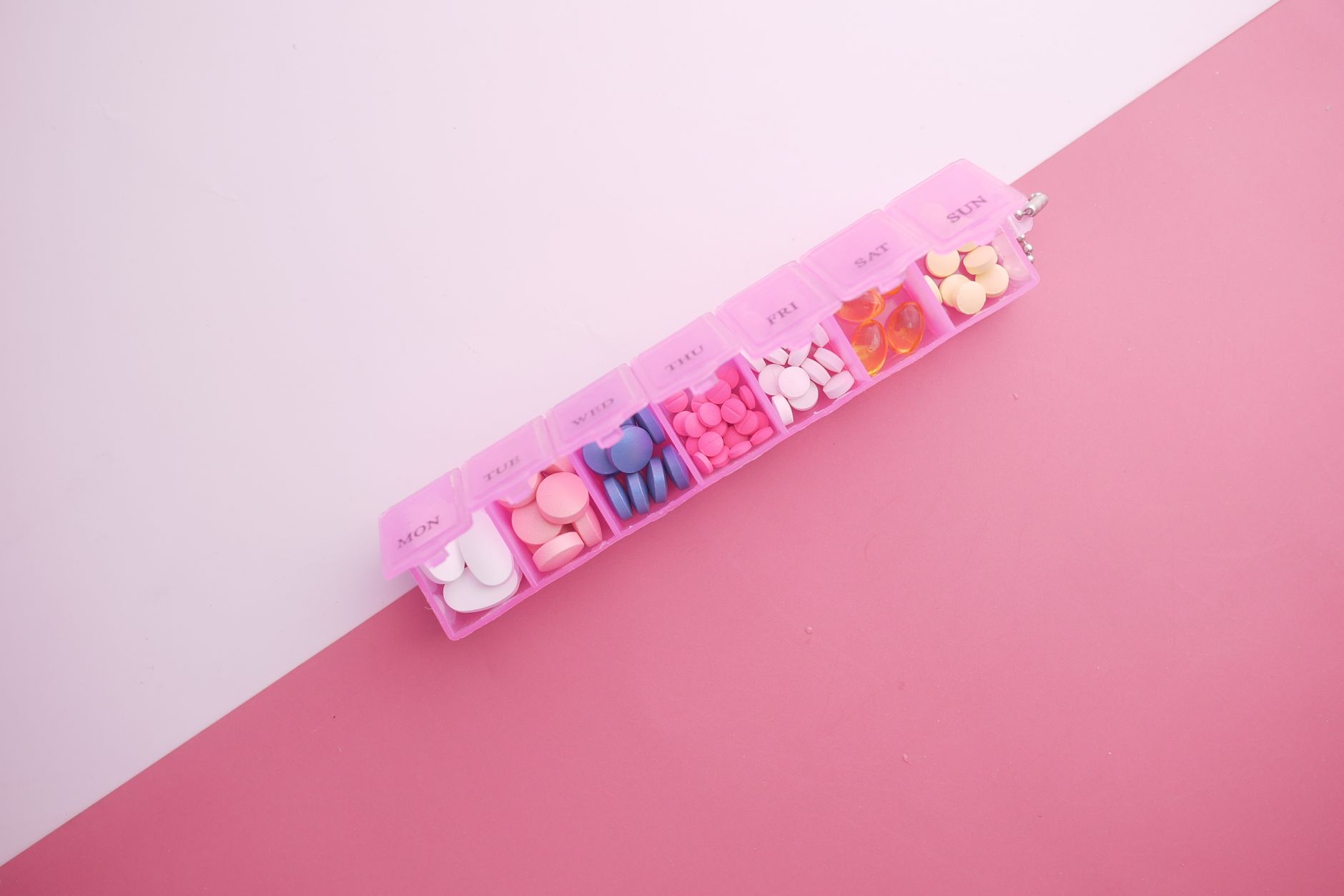
Best Medication Organizers
Managing multiple medications can be challenging, especially for seniors who take several prescriptions each day. Medication organizers provide a simple, effective solution for tracking doses, preventing missed medications, and avoiding dangerous drug interactions. These essential tools help older adults maintain independence while ensuring medication safety and adherence.
According to the National Institute on Aging, proper medication management is crucial for older adults, who often take multiple prescriptions that must be coordinated carefully to avoid adverse effects and ensure optimal health outcomes.
Why Medication Organizers Matter
Medication organizers serve multiple important functions beyond simple pill storage. They help prevent missed doses, reduce the risk of accidental overdose, and make it easier to track medication adherence. The Mayo Clinic emphasizes that medication non-adherence is a significant problem among older adults, leading to unnecessary hospitalizations and complications.
Key Benefits
- Prevents missed doses: Organized system ensures medications are taken
- Reduces errors: Clear compartments prevent confusion
- Tracks adherence: Easy to see if medications were taken
- Increases independence: Seniors can manage medications themselves
Types of Medication Organizers
Medication organizers come in various styles to accommodate different needs and medication regimens.
Daily Organizers
- Single day: One day's medications in one container
- Multiple compartments: Morning, afternoon, evening doses
- Compact size: Easy to carry
- Simple design: Easy to use
Weekly Organizers
- 7-day system: One compartment for each day
- Multiple doses: Some offer morning/evening sections
- Portable: Can be taken for short trips
- Visual tracking: Easy to see weekly progress
Monthly Organizers
- 31-day system: One compartment for each day
- Large capacity: Holds many medications
- Comprehensive: Covers entire month
- Less portable: Typically stays at home
Electronic Organizers
- Reminder alarms: Audio or visual alerts
- Tracking features: Records medication adherence
- Advanced features: Some connect to smartphones
- Higher cost: Premium pricing
Locking Organizers
- Secure storage: Prevents accidental access
- Child-resistant: Safety for families with children
- Controlled access: Caregiver control
- Specialized use: For specific situations
Key Features to Consider
When selecting medication organizers, certain features determine effectiveness and ease of use.
Accessibility Features
- Easy-open lids: Arthritis-friendly design
- Large compartments: Accommodates various pill sizes
- Clear labeling: Easy to read and understand
- Non-slip base: Stable on surfaces
Visibility Features
- Transparent design: See contents at a glance
- Color-coded: Different colors for different times
- Large print: Easy to read labels
- Bright colors: High visibility
Durability Features
- Sturdy construction: Withstands daily use
- Quality materials: Durable plastics or metals
- Secure closures: Lids stay closed
- Easy to clean: Simple maintenance
Top Medication Organizers
1. Apex 7-Day Pill Organizer
- Best for: Overall value and simplicity
- Capacity: 7 days, 4 compartments per day
- Material: Durable plastic
- Features: Easy-open lids, clear compartments, compact design
- Pros: Affordable, simple to use, reliable
- Cons: Basic design, no reminder features
2. MedCenter Monthly Medication System
- Best for: Monthly organization
- Capacity: 31 days, 4 compartments per day
- Material: High-quality plastic
- Features: Color-coded, reminder clock, large compartments
- Pros: Excellent organization, reminder system, large capacity
- Cons: Expensive, not portable
3. LiveFine Automatic Pill Dispenser
- Best for: Reminder features
- Capacity: 28 days, up to 6 doses per day
- Material: Durable plastic with locking mechanism
- Features: Automatic dispenser, audio/visual alarms, secure locking
- Pros: Excellent reminders, prevents double-dosing, secure
- Cons: Very expensive, complex setup
4. EZY DOSE Weekly Pill Organizer
- Best for: Portability and convenience
- Capacity: 7 days, 4 compartments per day
- Material: Flexible plastic
- Features: Contoured design, easy-open lids, compact size
- Pros: Very portable, easy to use, affordable
- Cons: Smaller compartments, limited capacity
5. GMS Alerta Medication Locker
- Best for: Security and controlled access
- Capacity: 7 days, multiple compartments
- Material: Heavy-duty plastic with locking mechanism
- Features: Secure locking, caregiver access, tamper-evident
- Pros: Very secure, caregiver control, prevents access
- Cons: Expensive, requires caregiver management
How to Choose the Right Organizer
Selecting the appropriate medication organizer depends on several factors.
Assess Medication Needs
- Number of medications: More pills require larger capacity
- Dosage frequency: Multiple doses need more compartments
- Pill sizes: Large pills need larger compartments
- Special requirements: Some medications need special handling
Consider User Abilities
- Dexterity issues: Easy-open lids essential
- Vision problems: Large print and high visibility needed
- Memory concerns: Reminder features beneficial
- Cognitive issues: Simpler designs may work better
Evaluate Lifestyle Factors
- Travel frequency: Portable options for travelers
- Living situation: Family environment may need locking features
- Caregiver involvement: Some organizers facilitate caregiver assistance
- Tech comfort: Electronic features for tech-savvy users
Filling and Maintenance
Proper setup and maintenance ensure medication organizer effectiveness.
Filling Guidelines
- Gather medications: Collect all current prescriptions
- Check labels: Verify medication names and dosages
- Organize by time: Sort medications by when they're taken
- Fill compartments: Place correct medications in each compartment
- Double-check: Verify accuracy before use
Maintenance Tips
- Regular cleaning: Wash organizer periodically
- Inspect for damage: Check for cracks or broken parts
- Update as needed: Adjust when medications change
- Replace when worn: Old organizers may not function properly
Safety Considerations
- Keep out of reach: Store away from children
- Maintain privacy: Keep medications confidential
- Follow instructions: Use organizer as intended
- Monitor effectiveness: Ensure system works for user
Cost Considerations
Medication organizers vary in price based on features, capacity, and brand.
Price Range
- Basic models: $5-$15
- Mid-range options: $15-$50
- Premium models: $50-$150
- Electronic systems: $100-$300+
Factors Affecting Cost
- Capacity: Larger capacity costs more
- Features: Reminder features increase cost
- Materials: Quality materials cost more
- Brand reputation: Established brands cost more
Value Considerations
- Health investment: Prevents medication errors
- Independence value: Maintains autonomy
- Safety value: Prevents adverse drug events
- Insurance coverage: May be covered with prescription
Safety Tips
Proper usage ensures medication organizer effectiveness and safety.
Usage Guidelines
- Fill regularly: Maintain consistent schedule
- Double-check doses: Verify accuracy
- Keep organized: Maintain system consistently
- Ask for help: When needed, seek assistance
Common Mistakes to Avoid
- Skipping doses: Don't miss scheduled medications
- Double-dosing: Prevent taking medications twice
- Mixing medications: Keep different medications separate
- Ignoring expiration: Check medication dates regularly
When to Consult Healthcare Provider
- Medication changes: New prescriptions or dosage changes
- Side effects: Unusual symptoms after taking medications
- Questions about timing: Confusion about when to take medications
- Concerns about interactions: Worries about drug interactions
FAQs
Do I really need a medication organizer if I only take a few pills? Even with few medications, organizers help prevent missed doses and make it easier to track adherence. They're especially helpful if medications are taken at different times or if you sometimes forget whether you've taken your pills.
How often should I refill my medication organizer? Most people refill weekly organizers once a week, typically on the same day each week. This creates a routine and ensures medications are always organized and ready.
Can medication organizers help with caregiver management? Yes, many organizers are designed to help caregivers monitor and assist with medication management. Some feature locking mechanisms or tracking systems that help caregivers ensure medications are taken properly.
Are electronic medication organizers worth the extra cost? Electronic organizers can be valuable for individuals who need reminders or have memory concerns. The extra cost may be justified by improved medication adherence and safety.
How do I clean my medication organizer? Most plastic organizers can be cleaned with warm, soapy water and dried thoroughly before refilling. Always check the manufacturer's instructions for specific cleaning recommendations.
Can medication organizers accommodate different pill sizes? Many organizers feature compartments of various sizes to accommodate different pill shapes and sizes. Look for organizers with flexible or large compartments if you take large medications.
What should I do if I miss a dose using my organizer? If you miss a dose, contact your healthcare provider or pharmacist for guidance. Don't double up on doses unless specifically instructed to do so by a healthcare professional.
Are medication organizers covered by insurance? Some insurance plans may cover medication organizers, especially electronic models or those prescribed for medical necessity. Contact your insurance provider to understand your specific coverage.
Related Articles
- Best Blood Pressure Monitors
- Best Pulse Oximeters
- Managing Multiple Medications Safely
- Memory Decline in Older Adults
- Senior Health Management Tips
References
- National Institute on Aging. (2024). Medication Management for Older Adults.
- Mayo Clinic. (2024). Medication Adherence: Strategies for Success.
- American Geriatrics Society. (2024). Safe Medication Use for Seniors.
- U.S. Food and Drug Administration. (2024). Tips for Medicine Safety.