How Can I Prevent Falls at Home?
Falls at home are the leading cause of injury for older adults, but they're not an inevitable part of aging. With the right strategies, most falls can be prevented. Taking a comprehensive approach—addressing your home environment, your physical health, and your daily habits—can significantly reduce your fall risk and help you maintain independence.
Quick Answer
The most effective ways to prevent falls at home include:
- Removing tripping hazards from walkways
- Improving lighting throughout your home
- Installing grab bars in high-risk areas like bathrooms
- Wearing supportive, non-slip shoes indoors and outdoors
- Exercising regularly to improve balance and strength
- Reviewing medications with your doctor for fall-risk side effects
Most falls can be prevented by combining home safety improvements with consistent strength and balance training.
Why This Matters
According to the CDC, one in four Americans aged 65 and older falls each year. Falls can cause serious injuries like hip fractures and head trauma, and even falls without injury can lead to fear of falling that limits activity and reduces quality of life. The good news is that falls are largely preventable with simple, actionable changes.
Fall Facts for Older Adults
| Statistic | Data |
|---|---|
| Adults 65+ who fall each year | 1 in 4 |
| Falls causing injury | Millions annually |
| Most common injury | Hip fracture |
| Leading cause of injury-related ER visits | Falls |
| Falls leading to fractures | 20% |
| Direct medical costs of falls | $50 billion+ annually |
| Falls causing fatalities | 30,000+ each year |
| Fear of falling after a fall | 50% of seniors |
What Causes Most Falls in Older Adults?
Understanding the root causes is essential for effective fall prevention. Common causes include:
- Poor balance and coordination
- Muscle weakness (especially in legs and core)
- Medications that cause dizziness or drowsiness
- Vision problems or outdated glasses
- Cluttered walkways and obstacles
- Poor lighting in hallways, stairs, and bathrooms
- Slippery floors from spills or wet surfaces
- Loose rugs or uneven flooring
- Changes in blood pressure when standing up (orthostatic hypotension)
These causes often work together—for example, a senior with poor balance who takes blood pressure medication is at much higher risk when walking on a slippery floor with poor lighting.
Where Do Falls Most Often Happen?
Certain areas of the home pose greater risks than others. The highest-risk locations include:
-
Bathroom - The most dangerous room due to wet surfaces, lack of support, and frequent transfers (standing, sitting). Falls often occur while getting in/out of the shower or using the toilet.
-
Bedroom - Falls happen when getting up during the night, especially in the dark. Tripping over items on the floor or struggling to stand from bed are common scenarios.
-
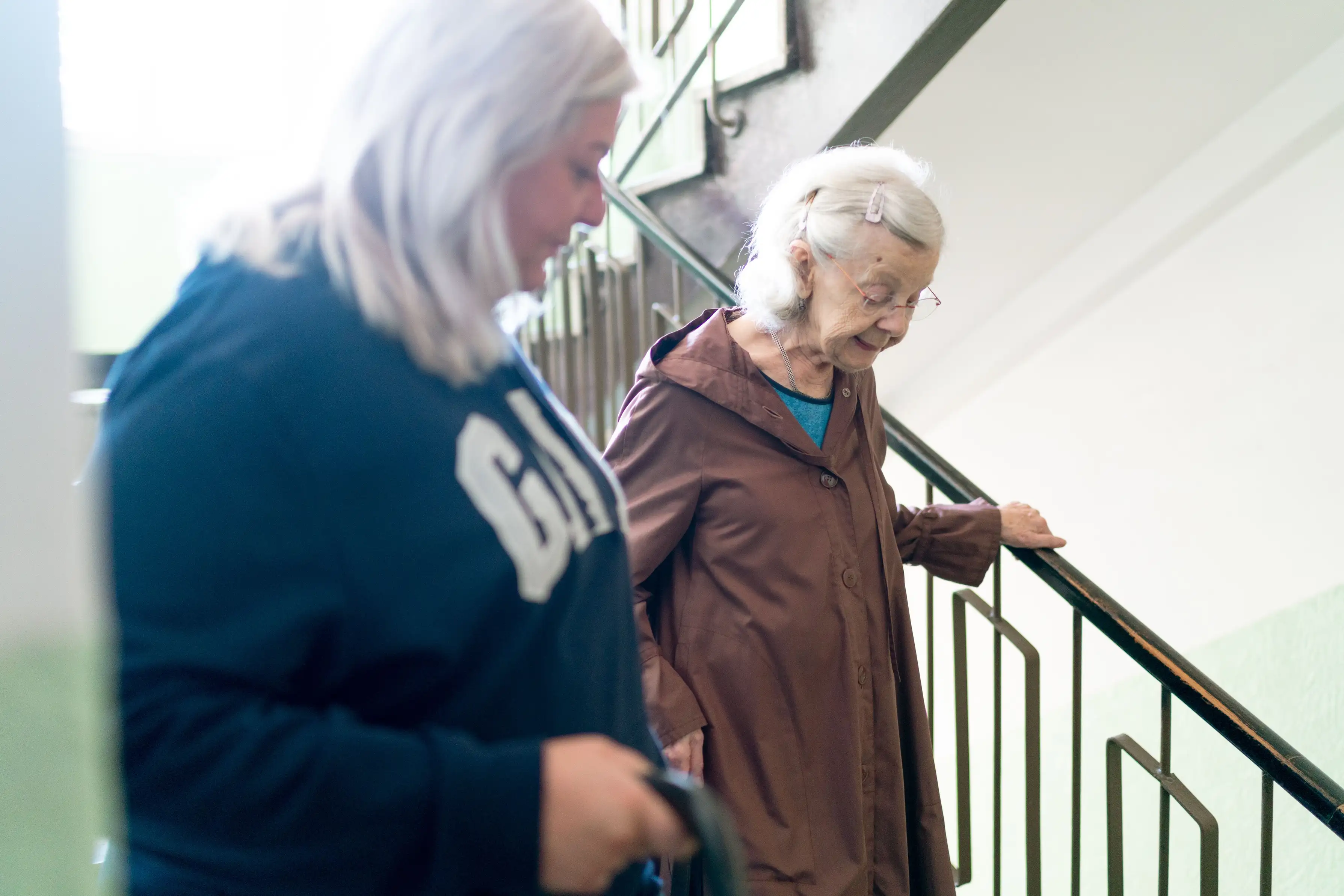
Stairs - Uneven surfaces, poor lighting, and lack of handrails make stairs a major hazard. Falls here often result in serious injuries.
-
Kitchen - Spills on floors, reaching for items on high shelves, and wet surfaces near sinks increase fall risk.
-
Entryways - Shoes, rugs, and clutter near doors create tripping hazards. Entrances often have transitions between different floor surfaces.
Understanding Your Fall Risk
Personal Risk Factors
Assess your individual risk:
Physical factors:
- Lower body weakness
- Balance and walking difficulties
- Vision problems
- Foot pain or poor footwear
- Vitamin D deficiency
Medical conditions:
- Arthritis
- Diabetes
- Parkinson's disease
- Stroke history
- Low blood pressure
Medications:
- Sedatives and tranquilizers
- Antidepressants
- Blood pressure medications
- Multiple medications (4+)
- Medications that cause dizziness
Environmental Risk Factors
Hazards in your home:
- Clutter and obstacles in walkways
- Loose rugs or carpets
- Poor lighting
- Lack of handrails on stairs
- Slippery surfaces
- Uneven floors or thresholds
Fall Prevention Checklist
✓ Remove loose rugs or secure with non-slip backing ✓ Install grab bars near toilet and in shower/tub ✓ Improve lighting throughout the home ✓ Wear non-slip shoes indoors ✓ Review medications with your doctor ✓ Exercise for balance and strength ✓ Schedule annual eye exams ✓ Keep walkways clear of clutter ✓ Add night lights in hallways and bathrooms ✓ Install handrails on both sides of stairs ✓ Use non-slip mats in wet areas ✓ Ensure furniture creates clear pathways ✓ Keep frequently used items within reach ✓ Have phone accessible at all times
Home Safety Inspection Checklist
Print this checklist and go room by room to identify hazards in your home.
Living Room
□ Remove clutter from walkways □ Secure electrical cords against walls □ Improve lighting with brighter bulbs □ Use chairs with armrests for support □ Remove or secure loose rugs □ Arrange furniture to create clear pathways □ Ensure lamps are within easy reach □ Add motion-sensor lights near entrances
Bathroom
□ Install grab bars near toilet (horizontal and vertical) □ Install grab bars in shower/tub area □ Add non-slip mats in and outside tub □ Use a shower chair or bench □ Install a raised toilet seat □ Use night lights □ Ensure bathroom floor is always dry □ Clear path from door to toilet and shower
Bedroom
□ Add night light near bed □ Clear path from bed to bathroom □ Ensure bed is at proper height (knees at 90 degrees when sitting) □ Keep phone within reach of bed □ Consider bed rails for support □ Remove clutter from floor □ Use a bedside table lamp □ Ensure light switch is near bedroom door
Kitchen
□ Keep frequently used items within easy reach □ Clean spills immediately □ Use a sturdy step stool with handrail □ Ensure good lighting over counters □ Consider non-slip floor mats □ Keep floors dry and clean □ Store heavy items at waist height □ Install lever-style faucets for easier use
Stairs
□ Install handrails on both sides □ Ensure even, non-slip surfaces □ Add contrasting strips to edges □ Keep stairs clear of objects □ Install light switches at top and bottom □ Ensure adequate lighting on stairs □ Repair any loose steps □ Add carpet or treads for better traction
Hallways & Entryways
□ Keep walkways clear □ Use night lights □ Remove or secure loose rugs □ Ensure floor surfaces are even □ Add handrails where needed □ Keep shoes and bags stored away □ Use non-slip mats at entrances
Making Your Home Safer
Room-by-Room Safety
Living room:
- Remove throw rugs or secure with non-slip backing
- Arrange furniture to create clear pathways
- Keep cords and wires against walls
- Ensure adequate lighting
- Use chairs with armrests for support
Kitchen:
- Keep frequently used items within easy reach
- Clean spills immediately
- Use a sturdy step stool with handrail
- Ensure good lighting
- Consider non-slip floor mats
Bathroom:
- Install grab bars near toilet and in shower/tub
- Use non-slip mats in and outside tub
- Consider a shower chair or bench
- Install a raised toilet seat
- Use night lights
Bedroom:
- Ensure bed is at proper height
- Clear path to bathroom
- Use night lights
- Keep phone within reach of bed
- Consider bed rails for support
Stairs:
- Install handrails on both sides
- Ensure even, non-slip surfaces
- Add contrasting strips to edges
- Keep stairs clear of objects
- Install light switches at top and bottom
Lighting Improvements
Good lighting is essential:
- Use bright bulbs (at least 60 watts or LED equivalent) in all fixtures
- Install night lights in hallways and bathrooms
- Place lamps within easy reach of bed
- Add motion-sensor lights for hands-free operation
- Ensure light switches are at room entrances
- Use timers or smart bulbs for automatic lighting
Floor Safety
Address flooring hazards:
- Remove or secure all loose rugs
- Repair uneven floor surfaces
- Use non-slip mats in wet areas
- Keep floors dry and clean
- Remove threshold strips that cause tripping
- Consider slip-resistant flooring in high-risk areas
Best Exercises to Prevent Falls
Regular exercise is one of the most effective fall prevention strategies. Combining different types of exercises provides the best results.
| Exercise | Benefits | Frequency |
|---|---|---|
| Tai Chi | Improves balance, coordination, and leg strength | 2-3 times per week |
| Chair Squats | Strengthens quadriceps and glutes | 2-3 sets of 10-15 reps |
| Heel Raises | Improves ankle stability and calf strength | 2-3 sets of 10-15 reps |
| Walking | Improves mobility, endurance, and balance | Daily, 30-45 minutes |
| Single-Leg Stance | Improves balance and core stability | Hold 10-30 seconds per leg |
| Side Leg Raises | Strengthens hips and improves balance | 10-15 reps per side |
| Wall Push-Ups | Strengthens upper body for support | 2-3 sets of 10-15 reps |
| Resistance Band Exercises | Builds muscle strength safely | 2-3 times per week |
Recommended Programs
Consider evidence-based programs:
- Tai Chi for Arthritis and Falls Prevention - A proven program that reduces fall risk by 40%
- A Matter of Balance - A workshop for older adults concerned about falls
- Stepping On - An award-winning fall prevention program
- Otago Exercise Programme - A home-based exercise program for fall prevention
- SAIL (Stay Active and Independent for Life) - A community-based physical activity program
Managing Medications
Medication Review
Have your medications reviewed regularly:
- Ask your doctor or pharmacist to review all medications
- Discuss side effects like dizziness or drowsiness
- Ask about alternatives for high-risk medications
- Ensure you understand proper dosing
- Report any new symptoms after starting medication
Common Problem Medications
Be aware that these may increase fall risk:
- Sleep medications (benzodiazepines)
- Anxiety medications
- Blood pressure medications
- Antidepressants
- Some allergy medications
- Pain medications (opioids)
Vision and Foot Care
Vision
Protect your vision:
- Have regular eye exams (annually for most seniors)
- Update glasses prescriptions as needed
- Consider single-vision distance glasses for walking
- Be cautious with bifocals on stairs
- Keep glasses clean
- Address vision problems promptly
Foot Care
Healthy feet reduce fall risk:
- Wear supportive, non-slip shoes
- Avoid walking in socks alone
- Have foot pain evaluated
- Keep toenails trimmed
- Check feet regularly for problems
- Use shoe horns for easier dressing
Daily Habits for Safety
Getting Up Safely
Prevent falls when changing positions:
- Rise slowly from bed or chairs
- Sit on the edge of the bed before standing
- Pause before walking after standing
- Use support when needed
- Stay hydrated to prevent dizziness
Walking Safely
Reduce fall risk while walking:
- Use assistive devices if prescribed
- Take your time—don't rush
- Watch for uneven surfaces
- Turn carefully, don't pivot
- Use handrails on stairs
Nighttime Safety
Prevent falls at night:
- Keep a night light on
- Clear the path to the bathroom
- Consider a bedside commode
- Keep a phone within reach
- Sit up slowly before standing
Assistive Devices
When to Consider Them
Assistive devices can help when:
- You feel unsteady when walking
- You've had a fall or near-fall
- You're recovering from illness or surgery
- Your doctor recommends one
Types of Devices
Canes:
- Single-point canes
- Quad canes (four points)
- Proper fitting is essential
Walkers:
- Standard walkers
- Two-wheeled walkers
- Rollators (four wheels with seat)
Other devices:
- Reachers for picking up items
- Shoe horns for dressing
- Bed rails for support
- Shower chairs for bathing
How Can Caregivers Help Prevent Falls?
Caregivers play a crucial role in fall prevention. Here are ways you can help:
- Remove hazards from your loved one's home
- Encourage exercise and join them for walks or balance activities
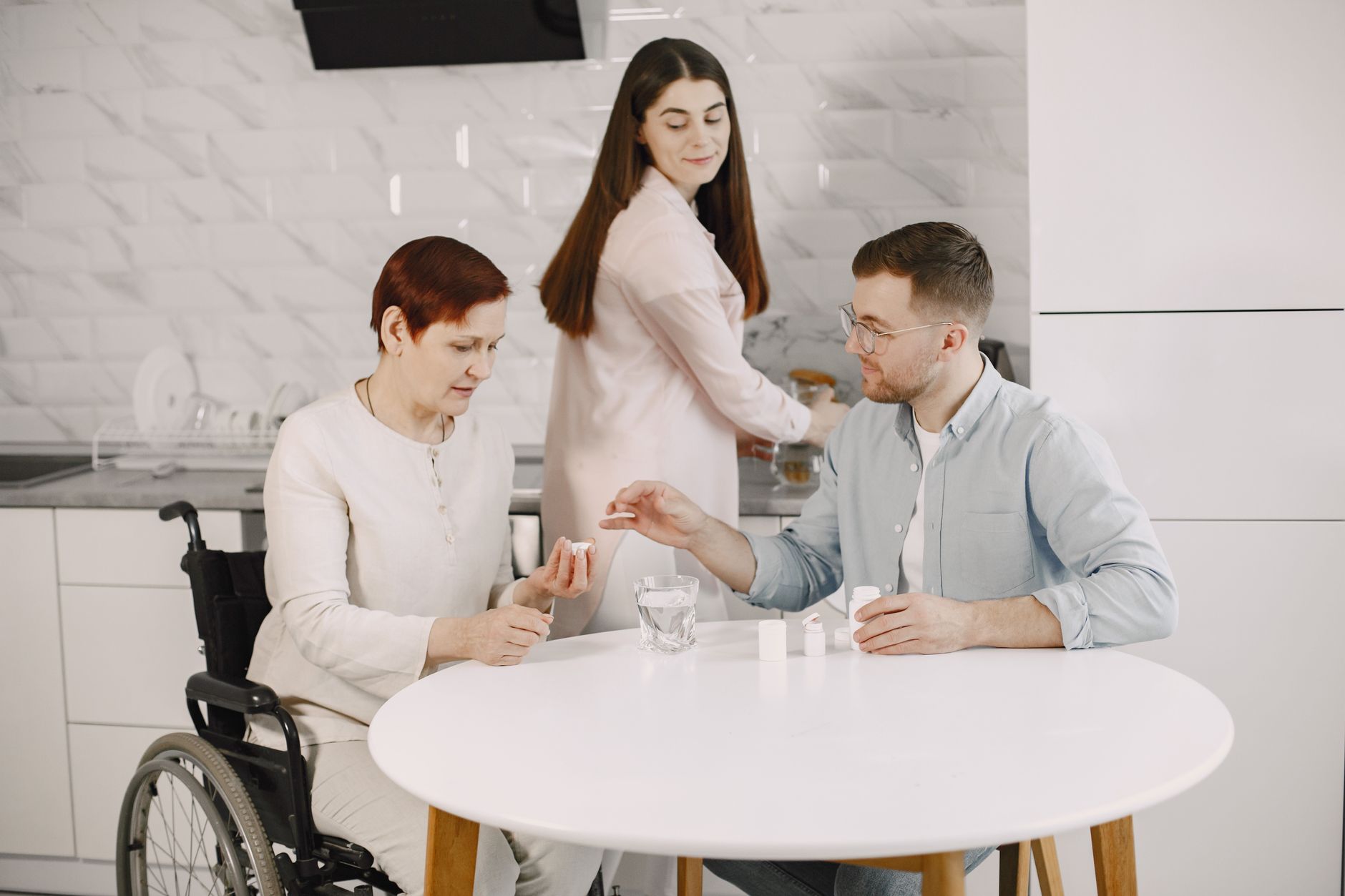
- Monitor medication side effects and help with medication management
- Schedule vision exams and ensure glasses are up-to-date
- Install safety equipment like grab bars and night lights
- Conduct regular home safety checks
- Help with foot care and ensure proper footwear
- Encourage hydration to prevent dizziness
- Be patient and allow extra time for activities
- Learn proper transfer techniques to assist safely
7-Day Fall Prevention Action Plan
Follow this step-by-step plan to reduce your fall risk in just one week.
Day 1: Inspect the living room - Remove clutter, secure rugs, improve lighting
Day 2: Improve bathroom safety - Install grab bars, add non-slip mats, consider shower chair
Day 3: Review medications - Schedule appointment with doctor or pharmacist
Day 4: Schedule eye exam - Call your ophthalmologist for an appointment
Day 5: Begin balance exercises - Start with simple chair exercises and walking
Day 6: Install night lights - Add lights in hallways, bathroom, and bedroom
Day 7: Practice safe walking habits - Review walking techniques and consider assistive devices
When to Seek Professional Help
Talk to Your Doctor
Discuss fall prevention if:
- You've fallen in the past year
- You feel unsteady when walking
- You're afraid of falling
- You've noticed changes in balance
- You take multiple medications
Professional Resources
Consider consulting:
- Physical therapist for balance and strength training
- Occupational therapist for home safety assessment
- Pharmacist for medication review
- Ophthalmologist for vision evaluation
- Podiatrist for foot problems
Key Takeaways
- Falls are preventable, not inevitable
- Address both personal and environmental risk factors
- Make your home safer by removing hazards and improving lighting
- Exercise regularly to build strength and balance
- Review medications with your healthcare provider
- Have your vision checked annually
- Use assistive devices if needed
- Talk to your doctor about fall prevention
- Caregivers play a vital role in fall prevention
- Follow a step-by-step action plan for best results
Related Articles
- What Home Modifications Improve Safety?
- How Can Caregivers Reduce Fall Risk?
- Balance Exercises for Seniors
- Best Night Lights to Prevent Falls
- Best Canes for Seniors
- Chair Exercises for Seniors
- Tai Chi for Seniors
- Vitamin D Benefits for Seniors
- What to Do After a Fall
References
- Centers for Disease Control and Prevention. (2024). Falls Among Older Adults. CDC.gov
- National Institute on Aging. (2024). Falls and Fractures. NIA.nih.gov
- American Geriatrics Society. (2024). Fall Prevention. Americangeriatrics.org
- Centers for Disease Control and Prevention. (2024). Vitamin D and Falls. CDC.gov