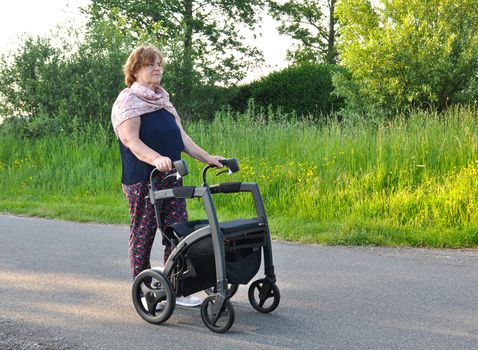
What is Parkinson's Disease?
Parkinson's disease is a chronic, progressive neurological disorder that affects movement. It occurs when dopamine-producing neurons in the brain gradually degenerate, leading to motor symptoms and cognitive changes.
Dopamine is a neurotransmitter that helps regulate movement, motivation, and reward. When dopamine-producing cells in the substantia nigra region of the brain die or become impaired, the resulting dopamine deficiency causes the characteristic symptoms of Parkinson's disease.
The disease typically develops slowly, with symptoms worsening gradually over many years. While there is currently no cure, various treatments and management strategies can significantly improve quality of life.
Key Facts
- Prevalence: Affects approximately 1 million Americans, with 60,000 new cases diagnosed each year
- Age of onset: Average age is 60, though 5-10% of cases begin before age 50
- Gender: Men are 1.5 times more likely to develop Parkinson's than women
- Progression: Symptoms develop gradually over years
- Prognosis: With proper management, many people live decades after diagnosis
Parkinson's disease is the second most common neurodegenerative disorder after Alzheimer's disease. Worldwide, approximately 10 million people live with Parkinson's.
Symptoms
Parkinson's symptoms typically appear on one side of the body first and may include:
Common Parkinson's Symptoms
Early detection can help with timely intervention
Motor Symptoms
Tremor: The most recognizable symptom, often beginning in one hand or finger. A characteristic "pill-rolling" tremor involves rubbing the thumb and forefinger together. Tremors typically occur at rest and may decrease during intentional movement.
Bradykinesia: Slowness of movement makes everyday tasks difficult. People may walk with short, shuffling steps, have difficulty getting out of chairs, or experience reduced arm swing when walking.
Rigidity: Stiffness in the limbs and trunk limits range of motion and can cause discomfort. Rigidity may contribute to a stooped posture.
Postural Instability: Balance problems develop later in the disease, increasing fall risk. This symptom is particularly concerning for older adults.
Non-Motor Symptoms
Many people experience symptoms beyond movement difficulties:
- Depression: Common in Parkinson's, affecting mood and quality of life. See Depression in Seniors.
- Anxiety: May occur alongside depression or independently
- Cognitive changes: Difficulty concentrating, memory problems, eventual dementia in some cases
- Sleep disturbances: Insomnia, daytime sleepiness, REM sleep behavior disorder
- Fatigue: Persistent tiredness unrelated to activity level
- Constipation: Often one of the earliest symptoms
- Skin changes: Excessive or reduced sweating
- Speech problems: Soft voice, slurring, difficulty articulating
These non-motor symptoms can significantly affect daily life and should be addressed as part of comprehensive management.
Diagnosis
Diagnosing Parkinson's disease can be challenging as there is no single test. Diagnosis typically involves:
Medical Evaluation
- Neurological examination: Assessment of movement, balance, coordination
- Medical history: Detailed history of symptoms and progression
- Response to medication: Improvement with levodopa is often a key indicator
A neurologist specializing in movement disorders typically makes the diagnosis. They look for the presence of bradykinesia plus either tremor or rigidity. The examination tests walking, finger movements, facial expressions, and other motor functions.
Imaging and Testing
- DAT scan: Imaging test to assess dopamine function
- MRI or CT scan: Rule out other conditions like stroke or tumor
- Blood tests: Check for other causes of symptoms
While these tests can support diagnosis, Parkinson's remains primarily a clinical diagnosis based on symptoms and response to treatment.
Stages of Parkinson's Disease
The Hoehn and Yahr scale describes five stages of progression:
| Stage | Description |
|---|---|
| Stage 1 | Symptoms on one side of the body; minimal functional impairment |
| Stage 2 | Symptoms on both sides; minimal balance problems |
| Stage 3 | Balance impairment; physically independent but some limitations |
| Stage 4 | Severe disability; able to stand or walk without assistance |
| Stage 5 | Wheelchair-bound or bedridden; requiring constant care |
Progression varies significantly among individuals. Some people remain in early stages for many years, while others progress more rapidly.
Management
While there is no cure for Parkinson's, effective management can significantly improve quality of life.
Medications
Dopamine Replacement:
- Levodopa: Most effective medication, converted to dopamine in the brain
- Carbidopa: Combined with levodopa to prevent breakdown before reaching the brain
Levodopa remains the gold standard treatment. However, long-term use can cause complications like dyskinesia (involuntary movements).
Dopamine Agonists:
- Pramipexole, ropinirole: Stimulate dopamine receptors directly
- Often used in earlier stages or alongside levodopa
Other Medications:
- MAO-B inhibitors: Selegiline, rasagiline (slow dopamine breakdown)
- COMT inhibitors: Entacapone, tolcapone (extend levodopa effects)
- Anticholinergics: Benztropine, trihexyphenidyl (help with tremors)
Medication management requires careful balancing. Dosages and timing need regular adjustment as the disease progresses. Learn more about Medication Management Tips.
Surgical Options
- Deep Brain Stimulation (DBS): Implantation of electrodes to regulate brain activity
- Pallidotomy/Thalamotomy: Surgical lesions for severe tremors
Deep brain stimulation has become an important treatment option for people with advanced Parkinson's who no longer respond adequately to medications. DBS can significantly reduce tremor and improve movement.
Lifestyle and Rehabilitation
Physical therapy: Improve mobility, balance, and strength. Physical therapists design exercise programs tailored to individual needs. See Balance Exercises for Seniors.
Occupational therapy: Maintain daily living skills. Occupational therapists suggest adaptive equipment and strategies for everyday tasks.
Speech therapy: Address communication difficulties. Speech therapy can improve voice volume and articulation.
Exercise: Walking, tai chi, swimming, and cycling may help maintain function. Research suggests regular exercise may slow progression. Learn about Tai Chi for Seniors and Walking for Seniors.
Nutrition: High-fiber diet to manage constipation, adequate hydration, balanced meals. Some people benefit from protein redistribution diets to optimize levodopa absorption.
Early Intervention
Early diagnosis and treatment can help maintain independence and quality of life. If you or a loved one experiences any Parkinson's symptoms, consult a neurologist for evaluation.
Living with Parkinson's Disease
Beyond medical treatment, many strategies help manage daily life:
Exercise and Movement
Regular physical activity is one of the most important aspects of Parkinson's management. Exercise may:
- Improve mobility and balance
- Reduce stiffness
- Boost mood and energy
- Potentially slow disease progression
Many people find tai chi particularly beneficial for balance and flexibility. Dancing, swimming, and walking also provide benefits. See Chair Exercises for Seniors for options for those with mobility limitations.
Fall Prevention
Balance problems increase fall risk, which can be serious for older adults:
- Remove tripping hazards at home
- Install grab bars in bathrooms
- Use assistive devices as recommended
- Wear sturdy, supportive footwear
Learn more about Home Safety Checklist for Elderly and Mobility Aids for Seniors.
Mental Health Support
Depression and anxiety are common in Parkinson's:
- Talk to your healthcare provider about mental health concerns
- Consider counseling or support groups
- Stay socially connected with family and friends
- Engage in activities that bring joy and purpose
Support groups provide connection with others facing similar challenges. Sharing experiences and strategies can be valuable.
Caregiver Support
Parkinson's affects families as well as individuals. Caregivers may need:
- Education about the disease
- Practical caregiving skills
- Respite care and support
- Emotional support
See Caregiver Support Resources for guidance and support options.
Frequently Asked Questions
Is Parkinson's disease fatal? Parkinson's itself is not directly fatal. However, complications like falls, pneumonia, or swallowing problems can contribute to mortality. With proper management, many people live decades after diagnosis.
Can Parkinson's be prevented? Research hasn't yet identified ways to prevent Parkinson's. However, regular exercise, healthy diet, and avoiding environmental toxins may potentially reduce risk.
How quickly does Parkinson's progress? Progression varies significantly. Some people remain in early stages for many years, while others progress more rapidly. Most people can maintain good function for many years with proper treatment.
Can young people get Parkinson's? While average onset is age 60, about 5-10% of cases begin before age 50. "Young-onset Parkinson's" presents unique challenges regarding work and family responsibilities.
Does Parkinson's affect memory? Cognitive changes occur in many people, ranging from mild difficulties to dementia. Memory problems typically develop later in the disease. Not everyone develops significant cognitive impairment.
What exercises help with Parkinson's? Walking, tai chi, swimming, dancing, cycling, and strength training all provide benefits. Tai chi is particularly helpful for balance. A physical therapist can design a personalized program.
Can diet affect Parkinson's symptoms? A balanced, high-fiber diet helps with constipation. Some people benefit from adjusting protein intake to optimize levodopa absorption. Adequate hydration is important.
How do I find a Parkinson's specialist? Ask your primary care physician for a referral to a neurologist specializing in movement disorders. Parkinson's foundations can also help locate specialists and support groups.
Related Articles
- Tai Chi for Seniors
- Balance Exercises for Seniors
- Chair Exercises for Seniors
- Walking for Seniors
- Medication Management Tips
- Caregiver Support Resources
- Home Safety Checklist for Elderly
- Mobility Aids for Seniors
- Depression in Seniors
References
-
Parkinson's Foundation. (2024). What is Parkinson's Disease? Retrieved from https://www.parkinson.org/
-
National Institute on Aging. (2023). Parkinson's Disease. Retrieved from https://www.nia.nih.gov/health/parkinsons-disease
-
Mayo Clinic. (2023). Parkinson's Disease. Retrieved from https://www.mayoclinic.org/diseases-conditions/parkinsons-disease
-
American Parkinson Disease Association. (2023). Understanding Parkinson's. Retrieved from https://www.apdaparkinson.org/
-
Postuma, R. B., et al. (2015). MDS clinical diagnostic criteria for Parkinson's disease. Movement Disorders, 30(12), 1591-1601.
-
National Institute of Neurological Disorders and Stroke. (2023). Parkinson's Disease Information Page. Retrieved from https://www.ninds.nih.gov/
-
Michael J. Fox Foundation. (2024). Understanding Parkinson's. Retrieved from https://www.michaeljfox.org/