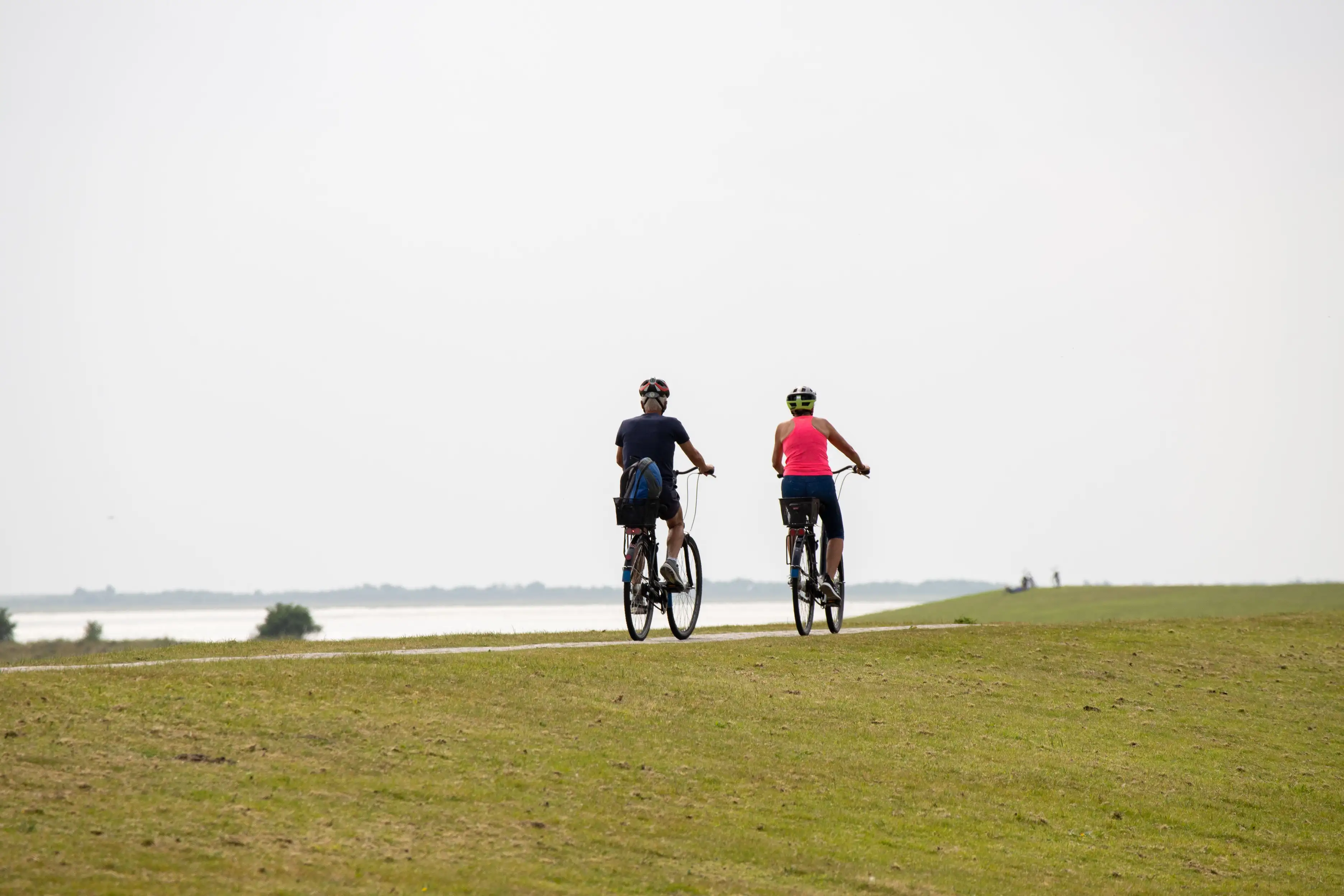
Before you lace up your walking shoes, the routine starts at the kitchen counter: check the meter, tuck a juice box or a roll of glucose tablets into a pocket, and think about when you last ate and when your insulin tends to peak. Physical activity is one of the most dependable tools for managing diabetes as you get older. According to the American Diabetes Association, exercise can help lower blood sugar levels, improve insulin sensitivity, and reduce the risk of diabetes-related complications. Built around those small pre-walk checks, a steady plan can make a real difference in daily energy and long-term health.
Why Exercise Matters for Seniors with Diabetes
A walk goes to work on your blood sugar from the first block. Contracting muscles pull glucose out of the bloodstream for fuel while you move, and they keep drawing on it for hours afterward. Keep it up and your cells also begin responding to insulin more readily, which makes diabetes easier to manage, with medication or without.
Key benefits of exercise for diabetic seniors:
- Lowers blood sugar: Muscles use glucose during and after activity
- Improves insulin sensitivity: Cells respond better to insulin
- Aids weight management: Helps maintain healthy weight
- Boosts energy levels: Combats diabetes-related fatigue
- Improves mood: Reduces stress and anxiety
- Protects heart health: Reduces cardiovascular risk
- Enhances mobility: Maintains independence longer
Research published by the National Institute of Diabetes and Digestive and Kidney Diseases shows that regular physical activity can reduce A1C levels by 0.5% to 1% in people with type 2 diabetes. This reduction is clinically significant and can decrease the risk of diabetes complications.
Understanding Blood Sugar and Exercise
Most of the time, a workout pushes your number down. Not always by the same amount, and not for every activity. What you did, how long you did it, and when you last ate or took insulin all change the result.
How exercise affects blood sugar:
- During exercise: Blood sugar usually drops as muscles use glucose
- After exercise: Blood sugar may continue dropping for hours
- Intensity matters: Higher intensity may cause temporary spikes
- Duration matters: Longer sessions have greater effects
- Timing matters: Exercise after meals helps manage post-meal blood sugar
When to check blood sugar:
- Before exercise (especially if taking insulin or certain diabetes medications)
- During long exercise sessions (over 45 minutes)
- After exercise (to monitor for delayed drops)
- Before bed (if exercising in evening)
Blood sugar guidelines for exercise:
- Below 100 mg/dL: Have a small snack before exercising
- 100-250 mg/dL: Safe range for exercise
- Above 250 mg/dL: Check for ketones; if present, avoid exercise
- Above 300 mg/dL: Wait until blood sugar decreases
Always consult with your healthcare provider about specific blood sugar targets for exercise.
Best Types of Exercise for Diabetic Seniors
The mix that works week to week has three ingredients: movement that brings your breathing up, work that builds muscle, and gentle flexibility. Each acts on blood sugar and the body in a different way, which is why all three earn a place.
1. Aerobic Exercise
A brisk walk, swim, or bike ride puts your largest muscles to work burning glucose steadily, and it strengthens the heart at the same time. The Centers for Disease Control and Prevention recommends at least 150 minutes of moderate-intensity aerobic activity per week for adults with diabetes.
Best aerobic options for seniors:
- Walking: Simple, free, and effective. Consider exercises to improve walking speed to enhance your walking routine.
- Swimming: Low-impact, gentle on joints, excellent for those with arthritis
- Cycling: Stationary or outdoor cycling provides cardiovascular benefits
- Water aerobics: Ideal for seniors with joint pain or balance concerns
- Dancing: Social, fun, and effective for cardiovascular health
Recommended aerobic routine:
- Start with 10-15 minutes per session
- Gradually build to 30 minutes
- Aim for 5 days per week
- Maintain moderate intensity (can talk but not sing)
- Include warm-up and cool-down periods
Pro tip: Walking after meals, especially dinner, can significantly improve post-meal blood sugar control. Even a 10-15 minute walk can make a meaningful difference.
2. Strength Training
Muscle is hungry tissue. The more of it you carry, the more glucose gets pulled from the blood at rest and after meals, which is why twice-weekly resistance work improves glucose uptake and insulin sensitivity. Studies show that resistance training can be as effective as aerobic exercise for blood sugar control.
Best strength training options:
- Resistance bands: Safe, affordable, and versatile. Learn more about exercise equipment for seniors.
- Bodyweight exercises: Squats, wall push-ups, leg raises
- Light dumbbells: 1-5 pound weights for upper body
- Chair exercises: Perfect for those with limited mobility
- Resistance machines: If available, provide guided movements
Recommended strength training routine:
- 2-3 sessions per week
- 8-10 different exercises
- 10-15 repetitions of each exercise
- Rest days between strength sessions
- Focus on major muscle groups
For detailed guidance, see our article on strength training for seniors over 65.
3. Flexibility and Balance
Yoga or tai chi won't drop your number the way a walk does. Their payoff is keeping you on your feet. Falls are a particular concern when diabetes has dulled the nerves in your feet or changed your vision, and steadier ankles and hips are what these practices build.
Best flexibility and balance options:
- Yoga: Improves flexibility, strength, and stress management
- Tai Chi: Gentle movements that enhance balance and reduce stress
- Stretching: Improves range of motion and reduces stiffness
- Balance exercises: Standing on one foot, heel-to-toe walking
Recommended flexibility routine:
- Stretch after every workout when muscles are warm
- Hold each stretch 15-30 seconds
- Include all major muscle groups
- Practice balance exercises 2-3 times per week
Consider incorporating stretching exercises for seniors into your weekly routine, and explore tai chi for beginners for gentle movement and balance work.
Sample Weekly Exercise Plan
Here's a balanced weekly plan designed specifically for seniors with diabetes:
Monday: Aerobic Focus
- 5-minute warm-up (slow walking, arm circles)
- 25-30 minutes brisk walking or cycling
- 5-minute cool-down
- 5 minutes gentle stretching
Blood sugar tip: Check before you leave the driveway and again when you get back. Write both numbers down with the route and the time; patterns show up within a week or two.
Tuesday: Strength Training
- 5-minute warm-up
- 20 minutes resistance exercises:
- Seated rows with resistance band
- Bicep curls with light weights
- Leg extensions
- Chest press with band
- Hip abductions
- 10 minutes gentle stretching
Blood sugar tip: Strength training can have delayed effects on blood sugar. Monitor for 12-24 hours after.
Wednesday: Active Recovery
- 20 minutes gentle walking
- 10 minutes balance exercises:
- Standing on one foot (near wall for support)
- Heel-to-toe walking
- Side leg raises
- 5 minutes stretching
Blood sugar tip: Light activity helps with recovery and may help stabilize blood sugar.
Thursday: Water-Based Aerobic
- 5-minute warm-up in water
- 30 minutes swimming or water aerobics
- 5 minutes cool-down
- Light stretching
Blood sugar tip: Water exercise may affect blood sugar differently than land exercise. Monitor closely.
Friday: Combined Strength and Flexibility
- 5-minute warm-up
- 15 minutes strength exercises:
- Chair squats
- Wall push-ups
- Resistance band exercises
- 15 minutes yoga or stretching
- 5 minutes deep breathing
Blood sugar tip: End-of-week exercise helps compensate for any weekend dietary changes.
Saturday: Leisure Activity
- 30-45 minutes enjoyable activity:
- Walking in a park
- Golfing (walking course)
- Gardening
- Dancing
- Focus on fun and movement
Blood sugar tip: Weekend activities often differ from weekday routines. Pay attention to patterns.
Sunday: Rest and Gentle Movement
- Light stretching only (5-10 minutes)
- Optional: short, slow walk
- Focus on recovery
- Plan for the upcoming week
Blood sugar tip: Rest days are important. They allow muscles to recover and help prevent burnout.
Important Safety Considerations
Most seniors with diabetes exercise without incident. A few plain habits—glucose in your pocket, meter in hand, shoes on your feet—keep it that way.
Before You Start
Consult your healthcare team:
- Get medical clearance before starting a new program
- Discuss how exercise may affect your medications
- Ask about specific precautions for your situation
- Consider a cardiac stress test if recommended
Assess your readiness:
- Check your feet for cuts or sores
- Ensure you have proper footwear
- Keep fast-acting glucose in your pocket, not back in the kitchen
- Know your blood sugar target range for exercise
During Exercise
Stay safe:
- Always carry fast-acting glucose (glucose tablets, juice, candy)
- Wear a medical alert bracelet or carry ID
- Stay hydrated throughout your workout
- Stop immediately if you experience dizziness, chest pain, or shortness of breath
- Exercise with a partner when possible
Monitor blood sugar:
- Check if you feel symptoms of low blood sugar
- For long sessions (over 45 minutes), check mid-workout
- Don't exercise if blood sugar is above 250 mg/dL with ketones present
After Exercise
Recover properly:
- Check blood sugar, especially if you take insulin or certain diabetes medications
- Have a snack if blood sugar is below 100 mg/dL
- Stay hydrated
- Check your feet for any irritation or injury
- Monitor for delayed low blood sugar (can occur up to 24 hours after intense exercise)
Special Considerations for Diabetic Complications
If you have diabetes-related complications, certain modifications may be necessary:
Neuropathy (nerve damage):
- Choose low-impact activities
- Always wear proper footwear
- Check feet daily for injuries
- Consider foot strengthening exercises to maintain foot health
Retinopathy (eye damage):
- Avoid exercises that significantly increase blood pressure
- Skip activities that involve jarring movements or head-down positions
- Talk to your eye doctor about exercise restrictions
Kidney disease:
- Avoid high-intensity exercise
- Stay well-hydrated
- Monitor for excessive protein in urine after exercise
- Work with your healthcare team to adjust activity levels
Tips for Success
The routines that last tend to be small ones tied to things you already do. A few habits make that easier:
Start small and build gradually:
- Begin with 5-10 minutes per session
- Increase duration by 5 minutes every 1-2 weeks
- Focus on consistency before intensity
- Celebrate small victories
Make it convenient:
- Choose activities you enjoy
- Time workouts with meals and insulin in mind—your blood sugar log will show the window that suits you
- Keep equipment accessible at home
- Combine exercise with other daily activities
Stay motivated:
- Set realistic, specific goals
- Track your progress in a journal
- Exercise with a friend or group
- Reward yourself for consistency
- Remember your "why" (health, independence, energy)
Handle setbacks gracefully:
- Missed days are normal
- Illness or high blood sugar may require rest
- Adjust your plan as needed
- Return to exercise when ready
When to Avoid or Modify Exercise
Sometimes exercise isn't appropriate. Skip or modify your workout if:
- Blood sugar is below 70 mg/dL (treat first)
- Blood sugar is above 250 mg/dL with ketones
- You have an active foot ulcer or injury
- You're experiencing chest pain or shortness of breath
- You feel ill or have a fever
- Your doctor has advised against exercise
Working with Your Healthcare Team
Regular communication with your healthcare providers helps ensure safe and effective exercise:
- Before starting: Get clearance and discuss your plan
- Monthly: Review your exercise log and blood sugar patterns
- Quarterly: Discuss A1C results and adjust plan if needed
- As needed: Report any unusual symptoms or concerns
Your healthcare team may include:
- Primary care physician
- Endocrinologist
- Diabetes educator
- Physical therapist
- Registered dietitian
- Certified fitness professional
Conclusion
The routine gets familiar fast: meter before you walk, glucose in your pocket, shoes by the door. Aerobic work, strength training, and flexibility together lower blood sugar, sharpen insulin response, and protect the independence you're moving to keep.
Start small, keep records, and adjust the plan with your healthcare team. Even ten minutes after dinner nudges your number the right way. The best plan isn't the most ambitious one—it's the one you're still doing six months from now.
Frequently Asked Questions
1. How soon after eating should seniors with diabetes exercise?
Many experts recommend waiting 1-3 hours after a meal before exercising, when blood sugar levels are typically higher. However, light walking immediately after meals can help manage post-meal blood sugar spikes. Test your blood sugar before and after to see how different timing affects your levels.
2. Can exercise replace diabetes medication?
Exercise can help lower blood sugar and improve insulin sensitivity, but it should not replace prescribed diabetes medication without medical supervision. Some people are able to reduce their medication dosages with consistent exercise and weight loss, but this must be done under a doctor's guidance.
3. What should seniors with diabetes eat before exercising?
If your blood sugar is below 100 mg/dL before exercise, have a small snack containing 15-30 grams of carbohydrates. Good options include half a banana, a small apple, or a few whole-grain crackers. If blood sugar is 100-250 mg/dL, you generally don't need to eat before moderate exercise.
4. Is it safe to exercise with type 1 diabetes as a senior?
Yes, seniors with type 1 diabetes can safely exercise with proper precautions. Work closely with your healthcare team to adjust insulin dosages and timing around exercise. Always carry fast-acting glucose, and monitor blood sugar frequently before, during, and after activity.
5. What are the warning signs of low blood sugar during exercise?
Symptoms of hypoglycemia include shaking, sweating, rapid heartbeat, dizziness, confusion, irritability, and extreme hunger. If you experience these symptoms, stop exercising immediately, check your blood sugar, and treat with fast-acting glucose if needed.
6. How often should seniors with diabetes check their feet related to exercise?
Check your feet daily, especially if you have neuropathy. Before exercise, inspect feet for cuts, blisters, or sores. After exercise, check again for any irritation or injury. Wear well-fitting, supportive shoes, and never exercise barefoot.
7. Can I exercise if my blood sugar is high?
If blood sugar is above 250 mg/dL, check for ketones. If ketones are present, do not exercise. If blood sugar is elevated but no ketones are present, light to moderate exercise is usually safe, but monitor closely and stay hydrated. Very high-intensity exercise can sometimes raise blood sugar temporarily.
8. What types of exercise are best for seniors with diabetes and arthritis?
Low-impact exercises and water exercises are ideal for seniors with both diabetes and arthritis. Swimming, water aerobics, cycling, and gentle yoga provide cardiovascular and strength benefits without stressing joints. Chair exercises are also excellent options for those with joint pain.
References
-
American Diabetes Association. (2024). Physical Activity/Exercise and Diabetes: A Position Statement of the American Diabetes Association. Diabetes Care. https://diabetesjournals.org/care/article/39/11/2085/33795/
-
Centers for Disease Control and Prevention. (2024). Diabetes and Physical Activity. https://www.cdc.gov/diabetes/managing/active.html
-
National Institute of Diabetes and Digestive and Kidney Diseases. (2024). Physical Activity for Diabetes. https://www.niddk.nih.gov/health-information/diabetes/overview/diet-eating-physical-activity/physical-activity
-
Colberg, S. R., et al. (2016). Physical Activity/Exercise and Diabetes: A Position Statement of the American Diabetes Association. Diabetes Care, 39(11), 2085-2094.
-
Sigal, R. J., et al. (2006). Effects of Aerobic Training, Resistance Training, or Both on Glycemic Control in Type 2 Diabetes. Annals of Internal Medicine, 144(8), 547-556.
-
American Heart Association. (2024). Recommendations for Physical Activity in Adults with Diabetes. https://www.heart.org/en/healthy-living/fitness
-
Harvard Health Publishing. (2024). Exercise and Diabetes: What You Need to Know. https://www.health.harvard.edu/
Disclaimer: This article is for educational purposes only and should not be considered medical advice. Always consult with your healthcare provider before starting a new exercise program, especially if you have diabetes or other chronic health conditions.