Many older adults prefer exercising at home rather than going to a gym. A well-equipped home exercise space can provide safe, effective workouts while fitting into any budget. Research from the National Institute on Aging suggests that regular physical activity may help older adults maintain independence and improve overall health outcomes.
Building Your Home Exercise Space
You don't need a lot of expensive equipment to stay fit at home. A few well-chosen pieces can provide a complete workout. The key is selecting equipment that matches your fitness level, available space, and health considerations.
Before buying:
- Assess your current fitness level and physical limitations
- Consider available space in your home
- Set a realistic budget (starting as low as $50)
- Check with your healthcare provider if you have health concerns
- Think about your exercise goals (strength, flexibility, cardio, or balance)
Many seniors find that starting small and gradually adding equipment works best. This approach allows you to identify what you actually use and enjoy before investing in larger purchases.
Essential Equipment for Seniors
1. Resistance Bands
Resistance bands are perhaps the most versatile and cost-effective exercise equipment for seniors. According to the American College of Sports Medicine, resistance band training can be just as effective as traditional weight training for building strength.
Why it's perfect for seniors:
- Very inexpensive ($10-30 for a set)
- Takes up almost no space (fits in a drawer)
- Provides adjustable resistance levels
- Excellent for strength training without joint stress
- Safe to use independently
- Perfect for strength training for seniors over 65
What to buy:
- Start with a set of 3-4 bands (light to medium resistance)
- Look for bands with handles for easier grip
- Choose fabric bands over rubber (more comfortable and less likely to snap)
- Consider a door anchor attachment for more exercise variety
Best exercises:
- Bicep curls (seated or standing)
- Shoulder presses
- Leg extensions while seated
- Seated rows for back strength
- Chest pulls
- Hip abductions
Pro tip: Resistance bands are ideal for chair exercises for beginners, allowing safe, seated strength training.
2. Light Dumbbells
Light dumbbells provide a straightforward way to build upper body strength. Many older adults prefer dumbbells for their simplicity and effectiveness.
Why it's perfect for seniors:
- Simple and intuitive to use
- Versatile for many different exercises
- Compact and easy to store
- Effective for building functional strength
- Easy to progress by adding weight gradually
What to buy:
- Start with 1-5 pound weights (depending on current strength)
- Consider adjustable dumbbells to save space and money
- Get a set that includes several different weights
- Look for neoprene-coated dumbbells for comfortable grip
- Choose bright colors that are easy to see
Best exercises:
- Arm curls for bicep strength
- Shoulder raises
- Tricep extensions
- Gentle chest presses
- Bent-over rows
- Overhead presses
Safety note: If you have arthritis in your hands, consider resistance bands instead, or use dumbbells with padded grips.
3. Exercise Ball (Stability Ball)
A stability ball offers unique benefits for seniors, particularly for balance and core strength. The Mayo Clinic notes that stability ball exercises can help improve core stability and balance.
Why it's perfect for seniors:
- Improves balance and coordination
- Great for seated exercises
- Strengthens core muscles without crunches
- Can replace a chair for some exercises
- Adds variety to workouts
- Relatively inexpensive ($15-35)
What to buy:
- Get the right size (when sitting, thighs should be parallel to floor)
- Most seniors need 55-65 cm balls
- Choose one with anti-burst technology
- Look for balls with weight ratings well above your body weight
- Consider a slow-deflate feature for safety
Best exercises:
- Seated marches for leg strength
- Seated side twists for core
- Wall push-ups against ball
- Gentle back extensions
- Hip circles while seated
- Ball squeezes for inner thigh strength
Important: Use the ball against a wall or in a corner when first starting for added stability.
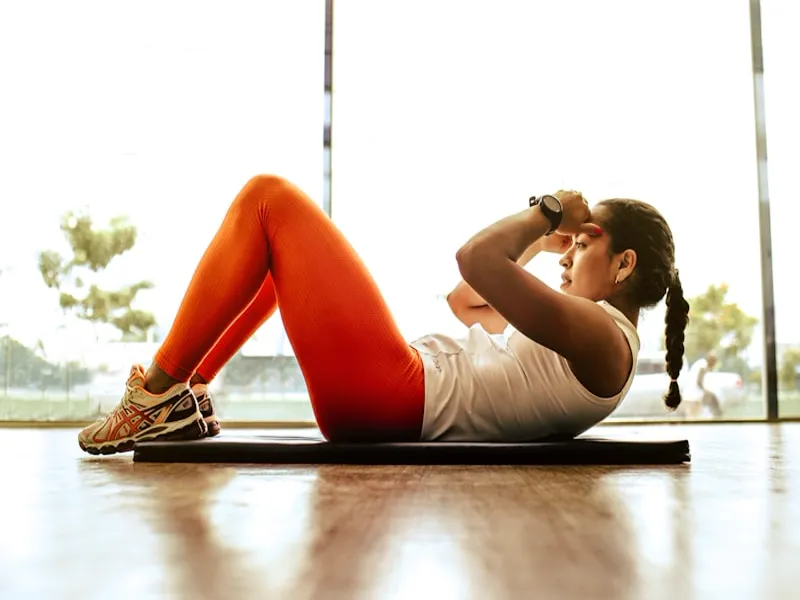
4. Yoga Mat
A quality yoga mat provides essential cushioning and safety for floor exercises, stretching routines, and balance work.
Why it's perfect for seniors:
- Provides cushioning for floor exercises
- Non-slip surface prevents falls
- Defines your exercise space
- Inexpensive ($15-40)
- Easy to roll up and store
- Essential for stretching exercises for seniors
What to buy:
- Choose a thicker mat (at least 6mm) for joint protection
- Look for non-slip texture on both sides
- Get appropriate size (not too long or short)
- Consider extra-long mats if you're tall
- Choose a color that makes the mat easy to see
Best uses:
- Stretching and flexibility work
- Gentle floor exercises
- Balance training
- Core work
- Morning exercises at home
- Tai chi or yoga practice
5. Pedal Exerciser (Mini Cycle)
A pedal exerciser provides cardiovascular benefits without requiring a full-sized exercise bike. This compact device is perfect for seniors with limited space or mobility concerns.
Why it's perfect for seniors:
- Can be used while sitting in your regular chair
- Very low impact on joints
- Improves leg circulation
- Compact and lightweight
- Affordable ($30-80)
- Works both arms and legs
What to buy:
- Look for adjustable resistance settings
- Choose one with a digital display for tracking
- Ensure it's stable and has non-slip feet
- Consider models with larger pedals for comfort
- Look for a handle for easy carrying
Best exercises:
- Seated leg cycling while watching TV
- Seated arm cycling (place on table)
- Both arms and legs together for full workout
- Low-resistance warm-ups before strength training
Health benefit: Regular use may help improve circulation and maintain joint mobility, particularly beneficial for those who sit for extended periods.
6. Recumbent Exercise Bike
For seniors who enjoy cycling but need back support, a recumbent bike offers a safe, comfortable option for cardiovascular exercise.
Why it's perfect for seniors:
- Full back support during exercise
- Lower impact than upright bikes
- Comfortable seated position
- Safe and stable
- Great for cardiovascular health
- Easy to read or watch TV while exercising
What to buy:
- Look for a step-through design for easy mounting
- Ensure the seat adjusts to fit your leg length
- Choose models with clear, large displays
- Consider models with heart rate monitors
- Look for quiet operation if you'll exercise while watching TV
Recommended duration: Start with 10-15 minutes at low resistance, gradually building to 30 minutes.
Related: For those who prefer standing, low-impact exercises for seniors offer alternative cardio options.
Equipment for Balance and Fall Prevention
7. Stability Aids
Balance training is crucial for fall prevention in older adults. The Centers for Disease Control and Prevention reports that balance exercises can significantly reduce fall risk.
Foam Balance Pad:
- Provides unstable surface for balance training
- Soft surface reduces fall injury risk
- Can be used for standing exercises
- Great for ankle and foot strengthening
Balance Board (wobble board):
- Improves ankle stability
- Enhances proprioception
- Should be used near a wall or sturdy furniture
- Best for seniors with good baseline balance
Safety first: Always have a sturdy chair or wall nearby when using balance equipment. Consider practicing balance exercises as part of a fall prevention balance routine.
8. Walker or Rollator
For seniors who need support during walking exercise, a walker or rollator can make outdoor activity safer and more enjoyable.
Why it's important:
- Provides support for walking exercise
- Allows safer outdoor walks
- Some have built-in seats for rest breaks
- Increases independence and confidence
- Enables longer walks with safety
What to buy:
- Get proper sizing (arm height when standing comfortably)
- Consider weight if you'll travel with it
- Look for brakes that are easy to use
- Wheels should be appropriate for your terrain
- Test different models before purchasing
Exercise benefit: Having a walker can increase your confidence to walk farther and more frequently, which is essential for cardiovascular health and mobility.
Optional Equipment for Progression
9. Ankle Weights
Ankle weights add resistance to leg exercises, helping to build lower body strength.
Why it can be helpful:
- Adds resistance to leg exercises
- Helps build leg strength
- Can be removed for easier exercises
- Versatile for various exercises
What to buy:
- Start very light (1-2 pounds per ankle)
- Choose adjustable weights to increase gradually
- Look for comfortable padding
- Ensure secure fasteners
Best exercises:
- Leg raises while seated
- Hip abductions
- Gentle knee extensions
- Side-lying leg lifts
Caution: Avoid walking with ankle weights, as this can strain hip joints. Use them only for seated or lying exercises.
10. Yoga Straps and Blocks
These props help seniors maintain proper form and achieve deeper stretches safely.
Benefits:
- Assist with stretches when flexibility is limited
- Provide support during yoga or stretching
- Help maintain proper alignment
- Prevent overstretching
Recommendations:
- Choose an 8-foot strap for most users
- Look for D-ring or buckle closures
- Cork or foam blocks provide stability
- Use blocks to bring the floor closer to you
Equipment to Avoid
While many pieces of exercise equipment are senior-friendly, some may pose unnecessary risks:
- Heavy free weights (risk of dropping, excessive strain)
- Complex gym machines (can be intimidating, require adjustment)
- High-intensity equipment (like plyometric boxes, too much strain)
- Aggressive vibration machines (balance risk, unclear benefits)
- Step aerobic platforms (significant fall risk)
- Resistance machines with quick-moving plates (can cause injury)
Better alternatives: Choose simple, stable equipment that you can control completely. When in doubt, simpler is often safer.
Budget Shopping Tips
Where to buy:
- Discount stores (Walmart, Target)
- Online marketplaces (Amazon, with careful review reading)
- Senior-focused fitness retailers
- Second-hand in good condition (Facebook Marketplace, thrift stores)
- Pharmacy chains often carry basic equipment
What to look for:
- Quality construction and materials
- Easy-to-use features
- Good return policy (especially for online purchases)
- Customer reviews from seniors
- Warranty information
- Safety certifications
Money-saving tip: Start with resistance bands and a yoga mat. These two items cost under $50 and provide excellent workout variety. Add more equipment as you identify what you enjoy using.
Setting Up Your Exercise Space
Choose a location with:
- Good lighting
- Enough floor space for your exercise mat
- A sturdy chair nearby
- Clear floor (no tripping hazards)
- Access to water
- Phone within reach for emergencies
- Stable surface for equipment
Consider keeping your equipment visible rather than stored away—this serves as a reminder to exercise regularly.
Essential: A Good Chair
While often overlooked, a sturdy chair is actually one of the most important pieces of exercise equipment for seniors.
What makes a good exercise chair:
- Sturdy and stable (no wheels)
- Armless (for better exercise range)
- Seat height that allows feet flat on floor
- Non-slip surface on seat
- Good lumbar support
- Firm cushioning
This is essential for most chair exercises for beginners and provides support during standing exercises.
Storage Solutions
Keep equipment organized and accessible:
- Hooks on walls for resistance bands
- Basket or bin for small items (ankle weights, straps)
- Under-bed storage for yoga mat
- Corner of closet for dumbbells
- Consider a small shelf or basket near your exercise area
Organization tip: Keep frequently used items within arm's reach of your exercise space. This removes barriers to daily exercise.
Creating a Routine
Equipment is only useful if you use it consistently. Here's how to build a sustainable routine:
- Start small: 10-15 minutes, 3 times per week
- Choose a consistent time: Many seniors prefer morning exercise
- Combine equipment types: Strength (bands/weights) + Flexibility (mat/strap)
- Track progress: Use a simple calendar or journal
- Make it enjoyable: Exercise while listening to music, podcasts, or watching TV
Sample weekly schedule:
- Monday: Resistance band strength training (20 minutes)
- Wednesday: Chair exercises with light weights (20 minutes)
- Friday: Balance work and stretching on mat (20 minutes)
- Weekend: Walking with rollator or pedal exerciser (as tolerated)
When to Consult a Professional
Consider working with a physical therapist or fitness professional who specializes in senior fitness if you:
- Have chronic health conditions
- Are recovering from surgery or illness
- Haven't exercised in a long time
- Have significant balance problems
- Want a personalized program
- Need help with proper form
Many insurance plans cover physical therapy, and some community centers offer free or low-cost fitness programs for seniors.
Conclusion
Building a senior-friendly home exercise space doesn't have to be expensive or complicated. The most effective approach is to start with the basics: resistance bands, light weights, a yoga mat, and a sturdy chair. As you develop consistent exercise habits, you can gradually add equipment based on your preferences and goals.
The best equipment is the equipment you'll actually use regularly. Focus on versatility, safety, and ease of use rather than the latest fitness trends. With the right tools and a commitment to regular activity, you can maintain strength, flexibility, and independence well into your later years.
Remember: it's never too late to start exercising. Even small improvements in physical activity can lead to meaningful benefits in health, mobility, and quality of life.
Frequently Asked Questions
1. What is the best exercise equipment for seniors with limited space?
Resistance bands, a yoga mat, and a pedal exerciser are ideal for small spaces. These items can be stored in a drawer or closet when not in use and provide a complete workout. Resistance bands are particularly versatile, allowing you to perform dozens of strength exercises without taking up any permanent space.
2. How much should I spend on home exercise equipment as a senior?
You can start with as little as $30-50 for resistance bands and a yoga mat. A well-equipped home gym for seniors typically costs $150-300 total. Start small and add equipment gradually as you identify what you enjoy using. You don't need expensive equipment to get a great workout.
3. Is it safe for seniors to use resistance bands?
Yes, resistance bands are generally very safe for seniors. They provide smooth, controlled resistance without the risk of dropping heavy weights. Start with light resistance and focus on proper form. Always check bands for wear and tear before each use, and replace them if you see any damage.
4. What exercise equipment helps with arthritis?
Low-impact options are best for arthritis. Resistance bands, pedal exercisers, and recumbent bikes put minimal stress on joints. Avoid high-impact equipment or heavy weights. A heated pool for water exercises is also excellent for arthritis, though this requires access to a pool.
5. Should seniors use exercise machines or free weights?
For most seniors, light dumbbells and resistance bands are better choices than large machines. They're more affordable, take up less space, and often provide more functional movement patterns. However, some seniors prefer the stability and guided motion of machines. Choose what feels safest and most comfortable for you.
6. How often should seniors exercise at home?
The National Institute on Aging recommends at least 150 minutes of moderate-intensity exercise per week, or about 20-30 minutes most days. Include strength training twice per week, balance exercises 2-3 times per week, and stretching regularly. Start with less if you're new to exercise and gradually build up.
7. Can I get a good workout with just a chair and resistance bands?
Absolutely. A chair and resistance bands can provide a complete workout for strength, flexibility, and even some cardio. You can perform upper body, lower body, and core exercises while seated or using the chair for support. This combination is perfect for beginners or those with mobility limitations.
8. What should I do if I feel unsteady while using exercise equipment?
Stop immediately and consult your healthcare provider. Use equipment only near stable support (like a wall or sturdy chair). Consider balance exercises to improve stability before using certain equipment. Never use balance boards or stability balls without someone nearby when first starting.
References
-
National Institute on Aging. (2024). Exercise and Physical Activity: Getting Fit for Life. https://www.nia.nih.gov/health/exercise-and-physical-activity
-
American College of Sports Medicine. (2024). Resistance Training for Older Adults. https://www.acsm.org/
-
Centers for Disease Control and Prevention. (2024). Keep on Your Feet—Preventing Older Adult Falls. https://www.cdc.gov/falls/
-
Mayo Clinic. (2024). Senior Exercise: Build Your Routine. https://www.mayoclinic.org/healthy-lifestyle/fitness/in-depth/fitness/art-20046490
-
Harvard Health Publishing. (2024). The best equipment for a home gym for seniors. https://www.health.harvard.edu/
-
American Heart Association. (2024). Recommendations for Physical Activity in Older Adults. https://www.heart.org/en/healthy-living/fitness
-
Physical Activity Guidelines for Americans, 2nd edition. (2018). U.S. Department of Health and Human Services. https://health.gov/our-work/nutrition-physical-activity/physical-activity-guidelines
Consult with a physical therapist or fitness trainer who works with seniors to determine which equipment is most appropriate for your specific needs and fitness level. Always get medical clearance before starting a new exercise program, especially if you have chronic health conditions.