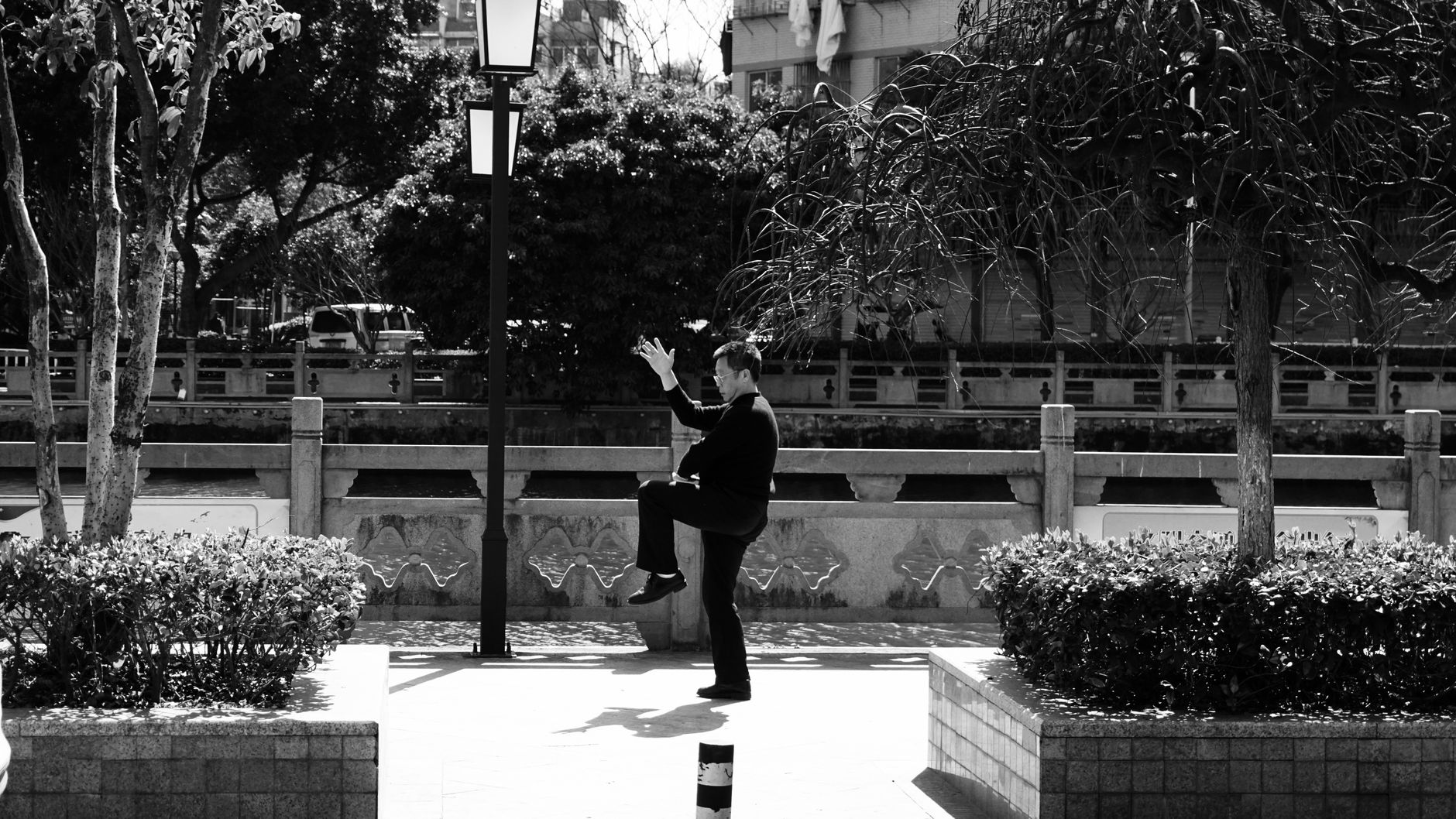
Chair Tai Chi for Seniors
Not everyone can stand for extended periods, and that shouldn't prevent anyone from experiencing the benefits of Tai Chi. Whether due to arthritis, balance issues, recovering from surgery, wheelchair use, or other health concerns, many seniors find standing exercises challenging or unsafe.
The good news? You don't need to stand to benefit from Tai Chi. Chair Tai Chi offers many of the same benefits—improved balance, reduced stress, enhanced flexibility, and greater well-being—all from the comfort and safety of a chair.
According to research published in medical journals, seated Tai Chi can improve balance control, reduce fall risk, and enhance quality of life for seniors with mobility limitations. The principles of Tai Chi—slow movement, deep breathing, mindfulness—apply equally well to seated practice.
No Equipment Needed
All you need is a sturdy chair with a backrest. No special equipment, expensive gear, or gym membership required. You can practice anywhere—at home, in a senior center, even outdoors on a sturdy bench.
Benefits of Chair Tai Chi
1. Improves Balance Control
Even seated, Tai Chi movements train your balance system through weight shifting and focused attention. This improves body awareness and stability, which can help prevent falls even when you're not exercising.
2. Increases Flexibility
Gentle stretching movements help maintain joint flexibility without strain or discomfort. Regular practice keeps muscles and joints mobile, reducing stiffness and improving comfort in daily life.
3. Reduces Stress and Anxiety
The meditative nature of Tai Chi activates your body's relaxation response, reducing stress hormones and promoting calm. Many seniors find chair Tai Chi more relaxing than traditional meditation.
4. Enhances Circulation
Slow, deliberate movements improve blood flow throughout your body. Better circulation supports healing, reduces swelling, and improves overall health.
5. Boosts Mood and Emotional Well-being
The combination of gentle movement and mindfulness can significantly improve mood. Many practitioners report reduced depression and anxiety, and greater overall happiness.
6. Supports Independence
Chair Tai Chi allows seniors with mobility limitations to stay active and maintain strength, supporting continued independence and quality of life.
7. Improves Focus and Concentration
The mindfulness aspect of Tai Chi trains attention and concentration. Regular practice may help maintain cognitive function as you age.
8. Safe and Accessible
Chair Tai Chi eliminates fall risk entirely since you're seated throughout. It's accessible to virtually everyone, including wheelchair users and those recovering from surgery.
Getting Started with Chair Tai Chi
1. Choose the Right Chair
- Use a sturdy chair with a firm backrest
- Avoid chairs with wheels or casters
- Position the chair on a non-slip surface
- Ensure the seat height allows feet to rest flat
- Armless chairs allow better movement range
- Position chair in a comfortable, quiet space
2. Sit Comfortably
- Sit with your feet flat on the floor (or supported if needed)
- Keep your back straight but relaxed, not rigid
- Rest your hands comfortably on your lap
- Position yourself so you can move freely
- Leave space around you for arm movements
3. Breathe Deeply
- Take a few deep breaths before starting
- Inhale through your nose, exhale through your mouth
- Keep breathing steady throughout practice
- Coordinate breathing with movements when possible
- Deep breathing enhances the meditative effect
4. Prepare Your Mind
- Set aside distractions and worries
- Focus on being present in this moment
- Approach practice with curiosity, not expectation
- Remember: progress over perfection
Chair Tai Chi Movements
1. Seated Opening (1 minute)
Begin each session with this centering exercise:
- Sit with feet flat, hands resting on lap
- Close your eyes if comfortable
- Take three deep, slow breaths
- Relax your shoulders and neck completely
- Release any tension in your body
- Smile gently—it's part of the practice
- Feel yourself settling into the chair
2. Raising and Lowering Arms (2-3 minutes)
This fundamental movement coordinates breath with motion:
- Start with hands relaxed on lap
- Slowly raise your arms in front of you to shoulder height
- Inhale as you raise, feeling the expansion
- Hold briefly at the top
- Slowly lower your arms back to your lap
- Exhale as you lower, releasing tension
- Repeat 8-10 times
- Imagine lifting light balloons—no effort required
Key points:
- Keep movements smooth and continuous
- Never strain or force
- Move within your comfortable range
- Coordinate breath with movement
3. Shoulder Rolls (2 minutes)
This releases tension and improves mobility:
- Slowly roll your shoulders forward in a circular motion
- Make 5-8 circles forward smoothly
- Then roll backward 5-8 circles
- Keep movements slow and relaxed
- Let tension release with each roll
- Breathe naturally throughout
4. Neck Stretch (Gentle) (2 minutes)
This relieves neck tension and improves mobility:
- Slowly turn your head to the right
- Hold for 2-3 seconds, breathing steadily
- Turn back to center gently
- Repeat on the left side
- Do 5-8 stretches on each side
- Never force or push beyond comfort
- Keep movements small and gentle
5. Seated Weight Shifting (2-3 minutes)
This trains balance even while seated:
- Sit with feet flat on the floor
- Slowly shift your weight to your right side
- Feel your right hip press into the chair
- Keep your left side light
- Hold for 2-3 seconds
- Shift back to center
- Repeat on the left side
- Do 10-15 shifts on each side
- Focus on feeling the weight transfer
Key points:
- Even seated, this trains body awareness
- Notice how your body responds to weight changes
- Keep movements slow and controlled
- This prepares you for standing balance
6. Hand Wave (Cloud Hands Modified) (2-3 minutes)
This flowing movement improves coordination:
- Raise your arms to chest height, palms facing each other
- Slowly move your right hand up and left hand down
- Continue in a circular wave motion
- Alternate hands smoothly
- Keep movements soft and flowing
- Imagine hands moving through water or clouds
- Continue for 1-2 minutes
- Breathe naturally throughout
7. Seated Leg Lift (2-3 minutes)
This builds leg strength while seated:
- Hold onto the chair for support if needed
- Slowly lift your right foot off the ground
- Keep your knee slightly bent
- Hold for 2-3 seconds
- Lower slowly with control
- Repeat with your left foot
- Do 10-15 lifts on each side
- Gradually increase height as you strengthen
Key points:
- Keep movements controlled, not jerky
- Focus on feeling the muscles work
- Use chair support if needed
- Stop if you feel hip or knee discomfort
8. Seated Torso Twist (2-3 minutes)
This improves spine mobility:
- Sit tall with hands on thighs
- Slowly twist your torso to the right
- Keep hips relatively still
- Hold for 2-3 seconds
- Return to center
- Twist to the left
- Do 8-10 twists each direction
- Breathe throughout
9. Seated Closing (1 minute)
End each session with this centering exercise:
- Return to the seated opening position
- Close your eyes and take three deep breaths
- Acknowledge your effort and practice
- Feel gratitude for taking this time
- Smile gently
- Relax completely
Practice Tips
Get the most out of your chair Tai Chi practice:
A Sample 10-Minute Chair Tai Chi Routine
Minute 1-2: Warm Up
- Seated opening with deep breathing
- Gentle shoulder rolls
- Neck stretches (very gentle)
Minute 3-5: Arm Movements
- Raising and lowering arms (8-10 times)
- Hand wave (cloud hands) (1-2 minutes)
Minute 6-8: Body Movements
- Seated weight shifting (10-15 times)
- Seated torso twists (8-10 times)
- Seated leg lifts (10-15 times)
Minute 9-10: Cool Down
- Neck stretches
- Seated closing
- Deep breathing for relaxation
Tips for Success
1. Go at Your Own Pace
There's no rush in Tai Chi. Move at whatever speed feels comfortable and relaxing. Slower is actually better.
2. Breathe Consistently
Coordinating breath with movement enhances the meditative effect. Don't hold your breath during movements.
3. Use Support
Hold onto the chair whenever you need extra stability or confidence. Using support is smart, not weak.
4. Focus on Quality
Do fewer movements with better form rather than rushing through many repetitions. Quality matters more than quantity.
5. Practice Regularly
Even 5-10 minutes daily provides significant benefits. Consistency matters far more than duration.
6. Listen to Your Body
Stop if you feel sharp pain. Tai Chi should be relaxing and comfortable, not painful. Muscle fatigue is normal; joint pain is not.
7. Be Patient with Progress
Improvement happens gradually over weeks and months. Don't expect dramatic changes immediately. Trust the process.
8. Make It Enjoyable
Play soft music, practice in a comfortable space, do it at a time you enjoy. Tai Chi should feel good.
Who Can Benefit from Chair Tai Chi?
Chair Tai Chi is ideal for:
- Seniors with balance issues or fall risk
- Those with arthritis or chronic joint pain
- People recovering from surgery
- Seniors with limited mobility or stamina
- Wheelchair users
- Anyone who prefers seated exercise
- Those with chronic conditions that limit standing
- Beginners who want to start safely
FAQ: Chair Tai Chi
Q: Is chair Tai Chi as effective as standing Tai Chi? A: Chair Tai Chi provides many of the same core benefits—improved balance awareness, reduced stress, and increased flexibility. Standing Tai Chi offers additional weight-bearing benefits, but seated practice is highly effective for its intended purposes.
Q: Can I do chair Tai Chi if I use a wheelchair? A: Yes! Many movements can be adapted for wheelchair users. Arm movements, breathing exercises, and mindful practice work perfectly. Some leg movements may need modification based on your specific situation.
Q: How often should I practice? A: Aim for at least 3-5 times per week. Even short daily sessions of 5-10 minutes are beneficial. Regular practice is more important than long sessions.
Q: Do I need special equipment? A: No! All you need is a sturdy chair. No special clothing, equipment, or gear required.
Q: Can chair Tai Chi help with balance? A: Yes! Chair Tai Chi improves body awareness and balance control. While you're seated during practice, the improved awareness helps prevent falls during daily activities.
Q: Are there any risks? A: Chair Tai Chi is very low-risk. The seated position eliminates fall risk. However, if you have specific health concerns, check with your doctor before starting.
Q: Can I practice if I have severe arthritis? A: Yes! Chair Tai Chi is gentle enough for most people with arthritis. Move within your comfortable range and avoid any movements that cause sharp pain. Many find it helps manage arthritis symptoms.
Q: How long until I notice benefits? A: Many people feel more relaxed immediately. Physical benefits like improved flexibility and balance awareness typically develop over 4-6 weeks of regular practice.
Q: Can I combine chair Tai Chi with other exercises? A: Absolutely! Chair Tai Chi complements other exercise routines well. It's particularly good as a warm-up or cool-down for other activities.
Related Articles
- Tai Chi for Seniors - Comprehensive guide to Tai Chi benefits
- Tai Chi for Beginners Over 70 - Gentle movements for seniors over 70
- Best Tai Chi Movements for Balance - Balance-focused Tai Chi movements
- Tai Chi for Fall Prevention - How Tai Chi reduces fall risk
- 10 Minute Daily Tai Chi Routine - Quick standing Tai Chi routine
- Chair Exercises for Elderly - General seated exercises beyond Tai Chi
- Senior Chair Exercises for Beginners - Beginner-friendly seated workouts
- Low-Impact Exercises for Seniors - Gentle exercise alternatives
References
- National Institute on Aging: Tai Chi - Government resource on Tai Chi benefits
- American Heart Association: Tai Chi Benefits - Cardiovascular benefits of Tai Chi
- Mayo Clinic: Tai Chi - Medical perspective on Tai Chi
- Journal of the American Geriatrics Society - Research on Tai Chi effectiveness
- CDC: Physical Activity for Seniors - Guidelines for senior fitness