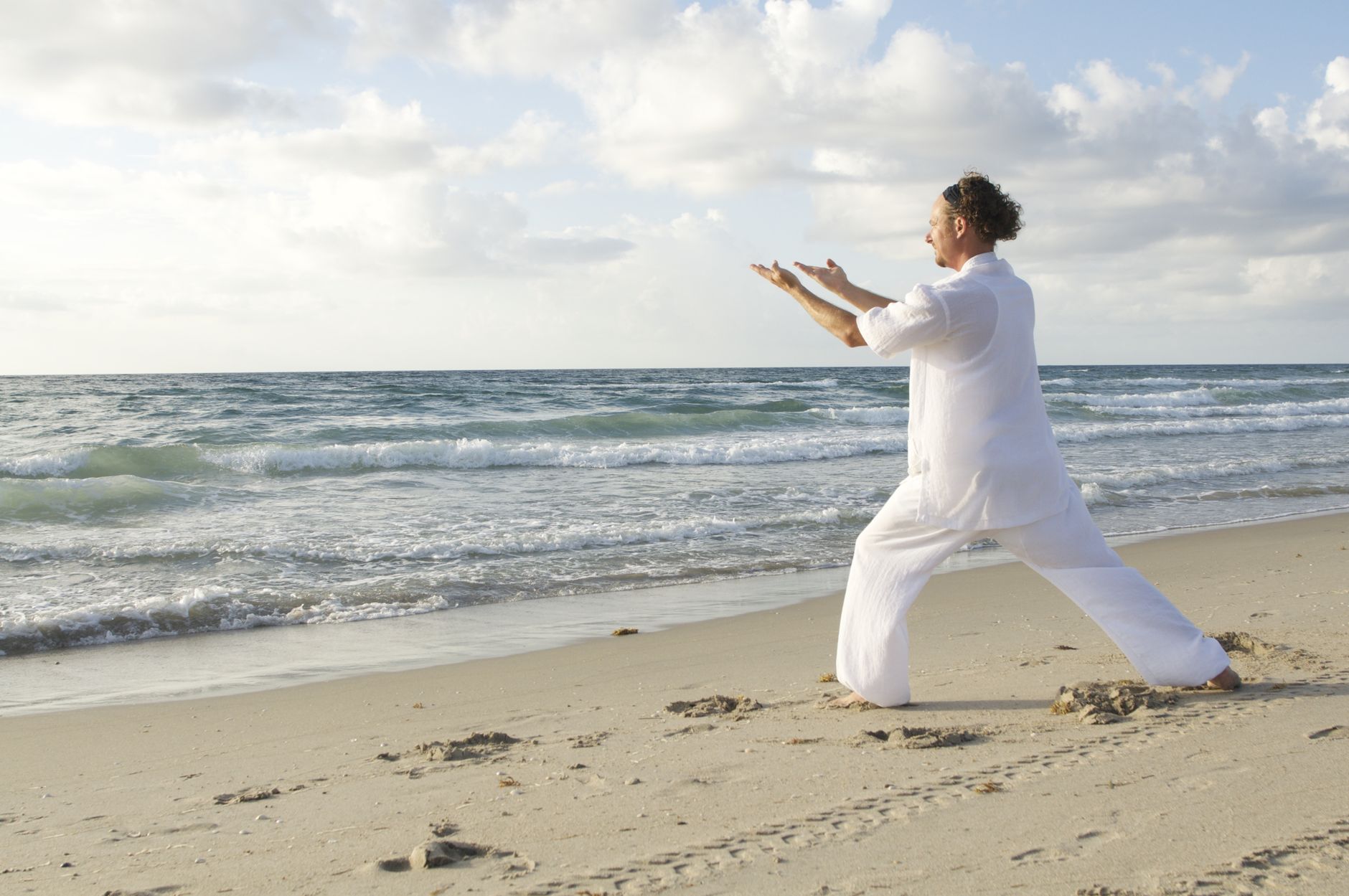
10 Minute Daily Tai Chi Routine
Many seniors think they don't have time for Tai Chi. But you don't need hours—just 10 minutes a day can make a significant difference in your overall health and well-being. According to research from the National Institute on Aging, regular Tai Chi practice can improve balance, reduce fall risk, and enhance quality of life, even when practiced for just 10 minutes daily.
This routine is designed to be quick, effective, and easy to remember. It includes all the essential Tai Chi elements: warm-up, balance training, gentle stretching, and cool-down. The movements flow naturally from one to another, creating a seamless practice that feels like meditation in motion.
Make It a Habit
The key to success is consistency. Try to practice at the same time every day—morning is ideal for starting your day with calm. Many seniors find that linking Tai Chi to an existing habit, like after morning coffee or before breakfast, makes it easier to maintain the practice.
Before You Begin
1. Create Your Space
- Clear an area about 6 feet by 6 feet
- Use a non-slip surface (carpet or mat)
- Have a chair nearby for support if needed
- Ensure good lighting so you can see your surroundings
- Remove any tripping hazards from the area
2. Wear Comfortable Clothes
- Loose, breathable clothing that allows movement
- Flat shoes or socks with good grip
- Avoid restrictive belts or tight sleeves
- Dress in layers if practicing outdoors
3. Breathe
- Take a few deep breaths before starting
- Inhale through your nose, exhale through your mouth
- Keep breathing steady throughout the practice
- Coordinate breath with movement whenever possible
4. Prepare Your Mind
- Set aside distractions and worries
- Focus on being present in this moment
- Approach the practice with curiosity, not expectation
- Remember that Tai Chi is about the journey, not perfection
The 10-Minute Routine
Minute 1-2: Warm Up & Centering
1. Opening Stance
- Stand with feet shoulder-width apart
- Knees slightly bent, never locked
- Arms relaxed at your sides
- Take 3 deep breaths
- Relax your shoulders and let tension release
- Feel your weight settling into your feet
2. Gentle Neck Rolls
- Slowly roll your neck forward, then to the right, back, and left
- Do 2 circles in each direction
- Keep movements slow and gentle
- Never force the range of motion
- Let your head feel heavy and relaxed
3. Shoulder Shrugs
- Slowly raise your shoulders up toward your ears
- Hold for 1 second, feeling the tension
- Lower slowly with control
- Repeat 5 times
- Notice how tension releases from your upper body
Minute 3-5: Balance & Weight Shifting
4. Basic Weight Shifting This fundamental movement trains your balance system and builds leg strength.
- Start with feet shoulder-width apart
- Slowly shift weight to your right foot
- Keep left foot lightly touching the ground
- Hold for 2 seconds, feeling the weight transfer
- Shift back to center with control
- Repeat on the left side
- Do 5 shifts on each side
- Focus on keeping your upper body relaxed
5. Raising & Lowering Arms This movement coordinates breath with motion and opens your chest.
- Raise your arms in front of you to shoulder height
- Inhale as you raise, expanding your chest
- Lower slowly back to your sides
- Exhale as you lower, releasing tension
- Repeat 5 times
- Imagine lifting a light balloon—no effort required
6. Wave Hands This flowing movement improves coordination and promotes relaxation.
- Raise arms to chest height, palms facing down
- Move right arm forward as left arm moves back
- Shift weight slightly as arms move
- Continue the wave motion for 1 minute
- Keep movements smooth like water flowing
- Let your arms feel weightless and relaxed
Minute 6-8: Gentle Stretching
7. Side Stretch This stretch releases tension along your sides and improves flexibility.
- Raise your right arm overhead
- Slowly lean to your left, keeping hips centered
- Keep your left arm relaxed at your side
- Hold for 3 seconds, breathing steadily
- Return to center with control
- Repeat on the right side
- Do 3 stretches on each side
- Move only within your comfortable range
8. Forward Fold (Modified) This gentle forward bend releases tension in your back and hamstrings.
- Stand with feet shoulder-width apart
- Slowly bend forward at the hips
- Keep knees bent throughout
- Let your arms hang down naturally
- Hold for 3 seconds, breathing deeply
- Return to standing slowly, rolling up through your spine
- Repeat 3 times
- Use a chair for support if needed
9. Single Leg Balance (Modified) This movement specifically trains balance and builds confidence.
- Hold onto a chair for support
- Lift your right foot slightly off the ground
- Hold for 2 seconds, feeling the stability
- Lower slowly with control
- Repeat on the left side
- Do 5 lifts on each side
- Gradually reduce chair support as you improve
Minute 9-10: Cool Down & Closing
10. Deep Breathing This final breathing exercise integrates the benefits of your practice.
- Return to opening stance
- Close your eyes if comfortable
- Take 5 deep breaths
- Inhale for 4 counts, filling your abdomen
- Exhale for 6 counts, releasing completely
- Notice how your body feels after the practice
11. Gentle Sway This final movement helps integrate the practice and promotes relaxation.
- Stand with feet shoulder-width apart
- Gently sway from side to side
- Like a willow tree in the wind
- Do this for 30 seconds
- Let your whole body feel soft and relaxed
- No effort—just gentle movement
12. Closing This final moment acknowledges your effort and completes the practice.
- Stand still with arms at your sides
- Take 1 final deep breath
- Smile and acknowledge your effort
- Thank yourself for taking this time
- Notice how you feel compared to when you started
Tips for Success
Make the most of your 10 minutes:
Benefits of This Routine
Physical Benefits
- Improved balance and stability: Regular practice trains your body to maintain equilibrium
- Increased flexibility: Gentle stretches maintain range of motion in joints
- Better posture: Standing tall throughout the practice improves alignment
- Reduced muscle tension: Slow movements release chronic tightness
- Enhanced circulation: Gentle movement promotes blood flow throughout the body
Mental Benefits
- Reduced stress and anxiety: The meditative nature of Tai Chi activates relaxation response
- Improved focus and concentration: Mindful movement trains attention
- Greater sense of calm: The slow, flowing movements promote peace of mind
- Better sleep quality: Regular practice can improve sleep patterns
- Enhanced mood: Movement combined with mindfulness boosts emotional well-being
Research published in the Journal of the American Geriatrics Society suggests that regular Tai Chi practice, even for short durations, can significantly reduce fall risk in older adults. Many seniors report feeling more confident and steady after just a few weeks of consistent practice.
Customizing the Routine
If You're Short on Time
- Skip the forward fold and side stretch
- Focus on weight shifting and wave hands
- Do a 5-minute version instead
- Remember: even 5 minutes daily provides benefits
If You Have More Time
- Repeat each movement 2-3 times
- Add 2-3 minutes of deep breathing at the end
- Practice the routine twice a day
- Explore additional Tai Chi movements
If You Need to Sit
- Do the routine in a chair
- Focus on arm movements and seated weight shifting
- Practice seated leg extensions
- All movements can be adapted for seated practice
Many seniors with limited mobility find that Chair Tai Chi for Seniors offers similar benefits. If standing is challenging, don't hesitate to modify the routine to suit your needs.
Common Mistakes to Avoid
Mistake 1: Rushing
Solution: Slow down! The slowness is what makes Tai Chi effective. Moving too quickly defeats the purpose of the practice.
Mistake 2: Holding Your Breath
Solution: Keep breathing steady throughout. Coordinate breath with movement—inhale during expansion, exhale during contraction.
Mistake 3: Stiffening Up
Solution: Relax your shoulders and arms. Tai Chi should feel fluid, not rigid. Think of your body as soft and flexible like water.
Mistake 4: Trying Too Hard
Solution: Tai Chi should be relaxing, not strenuous. Let movements happen naturally without forcing or straining.
Mistake 5: Forgetting to Smile
Solution: A gentle smile helps relax your facial muscles and improves your mood. It's actually part of traditional Tai Chi practice!
Mistake 6: Comparing Yourself to Others
Solution: Focus on your own practice and progress. Tai Chi is about personal development, not competition.
FAQ: 10-Minute Tai Chi Routine
Q: Is 10 minutes enough to benefit from Tai Chi? A: Yes! Research confirms that consistency matters more than duration. 10 minutes daily provides significant benefits for balance, stress reduction, and overall well-being.
Q: How often should I practice? A: Aim for daily practice, at least 5-6 days per week. Regular, short sessions are more beneficial than occasional long ones.
Q: Can I practice this routine if I have balance issues? A: Yes! Use a chair for support as needed. Many seniors start with support and gradually reduce it as balance improves.
Q: What if I miss a day? A: Don't worry—just get back to it the next day. Progress is more important than perfection. Missing one day doesn't undo your progress.
Q: Can I practice this routine at night? A: Yes! This routine is calming and can help you relax before bed. Many seniors find evening practice improves sleep quality.
Q: Do I need to learn formal Tai Chi forms? A: No! This routine provides all the essential benefits without learning complex forms. You can progress to formal forms later if desired.
Q: How long until I see results? A: Many seniors notice improved balance and reduced stress within 2-4 weeks of regular practice. Long-term benefits continue to accumulate over months.
Related Articles
- Tai Chi for Seniors - Comprehensive guide to Tai Chi benefits
- Tai Chi for Beginners Over 70 - Gentle movements specifically for seniors over 70
- Best Tai Chi Movements for Balance - Targeted balance training exercises
- Tai Chi for Fall Prevention - Reduce fall risk with Tai Chi
- Chair Tai Chi for Seniors - Seated Tai Chi for limited mobility
- Balance Exercises for Seniors - Additional balance training options
- Low-Impact Exercises for Seniors - Gentle exercise alternatives
- Morning Exercises for Seniors - Daily morning movement routines
References
- National Institute on Aging: Tai Chi - Government resource on Tai Chi benefits for seniors
- Mayo Clinic: Tai Chi Benefits - Medical perspective on Tai Chi
- American Heart Association: Tai Chi - Cardiovascular benefits of Tai Chi
- Journal of the American Geriatrics Society: Tai Chi and Falls - Research on fall prevention
- CDC: Physical Activity for Seniors - Guidelines for senior fitness