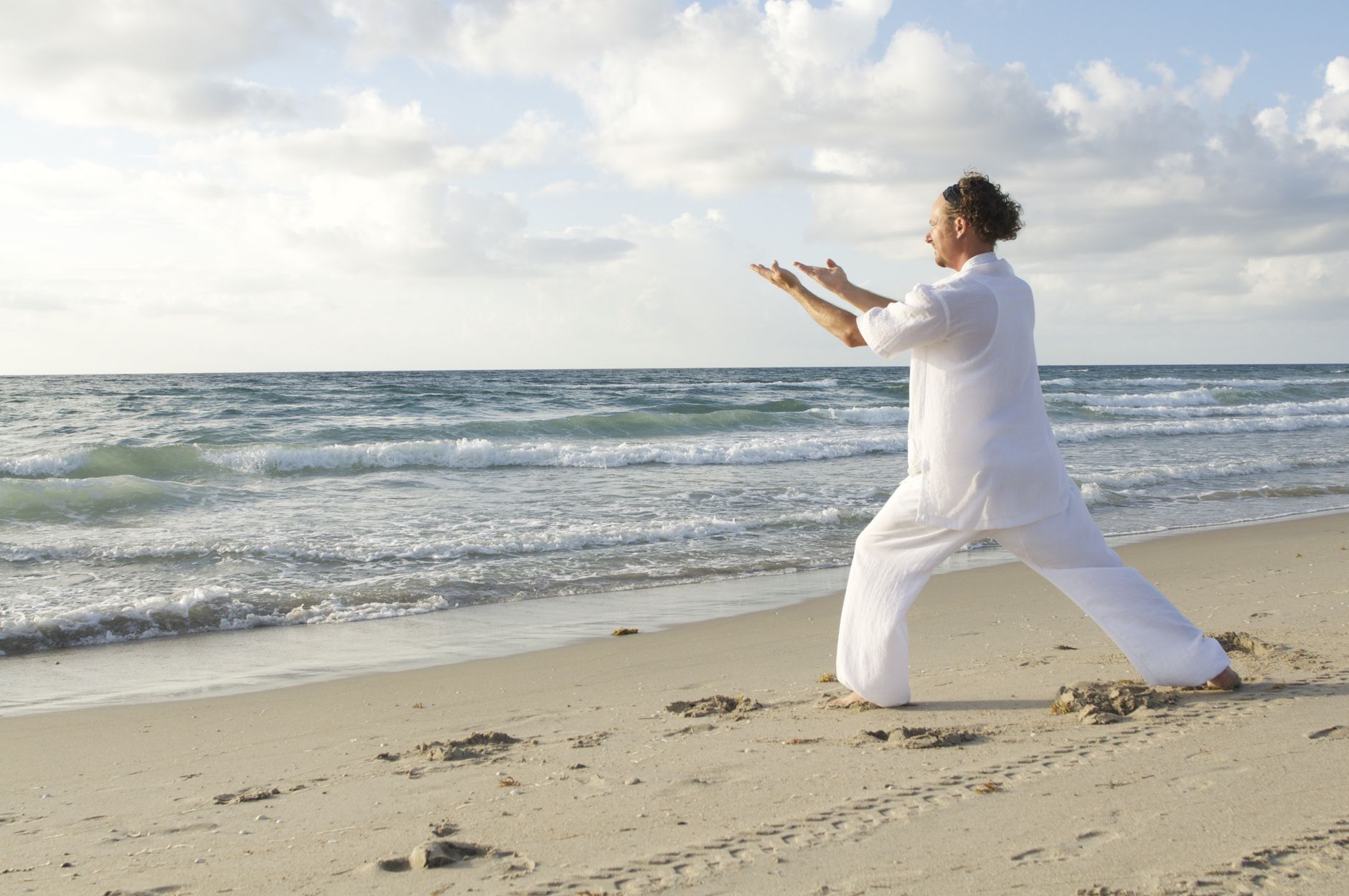
Tai Chi for Beginners Over 70
Many people over 70 believe they're too old, too stiff, or too limited to try Tai Chi. This couldn't be further from the truth. According to the National Institute on Aging, Tai Chi is one of the most suitable exercises for older adults, offering benefits even for those in their 70s, 80s, and beyond.
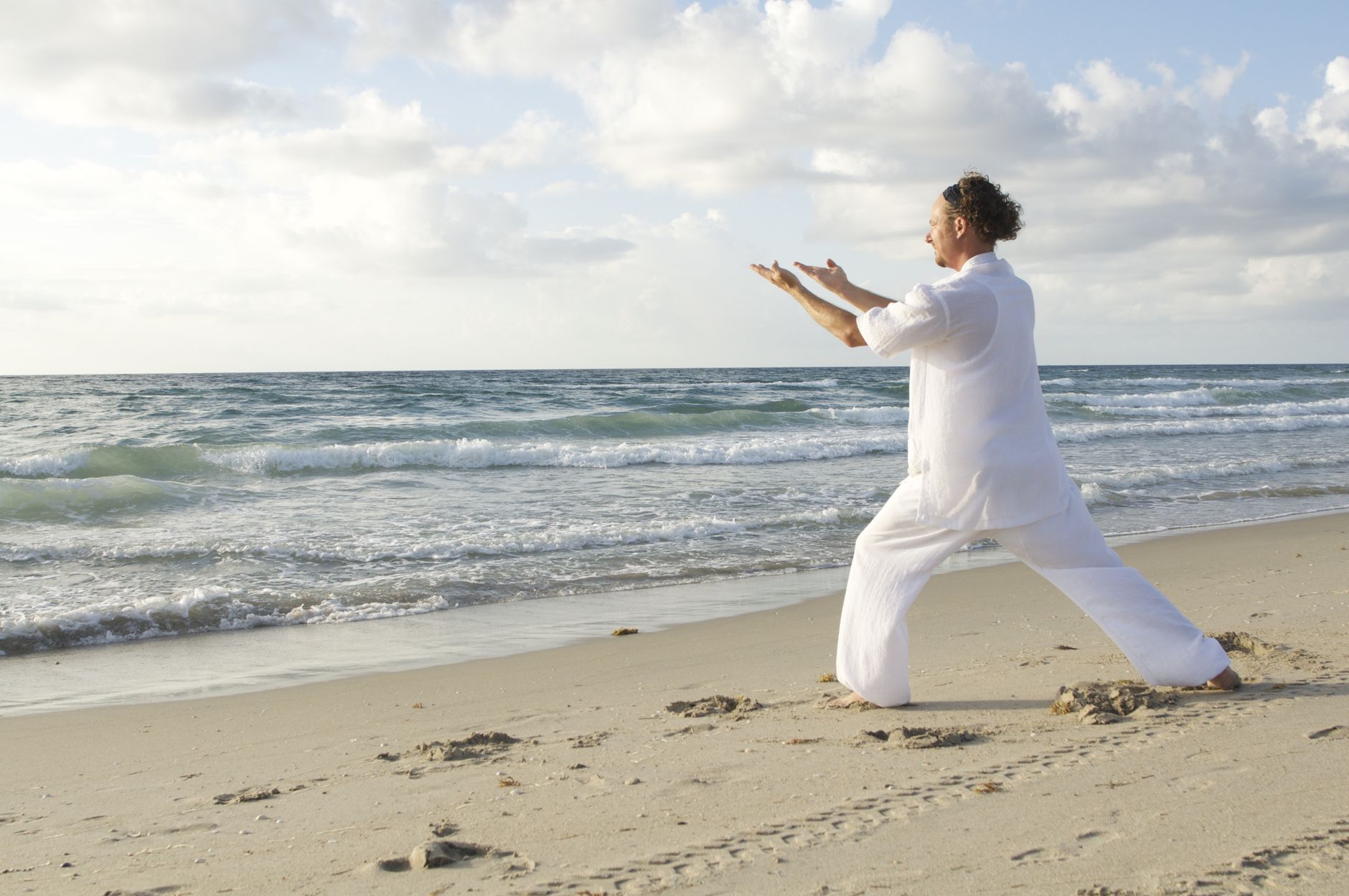
Tai Chi is an ancient Chinese practice combining slow, gentle movements with deep breathing and mindfulness. Often called "meditation in motion," it provides a calming effect on both mind and body while simultaneously building physical strength and balance.
Research published in the Journal of the American Geriatrics Society demonstrates that Tai Chi can reduce fall risk by up to 40% in seniors, improve balance, enhance flexibility, and boost overall well-being—even for those starting practice in their later years.
Start Today
You don't need flexibility, athletic ability, or youth to practice Tai Chi. All you need is willingness to move slowly and breathe deeply. Age is not a barrier to Tai Chi's benefits.
Why Tai Chi Is Perfect for Seniors Over 70
Physical Benefits for Older Adults:
1. Low-Impact and Joint-Friendly The slow, flowing movements don't stress joints like running or even brisk walking can. Tai Chi's gentle approach makes it ideal for seniors with arthritis, joint pain, osteoporosis, or limited mobility. Movements can be modified to accommodate physical limitations.
2. Dramatically Improves Balance Tai Chi directly trains balance through weighted shifting, single-leg stands, and coordinated movements. Research from Harvard Medical School shows that regular Tai Chi practice significantly improves balance in seniors over 70, directly reducing fall risk.
3. Builds Functional Strength While appearing gentle, Tai Chi builds leg and core strength through sustained, controlled movements. This strength helps with daily activities like standing from chairs, walking, and climbing stairs.
4. Increases Flexibility Regular practice improves flexibility in shoulders, hips, and spine. This enhanced flexibility makes everyday movements easier and reduces stiffness common in aging bodies.
5. Enhances Cardiovascular Health Tai Chi provides gentle cardiovascular benefits through sustained movement, helping maintain heart health without the stress of more intense exercise.
👉 Combine Tai Chi with low-impact exercises for comprehensive fitness
Mental and Emotional Benefits:
6. Reduces Stress and Anxiety The meditative nature of Tai Chi activates the body's relaxation response. Many seniors find Tai Chi more calming than simply sitting still, as it combines physical movement with mental focus.
7. Enhances Cognitive Function Learning and remembering Tai Chi sequences engages the brain, potentially helping maintain cognitive function. Studies suggest Tai Chi may help with memory and mental clarity.
8. Improves Sleep Quality Regular Tai Chi practice has been shown to improve sleep in older adults, helping with both falling asleep and sleep quality throughout the night.
9. Boosts Mood The combination of gentle movement, social interaction (in classes), and mindfulness creates positive mood effects, potentially reducing depression symptoms.
10. Requires No Equipment or Special Space Tai Chi requires no special equipment, gym membership, or expensive gear. Just comfortable clothes and modest space to move—about the size of a bathroom.
Getting Started: What You Need
Finding Proper Instruction:
- Senior centers: Many offer Tai Chi classes specifically for older adults
- Community parks: Free community Tai Chi sessions are common
- Online videos: YouTube and other platforms offer senior-specific Tai Chi instruction
- Senior living communities: Many include Tai Chi in wellness programs
- Local hospitals: Some offer Tai Chi as part of rehabilitation or wellness programs
👉 Try our balance exercises guide alongside Tai Chi
What to Wear:
- Loose, comfortable clothing that allows free movement
- Flat shoes with non-slip soles or bare feet on non-slip surface
- Avoid restrictive, tight, or heavy clothing
- Dress in layers if practicing outdoors
Creating Your Practice Space:
- You need only about 6 feet of clear space (roughly 2 meters)
- A quiet area is ideal but not required—many practice in living rooms
- Non-slip flooring is important for safety
- Have a sturdy chair nearby for support if needed
- Good lighting helps you see movements clearly
Before Your First Session:
- Consult your doctor if you have significant balance issues, heart conditions, or mobility limitations
- Start slowly - initial sessions should be just 10-15 minutes
- Use support - don't hesitate to hold a chair or wall initially
- Stay hydrated - have water available
- Practice on flat surface - avoid uneven ground initially
Basic Tai Chi Movements for Beginners Over 70
These fundamental movements are perfect for seniors starting Tai Chi, regardless of age or fitness level:
1. The Opening Stance (Wu Ji)
Instructions:
- Stand with feet shoulder-width apart
- Allow knees to bend slightly (never locked)
- Distribute weight evenly between both feet
- Relax shoulders down and away from ears
- Arms hang naturally at sides, relaxed
- Tuck chin slightly, looking forward
- Breathe naturally and deeply from abdomen
Hold this stance for 1-2 minutes to center yourself. This is your starting and ending position for all Tai Chi practice.
Benefits: Establishes proper posture, centers the mind, builds basic standing awareness, strengthens legs gently.
Modification: If standing is difficult, sit in a chair with good posture, feet flat on floor.
2. Raising and Lowering Arms (Qi Gong Breathing)
Instructions:
- Begin in opening stance
- Slowly raise arms in front of you to shoulder height
- Imagine lifting a large, gentle balloon—effort should feel minimal
- Palms face downward initially, then may turn upward at top
- Breathe in smoothly as arms rise
- Pause briefly at shoulder height
- Slowly lower arms with control back to sides
- Breathe out smoothly as arms lower
- Repeat 5-10 times
Benefits: Opens chest, improves shoulder mobility, coordinates breath with movement, begins Tai Chi energy flow, relaxes upper body.
Modification: Raise arms only to waist height if shoulder height is uncomfortable. Sit in chair if standing is difficult.
3. Weight Shifting (Rooting Practice)
Instructions:
- Stand in opening stance
- Slowly shift weight to right leg
- Feel right foot pressing into ground (rooting)
- Left leg becomes lighter, may slightly lift heel
- Keep upper body relaxed and centered
- Let hips lead the weight transfer
- Shift weight slowly to left leg
- Feel left foot rooting into ground
- Continue shifting back and forth 10-15 times
- Start with small shifts, gradually increase range
Benefits: Builds leg strength, trains balance, develops root (stable connection to ground), essential foundation for all Tai Chi movements.
Modification: Hold onto chair back while learning weight shifting. Keep heel of lighter foot on ground if lifting feels unstable.
👉 For more leg exercises, see strength training for seniors
4. Wave Hands Like Clouds (Yun Shou)
Instructions:
- Stand with feet slightly wider than shoulder-width
- Shift weight to left leg
- Right hand rises near right ear in circular motion
- Left hand moves downward toward left hip
- Hands move in opposite directions like clouds drifting
- Shift weight to right leg
- Right hand moves down as left hand rises
- Continue flowing side to side
- Keep movements slow, continuous, circular
- Eyes follow the moving hand gently
- Practice for 2-3 minutes
Benefits: Improves coordination, trains lateral balance, relaxes upper body, teaches continuous movement flow, gentle upper body exercise.
Modification: Reduce arm range of motion if shoulders are limited. Practice seated by shifting weight in chair and moving arms.
5. Single Leg Balance Practice (Modified)
Instructions:
- Stand behind sturdy chair, holding backrest lightly
- Slowly shift weight to standing leg
- Lift other foot slightly off ground (only 1-2 inches initially)
- Maintain balance for 5-10 seconds
- Keep posture upright, don't lean heavily on chair
- Lower foot with control
- Switch to other leg
- Practice 3-5 times each leg
- Gradually reduce chair support as balance improves
- Progress to lifting foot higher when stable
Benefits: Directly trains balance, builds standing leg strength, improves proprioception (body awareness), essential for fall prevention.
Modification: Keep toe of lifted foot touching floor for added stability. Use walker initially if needed.
Progress Tip
Start with all movements using support (chair, wall, or walker). As confidence and ability grow, gradually reduce support. This progressive approach builds true balance rather than dependency.
A Sample 10-Minute Tai Chi Routine for Beginners Over 70
This gentle routine provides complete Tai Chi practice suitable for seniors over 70:
Minute 1-2: Preparation and Warm-Up
- Stand (or sit) in opening stance
- Take 5-10 deep, slow breaths
- Relax shoulders consciously
- Gentle neck movements: look right, left, up, down
- Shake out hands gently
- Focus mind on present moment
Minute 3-4: Arm Breathing Exercises
- Practice raising and lowering arms
- Coordinate breath with movement
- 5-10 repetitions
- Move at your own comfortable pace
- Feel expansion in chest on inhale
Minute 5-7: Weight Shifting Practice
- Shift weight from leg to leg
- Keep movements extremely slow
- Focus on rooting through feet
- Use chair for support if needed
- 10-15 shifts total
- Feel strength building in legs
Minute 8-9: Wave Hands Movement
- Practice cloud hands movement
- Flow side to side
- Keep upper body relaxed
- Let movement feel natural
- 1-2 minutes of flowing practice
Minute 10: Closing and Breath
- Return to opening stance
- Take 5-10 deep, calming breaths
- Relax entire body consciously
- Smile gently (traditional Tai Chi closing)
- Acknowledge your practice effort
👉 After Tai Chi, complete with stretching exercises
Tips for Success Over 70
Practice Principles:
1. Embrace Slowness The deliberate slowness of Tai Chi is intentional, not a limitation. Slow movement builds strength, coordination, and mindfulness. Going slower actually increases benefits for seniors.
2. Breathe Deeply and Naturally Coordinate breathing with movement—inhale during expansive movements, exhale during contracting movements. Deep breathing enhances oxygen flow and promotes relaxation.
3. Use Support Freely Hold onto chair, wall, or walker without hesitation. Support isn't weakness—it's wisdom. Use support initially, gradually reducing as ability improves.
4. Be Patient with Progress Tai Chi skills develop gradually over weeks and months. Focus on progress, not perfection. Every session, no matter how short, provides benefit.
5. Practice Regularly Consistency matters more than duration. Even 10-15 minutes daily provides substantial benefits. Irregular longer sessions are less effective than consistent short practice.
6. Listen to Your Body Stop immediately if pain occurs. Tai Chi should feel relaxing and comfortable. Modify movements to accommodate your body's needs and limitations.
7. Modify Freely Adapt every movement to your capabilities. Smaller movements, seated versions, or supported practice all provide benefits. The goal is comfortable, safe practice.
Common Concerns for Seniors Over 70
"I'm not flexible enough"
Tai Chi doesn't require existing flexibility. You move within your comfortable range. Flexibility improves with practice, but is never a prerequisite. Many seniors over 70 practice Tai Chi with limited flexibility and still gain significant benefits.
"I can't remember sequences"
Start with simple, single movements. Most beginner classes teach one movement at a time, building gradually. Even practicing 2-3 basic movements regularly provides benefits. Memory for sequences improves over time with repetition.
"I'm afraid of falling while practicing"
Ironically, Tai Chi helps prevent the falls you're afraid of. Use chair support, practice on stable surface, and start seated if standing feels unsafe. Balance improves gradually with safe practice.
"The movements look too slow and easy"
The apparent simplicity and slowness create Tai Chi's effectiveness. Slow, controlled movement builds real strength, improves coordination, and develops the meditative quality that reduces stress.
"I have arthritis/joint pain"
Tai Chi's gentle movements are excellent for arthritis. The fluid motion lubricates joints, and movements can be modified to avoid pain. Apply heat before practice and move within comfort range. See our exercises for arthritis guide for modifications.
"I use a cane/walker"
Tai Chi can be practiced with assistive devices. Many seniors use canes or walkers during practice. Instructors can adapt movements for those with mobility aids. Some practice seated Tai Chi initially.
Progress Expectations
Short-Term (Weeks 1-4):
- Improved relaxation and stress reduction
- Better posture awareness
- Initial familiarity with basic movements
- Possible slight balance improvement
Medium-Term (Weeks 4-12):
- Noticeable balance improvement
- Better sleep quality
- Reduced joint stiffness
- More confidence in movement
- Familiarity with routine
Long-Term (Months 3-6):
- Significant balance improvement
- Reduced fall risk
- Improved flexibility
- Better leg strength
- Enhanced overall well-being
- Tai Chi becoming natural habit
Related Articles
Expand your practice with these guides:
- Tai Chi for Fall Prevention - Comprehensive fall prevention approach
- Tai Chi for Elderly Beginners - Additional beginner movements
- Balance Exercises for Seniors - Complementary balance training
- Low-Impact Exercises for Seniors - Gentle workout options
- Chair Exercises for Beginners - Seated exercise alternatives
- Stretching Exercises for Seniors - Flexibility for recovery
Frequently Asked Questions
Q: Is Tai Chi safe for seniors over 70 with health conditions?
A: Yes, Tai Chi is one of the safest exercises for seniors. The slow, gentle movements are easy on joints and can be modified for any limitation. However, consult your doctor before starting if you have significant balance problems, heart conditions, or recent surgery.
Q: How often should seniors over 70 practice Tai Chi?
A: Aim for 3-5 sessions per week, ideally daily. Even 10-15 minute daily sessions provide significant benefits. Consistency matters more than duration—regular short practice is more effective than occasional longer sessions.
Q: Do I need special equipment or clothing for Tai Chi?
A: No special equipment is needed. Wear comfortable, loose clothing that allows free movement. Flat, non-slip shoes or bare feet on a stable surface work well. A chair for support is helpful initially.
Q: Can I practice Tai Chi if I use a cane or walker?
A: Absolutely. Tai Chi can be practiced with assistive devices. Use your cane or walker for support during practice, and instructors can modify movements. Many seniors practice Tai Chi while using mobility aids.
Q: How long until I see improvements in balance?
A: Many seniors notice improved confidence and balance awareness within 2-4 weeks. Significant measurable balance improvement typically takes 8-12 weeks of consistent practice. Patience is key—progress happens gradually.
Q: Can I practice Tai Chi seated?
A: Yes! Seated Tai Chi provides many benefits and is excellent for seniors who cannot stand safely. Arm movements, breathing, and upper body exercises can all be done seated. Some seniors alternate seated and standing practice.
Q: What's the best Tai Chi style for seniors over 70?
A: Yang style Tai Chi, with its slow, gentle movements and high stance, is most commonly recommended for seniors. Sun style, which emphasizes smaller movements and higher stance, is also excellent for older adults with mobility concerns.
Q: Should I take a class or practice at home?
A: Both work well. Classes provide social interaction, instructor guidance, and motivation. Home practice offers convenience and flexibility. Many seniors start with classes to learn basics, then supplement with home practice.
References
-
National Institute on Aging. (2024). "Tai Chi: A Gentle Exercise for Older Adults." https://www.nia.nih.gov/health/tai-chi
-
Journal of the American Geriatrics Society. (2019). "Tai Chi and Fall Prevention in Older Adults: A Review." https://journals.lww.com/jgeriatrics
-
Harvard Medical School. (2023). "The Benefits of Tai Chi for Older Adults." Harvard Health Publishing. https://www.health.harvard.edu/staying-healthy
-
Mayo Clinic. (2024). "Tai Chi: A Gentle Way to Fight Stress and Improve Balance." https://www.mayoclinic.org/healthy-lifestyle/stress-management
-
Centers for Disease Control and Prevention. (2024). "Tai Chi for Fall Prevention." https://www.cdc.gov/steadi/
-
National Institutes of Health. (2023). "Tai Chi for Older Adults: Benefits and Research." https://medlineplus.gov/tai-chi.html
Tai Chi offers seniors over 70 a gentle yet powerful way to improve balance, reduce fall risk, and enhance quality of life. Start slowly, use support as needed, and practice consistently. Age is not a barrier to Tai Chi's benefits.
If you have significant balance problems, severe osteoporosis, or other health concerns, work with a physical therapist or Tai Chi instructor who can modify movements for your specific needs.