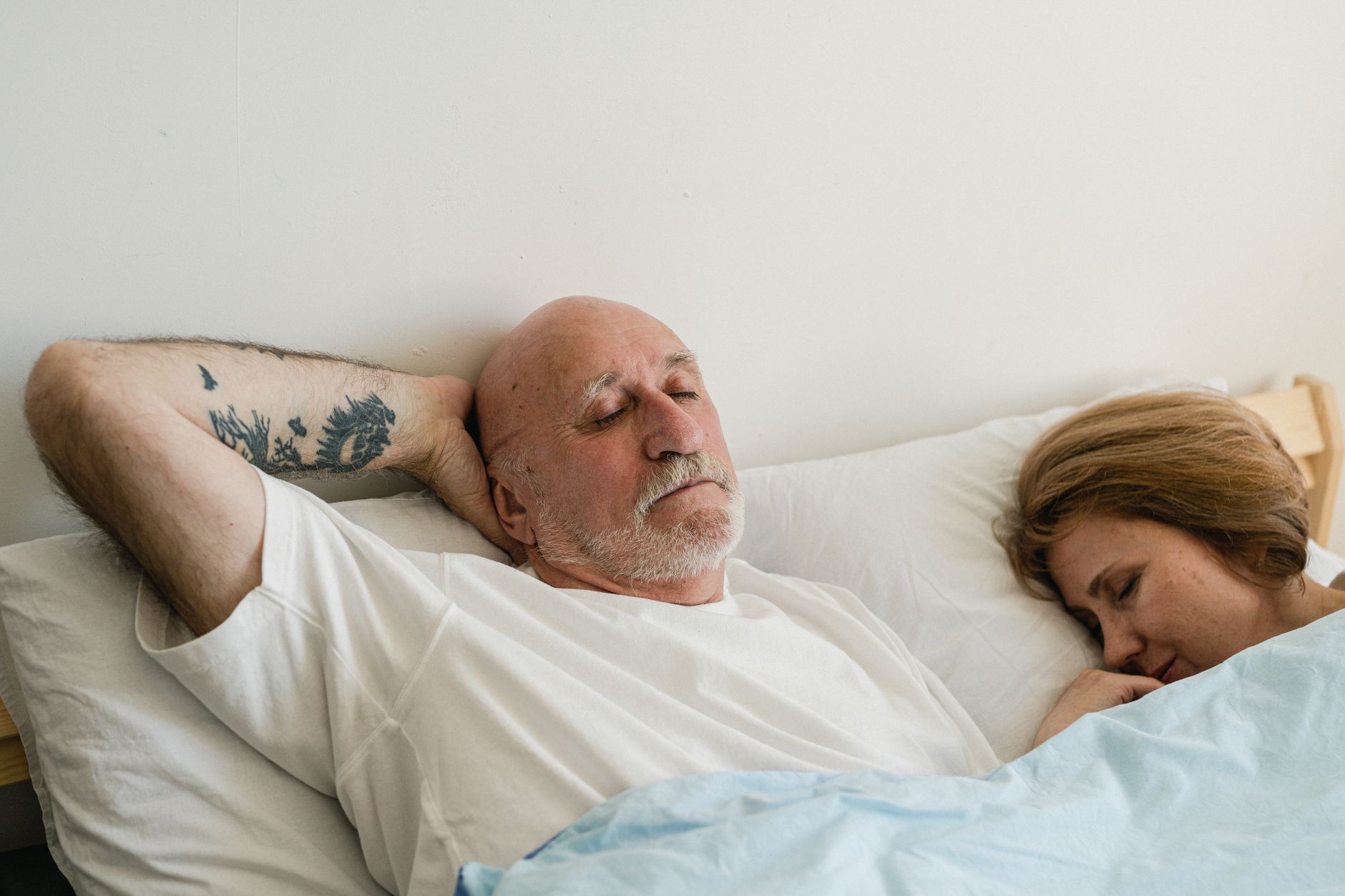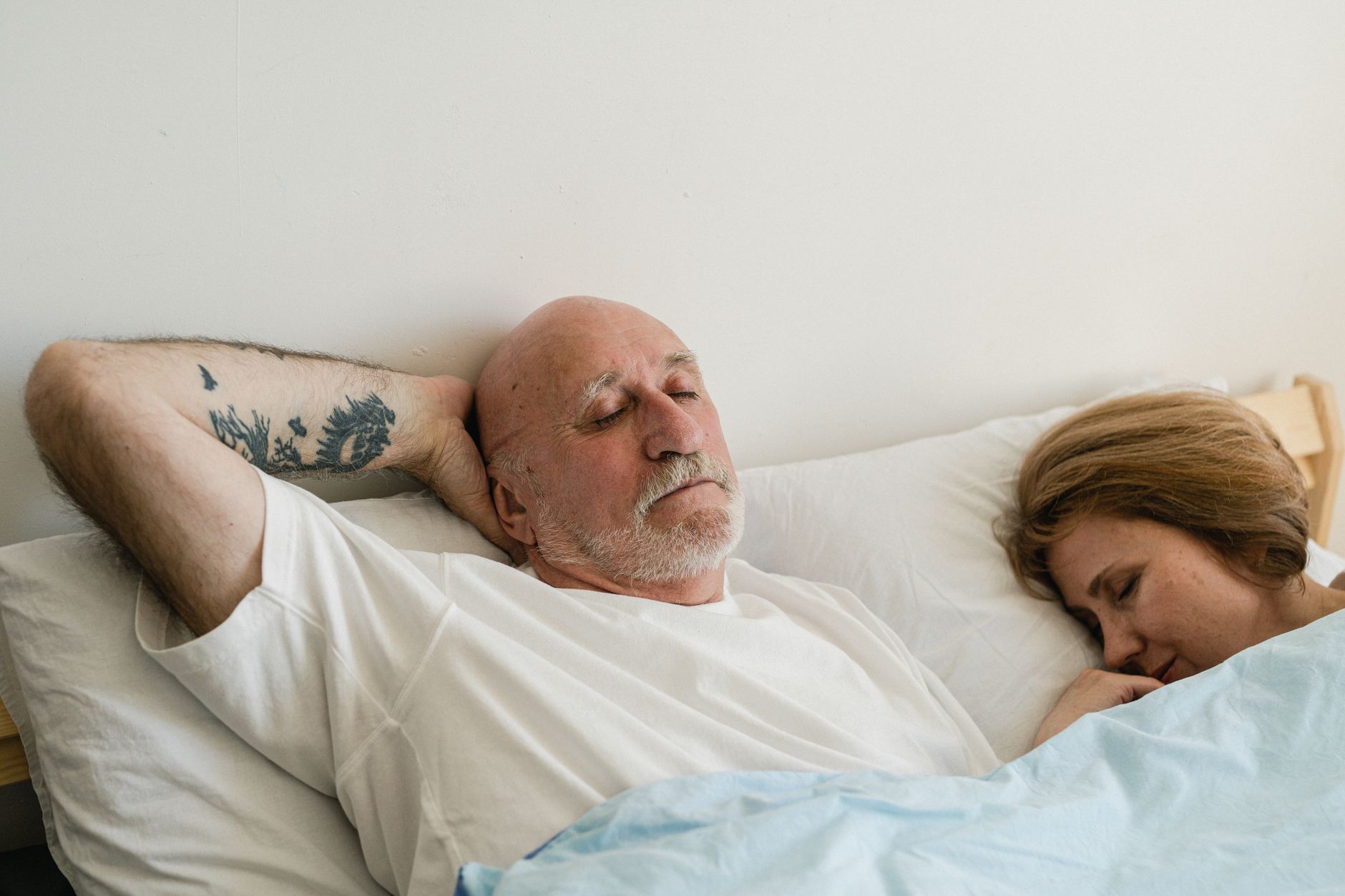
When Should Seniors See a Sleep Specialist?
Tossing and turning until midnight, waking at 3 AM and watching the numbers on the clock, or hearing a spouse say "you were gasping in your sleep last night" — these experiences are common enough that many adults after 60 assume they are just part of getting older. Composite clinical scenario (illustrative). A 68-year-old who has felt exhausted every afternoon for two years mentions this in passing during a primary care appointment for a diabetes follow-up. The primary doctor orders a home sleep test, and the results identify severe obstructive sleep apnea that had gone unrecognized despite contributing to morning headaches, elevated morning blood pressure, and near-miss balance episodes in the grocery store.
This pattern is surprisingly common. The National Heart, Lung, and Blood Institute (NHLBI) estimates that roughly 40% of adults over 65 have at least one diagnosable sleep disorder, but fewer than half are ever formally evaluated. The Mayo Clinic notes that while certain age-related changes in sleep architecture are normal — such as lighter sleep and earlier wake times — persistent daytime impairment, witnessed breathing events, or self-described exhaustion despite adequate time in bed are never something to accept without question.
The job of this guide is to help you tell the two apart: which changes you can safely work on at home, and which deserve a sleep medicine consultation. It walks through the warning signs clinicians take most seriously, what an evaluation and a sleep study actually involve, how to get referred and prepare, and what treatment looks like after a diagnosis of obstructive sleep apnea, restless legs syndrome, or a circadian rhythm disorder—and why leaving those untreated can complicate the blood pressure, heart rhythm, or blood sugar conditions many people are already managing.
📌Key Takeaways
- Don't assume persistent sleep problems are simply a normal part of aging; if they affect daytime function, they are worth evaluating.
- Red flags for seeing a sleep specialist include witnessed pauses in breathing during sleep, daytime sleepiness while driving, insomnia lasting 3 months or longer, and unusual behaviors during sleep.
- Keeping a sleep diary for 1–2 weeks before your appointment and listing all medications, supplements, and observed symptoms can make the first visit much more efficient.
- A sleep evaluation does not always require an overnight stay in a sleep lab; many people with suspected OSA can complete initial testing with a portable home sleep apnea device.
- Most sleep disorders can be effectively treated. CBT-I has strong clinical evidence for insomnia, while CPAP or oral appliances are well-established treatments for OSA.
What Normal Aging Sleep Changes Look Like vs. When to Worry
Before diving into red flags, it is important to acknowledge what qualifies as normal age-related change so that you do not overreact to benign shifts or, conversely, dismiss concerning ones. Normal aging is associated with several predictable changes. First, sleep architecture shifts: the proportion of deep slow-wave sleep decreases, and the proportion of lighter stage 2 sleep increases, making sleep more easily disrupted by noise, pain, or internal signals. Second, circadian timing often advances, so bedtime and wake time both shift earlier by one to two hours. Third, sleep efficiency — the percentage of time in bed that is actually spent asleep — declines modestly, typically from roughly 90% in young adulthood to roughly 80% to 85% in healthy adults over 70.
These changes do not usually produce distress or daytime impairment on their own. A person who goes to bed at 9:30 PM and wakes at 5:30 AM, feels alert after their usual morning routine, and functions well throughout the day does not need a specialist just because their schedule differs from a younger person's. The line between normal and problematic is crossed when sleep quality or quantity causes daytime consequences that persist for weeks or months despite reasonable lifestyle adjustments.
Seven Red Flags That Signal a Need for Sleep Specialist Evaluation
While each person is different, the warning signs below are those most consistently recommended by the American Academy of Sleep Medicine (AASM) as triggers for a referral. A single red flag is enough to justify a consultation, and multiple flags together make evaluation more urgent.
1. Chronic Insomnia That Persists Despite Sleep Hygiene Changes
Insomnia is defined clinically as difficulty initiating sleep, maintaining sleep, or waking earlier than desired, despite adequate opportunity and circumstance for sleep, and with associated daytime impairment. When this pattern occurs at least three nights per week for at least three months, it is categorized as chronic insomnia disorder. The reason to see a specialist is that chronic insomnia in older adults is rarely caused by poor habits alone. Underlying contributors can include undiagnosed periodic limb movement disorder, circadian rhythm phase shifts, subclinical anxiety or depression, or medication interactions that a sleep specialist is trained to disentangle.
2. Witnessed Breathing Pauses or Gasping During Sleep
The warning that matters most comes from someone else: your spouse says you snored, went completely silent, and then snorted or gulped for air, or they have watched you stop breathing and counted the seconds until it started again. Witnessed apnea — loud snoring punctuated by gasps — is one of the highest-priority red flags for obstructive sleep apnea. The AASM estimates that more than 90% of moderate to severe OSA cases that have witnessed apneas are clinically significant enough to warrant treatment. OSA is worth diagnosing specifically in older adults because it interacts unfavorably with hypertension, atrial fibrillation, type 2 diabetes, and cognitive health — all conditions that become more common with age.
3. Excessive Daytime Sleepiness That Interferes With Safe Activities
Feeling a little tired in the afternoon is not, by itself, a reason for a specialist visit. Nodding off during a dull meeting is a yellow flag. Catching yourself dozing at a red light, drifting out of your lane, or falling asleep mid-meal or mid-conversation is the threshold — that pattern requires prompt evaluation. The Epworth Sleepiness Scale is a commonly used screening tool that a sleep specialist will administer, but even without a formal score, any pattern of unintended sleep during safety-relevant tasks crosses a clinical threshold.
4. Unusual or Dangerous Behaviors During Sleep
Actions such as hitting, kicking, or thrashing while apparently asleep, acting out vivid dreams, sleepwalking, or attempting to leave the bed while confused can indicate a parasomnia such as REM sleep behavior disorder (RBD) or a non-REM parasomnia. In practical terms, this is the flag behind a partner getting kicked at night — or moving to the couch. In older adults, new-onset RBD deserves prompt evaluation because it can be an early neurological marker that warrants careful monitoring, and because it raises the risk of injury to the sleeping person or a bed partner.
5. Unrefreshing Sleep and Morning Headaches Despite Long Time in Bed
A person who consistently spends eight or more hours in bed but wakes feeling unrefreshed, with a dull morning headache or a dry, sore throat, may have overnight oxygen desaturation from sleep apnea or another breathing-related sleep disorder. These symptoms are sometimes mistaken for "just aging" or attributed to allergies, but they improve dramatically in many cases once the underlying sleep breathing issue is addressed.
6. Persistent Restless Legs Symptoms That Disrupt Falling Asleep
Uncomfortable sensations in the legs — often described as crawling, creeping, pulling, or aching — that begin or worsen during rest, particularly in the evening or at bedtime, and are partially or completely relieved by movement, may indicate restless legs syndrome (RLS). RLS is more common with increasing age and is strongly associated with reduced iron stores, neuropathy, and certain medications. A sleep specialist can distinguish RLS from other causes of evening leg discomfort and recommend targeted treatment.
7. Recurrent Falls or Near-Falls With No Other Obvious Explanation
As discussed in detail in other sleep-focused articles on this site, sleep disruption and untreated OSA measurably increase fall risk in older adults. If you or your family notice a pattern of near-falls or actual falls that cannot be explained by obvious environmental or structural causes, a sleep evaluation is a reasonable and evidence-based part of the diagnostic workup, especially when combined with other suggestive symptoms such as snoring or daytime fatigue.
The Three Most Common Diagnoses a Sleep Specialist May Consider
As a specialist listens to your history, three groups of diagnoses do most of the work. They are outlined below.
Obstructive sleep apnea (OSA) is by far the most frequently diagnosed condition when older adults are referred for evaluation. It occurs when the upper airway collapses repeatedly during sleep, causing reductions or complete pauses in airflow that last 10 seconds or more. Over time, untreated OSA contributes to higher blood pressure, more difficult-to-control atrial fibrillation, increased insulin resistance, and daytime cognitive impairment that is sometimes mistaken for early dementia.
Insomnia disorder, particularly chronic insomnia that has been present for months or years, is the second most common category. Specialists distinguish between sleep-onset insomnia (difficulty falling asleep), sleep-maintenance insomnia (frequent awakenings), and terminal insomnia (early morning awakening with inability to return to sleep). In older adults, all three patterns are seen, and they often overlap with underlying pain, nocturia, or anxiety disorders.
Movement disorders such as restless legs syndrome and periodic limb movement disorder (PLMD) make up the third major category. PLMD involves repeated involuntary leg twitches or jerks during sleep that a person may not be aware of, but that fragment sleep architecture and can produce daytime sleepiness even when the person has no memory of waking during the night.
What a Sleep Study Actually Measures: Dispelling the Fear
The phrase "sleep study" still makes people picture a hospital bed strung with wires under fluorescent light. Modern testing is quieter and more varied than that, and for many people it happens in their own bed. Testing falls into two broad categories: polysomnography (PSG) and home sleep apnea testing (HSAT).
In-lab polysomnography is the comprehensive test. During an overnight stay, technicians place small, painless sensors on the scalp, face, chest, and legs to measure brain waves, eye movement, muscle tone, heart rhythm, airflow, respiratory effort, and oxygen saturation. The room is designed to feel like a hotel room rather than a hospital ward, and technicians observe remotely from a separate station. Most people sleep enough for a usable recording; the lab needs a typical night, not a perfect one.
Home sleep apnea testing is a streamlined alternative designed specifically for suspected obstructive sleep apnea in adults without significant comorbid respiratory or neurological conditions. The portable device measures airflow, oxygen saturation, heart rate, and respiratory effort. You pick up the device from the office, sleep with it in your own bed for one to three nights, and return it for analysis. While it cannot diagnose every sleep disorder, it is often sufficient to confirm or rule out clinically significant OSA.
Step-by-Step Pathway From First Concern to Treated Condition
📝Step-by-Step Guide
- 1Self-assessment and initial visit: Review the 7 red flags above. If any apply, talk with your primary care doctor and start keeping a sleep diary for 1–2 weeks. Your doctor may perform an initial evaluation to rule out common causes such as anemia, thyroid problems, or medication side effects, and provide a referral if needed.
- 2Initial sleep specialist visit and evaluation: A sleep specialist will take a detailed sleep history, medical history, and medication history, along with observations from your bed partner when available. They may use questionnaires such as the Epworth Sleepiness Scale, perform an upper-airway and neurological exam, and determine whether sleep testing is needed and which type is appropriate—home testing or an in-lab polysomnogram.
- 3Sleep testing and diagnosis: Complete a home or laboratory sleep study as recommended. A registered sleep technologist and sleep specialist will review the results to determine whether you have OSA, insomnia, periodic limb movement disorder, or another sleep disorder, and assess its severity.
- 4Start personalized treatment: Treatment depends on the diagnosis. Moderate to severe OSA is often treated with CPAP or an oral appliance, while CBT-I (cognitive behavioral therapy for insomnia) is the first-line treatment for chronic insomnia. For RLS, doctors typically evaluate iron levels and consider medication adjustments when appropriate. Your care team will provide guidance on starting treatment, device fitting, and follow-up.
- 5Follow-up and treatment adjustments: The first follow-up is often scheduled within 4–8 weeks after treatment begins. Your specialist may adjust the plan based on symptom improvement, objective data, and how well you tolerate treatment. CPAP settings may need adjustment, CBT-I may progress through several components, and medications may require monitoring for side effects. Ongoing follow-up helps keep treatment effective over the long term.
How to Prepare for the First Sleep Specialist Visit
Many people leave a specialist appointment feeling they did not get as much out of it as they could have because they did not bring the right information or ask the right questions. The preparation steps below will help you make the visit productive.
First, keep a written sleep log for at least one full week, preferably two, before your appointment. Each day, record what time you got into bed, approximately how long it took you to fall asleep, how many times you remember waking and roughly for how long, what time you got out of bed for the day, any naps taken, and any caffeine, alcohol, or evening medications consumed. Also note subjective sleep quality on a 1 to 10 scale and how alert you felt during the day.
📋Checklist for Preparing for a Sleep Specialist Visit
0/8 completed- Keep a sleep diary for 14 consecutive days, including bedtime, wake time, number of awakenings, naps, caffeine/alcohol intake, and your overall sleep quality.
- Make a list of all prescription and over-the-counter medications, including doses and times taken. Pay particular attention to medications containing stimulant or sedating ingredients.
- Ask your bed partner to describe and write down any nighttime behaviors they have noticed, such as loud snoring, pauses in breathing, limb movements, talking in your sleep, or sleepwalking.
- If you have had any previous sleep tests, whether at home or in a sleep lab, bring the complete reports or copies of the records—not just the summary or final results.
- Record your morning blood pressure if you regularly monitor it. Untreated OSA can be associated with high blood pressure that is particularly noticeable or difficult to control in the morning.
- Write down 3–5 questions you most want answered so you don't forget them if you feel nervous or rushed during the appointment.
- If you have chronic conditions such as AFib, high blood pressure, diabetes, or heart failure, bring recent medical visit summaries or hospital discharge records.
- If possible, bring a family member who knows about your sleep patterns. They may be able to provide details that you have not noticed yourself.
What Happens After a Diagnosis: Treatment Expectations by Condition
A diagnosis can land with a thud, but most sleep disorders respond well to treatment. Here is what usually follows for the three most common.
For obstructive sleep apnea, the main treatment categories are positive airway pressure therapy (CPAP and related devices), custom-fitted oral appliances provided by qualified dentists, and positional therapy for people whose apnea is predominantly supine. CPAP has the strongest evidence for moderate to severe OSA, but modern machines are quieter and more comfortable than older models, and experienced durable medical equipment providers can help with mask fitting, humidity settings, and troubleshooting.
For chronic insomnia, the first-line recommended treatment according to AASM guidelines is not sleeping pills but cognitive behavioral therapy for insomnia (CBT-I). CBT-I is a structured, time-limited program, usually four to eight sessions, that addresses the thought patterns and behavioral habits that perpetuate insomnia. Many older adults find it more durable than medication because it teaches skills that persist after the formal program ends. If medication is needed, it is usually prescribed at the lowest effective dose for the shortest possible duration and monitored carefully for cognitive side effects.
For restless legs syndrome and periodic limb movement disorder, the first step is often to check ferritin levels, because RLS symptoms can improve dramatically with iron supplementation when stores are low, even in people who are not technically anemic. If iron is normal or repletion does not resolve symptoms, a specialist may recommend specific medications such as dopamine agonists or alpha-2-delta ligands, choosing the option that best fits the person's overall medication profile and comorbidities.
When to Seek Emergency or Urgent Care
Most sleep concerns do not require emergency attention, but certain combinations of symptoms do warrant immediate or same-day evaluation. Seek urgent medical care if you experience chest pain or pressure associated with sleep-disordered breathing, severe confusion or disorientation on awakening that does not quickly clear, an injury resulting from a sleep behavior such as thrashing or falling out of bed, or any thoughts of self-harm related to the distress caused by chronic insomnia or sleep disruption.
Frequently Asked Questions
Can undiagnosed sleep problems worsen my existing atrial fibrillation or high blood pressure?
Yes. Research summarized by the American Heart Association notes that untreated obstructive sleep apnea is associated with more difficult-to-control hypertension and a higher burden of atrial fibrillation episodes. In some cases, effectively treating OSA makes a measurable difference in blood pressure and AFib management, though it is not a substitute for cardiac care and should always be coordinated with your cardiologist.
How long does a sleep specialist referral typically take from request to first appointment?
Wait times vary by region and by clinic. In many areas, new patient appointments for sleep medicine range from two to six weeks. If you are experiencing severe daytime impairment or witnessed apnea events, mention that to your primary care provider's office when requesting a referral, because some clinics maintain a short-notice list for higher-priority cases.
I live alone and do not have a bed partner to observe my breathing. Can OSA still be evaluated?
Yes. While bed partner observations are helpful, they are not required. Home sleep apnea testing and in-lab polysomnography both provide objective data regardless of whether a witness is available. Symptoms such as unrefreshing sleep, morning headaches, dry throat, and otherwise unexplained daytime sleepiness are sufficient indications to proceed with evaluation in many cases.
Are sleep specialists trained in geriatric-specific considerations?
Sleep medicine is a subspecialty certification that builds on a primary specialty such as internal medicine, neurology, or pulmonology. Many sleep specialists see a large proportion of older adults in their practices and are familiar with geriatric-specific concerns such as polypharmacy, comorbidity interactions, and cognitive considerations. If you have complex geriatric needs, you can ask the referral coordinator whether a given provider has particular expertise with the 65-plus population.
What should I do if I try CPAP and find it intolerable?
Many people find CPAP uncomfortable at first, and initial intolerance does not mean treatment will fail. Modern mask designs include nasal pillows, nasal masks, and full-face masks, so one style does not fit all. Heated humidification, pressure ramping, and mask fitting adjustments often resolve issues that feel overwhelming in the first week. If adjustments do not help, discuss alternatives with your sleep specialist, including oral appliances, positional therapy, and upper airway procedures for appropriate candidates.
Is it too late to get benefit from treating a sleep disorder if I am in my 70s or 80s?
No. Age alone is not a reason to forgo evaluation or treatment. While treatment goals may be adjusted depending on overall health priorities, evidence shows that clinically meaningful improvements in daytime function, mood, and cardiovascular parameters are achievable well into advanced age. A thoughtful conversation between you, your family if appropriate, and your providers will help define what success looks like for your individual situation.
Related Articles
- Best CPAP Machines for Sleep Apnea
- Best Sleep Trackers for Older Adults
- What Causes Nighttime Anxiety
- Insomnia in Older Adults
- Sleep Hygiene Checklist for Seniors
- Atrial Fibrillation / AFib in Seniors
- Sleep and Heart Health Seniors
- Blood Pressure Log PDF Download
References
- American Academy of Sleep Medicine (AASM). (2024). International Classification of Sleep Disorders, 4th Edition (ICSD-4) Clinical Summary for Older Adults.
- National Heart, Lung, and Blood Institute (NHLBI). (2025). Sleep Disorders in Adults Over 65: Prevalence, Underdiagnosis, and Cardiovascular Consequences.
- Journal of the American Geriatrics Society (JAGS). (2024). Chronic Insomnia, Undiagnosed OSA, and Cognitive Outcomes in Community-Dwelling Adults Over 70.
- Mayo Clinic. (2024). When to Refer to Sleep Medicine: A Practical Guide for Primary Care and Patients.
- Sleep Foundation. (2025). Sleep Specialist Referral Criteria and What to Expect at Every Visit Stage.