What Are the Best Exercises to Prevent Falls?
Falls are the leading cause of injury in older adults, but research consistently shows that the right exercises can significantly reduce fall risk. Exercise is one of the most effective interventions available—studies demonstrate that appropriate exercise programs can reduce falls by 20-40%. The key is choosing exercises that specifically target the systems involved in balance: strength, flexibility, coordination, and reaction time. Understanding which exercises work best helps you create an effective fall prevention program.
Fall prevention exercise works by addressing multiple factors simultaneously. Stronger legs provide better support and make it easier to recover from a stumble. Better balance means you're less likely to lose your equilibrium in the first place. Improved reaction time helps you catch yourself if you do start to fall. And increased confidence reduces the fear of falling that can actually increase fall risk. A comprehensive approach delivers the best results.
Understanding How Exercise Prevents Falls
The Science Behind Fall Prevention
Why exercise works:
How Falls Happen:
- Loss of balance during movement
- Weakness in legs and core
- Slow reaction to perturbation
- Environmental hazards combined with physical limitations
- Medication effects
- Vision or sensation problems
How Exercise Helps:
- Strengthens muscles that support balance
- Improves coordination and body awareness
- Increases reaction speed
- Enhances proprioception (body position sense)
- Builds confidence in movement
- Addresses multiple risk factors simultaneously
Evidence for Exercise:
- Reduces falls by 20-40% in research studies
- Most effective when done consistently
- Balance and strength training combined is best
- 2-3 hours per week recommended
- Benefits seen within weeks to months
- Ongoing exercise needed to maintain benefits
Balance Training Exercises
Building Stability
Core exercises for balance:
Static Standing Balance:
Feet Together Stance:
- Stand with feet together
- Hold for 30 seconds
- Use support initially if needed
- Progress to no support
- Then try with eyes closed
- Builds basic stability
Tandem Stance:
- Place one foot directly in front of the other
- Heel touching toe
- Hold for 30 seconds
- Use support at first
- Progress to unsupported
- Switch lead foot
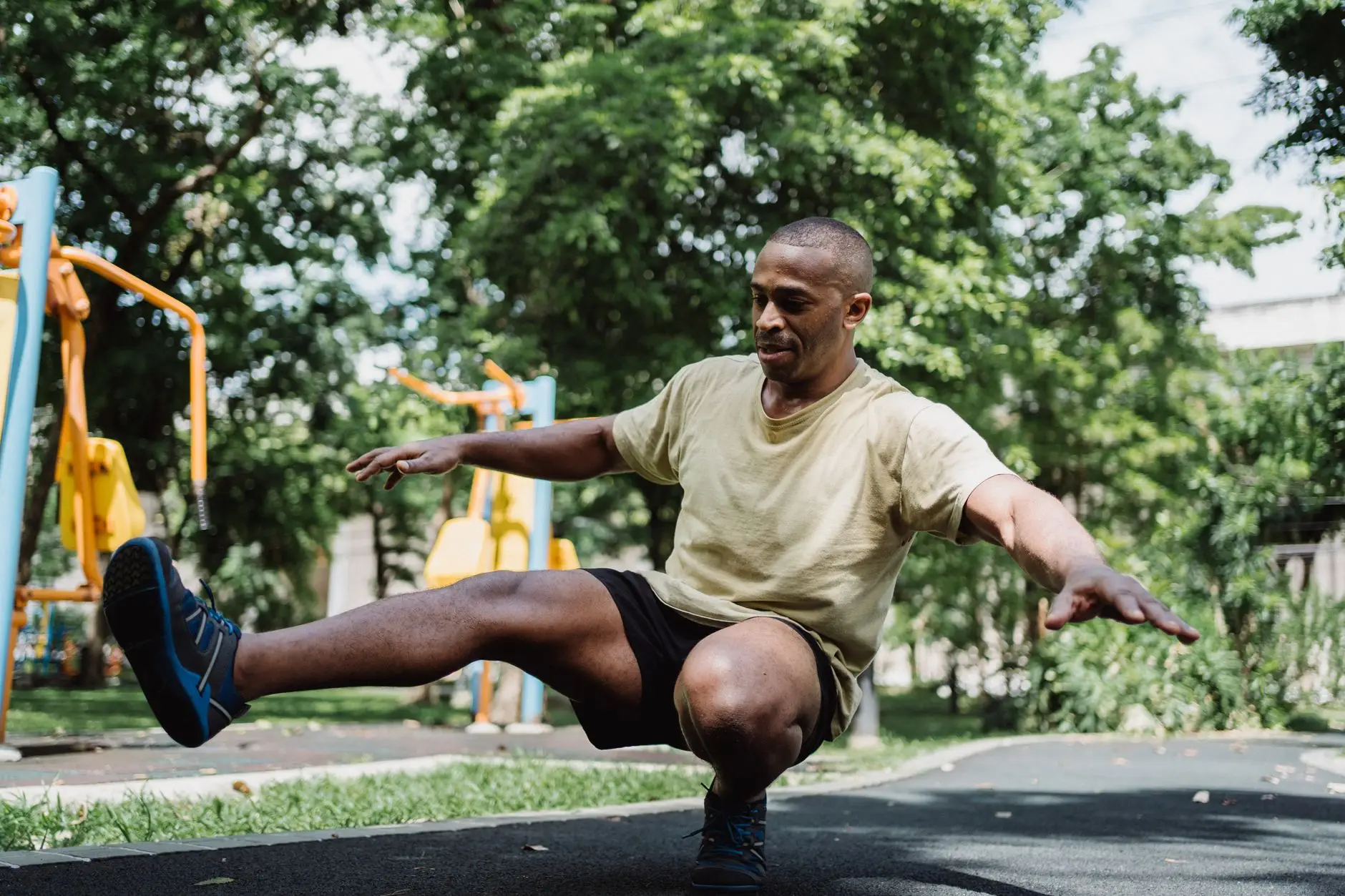
Single Leg Stance:
- Stand on one leg
- Hold for 10-30 seconds
- Use support initially
- Progress to no support
- Then try with eyes closed
- Excellent for balance
Dynamic Balance Exercises:
Weight Shifting:
- Stand with feet shoulder-width apart
- Shift weight side to side
- Then front to back
- Keep feet in place
- Progress to larger movements
- Use support if needed
Clock Reach:
- Stand on one leg
- Imagine clock face around you
- Reach opposite foot to each number
- 12, 3, 6, 9 o'clock positions
- Progress to all numbers
- Improves stability in all directions
Walking Heel to Toe:
- Walk in straight line
- Place heel directly in front of toe
- Like tightrope walking
- Take 10-20 steps
- Use wall for support if needed
- Progress to unsupported
Lower Body Strengthening
Building Support
Exercises for leg strength:
Sit-to-Stand:
- Start seated in sturdy chair
- Stand up without using hands if possible
- Sit back down slowly
- Repeat 10 times
- Progress to lower surfaces
- Most functional exercise
Wall Push-Ups:
- Stand arm's length from wall
- Lean forward, push back
- Works arms and core
- 10-15 repetitions
- Progress to countertop height
- Eventually to floor push-ups
Side Leg Raises:
- Hold onto support
- Lift leg out to side
- Keep leg straight
- Lower slowly
- 10-15 each leg
- Strengthens hip muscles
Back Leg Raises:
- Hold onto support
- Lift leg straight back
- Don't lean forward
- Lower slowly
- 10-15 each leg
- Strengthens glutes and hamstrings
Chair Squats:
- Stand in front of chair
- Lower as if to sit
- Touch chair and stand back up
- Keep weight in heels
- Progress to deeper squats
- Builds quadriceps strength
Calf Raises:
- Hold onto support
- Rise up on toes
- Lower slowly
- 10-15 repetitions
- Progress to single leg
- Important for walking and balance
Functional Movement Exercises
Real-World Training
Exercises that mimic daily activities:
Walking and Turning:
- Practice walking straight
- Turn to change direction
- Turn both directions
- Progress to faster turns
- Practice in various environments
- Turning is when many falls occur
Stepping Over Objects:
- Place small objects on floor
- Practice stepping over them
- Start with low objects
- Progress to higher
- Improves lifting feet
- Important for avoiding trips
Reaching Exercises:
- Stand with feet planted
- Reach forward, sideways, up
- Progress to reaching while walking
- Practice reaching for objects
- Mimics daily activities
- Challenges balance safely
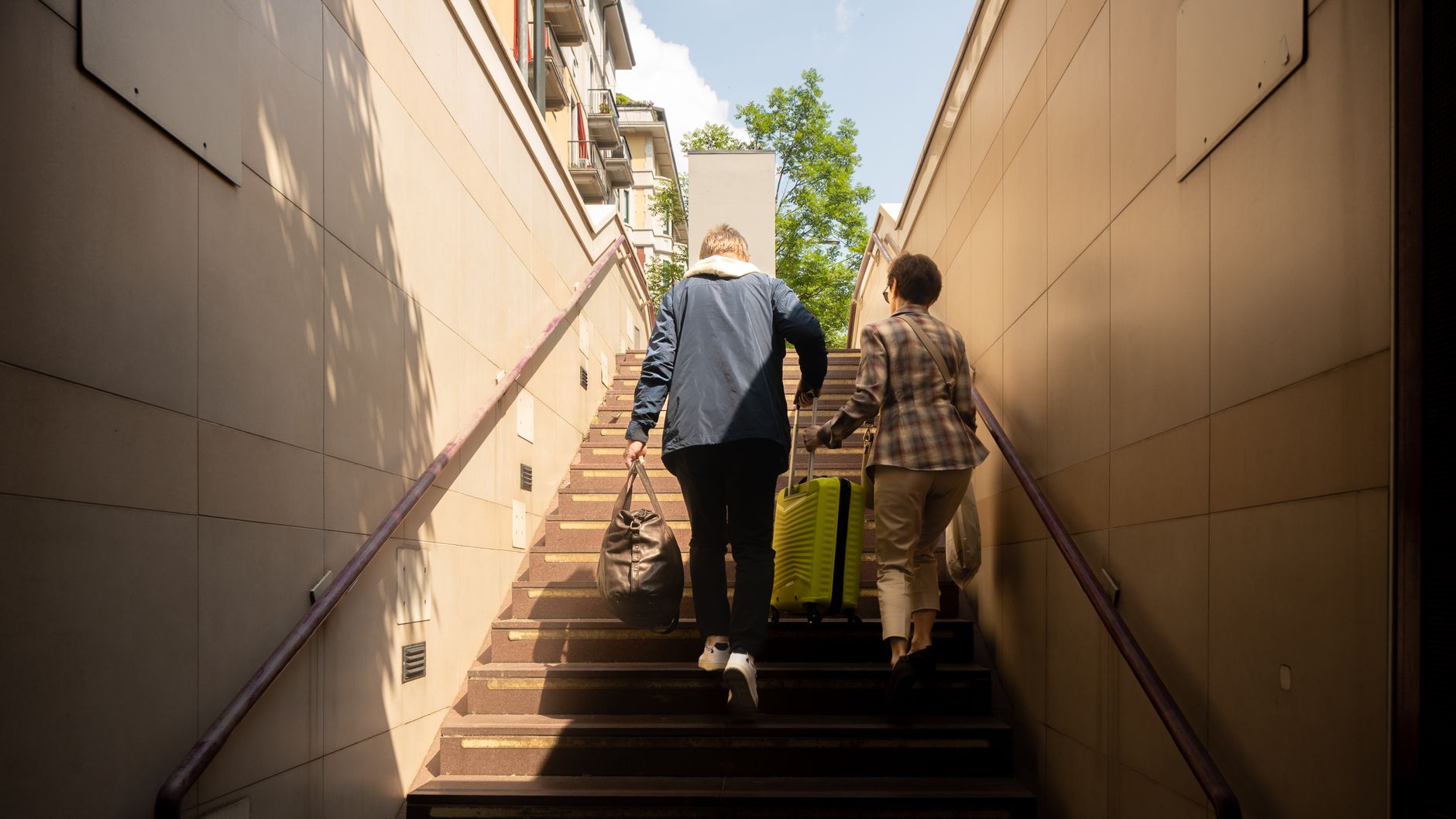
Stair Climbing:
- Practice on actual stairs
- Hold handrail
- Step up and down
- Alternate leading leg
- Build strength and confidence
- Essential for many daily activities
Getting Up From Floor:
- Practice safe technique
- Start from kneeling
- Use furniture for support
- Build confidence
- Important skill if you do fall
- Practice with supervision initially
Tai Chi for Fall Prevention
Evidence-Based Practice
Why Tai Chi works:
Benefits of Tai Chi:
- Slow, controlled movements
- Weight shifting practice
- Improved proprioception
- Better coordination
- Reduced fear of falling
- Social engagement
Research Support:
- Multiple studies show fall reduction
- 28-55% reduction in falls
- Improves balance confidence
- Can be adapted for various abilities
- Safe for most seniors
- Recommended by CDC
Getting Started:
- Look for senior-specific classes
- Start with basic forms
- Practice regularly
- Can be done at home with videos
- Progress gradually
- Consistency matters more than intensity
Flexibility and Mobility
Maintaining Range of Motion
Exercises for flexibility:
Ankle Circles:
- Sit or lie down
- Rotate ankle in circles
- 10 circles each direction
- Both ankles
- Improves ankle mobility
- Important for balance reactions
Calf Stretches:
- Stand facing wall
- Step one foot back
- Keep heel down
- Feel stretch in calf
- Hold 30 seconds
- Repeat 2-3 times each side
Hip Flexor Stretch:
- Stand with one foot forward
- Bend front knee
- Keep back leg straight
- Feel stretch in front of hip
- Hold 30 seconds
- Repeat each side
Hamstring Stretch:
- Sit on edge of chair
- Extend one leg
- Reach toward toes
- Feel stretch in back of thigh
- Hold 30 seconds
- Repeat each leg
Creating Your Exercise Program
Building a Routine
Putting it all together:
Weekly Schedule:
- Balance exercises: 3+ days per week
- Strength exercises: 2-3 days per week
- Flexibility: Daily if possible
- Walking: Most days of week
- Total: 2-3 hours per week minimum
Sample Daily Routine (20-30 minutes):
Warm-Up (5 minutes):
- Marching in place
- Ankle circles
- Gentle stretching
Balance (10 minutes):
- Feet together stance
- Tandem stance
- Single leg stance (with support)
- Weight shifting
Strength (10 minutes):
- Sit-to-stands
- Side leg raises
- Back leg raises
- Calf raises
Cool-Down (5 minutes):
- Gentle stretching
- Deep breathing
Progression Principles:
- Start where you are
- Progress gradually
- Increase difficulty as able
- Add challenges (eyes closed, uneven surface)
- Stay consistent
- Listen to your body
Safety Considerations
Exercising Safely
Preventing injury during exercise:
Before Starting:
- Check with doctor if you have health conditions
- Start with easier exercises
- Use support when needed
- Wear proper footwear
- Clear exercise area of hazards
- Have sturdy support nearby
During Exercise:
- Stop if you feel pain
- Don't hold your breath
- Stay hydrated
- Rest if fatigued
- Use support as needed
- Focus on form over repetitions
Warning Signs to Stop:
- Chest pain or pressure
- Severe shortness of breath
- Dizziness or lightheadedness
- Pain that doesn't improve with rest
- Nausea
- Irregular heartbeat
When to Get Help:
- If falls continue despite exercise
- If you're afraid to exercise
- If you have significant balance problems
- If you need help designing a program
- Physical therapists can help
- Consider supervised exercise programs
Group Programs and Classes
Benefits of Group Exercise
Social and structured approaches:
Advantages of Groups:
- Social interaction
- Professional instruction
- Regular schedule
- Motivation from others
- Safe environment
- Fun and engaging
Types of Programs:
- Tai Chi classes
- Matter of Balance programs
- SilverSneakers
- YMCA senior classes
- Hospital-based programs
- Community center offerings
Finding Programs:
- Check local senior centers
- Ask at hospitals and clinics
- Look at community centers
- Check with insurance (SilverSneakers)
- Ask doctor for recommendations
- Try several to find the right fit
Key Takeaways
- Exercise is one of the most effective interventions for preventing falls, with research showing 20-40% reduction in fall risk
- The best fall prevention programs combine balance training, lower body strengthening, and functional movement exercises
- Balance exercises should progress from static (standing still) to dynamic (moving) and challenge multiple systems
- Sit-to-stand is one of the most functional exercises—it directly relates to daily independence
- Tai Chi has strong evidence for fall prevention and is recommended by the CDC for seniors
- Lower body strength is essential—focus on quadriceps, glutes, hip abductors, and calf muscles
- Functional exercises that mimic daily activities (walking, turning, reaching, stair climbing) transfer directly to real-world fall prevention
- Consistency matters more than intensity—2-3 hours per week of appropriate exercise provides benefits
- Start at your current ability level and progress gradually—using support is fine when needed
- Safety during exercise is paramount—have support available, stop if you experience warning signs, and consider working with a physical therapist if you have significant balance problems
Disclaimer: This information is for educational purposes only. Consult with your healthcare provider before starting any new exercise program, especially if you have health conditions, balance problems, or have experienced falls.
Related Articles
- Best Low-Impact Cardio for Seniors: 10 Heart-Healthy Exercises
- Best Exercises for Bone Density After 60: Strength Training vs Cardio
- what exercises help recovery after a hip replacement
- what exercises help recovery after a stroke
- what exercises help seniors get up from a chair more easily
- what exercises improve mobility after retirement
- Water Aerobics for Arthritis: 12 Best Pool Exercises for Seniors
- what exercises help stiff joints