📌Key Takeaways
- Walking is the most accessible and effective exercise for seniors
- 150 minutes of walking weekly may reduce heart disease risk by 30%
- Walking may improve brain health and reduce dementia risk by up to 50%
- Proper footwear is essential for safe walking
- Walking may help manage diabetes, arthritis, and heart disease
- Gradual progression is key to building endurance
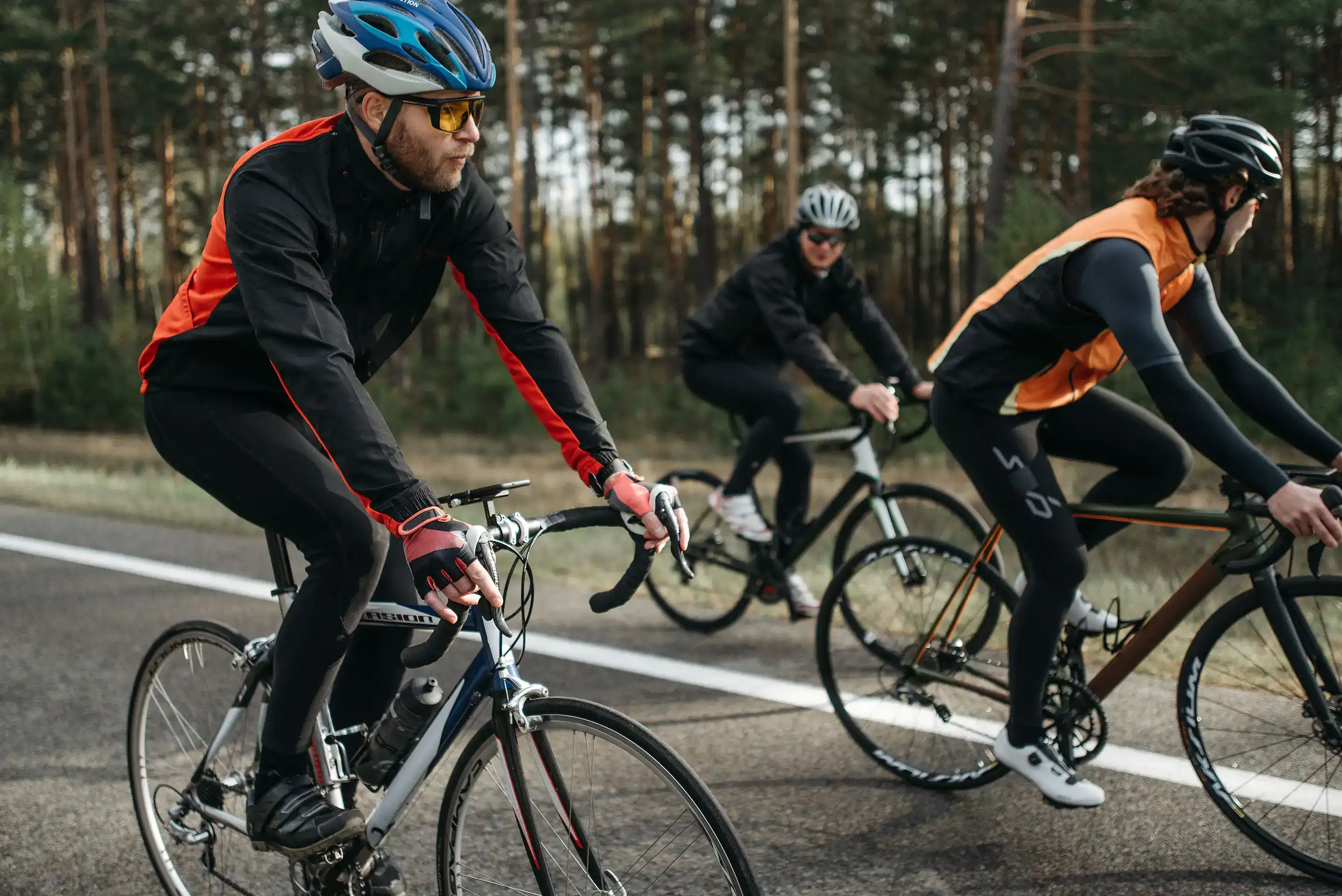
- Walking in groups increases motivation and safety
- Walking uphill or with weights may boost benefits
- Understanding why walking gets harder after 70 helps you take action
- Pre-walk stretching and indoor walking options enhance consistency year-round
Walking is the single best exercise for seniors. It's low-impact, requires no special equipment, and provides remarkable health benefits: reduced risk of heart disease, diabetes, and dementia; improved balance and strength; better mood and sleep; and increased longevity. Aim for at least 150 minutes of moderate walking weekly, starting with 10-15 minutes and gradually increasing. Always wear supportive shoes and consult your doctor before starting if you have health concerns.
Walking Benefits At a Glance
| Benefit | What Walking May Do | Key Statistic |
|---|---|---|
| Heart Health | Strengthen heart, lower blood pressure, reduce bad cholesterol | 30% reduction in heart disease risk with 150 min/week |
| Brain Health | Increase blood flow, support neuroplasticity, boost BDNF | Up to 50% reduction in dementia risk with 8000 or more steps daily |
| Mobility & Balance | Strengthen legs, improve gait, reduce fall risk | 15-20% improvement in walking speed with targeted training |
| Weight Management | Burn calories, boost metabolism, reduce belly fat | 150-250 calories per 30 minutes (varies by pace) |
| Mental Health | Release endorphins, reduce stress, improve sleep | 30% reduction in depression symptoms |
| Longevity | Extend lifespan, reduce mortality risk | Seniors who walk regularly may live 1.3-3.7 years longer |
| Diabetes Control | Improve insulin sensitivity, lower blood sugar | Walking after meals may reduce post-prandial glucose |
| Arthritis Relief | Reduce joint stiffness, maintain range of motion | May decrease joint pain and improve function |
Why Walking Is the Ultimate Senior Exercise
Walking: Nature's Perfect Medicine
Walking is often called "nature's perfect exercise" for good reason. It's:
1. Accessible
- No special equipment needed
- Can be done anywhere
- No membership fees
- Suitable for all fitness levels
2. Low-Risk
- Low impact on joints
- Minimal risk of injury when done properly
- Can be modified for any ability
3. Effective
- Provides cardiovascular benefits
- Strengthens muscles and bones
- Improves balance and coordination
- Enhances mental health
4. Enjoyable
- Can be done with friends
- Opportunity to explore new places
- Connect with nature
- Fits easily into daily routines
Walking Can Start at Any Age
There's no age limit on exercise. Many older adults begin walking in their 70s and 80s, often starting with just 10 minutes a day and building gradually as endurance improves.
Never Too Late to Start
Research shows that seniors who start walking at any age may experience significant health benefits. A study in the Journal of the American Geriatrics Society found that even walking 10 minutes a day may reduce mortality risk by 15%.
The Science-Backed Benefits of Walking
Cardiovascular Health
- May reduce heart disease risk by 30% (American Heart Association)
- May lower blood pressure by 5-10 mmHg
- Improves circulation
- Strengthens the heart muscle
- May reduce LDL ("bad") cholesterol
Brain Health
- May reduce dementia risk by 25%
- Increases blood flow to the brain
- Promotes neuroplasticity
- May improve memory and cognitive function
- May reduce symptoms of depression by 30%
The Hippocampus Connection
The hippocampus, a brain structure essential for memory, naturally shrinks with age. However, research shows that 40 minutes of walking 3 times per week may increase hippocampal volume by approximately 2%, reversing typical age-related shrinkage according to a landmark UCLA study. Walking 8000 or more steps daily may reduce dementia risk by up to 50%.
Walking also increases BDNF (Brain-Derived Neurotrophic Factor), often called "fertilizer for the brain," which supports neurogenesis (new brain cell growth).
| Daily Steps | Potential Dementia Risk Reduction |
|---|---|
| 2000 | Baseline |
| 4000 | 15% |
| 6000 | 30% |
| 8000 or more | 50% |
Mobility & Balance
- Strengthens leg muscles
- Improves balance and coordination
- May reduce fall risk by improving gait stability
- Maintains joint flexibility
- Preserves independence in daily activities
Weight Management
- Burns 150-250 calories per 30 minutes (depending on pace and weight)
- Boosts metabolism
- Helps maintain a healthy weight
- May reduce belly fat
Mental Health & Well-being
- Releases endorphins (natural mood boosters)
- May reduce stress and anxiety
- Improves sleep quality
- Increases social connections when walking with others
- Enhances overall quality of life
Longevity
- Seniors who walk regularly may live 1.3 to 3.7 years longer
- Walking 30 minutes daily may reduce mortality risk by 35%
- Even short walks (10 minutes) may provide longevity benefits
Getting Started: Your First Steps
Step 1: Consult Your Doctor
Before starting any new exercise program, especially if you:
- Have heart disease, diabetes, or other chronic conditions
- Have a history of falls or balance issues
- Take multiple medications
- Have joint pain or arthritis
Step 2: Assess Your Current Fitness Level
Be honest about where you are:
- Can you walk for 5 minutes without stopping?
- Do you get winded easily?
- Do you have any pain when walking?
Step 3: Set Realistic Goals
Start small and build gradually:
- Week 1-2: 10-15 minutes, 3-4 times per week
- Week 3-4: 20 minutes, 4-5 times per week
- Week 5-6: 25-30 minutes, 5 times per week
- Week 7 and beyond: 30-45 minutes, 5-6 times per week
Step 4: Choose Your Walking Route
Select safe, enjoyable routes:
- Start close to home
- Choose well-lit, paved paths
- Look for parks, trails, or quiet neighborhoods
- Avoid busy streets with heavy traffic
- Consider indoor options (mall walking) for bad weather
Step 5: Prepare for Your Walk
What to Wear:
- Comfortable, breathable clothing
- Supportive walking shoes (see section below)
- Hat and sunscreen for sunny days
- Reflective gear for early morning or evening walks
What to Bring:
- Water bottle (especially for longer walks)
- Phone for emergencies
- Identification
- Small snack (for walks over 45 minutes)
📋Pre-Walk Checklist
0/7 completed- Consulted my doctor about walking
- Set realistic goals
- Chosen a safe walking route
- Have supportive walking shoes
- Wearing comfortable clothing
- Have water bottle and phone
- Know my walking limits
Proper Walking Technique for Seniors
Posture
Good posture makes walking easier and reduces strain:
- Head up: Look forward, not at the ground
- Shoulders relaxed: Keep them back and down
- Chest open: Stand tall, avoid slouching
- Core engaged: Pull belly button toward spine
- Hips level: Avoid swaying from side to side
Arm Movement
- Swing arms naturally at your sides
- Keep elbows bent at about 90 degrees
- Swing arms opposite to leg movement
- Avoid stiff or tense shoulders
Foot Strike
- Heel or mid-foot strike (not toes first)
- Roll through the foot from heel to toe
- Push off with toes for forward momentum
- Keep steps natural and even
Gait
- Take comfortable, natural steps
- Avoid overstriding (can cause joint pain)
- Maintain a steady rhythm
- Walk at a pace where you can talk but not sing
Breathing
- Breathe naturally through your nose or mouth
- Inhale for 2-3 steps, exhale for 2-3 steps
- Avoid holding your breath
- If you get winded, slow down or stop to rest
Common Walking Mistakes to Avoid
- Looking at the ground (causes poor posture)
- Slouching or hunching shoulders
- Overstriding (puts stress on knees)
- Walking too fast too soon
- Forgetting to warm up and cool down
Choosing the Right Walking Shoes
Why Footwear Matters
Proper shoes are the most important piece of walking equipment. They:
- Provide cushioning and shock absorption
- Support your arches and ankles
- Prevent blisters and foot pain
- Reduce risk of falls
What to Look for in Walking Shoes
1. Proper Fit
- Get measured by a professional
- Shoes should fit well from day one
- Allow 1/2 inch between longest toe and shoe end
- Width should be comfortable (not too tight or loose)
2. Support Features
- Good arch support (especially for flat feet or high arches)
- Firm heel counter (stabilizes heel)
- Cushioned insole
- Flexible sole (bends at ball of foot)
3. Traction
- Non-slip outsole
- Deep treads for wet or uneven surfaces
- Avoid smooth or worn-out soles
4. Breathability
- Mesh or breathable upper material
- Moisture-wicking lining
- Avoid plastic or non-breathable materials
5. Weight
- Lightweight design
- Heavy shoes increase fatigue
When to Replace Walking Shoes
- Every 500-700 miles (about 6-12 months for regular walkers)
- When soles show signs of wear
- When cushioning feels compressed
- When shoes cause foot pain or blisters
📊Walking Shoe Comparison
| Feature | Budget Option | Mid-Range | Premium |
|---|---|---|---|
| Price | $30-$50 | $50-$100 | $100+ |
| Cushioning | Basic | Good | Excellent |
| Support | Basic | Good | Customizable |
| Durability | 6-8 months | 8-12 months | 12-18 months |
| Best For | Occasional walking | Regular walking | Long-distance walking |
Click on any product to view full details and reviews
Deep Dive: Walking Shoe Resources
- Best Walking Shoes for Elderly - Complete guide
- Best Walking Shoes for Seniors with Arthritis - Joint-friendly options
- Best Walking Shoes After Hip Surgery - Post-surgery recovery
- Best Walking Shoes After Knee Replacement - Knee recovery
Pre-Walk Stretching: 8 Moves for Safe, Comfortable Walks
Preparing your body before walking is essential for seniors who want to walk safely, comfortably, and effectively. Pre-walk stretching may help warm up muscles, improve flexibility, reduce injury risk, and enhance overall walking performance. Taking just a few minutes to stretch before your walk may make a significant difference in how you feel during and after your activity.
Why Stretch Before Walking?
Injury Prevention: Pre-walk stretching may reduce injury risk by warming muscles, increasing blood flow, and improving joint lubrication before activity.
Performance Enhancement: Stretching may improve gait mechanics, enhance endurance, reduce fatigue, and make walking more comfortable.
Comfort Improvement: Stretching may reduce muscle stiffness, improve joint mobility, and enhance circulation for more enjoyable walks.
8 Essential Pre-Walk Stretches
1. Ankle Pumps (30 seconds each foot)
- Sit or stand with support
- Point toes down, then pull toes up
- Activates ankle muscles for push-off
2. Calf Raises (30 seconds)
- Stand holding support
- Rise onto toes, hold briefly, lower
- Prepares calves for walking
3. Leg Swings (30 seconds each leg)
- Stand holding support
- Swing one leg forward and back, keeping movements controlled
- Warms up hip flexors and hamstrings
4. Arm Circles (30 seconds each direction)
- Stand with feet shoulder-width apart
- Make small to large circles with arms
- Loosens shoulders and improves arm swing
5. Shoulder Rolls (30 seconds)
- Lift shoulders toward ears, roll back and down
- Releases tension in upper back
6. Torso Twists (30 seconds each side)
- Stand with feet apart, gently twist side to side
- Improves spinal mobility
7. Marching in Place (1-2 minutes)
- Stand with feet shoulder-width apart, lift knees alternately
- Swing arms naturally, continue for 1-2 minutes
- Full-body warm-up that mimics walking motion
8. Heel-to-Toe Rocks (30 seconds)
- Stand with feet apart, rock forward onto toes, then back onto heels
- Prepares the feet and ankles for the walking motion
Quick Pre-Walk Routine (3-5 minutes)
For shorter walks, focus on the essentials: ankle pumps, calf raises, leg swings, arm circles, and marching in place. This covers major muscle groups and prepares your body safely.
Extended Pre-Walk Routine (5-10 minutes)
For longer or more intense walks, add hip circles, shoulder rolls, torso twists, and heel-to-toe rocks for a more thorough preparation.
Stretching Safety Tips
- Move slowly and deliberately—never bounce
- Use support if needed for balance
- Breathe regularly; don't hold your breath
- Mild tension is normal; pain means you're pushing too hard
- Stop immediately if you feel sharp pain
Walking Programs for Every Fitness Level
⚡Quick Facts
150 minutes
30%
25% dementia reduction
150-250
Program 1: Beginner Walking Program (Weeks 1-4)
For those new to walking or returning after a break:
Week 1:
- 5 minutes walking + 2 minutes resting
- Repeat 3 times (total: 21 minutes)
- 3-4 days per week
Week 2:
- 7 minutes walking + 2 minutes resting
- Repeat 3 times (total: 27 minutes)
- 4 days per week
Week 3:
- 10 minutes walking + 2 minutes resting
- Repeat 3 times (total: 36 minutes)
- 4-5 days per week
Week 4:
- 15 minutes walking continuously
- 5 days per week
Program 2: Intermediate Walking Program (Weeks 5-8)
For walkers who can do 15 minutes continuously:
Week 5:
- 20 minutes continuous walking
- 5 days per week
Week 6:
- 25 minutes continuous walking
- 5 days per week
- Add 1 day of brisk walking
Week 7:
- 30 minutes continuous walking
- 5 days per week
- 1 day of interval walking
Week 8:
- 30-35 minutes continuous walking
- 5-6 days per week
Program 3: Advanced Walking Program (Week 9 and beyond)
For experienced walkers looking to boost fitness:
Interval Walking:
- 3 minutes brisk walking + 2 minutes moderate walking
- Repeat 6 times (total: 30 minutes)
- 2-3 days per week
Long Walk:
- 45-60 minutes continuous walking
- 1-2 days per week
Hill Walking:
- Walk on inclines or hills
- Start with gentle inclines, gradually increase
- 1 day per week
Weighted Walking:
- Use a weighted vest (5-10% of body weight)
- Start with light weight, gradually increase
- 1-2 days per week
Program 4: Walking for Weight Loss After 60
Walking is an excellent way for seniors to lose weight safely and effectively:
Weekly Plan:
- Monday: Brisk Walk, 30-40 min, moderate intensity
- Tuesday: Interval Walk, 20-30 min, moderate-high intensity
- Wednesday: Leisure Walk, 20-30 min, low intensity
- Thursday: Brisk Walk, 30-40 min, moderate intensity
- Friday: Interval Walk, 20-30 min, moderate-high intensity
- Saturday: Longer Walk, 45-60 min, moderate intensity
- Sunday: Rest or Light Walk, 15-20 min or rest
Nutrition Tips:
- Pre-walk: Light snack 30-60 minutes before (banana, apple with peanut butter)
- Post-walk: Balanced meal with protein and complex carbs within 30-60 minutes
- Stay hydrated before, during, and after walking
Sample Weekly Walking Schedule
A balanced approach for intermediate walkers:
- •Monday: 30 min moderate walking
- •Tuesday: 25 min brisk walking
- •Wednesday: Rest or gentle stretching
- •Thursday: 30 min interval walking
- •Friday: 25 min moderate walking
- •Saturday: 45 min long walk
- •Sunday: Rest or 15 min gentle walk
Why Walking Becomes More Difficult After 70
Many seniors notice that walking becomes harder after 70. Stairs feel more challenging, walks take more effort, and you may find yourself avoiding activities you once enjoyed. Understanding why this happens is the first step toward taking action.
Is It Normal, or Something Serious?
Usually Normal — Part of Aging:
- Walking slower than in your 50s
- Slightly shorter steps
- Mild fatigue on long walks
- Needing a handrail for stairs
- Stiffness after sitting for a while
Needs Medical Evaluation — Act Promptly:
| Warning Sign | Why It Matters |
|---|---|
| Sudden inability to walk or significant decline | Could indicate stroke, Parkinson's, or NPH |
| One-sided weakness (e.g., only right leg feels weak) | Classic sign of stroke or neurological issue |
| Frequent falls (more than once in 6 months) | High risk of serious injury; causes often treatable |
| Severe numbness or tingling in feet/legs | Could be neuropathy, B12 deficiency, or spinal stenosis |
| Difficulty initiating movement (feet feel "stuck") | Common in Parkinson's or NPH |
| Chest pain or shortness of breath with walking | Could be heart disease |
Key Rule: If walking difficulty is sudden, worse on one side, or accompanied by warning signs, see a doctor promptly. Many conditions affecting walking are treatable when caught early.
The 5 Most Common Reasons Walking Gets Harder After 70
1. Muscle Loss (Sarcopenia) — The #1 Cause
Age-related muscle loss is the single most common reason walking becomes harder.
- Muscle mass decreases 30-50% between ages 30 and 80
- Fast-twitch (Type II) fibers are lost first — critical for power, speed, and balance corrections
- The decline is progressive and gradual
- Strength training may help reverse muscle loss
2. Joint Pain and Arthritis
Joint problems are nearly universal after 70 and directly affect walking:
- Knee arthritis: Pain with each step, stiffness after sitting
- Hip arthritis: Pain in groin and thigh, difficulty with pivot movements
- Ankle arthritis: Reduced push-off power
- Spinal stenosis: Leg pain with walking that improves when bending forward
3. Balance and Coordination Changes
Balance declines naturally with age:
- Vestibular system (inner ear) decline leads to reduced stability
- Proprioceptive loss means reduced awareness of body position
- Visual changes affect depth perception and spatial orientation
- Fear of falling creates a cycle of avoidance and reduced mobility
4. Deconditioning — The Vicious Cycle
When walking becomes harder, people walk less, making it even harder:
- Walking becomes harder
- Activity decreases
- Strength declines further
- Endurance drops
- Balance worsens
- Walking becomes even harder
This cycle is often reversible with consistent, gradual effort.
5. Cardiovascular and Respiratory Changes
Heart and lung changes affect endurance:
- Reduced maximum heart rate and stiffer blood vessels
- Less efficient oxygen delivery to muscles
- Fatigue may set in earlier during walks
Less Common but Important Causes
- Peripheral Artery Disease (PAD): Narrowed arteries reduce blood flow to legs, causing pain with walking that improves with rest
- Parkinson's Disease: Movement disorder causing shuffling gait, stiffness, and difficulty initiating movement
- Normal Pressure Hydrocephalus (NPH): Potentially reversible cause with "magnetic gait" where feet feel stuck; often treatable with a shunt
- Medication Effects: Blood pressure medications, sedatives, and antidepressants may cause dizziness or weakness
- Foot and Shoe Problems: Bunions, hammer toes, plantar fasciitis, or improper footwear
Can Walking Become Easier Again?
Yes, in many cases. Research consistently shows that walking difficulty may be improved at any age:
- A study in JAMA found that 12 weeks of strength training may improve walking speed by 12% in adults over 75
- A review of 32 studies in the Journal of the American Geriatrics Society (Lee et al., 2022) concluded that balance training may help reduce fall risk by 30% and improve walking stability
- The CDC reports that regular walking programs may increase endurance and reduce fatigue in older adults
Here's what may help:
- Strength training: Building leg muscle mass is the most effective intervention
- Better pain control: Addressing joint pain may significantly improve walking
- Walking aids: Canes or walkers provide stability and confidence
- Medication adjustments: Reviewing medications with your doctor may reduce side effects
- Cataract surgery: Improving vision may reduce fear of falling
- Balance training: Tai Chi and other exercises may improve stability
5-Step Action Plan
Step 1: Notice When Walking Becomes Difficult Pay attention to specifics — this information helps your doctor identify the cause. Is it only outdoors on uneven ground? Only on stairs? Worse in the mornings?
Step 2: Review Your Medications Make a list of all medications and supplements and ask your doctor if any could be causing dizziness or weakness.
Step 3: Schedule a Medical Evaluation See your healthcare provider if walking difficulty is new or getting worse rapidly, you've fallen more than once, or you experience one-sided weakness.
Step 4: Start Simple Strength Exercises Begin with sit-to-stand (10 reps, 2 times per day), heel raises (10 reps, 2 times per day), and marching in place (30 seconds, 2 times per day).
Step 5: Prevent Falls at Home Install grab bars in bathrooms, add railings on both sides of stairs, use non-slip mats, remove throw rugs, and add night lights.
Understanding Walking Fatigue: Walk Longer Without Getting Tired
Getting winded after short walks can be frustrating. The good news is that walking endurance may be improved with the right strategies, training, and preparation.
Why You Get Tired
Physical Factors:
- Reduced cardiovascular fitness
- Muscle weakness
- Poor conditioning
- Inefficient walking technique
- Dehydration
- Poor nutrition
Medical Factors:
- Anemia, heart conditions, lung problems, diabetes, thyroid issues, medication side effects
Lifestyle Factors:
- Sedentary lifestyle, poor sleep, stress, smoking, excess weight
The 10% Rule for Gradual Progression
The 10% rule helps you build endurance safely:
- Increase distance by 10% weekly OR increase time by 10% weekly
- Don't increase both at once
- Allow adaptation time and listen to your body
Sample Progression:
- Week 1: Walk 10 minutes daily
- Week 2: Walk 11 minutes daily
- Week 3: Walk 12 minutes daily
- Week 4: Walk 13-14 minutes daily
- Continue gradual increases
Interval Training for Endurance
Interval training may improve cardiovascular fitness and build endurance efficiently:
- Walk at comfortable pace for 2 minutes
- Walk slightly faster for 1 minute
- Return to comfortable pace for 2 minutes
- Repeat pattern, gradually increasing fast intervals
Proper Pacing
Find your right pace:
- Comfortable pace: Can carry on conversation, breathing slightly elevated, feels sustainable
- Too fast: Can't talk easily, breathing heavily, feeling exhausted quickly
- Too slow: No challenge, not improving fitness
Rhythmic Breathing Techniques
Proper breathing may deliver oxygen to muscles more efficiently and reduce fatigue:
- Breathe through your nose
- Try a pattern: 2 steps inhale, 2 steps exhale, or 3 steps inhale, 3 steps exhale
- Find whatever feels natural and maintain consistency
- Never hold your breath
Strength Training for Endurance
Strengthening key muscle groups may make walking more efficient and reduce fatigue:
- Quadriceps, hamstrings, calves, glutes, core are essential for walking endurance
- Do chair squats, leg lifts, calf raises, and step-ups 2-3 times per week
- Aim for 8-12 repetitions, 1-3 sets per exercise
Recovery Strategies
Rest Days: Take at least one full rest day per week. Active recovery (gentle walking, stretching, yoga) promotes blood flow and aids recovery.
Sleep Quality: Adequate sleep supports recovery, improves energy, and enhances performance. Aim for a consistent schedule and a cool, dark bedroom.
Mental Strategies: Build mental endurance by setting small goals, using positive self-talk, visualizing success, and staying present. Make walking enjoyable by listening to music or podcasts, walking with friends, or exploring new routes.
Weekly Endurance Building Plan
| Day | Duration | Focus | Key Activities |
|---|---|---|---|
| Monday | 15-20 min | Base Building | Comfortable pace walking |
| Tuesday | Rest or light | Recovery | Gentle stretching or yoga |
| Wednesday | 15-20 min | Endurance | Interval walking |
| Thursday | 20-25 min | Strength | Walk + strength exercises |
| Friday | 15-20 min | Base Building | Comfortable pace walking |
| Saturday | 25-30 min | Longer Walk | Extended session |
| Sunday | Rest or light | Recovery | Light walking or rest |
Improving Walking Speed: 7 Strategies for Faster, Safer Walking
Walking speed is a powerful indicator of overall health and longevity for seniors. Improving walking speed may enhance mobility, independence, and quality of life while reducing fall risk. The good news is that walking speed may be improved at any age through targeted exercises, proper technique, and consistent practice.
What Is Considered Normal Walking Speed?
| Speed | What It Means |
|---|---|
| 1.0-1.2 m/s | Healthy range for older adults |
| 0.8-1.0 m/s | Mild mobility limitation |
| Below 0.8 m/s | Higher hospitalization risk |
| Below 0.6 m/s | Higher frailty and mortality risk |
7 Strategies to Improve Walking Speed
1. Optimize Your Walking Form
- Stand tall with head up, shoulders relaxed, core engaged
- Take longer strides within your comfort range
- Land on heel, roll through foot, push off toes
- Swing arms naturally (opposite arm and leg) to create momentum
- Maintain steady rhythm and good posture throughout
2. Build Leg Strength
- Strong thighs and hips are essential for powerful strides
- Do sit-to-stand exercises (10-15 reps, 2-3 sets, 3x/week)
- Do heel raises (10-15 reps, 2-3 sets, 3x/week)
- Do step-ups using a sturdy step or stairs
3. Improve Balance and Confidence
- Better balance allows you to walk with more confidence and take longer strides
- Practice single-leg stands (10-30 seconds per leg)
- Do heel-to-toe walking (10-15 steps, 2-3 sets)
- Incorporate Tai Chi for balance and flow
4. Increase Cadence (Steps Per Minute)
- Increasing cadence may improve speed without increasing stride length, reducing fall risk
- Count your steps for 30 seconds and set a goal to add 5-10 steps
- Practice interval walking to train your body for faster cadence
5. Practice Interval Walking
- Warm up 5 minutes at moderate pace
- Walk briskly for 30-60 seconds (can talk but not sing)
- Walk at moderate pace for 60-90 seconds
- Repeat the cycle 4-6 times
- Cool down 5 minutes
6. Strengthen Ankles and Feet
- Strong ankles enable powerful push-off with each step
- Do toe raises (10-15 reps, 2-3 sets)
- Do heel raises (10-15 reps, 2-3 sets)
- Practice ankle circles (10 circles each direction)
7. Practice Arm Swing
- Arm swing creates momentum that assists leg movement
- Swing arms about 45 degrees forward and backward
- Coordinate with stepping (right arm swings forward when left leg steps)
- Practice for 1-2 minutes at a time, then incorporate into walking
Setting Realistic Expectations
- Weeks 1-2: Learning exercises, feeling muscles working
- Weeks 3-4: Improved coordination and confidence with exercises
- Weeks 4-6: Noticeable improvements in walking speed and ease
- Weeks 6-8: More significant gains, easier daily walking
Most seniors may see improvements of 10-20% in walking speed after 6-8 weeks of consistent practice. Even modest speed improvements may translate to easier daily activities, greater confidence, and maintained independence.
When to Seek Professional Help
Consult your healthcare provider if:
- Walking has become significantly more difficult recently
- You experience new or worsening pain during walking
- You have frequent falls or near-falls
- You feel severe shortness of breath with minimal walking
- You have dizziness or chest pain during activity
Feeling Unsteady While Walking
Feeling unsteady while walking is a common concern for seniors, but it's not something you have to accept as normal aging. Understanding why you feel unsteady is the first step toward finding solutions and regaining confidence.
6 Common Causes of Unsteady Walking
1. Balance System Issues
- Inner ear problems (vestibular neuritis, Meniere's disease, BPPV)
- Age-related vestibular changes
- Difficulty maintaining balance on uneven surfaces
2. Muscle Weakness
- Weak leg muscles (quadriceps, hamstrings, calves)
- Poor core stability
- Weak hip muscles and ankle stabilizers
3. Vision Problems
- Cataracts, glaucoma, macular degeneration
- Poor depth perception and reduced peripheral vision
- Difficulty seeing obstacles and judging distances
4. Medication Side Effects
- Blood pressure medications may cause dizziness
- Sedatives and tranquilizers may cause drowsiness
- Antidepressants and antihistamines may cause lightheadedness
5. Neurological Conditions
- Parkinson's disease, multiple sclerosis, stroke
- Peripheral neuropathy, cervical spondylosis
- Gait abnormalities and coordination issues
6. Foot Problems
- Arthritis, bunions, hammertoes, plantar fasciitis
- Neuropathy and poor circulation
- Altered gait due to foot pain
Red Flags: When to See a Doctor
Seek immediate medical attention if:
- Sudden onset of unsteadiness
- Accompanied by headache, slurred speech, or weakness on one side
- Vision changes or confusion
- Difficulty speaking
See doctor soon if:
- Gradual worsening affecting daily activities
- Recent falls
- New medications started
- Dizziness with walking or numbness/tingling
7 Ways to Improve Stability
1. Balance Exercises: Single-leg stands, heel-to-toe walking, Tai Chi, and yoga may improve stability and reduce fall risk.
2. Strength Training: Chair squats, leg lifts, calf raises, and step-ups may strengthen the muscles needed for stable walking.
3. Walking Practice: Start with short distances, use support initially, and walk regularly to build confidence and gait.
4. Proper Footwear: Choose shoes with good support, non-slip soles, and proper fit. Avoid high heels and worn-out shoes.
5. Environmental Modifications: Clear clutter, secure rugs, improve lighting, install grab bars in bathrooms, and add railings on stairs.
6. Stay Hydrated: Dehydration may cause low blood pressure, dizziness, and weakness. Drink water regularly throughout the day.
7. Use Assistive Devices If Needed: Canes or walkers provide stability and confidence. Consult your healthcare provider or physical therapist for proper fitting.
Indoor Walking Exercises: 6 Weather-Proof Routines
Bad weather shouldn't derail your walking routine. Indoor walking exercises provide seniors with a safe, convenient, and weather-proof way to maintain fitness, mobility, and independence. Indoor walking may be just as effective as outdoor walking when done at the same intensity.
Benefits of Indoor Walking
- Weather Independence: Exercise regardless of rain, snow, or extreme heat
- Safety: Even surfaces, no ice or snow, no traffic concerns
- Convenience: No travel time, flexible scheduling, private environment
- Accessibility: No transportation needed, available anytime
6 Indoor Walking Exercises
1. Straight Line Walking
- Walk back and forth in a hallway or living room
- Maintain steady pace, focus on good form
- Count laps or time; build gradually
2. Pattern Walking
- Walk in figures of eight, circles, or squares
- Adds variety and challenges coordination
- Try different patterns to keep it interesting
3. Direction Changes
- Walk forward, backward (carefully), and sideways
- Turn smoothly and challenge balance
- Start slow and build confidence
4. Arm Variations
- Swing arms naturally or add light weights
- Vary arm positions to engage upper body
- Makes walking a full-body workout
5. Pace Variations
- Alternate slow, moderate, and fast walking
- Try interval walking (3 min brisk + 2 min moderate)
- Builds cardiovascular fitness
6. Walking with Purpose
- Carry items, simulate daily tasks
- Navigate around obstacles
- Practices real-life functional movements
Weekly Indoor Walking Plan
| Day | Duration | Focus | Key Activities |
|---|---|---|---|
| Monday | 20-30 min | Basic | Straight line walking, focus on form |
| Tuesday | 25-35 min | Variety | Pattern walking, direction changes |
| Wednesday | 25-35 min | Intensity | Interval walking, pace variations |
| Thursday | 25-35 min | Full Body | Arm variations, step variations |
| Friday | 25-35 min | Functional | Walking with purpose, daily tasks |
| Saturday | 30-45 min | Comprehensive | All exercise types, extended session |
| Sunday | 15-20 min or rest | Recovery | Light walking or rest |
Indoor Walking Safety
- Clear walking path of obstacles and clutter
- Ensure good, even lighting
- Wear supportive, non-slip footwear
- Stay hydrated before and after
- Start slowly and build gradually
- Have support nearby (chair or wall)
- Warm up with 5 minutes of gentle movement
Modifications for Different Conditions
Arthritis: Gentle movements, work within comfortable range, use support if needed. Heart conditions: Monitor intensity, use perceived exertion, consult healthcare provider. Balance concerns: Use support, walk near walls, move slowly. Limited space: Use back-and-forth walking, pattern walking, marching in place.
Walking for Specific Health Conditions
Walking with Arthritis
Benefits:
- May reduce joint stiffness and pain
- Improves range of motion
- Strengthens muscles around joints
- Maintains bone density
Tips:
- Choose flat, even surfaces
- Wear supportive shoes with good cushioning
- Walk at a comfortable pace
- Avoid walking when joints are inflamed
- Consider water walking for severe arthritis
Deep Dive: Arthritis Resources
- Is Walking Good for Knee Arthritis? - Research findings
- Exercise for Arthritis Seniors - Joint-friendly workouts
Walking with Diabetes
Benefits:
- May improve insulin sensitivity
- Helps manage blood sugar levels
- Aids in weight management
- May reduce risk of complications
Tips:
- Check blood sugar before and after walking
- Carry glucose tablets or snacks
- Wear proper footwear to prevent foot injuries
- Stay hydrated
- Walk after meals to help lower blood sugar
Deep Dive: Diabetes Resources
- Exercise Plan for Seniors with Diabetes - Complete plan
Walking with Heart Disease
Benefits:
- Strengthens the heart
- Improves circulation
- May lower blood pressure
- May reduce LDL cholesterol
Tips:
- Start with doctor-approved program
- Monitor heart rate during walking
- Walk at a moderate pace (conversational)
- Avoid walking in extreme temperatures
- Stop if you feel chest pain or dizziness
Deep Dive: Heart Health Resources
- Exercise for Heart Health Elderly - Safe workouts
- Heart-Healthy Foods for Over 60 - Diet support
Walking with Neuropathy
Benefits:
- Improves circulation to feet
- Maintains foot mobility
- Helps with balance
Tips:
- Wear shoes with extra cushioning
- Inspect feet daily for injuries
- Walk on soft surfaces when possible
- Consider compression socks
- Avoid walking barefoot
Deep Dive: Neuropathy Resources
- Balance Exercises for Seniors with Neuropathy - Balance training
Advanced Walking Techniques
Interval Training
Interval training alternates between higher and lower intensity:
Benefits:
- Burns more calories in less time
- Improves cardiovascular fitness
- Prevents boredom
- Boosts metabolism
How to Do It:
- Warm up for 5 minutes
- Walk briskly for 3 minutes (can talk but not sing)
- Walk at moderate pace for 2 minutes (can talk easily)
- Repeat 6-8 times
- Cool down for 5 minutes
Hill Walking
Walking on inclines adds intensity:
Benefits:
- Builds leg strength
- Burns more calories
- Improves cardiovascular fitness
- Strengthens core
How to Do It:
- Find a gentle hill or use a treadmill incline
- Start with 2-3% incline
- Gradually increase to 5-10%
- Walk uphill for 5-10 minutes
- Walk downhill slowly (easier on joints)
Weighted Walking
Adding weight increases the challenge:
Benefits:
- Builds bone density
- Increases muscle strength
- Burns more calories
- Improves posture
How to Do It:
- Start with a weighted vest (5% of body weight)
- Walk at your normal pace
- Gradually increase weight to 10% of body weight
- Use for 10-15 minutes at a time
Nordic Walking
Nordic walking uses poles for propulsion:
Benefits:
- Full-body workout
- Reduces joint stress
- Improves balance and coordination
- Burns 20-45% more calories than regular walking
How to Do It:
- Use specialized Nordic walking poles
- Push poles backward as you walk
- Engage core and arms
- Maintain upright posture
Staying Motivated & Overcoming Barriers
Barrier 1: Lack of Motivation
Solutions:
- Set small, achievable goals
- Track your progress
- Walk with a friend or group
- Listen to music or podcasts
- Vary your routes to keep it interesting
Barrier 2: Bad Weather
Solutions:
- Walk indoors at a mall or gym
- Use a treadmill
- Walk in the rain with proper gear
- Try indoor walking exercises on extremely bad days
Barrier 3: Joint Pain
Solutions:
- Check your shoes (replace if worn)
- Choose softer surfaces
- Walk at a slower pace
- Consider water walking as an alternative
- Ice joints after walking if needed
Barrier 4: Time Constraints
Solutions:
- Break walking into shorter sessions (e.g., 3 x 10 minutes)
- Walk during phone calls
- Walk while watching TV
- Schedule walking like an appointment
Barrier 5: Safety Concerns
Solutions:
- Walk in well-lit areas
- Use reflective gear at night
- Walk with a friend or dog
- Carry a phone for emergencies
- Use a medical alert device
Barrier 6: Getting Tired Too Quickly
Solutions:
- Follow the 10% rule to build endurance gradually
- Practice interval training to improve cardiovascular fitness
- Strengthen legs and core with resistance exercises
- Ensure proper hydration and nutrition
- Get adequate rest and sleep
Join a Walking Group
Walking groups provide motivation, social support, and safety. Check your local senior center, community center, or park district for walking groups in your area.
Walking Safety Tips
General Safety
- Always wear supportive shoes with non-slip soles
- Walk in well-lit areas during daytime or with reflective gear at night
- Carry identification and a phone
- Stay hydrated — drink water before, during, and after walks
- Know your limits — don't push too hard
Environmental Safety
- Avoid icy or wet surfaces — use caution in winter
- Watch for uneven sidewalks and potholes
- Use crosswalks when crossing streets
- Avoid walking near traffic
- Check air quality — avoid walking in heavy pollution
Health Safety
- Warm up for 5 minutes before walking (arm circles, leg swings)
- Cool down for 5 minutes after walking (gentle stretching)
- Monitor your heart rate — stay within target zone
- Stop if you feel: chest pain, dizziness, shortness of breath, or severe pain
- Report any new symptoms to your doctor
Home Safety for Walking
- Install grab bars in the bathroom (near the toilet and shower)
- Add railings on both sides of stairs
- Use non-slip mats in the shower and bathtub
- Remove throw rugs or secure them with double-sided tape
- Add night lights in hallways and bathrooms
- Keep walkways clear of clutter
Tracking Your Walking Progress
What to Track
- Distance: How far did you walk?
- Duration: How long did you walk?
- Pace: How fast were you walking?
- Heart Rate: What was your average heart rate?
- Steps: How many steps did you take?
- Calories Burned: Estimated calorie expenditure
- How You Feel: Energy level, any pain or discomfort
Tools for Tracking
1. Fitness Trackers
- Wearable devices (Fitbit, Apple Watch, Garmin)
- Track steps, distance, heart rate, and more
- Sync with apps for detailed analysis
2. Smartphone Apps
- Strava, MapMyWalk, Google Fit
- Track routes using GPS
- Share progress with friends
3. Simple Journal
- Notebook or spreadsheet
- Record date, duration, and notes
- Simple and effective
4. Pedometer
- Basic device that counts steps
- Affordable and easy to use
Celebrating Milestones
- First 1-mile walk
- 100 total miles walked
- Walking 30 minutes continuously
- Walking 5 days a week for a month
- Any personal goal you set
Download Your Walking Tracker
Get our free Walking Tracker to log your daily walks and track your progress.
References & Further Reading
Government Resources
Scientific Journals
- Journal of the American Geriatrics Society
- American Journal of Preventive Medicine
- Medicine & Science in Sports & Exercise
- JAMA Internal Medicine
Books
- "The Walking Solution" by Mark Fenton
- "Walk Well, Live Well" by the American Heart Association
Related Deep Dives
Walking Gear & Footwear
- Best Walking Shoes for Elderly - Top recommendations
- Best Walking Shoes for Seniors with Arthritis - Joint-friendly
- Best Walking Shoes After Knee Replacement - Post-surgery
- Best House Shoes for Seniors - Indoor safety
Walking with Health Conditions
- Is Walking Good for Knee Arthritis? - Arthritis research
Fitness Trackers
- Health Trackers for Seniors - Health monitoring
Advanced Walking
- Zone 2 Cardio Training for Seniors - Heart-healthy intensity
- Balance Exercises for Seniors - Stability training
- Strength Training for Seniors Over 65 - Muscle preservation
Explore Our Other Flagship Guides
Walking is one pillar of healthy aging—our other in-depth flagship guides cover the rest:
| Guide | Focus |
|---|---|
| The Ultimate Healthy Aging Guide | Comprehensive guide to aging well |
| The Ultimate Senior Exercise Guide | Complete fitness guide |
| Senior Nutrition Handbook | Healthy eating for seniors |
| Fall Prevention Master Guide | Balance and safety |
| Arthritis Exercise Handbook | Joint-friendly workouts |
| Sleep Master Guide for Seniors | Quality sleep after 60 |
Always consult with your healthcare provider before starting any new exercise program, especially if you have chronic health conditions.
This comprehensive walking guide has been reviewed by physical therapy experts and is based on the latest research from the CDC, NIH, and American Heart Association.