📌Key Takeaways
- Blue Zone populations share 10 common dietary principles
- Predominantly plant-based diets with limited processed foods
- Include quality protein from fish, legumes, and eggs
- Prioritize healthy fats like olive oil and avocados
- Moderate calorie intake with regular fasting periods
Open almost any article about long life and you'll find a centenarian's daily menu: beans, greens, a splash of olive oil. The catch is that no single meal—sweet potatoes in Okinawa, minestrone in Sardinia—is what does the work. Look across the five Blue Zones and the shared ground is a pattern: beans most days, nuts by the handful, very little ultra-processed food, and enough protein to hold on to muscle as the years pass.
Signs Your Diet May Need a Longevity Upgrade
If you're experiencing any of these common age-related concerns, dietary changes may help support healthy aging:
| Symptom | Description | How Diet May Help |
|---|---|---|
| Low Energy | Feeling tired despite adequate sleep | Nutrient-dense foods and stable blood sugar |
| Weight Gain | Difficulty maintaining healthy weight | Calorie awareness and whole food focus |
| Joint Stiffness | Morning stiffness or reduced mobility | Anti-inflammatory foods and omega-3s |
| Poor Recovery | Taking longer to bounce back from illness | Protein intake and immune-supporting nutrients |
| Cognitive Fog | Difficulty concentrating or remembering | Brain-supporting nutrients and antioxidants |
| Digestive Issues | Bloating, constipation, or irregular bowel movements | Fiber-rich foods and fermented foods |
| Weakened Immunity | Frequent colds or infections | Nutrient balance and gut health support |
| Muscle Loss | Reduced strength and increased frailty | Adequate protein intake |
When to Consult a Healthcare Provider
While dietary changes can support healthy aging, persistent health concerns should be discussed with your healthcare provider. Individual nutritional needs vary based on health conditions, medications, and personal circumstances.
That distinction—pattern rather than prescription—matters before the food lists that follow. Copying one centenarian's plate leaves out almost everything else she ate across 90 years; borrowing the habits her region shares with four others is the idea you can actually take home.
The Science of Longevity Eating
Blue Zone Comparison
Research on the world's Blue Zones reveals distinct dietary patterns that support exceptional longevity:
| Blue Zone | Location | Key Foods | Longevity Feature |
|---|---|---|---|
| Okinawa | Japan | Sweet potatoes, tofu, fish, seaweed | Known for exceptional longevity |
| Sardinia | Italy | Whole grain bread, beans, vegetables, olive oil | Known for unusually high concentrations of centenarians |
| Nicoya | Costa Rica | Black beans, corn tortillas, tropical fruits | Known for high proportion of healthy elderly |
| Ikaria | Greece | Greens, potatoes, goat milk, olive oil | Known for low rates of age-related diseases |
| Loma Linda | California | Plant-based foods, nuts, whole grains | Known for significantly longer average lifespan |
What Makes Blue Zones Special
Blue Zones aren't just about diet—they also share lifestyle factors like strong social connections, regular physical activity, and purposeful living. The dietary patterns work within this broader context of healthy aging.
Exploring Each Blue Zone
Okinawa, Japan
The Okinawan diet is centered around nutrient-dense plant foods and small portions. Key staples include sweet potatoes (the primary carbohydrate), tofu, miso, seaweed, and green tea. Fish and shellfish are consumed in moderation, while red meat and dairy are rare. Traditional Okinawans practice "hara hachi bu"—stopping eating when 80% full—which helps maintain healthy weight throughout life.
Sardinia, Italy
Sardinian centenarians rely on a simple, seasonal diet. The foundation is whole grain bread, beans, lentils, and a variety of vegetables. Olive oil is the primary fat, and sheep's milk cheese provides calcium and protein. Sardinians eat fish regularly and consume red meat only on special occasions. The island's rugged terrain encourages daily physical activity, complementing the diet.
Nicoya, Costa Rica
The Nicoyan diet is based on staples like black beans, corn tortillas, and rice. Tropical fruits like papaya and mango provide vitamins, while coffee and herbal teas are common beverages. Costa Ricans eat meat sparingly, with chicken and fish being the preferred protein sources. The culture emphasizes strong family ties and community, contributing to overall well-being.
Ikaria, Greece
Ikarian cuisine features wild greens, potatoes, goat milk, and olive oil. The island's isolation has preserved traditional eating habits, with minimal processed foods. Ikarian elders often drink herbal teas made from local plants and herbs. Like other Blue Zones, Ikaria has low rates of heart disease and dementia, which researchers link to both diet and lifestyle factors.
Loma Linda, California
Loma Linda is unique among Blue Zones due to its large population of Seventh-day Adventists who follow a vegetarian or vegan diet. The diet emphasizes whole grains, legumes, nuts, and fruits and vegetables. Processed foods and added sugars are avoided. This plant-based approach, combined with regular exercise and strong community bonds, contributes to significantly longer lifespans.
Blue Zone Lessons
Populations living longest share common dietary principles:
- Predominantly plant-based diets
- Limited processed foods
- Moderate calorie intake
- Regular fasting periods
- Emphasis on whole foods
Research Supporting Longevity Diets
| Study | Year | Findings | Source |
|---|---|---|---|
| Blue Zones Research | 2024 | 10 shared dietary principles among longest-lived populations | National Geographic |
| Journal of Gerontology | 2024 | Plant-based diets reduce cardiovascular disease risk | Oxford Academic |
| Harvard Health | 2024 | Mediterranean-style eating supports healthy aging | Harvard Medical School |
| NIH Research | 2023 | Calorie restriction may support cellular health | National Institutes of Health |
Core Longevity Diet Principles
The 10 Blue Zone Dietary Principles
The Blue Zones research identifies 10 key dietary principles shared by the world's longest-living populations. According to a 2026 New York Times analysis of longevity experts, two principles deserve special emphasis for seniors over 60: adequate protein distribution and daily fermented food intake—both critical for maintaining muscle mass and gut health.
| Principle | Description | Example |
|---|---|---|
| 1. Plant Slant | Make plants the foundation of your diet | Fill 70% of plate with vegetables, beans, and whole grains |
| 2. Hunger Management | Eat your smallest meal in late afternoon | Stop eating before feeling full |
| 3. 80% Rule | Stop eating when 80% full | Prevents overeating |
| 4. Bean Factor | Eat beans daily | Black beans, lentils, chickpeas |
| 5. Grain Power | Choose whole grains | Bread, pasta, rice in whole form |
| 6. Wine at 5 | Moderate wine consumption | 1-2 glasses with meals (if no contraindications) |
| 7. Meat Wisdom | Limit meat to special occasions | Once per week or less |
| 8. Fish Advantage | Eat fish regularly | 2-3 times per week |
| 9. Limit Added Sugar | Limit added sugars to less than 6 teaspoons daily | Choose fruit over candy, avoid sugary drinks |
| 10. Water First | Stay hydrated | 6-8 glasses daily, more from food |
The NYT Longevity Additions: 2 Critical Principles for Seniors
Beyond the original 10 Blue Zone principles, the 2026 NYT longevity analysis emphasizes two additional dietary habits that are especially important for adults over 60:
Principle 11: Protein Pacing (Disperse Protein Across Meals)
The problem: After 30, your body's ability to synthesize muscle protein declines by 40-50%. Eating most of your protein in one meal (e.g., a large dinner) fails to maximize muscle protein synthesis.
The NYT solution: Distribute 25-30g of protein across 3-4 meals per day, with each meal providing 2.5-3g of leucine (the amino acid that triggers muscle synthesis).
Blue Zone alignment: Okinawans and Sardinians naturally practice this by eating small, frequent meals with protein from fish, tofu, eggs, and legumes at each meal.
Principle 12: Daily Fermented Foods
The problem: Gut microbiome diversity declines with age, affecting nutrient absorption, immune function, and inflammation levels.
The NYT solution: Include at least one serving of fermented food daily (Greek yogurt, kimchi, kombucha, or miso) to maintain gut diversity.
Blue Zone alignment: Fermented dairy (Ikaria, Sardinia) and fermented vegetables (Okinawa) are traditional components of Blue Zone diets, contributing to the populations' lower rates of chronic inflammation.
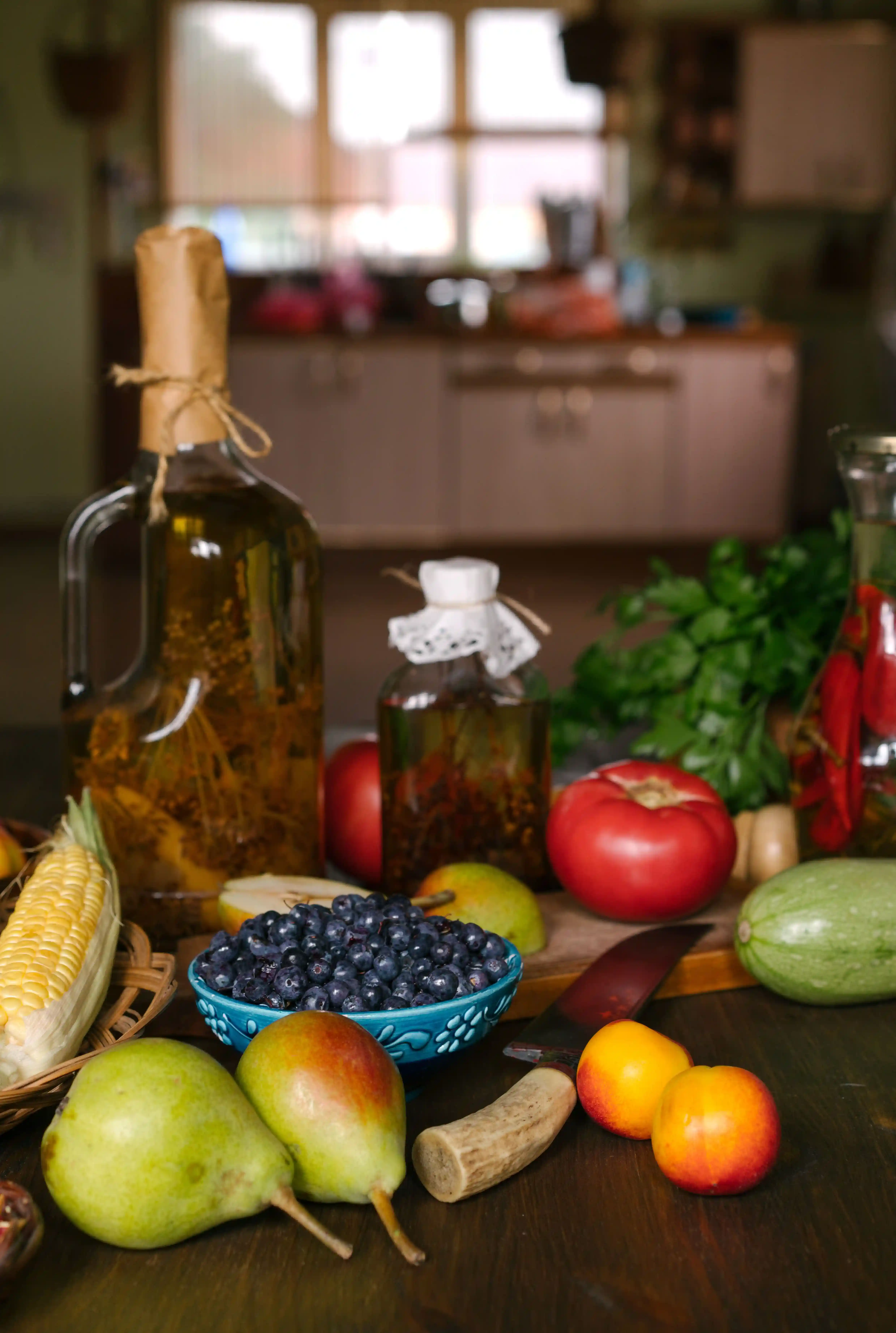
Emphasize Plant Foods
Fill most of your plate with:
- Vegetables (especially leafy greens)
- Legumes (beans, lentils)
- Whole grains
- Fruits (especially berries)
- Nuts and seeds
Portion Guidance
Blue Zone centenarians typically eat small portions of meat and dairy, with beans and vegetables making up the bulk of their calories. This doesn't mean you must eliminate animal products—just make them smaller portions of a plant-focused diet.
Quality Protein: The Blue Zone + NYT Approach
Include daily protein, with special attention to distribution across meals:
Blue Zone protein sources (naturally high-quality):
- Fish (especially fatty fish) - 2-3 times weekly
- Legumes (beans, lentils) - daily
- Eggs - 2-3 times weekly
- Poultry in moderation
- Dairy (fermented preferred - Greek yogurt, kefir)
- Occasional red meat (lean cuts)
NYT-recommended protein pacing (for seniors over 60):
- Breakfast (25-30g protein): Greek yogurt + 1 egg + nuts (reaches leucine threshold)
- Lunch (25-30g protein): Fish or poultry + legumes (combined leucine ≥ 2.5g)
- Dinner (25-30g protein): Tofu or fish + beans (maintains MPS overnight)
Why Protein Pacing Matters
The 2026 NYT longevity analysis found that seniors who distribute protein across 3-4 meals synthesize 40% more muscle protein than those who eat most protein in one meal. This is critical for preventing sarcopenia (age-related muscle loss) and maintaining independence.
Protein Sources Comparison
| Food | Protein per Serving | Frequency in Blue Zones |
|---|---|---|
| Fish | 20-25g per 3 oz | 2-3 times weekly |
| Beans | 15g per cup | Daily |
| Eggs | 6g per egg | 2-3 times weekly |
| Poultry | 25g per 3 oz | Limited |
| Red Meat | 25g per 3 oz | Rarely (once per month) |
| Dairy | 8g per cup | Fermented preferred |
Healthy Fats
Prioritize:
- Olive oil
- Avocados
- Nuts and seeds
- Fatty fish
- Coconut oil (use sparingly)
The Power of Olive Oil
Olive oil is a cornerstone of Blue Zone diets, particularly in Sardinia and Ikaria. Research from Harvard Health suggests that the monounsaturated fats in olive oil may support heart health and reduce inflammation.
Limit These Foods
Reduce or avoid:
- Added sugars
- Refined grains
- Processed foods
- Excessive sodium
- Trans fats
- Ultra-processed snacks
25 Longevity Foods to Eat More Often
The 25 foods below come up repeatedly across the zones and in nutrition research. Resist treating the table as a checklist of magic ingredients: in Blue Zone kitchens, beans are eaten by the cup, nuts by the ounce, and packaged, ultra-processed foods barely enter the house:
| Food | Blue Zone | Key Benefit | Serving Suggestion |
|---|---|---|---|
| Beans | All Zones | Fiber + Protein | 1 cup daily |
| Olive Oil | Ikaria, Sardinia | Heart Health | 2 tbsp daily |
| Sweet Potatoes | Okinawa | Antioxidants | 1 medium daily |
| Sardines | Sardinia | Omega-3 + Calcium | 3 oz 2x weekly |
| Walnuts | Loma Linda | Brain Health | 1 oz daily |
| Greek Yogurt | Ikaria, Sardinia | Gut Health | 1 cup daily |
| Leafy Greens | All Zones | Vitamins + Minerals | 2 cups daily |
| Berries | Loma Linda | Antioxidants | 1/2 cup daily |
| Whole Grains | All Zones | Fiber + B Vitamins | 1 cup daily |
| Avocado | Nicoya | Healthy Fats | 1/2 daily |
| Garlic | Sardinia, Ikaria | Immune Support | 1 clove daily |
| Green Tea | Okinawa | Antioxidants | 3 cups daily |
| Salmon | All Zones | Omega-3 | 3 oz 2x weekly |
| Eggs | All Zones | Protein + Choline | 1-2 daily |
| Almonds | Loma Linda | Vitamin E | 1 oz daily |
| Tomatoes | All Zones | Lycopene | 1 cup daily |
| Broccoli | All Zones | Vitamin C + Fiber | 1 cup daily |
| Quinoa | Modern Adaptation | Complete Protein | 1/2 cup daily |
| Dark Chocolate | Ikaria (moderate) | Flavanols | 1 square daily |
| Turmeric | All Zones | Anti-inflammatory | 1 tsp daily |
| Chickpeas | All Zones | Plant Protein | 1/2 cup daily |
| Cabbage | Sardinia | Fiber + Vitamin K | 1 cup daily |
| Pomegranate | Mediterranean | Antioxidants | 1/2 cup daily |
| Mushrooms | Okinawa | Vitamin D | 1 cup daily |
| Pistachios | Loma Linda | Heart Health | 1 oz daily |
Foods to Focus On
You don't need to eat all 25 foods daily. Start by adding 2-3 new longevity foods to your diet each week and build from there. Consistency matters more than perfection.
Practical Application
Getting Started with Blue Zone Eating
📝Step-by-Step Guide
- 1Start by adding one more serving of vegetables to your daily meals
- 2Replace refined grains with whole grains: brown rice instead of white
- 3Include beans in at least one meal per day: soups, salads, or sides
- 4Swap one processed snack for a handful of nuts or fresh fruit
- 5Use olive oil as your primary cooking fat instead of butter
- 6Practice the 80% rule: stop eating before you feel completely full
Sample Day of Blue Zone Eating
Breakfast: Oatmeal with berries and walnuts, green tea
Morning Snack: Handful of almonds and an apple
Lunch: Large salad with leafy greens, beans, and olive oil dressing, whole grain bread
Afternoon Snack: Greek yogurt with honey and figs
Dinner: Grilled fish with roasted vegetables and quinoa, glass of red wine (optional)
Meal Prep Tips
Batch cooking beans and grains on weekends makes it easier to assemble Blue Zone meals during busy weekdays. Keep pre-washed greens and cut vegetables ready for quick salads and stir-fries.
Common Mistakes to Avoid
Mistake 1: Going Too Extreme
Dramatically cutting all processed foods overnight can be overwhelming. Start with small, sustainable changes you can maintain long-term.
Mistake 2: Overemphasizing Restriction
The Blue Zone diet isn't about what you can't eat—it's about what you CAN enjoy in abundance. Focus on adding nutrient-dense foods rather than obsessing over forbidden items.
Mistake 3: Ignoring Protein Needs
Some seniors cut back too much on protein in pursuit of plant-based eating. Adequate protein (1.0-1.2g per kg body weight) is essential for maintaining muscle mass as we age.
Mistake 4: Skipping Meals
Some longevity practices involve fasting, but skipping meals can lead to nutrient deficiencies and muscle loss in seniors. Focus on eating balanced meals rather than severe calorie restriction.
What to Expect: Realistic Timeline
Short-Term Changes (Weeks 1-4)
You may notice improved energy levels, better digestion, and more stable blood sugar within the first few weeks. These early wins can be motivating.
Medium-Term Benefits (Months 2-6)
Over several months, many people experience easier weight management, improved cholesterol levels, and better overall vitality. These changes support long-term health.
Long-Term Impact (Year 1+)
Sustained Blue Zone eating habits contribute to better health outcomes, reduced disease risk, and potentially longer healthspan—the years you spend healthy and active.
Supplements That Complement a Longevity Diet
A pattern built around beans, vegetables, and a couple of handfuls of nuts already covers most nutritional bases—when protein needs are also met, it's the closest thing to protection against sarcopenia that a plate can offer. Even so, some seniors may benefit from targeted supplements to fill specific gaps or support specific health goals.
Consult Your Healthcare Provider First
Before starting any supplement regimen, discuss your individual needs with your healthcare provider, especially if you're managing chronic conditions or taking medications.
Omega-3 Fish Oil
Omega-3 fatty acids support:
- Heart health: May help maintain healthy cholesterol levels
- Brain health: Supports cognitive function and memory
- Inflammation response: May reduce systemic inflammation
Learn about the Best Omega-3 Supplements for Seniors.
Vitamin D3
Vitamin D supports:
- Bone health: Enhances calcium absorption
- Immune health: Supports immune system function
- Mood regulation: May support emotional well-being
Many seniors are deficient in vitamin D, especially during winter months. See our Vitamin D Supplements Guide.
Magnesium
Magnesium supports:
- Sleep quality: Helps regulate sleep cycles
- Blood pressure: May support healthy blood pressure levels
- Muscle function: Supports muscle relaxation and recovery
Learn about Best Magnesium Supplements.
Protein Powder
Protein powder supports:
- Muscle preservation: Essential for maintaining muscle mass as we age
- Convenience: Easy way to boost protein intake
- Nutrient absorption: High-quality protein for optimal absorption
Check out our Best Protein Powders for Seniors.
Probiotics
Probiotics support:
- Gut health: Maintains healthy gut microbiome
- Digestion: Supports regular bowel function
- Immune health: 70% of immune system is in the gut
Discover Best Probiotic Supplements for Seniors.
Blue Zone Diet Cheat Sheet
Quick reference for incorporating Blue Zone principles into your daily eating:
| Eat More | Eat Less |
|---|---|
| Beans & Legumes | Soda & Sugary Drinks |
| Vegetables (especially greens) | Chips & Processed Snacks |
| Olive Oil | Margarine & Trans Fats |
| Fatty Fish | Processed Meats |
| Nuts & Seeds | Candy & Sweets |
| Whole Grains | Refined Grains |
| Fruits | Ultra-Processed Foods |
| Fermented Foods | Fried Foods |
Print This Cheat Sheet
Keep this handy reference in your kitchen to remind you of Blue Zone eating principles as you plan meals and snacks.
FAQ Schema Questions
What is the longevity diet based on? The longevity diet is based on research from Blue Zones—regions where people live longest—and scientific evidence about nutrition and aging. The National Institute on Aging and Harvard Health have published research supporting many of these dietary principles.
Do I need to become vegetarian for longevity? No, the Blue Zone diet emphasizes plant foods but doesn't require vegetarianism. Many Blue Zone populations eat small amounts of meat and dairy, particularly on special occasions. Quality and quantity matter more than complete elimination.
How much protein do seniors need on a longevity diet? Seniors typically need 1.0-1.2 grams of protein per kilogram of body weight daily, slightly higher than younger adults to maintain muscle mass. This is roughly 75-90 grams for a 150-pound person.
Is intermittent fasting part of the longevity diet? Yes, many Blue Zone populations naturally practice time-restricted eating through their eating patterns. This may include eating their smallest meal in late afternoon or early evening, which aligns with some fasting practices.
What are the 10 Blue Zone dietary principles? The 10 principles include: plant slant, hunger management, 80% rule, bean factor, grain power, wine at 5, meat wisdom, fish advantage, sugar六6, and water first. These are shared practices among the world's longest-living populations.
Can the Blue Zone diet help with existing health conditions? Research suggests that Blue Zone eating principles may support management of diabetes, heart disease, and other chronic conditions common in seniors. However, always work with your healthcare provider to develop an eating plan tailored to your specific health needs.
How quickly can I see results from Blue Zone eating? Many people notice improved energy and digestion within the first few weeks. More significant changes in weight, cholesterol, and blood sugar typically appear over 2-3 months of consistent practice.
What if I have difficulty eating enough protein on a plant-focused diet? Seniors with higher protein needs or difficulty eating solid foods may benefit from protein supplements or meal strategies. Consult our Protein Supplements for Seniors guide for options.
Related Articles
- Mediterranean Diet for Seniors - Another evidence-based eating pattern for healthy aging
- Anti-Inflammatory Foods for Seniors - Reducing inflammation through diet
- Best Omega-3 Supplements for Seniors - Supporting brain and heart health
- Heart-Healthy Foods for Over 60 - Cardiovascular nutrition guide
- Senior Muscle Wasting Nutrition - Protein needs and muscle preservation
- Gut Health Foods for Seniors - Fermented foods and fiber for digestive wellness
- Bone Health Nutrition Guide - Calcium, vitamin D, and bone support
- Diabetes Management Diet - Blood sugar-friendly eating patterns
References
- Patel, R. (2026, July 28). 9 Things Experts Wish You'd Do in Midlife to Increase Longevity. The New York Times. NYTimes.com
- National Institute on Aging (NIA). (2024). Diet and Healthy Aging: Current Research.
- Harvard Health Publishing. (2024). The Blue Zone Diet.
- National Geographic. (2024). Blue Zones Research.
- Journal of Gerontology. (2024). Plant-Based Diets and Longevity in Older Adults.
- Mayo Clinic. (2024). Nutrition for Seniors: Healthy Eating Tips.
- Centers for Disease Control and Prevention (CDC). (2024). Healthy Eating for Older Adults.
- World Health Organization (WHO). (2023). Diet, Nutrition and the Prevention of Chronic Diseases.
- American Heart Association (AHA). (2024). Mediterranean Diet and Heart Health.
- Buettner, D. (2012). The Blue Zones: Lessons for Living Longer From the People Who've Lived the Longest. National Geographic Society.
- Bhasin, S., et al. (2023). "Protein Distribution and Muscle Protein Synthesis in Aging." American Journal of Clinical Nutrition, 117(6), 1123-1132. DOI
- Biagi, E., et al. (2023). "Gut Microbiome Diversity and Longevity in Adults Over 60." Cell Host & Microbe, 31(8), 1256-1268. DOI