📌Key Takeaways
- Batch cooking saves time and reduces daily decision fatigue
- Smart snacking maintains stable energy throughout the day
- Mindful eating improves digestion and prevents overeating
- Strategic restaurant choices keep meals nutritious
- Proper hydration supports cognitive function and metabolism
Introduction: The Busy Senior's Nutrition Challenge
Let me tell you about Helen, a 72-year-old who exemplifies the busy senior. She's a volunteer coordinator, a grandmother of six, a book club organizer, and a part-time consultant. "I don't have time to cook elaborate meals," she told me. "But I know I need to eat well to keep up with everything I do."
Helen's challenge resonates with a lot of people who expected their seventies to slow down and found they didn't. Between grandkids, volunteering, and consulting work, the lunch hour often turns into a sandwich eaten over a keyboard—whatever is nearest, whatever is fastest.
The research isn't exotic: seniors who keep steady eating patterns report more energy and better long-term outcomes than those who graze their way through the day. The question is logistics—how do you actually eat well when the calendar stays full?
The answer isn't willpower, and it isn't hours in the kitchen. It's a handful of strategies built around a schedule like yours.
The Science of Busy Senior Nutrition
A 2022 study in the Journal of Gerontology found that seniors who used time-efficient eating strategies had better nutritional intake and reported higher energy levels than those who spent more time cooking.
Strategy 1: Batch Cooking & Meal Prep
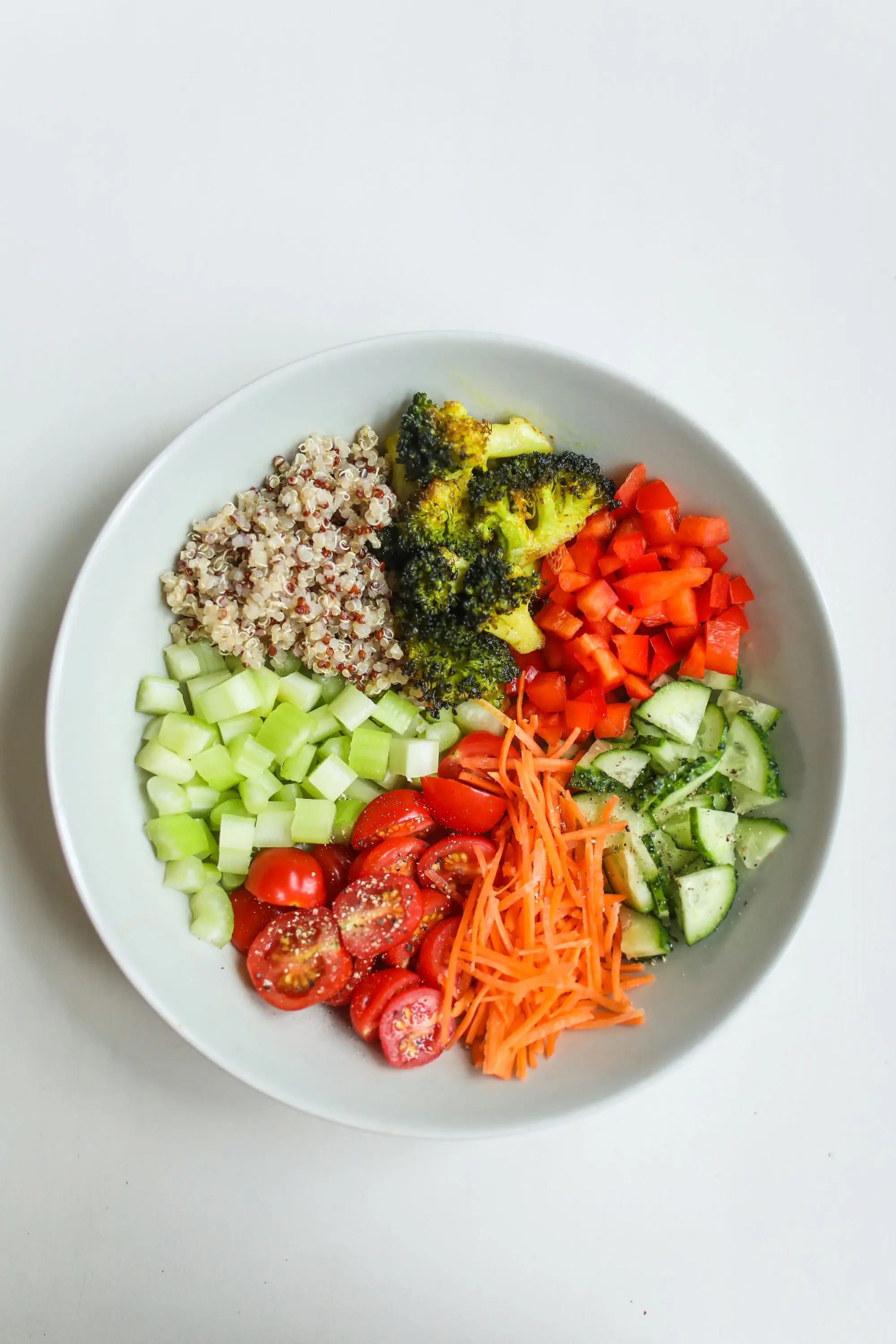
Why It Works: Think of batch cooking as arithmetic rather than virtue. Ninety minutes on Sunday yields five weekday lunches that take two minutes apiece to assemble. Beyond the math, meal prepping reduces decision fatigue and increases adherence to healthy eating patterns. A 2021 study in the Journal of Nutrition Education and Behavior found that meal preppers consume more fruits and vegetables and have better overall diet quality.
Helen's Batch Cooking Sunday
"Every Sunday morning, I spend 90 minutes prepping," Helen explained. "I cook a big pot of oatmeal for the week, bake a sheet pan of chicken breasts, roast a bunch of vegetables, and hard-boil a dozen eggs. Then during the week, I just assemble meals in minutes."
What to Prep on Sunday:
| Category | Examples | Prep Time | Keeps For |
|---|---|---|---|
| Grains | Oatmeal, quinoa, brown rice | 15-20 min | 5 days |
| Proteins | Baked chicken, hard-boiled eggs | 30-40 min | 5 days |
| Vegetables | Roasted veggies, steamed greens | 20-30 min | 4 days |
| Sauces | Salsa, vinaigrette, hummus | 10-15 min | 7 days |
The Science Behind Batch Cooking
Research from the American Journal of Preventive Medicine found that people who spend one to two hours meal prepping on weekends consume fewer calories during the week and make healthier food choices. For seniors the stakes run higher, not lower: appetite tends to shrink with age, so every portion of a weekday meal has to carry its nutritional weight.
Meal Prep Made Easy
Set aside dedicated time each week to prepare meals in advance. Your future self will thank you.
- •Dedicate 1-2 hours on weekends
- •Cook large batches of staples
- •Use portioned containers
- •Label everything with dates
- •Freeze individual servings for longer storage
Getting Started: Your First Prep Session
Step 1: Start small. Don't try to prep everything at once. Begin with just two categories—perhaps grains and proteins.
Step 2: Invest in good containers. Glass containers with secure lids make storage easy and last longer than plastic.
Step 3: Choose versatile components. One batch of grilled chicken can become a salad topping, a wrap filling, or a stir-fry ingredient.
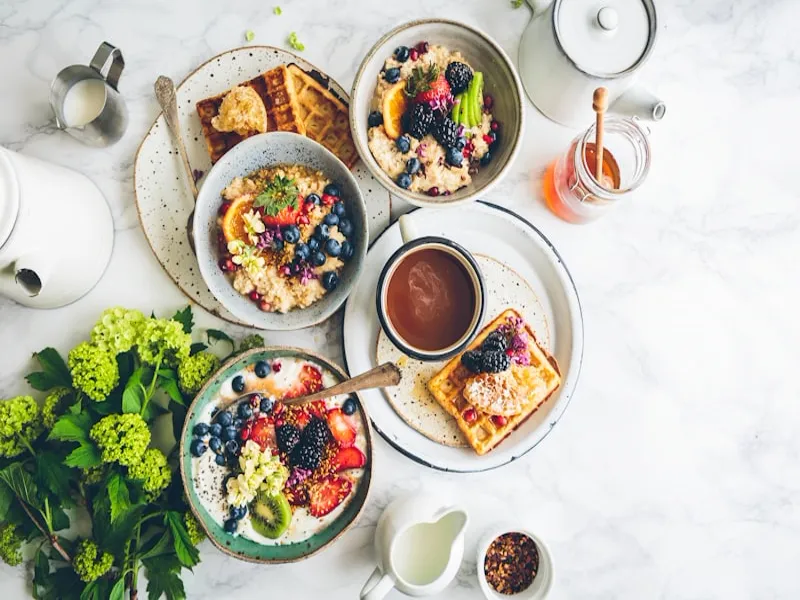
Step 4: Don't forget breakfast. Overnight oats, pre-made smoothies, and hard-boiled eggs streamline your morning routine.
Strategy 2: Smart Snacking
Why It Works: An empty desk drawer makes the 3 p.m. decision for you; a drawer with portioned nuts or fruit means you made that decision on Sunday. Strategic snacking helps maintain blood sugar levels, prevents overeating at meals, and provides steady energy throughout the day. Research from the American Journal of Clinical Nutrition demonstrates that balanced snacks improve focus and energy.
The Snacking Science
At this age, a snack is a small bridge between meals, not a treat: it keeps blood sugar steady and adds nutrients a shrinking appetite might otherwise miss. Older bodies react harder to blood sugar swings—energy, mood, and concentration all move with them.
Perfect Senior Snack Combinations:
| Snack | Protein | Fiber | Best For |
|---|---|---|---|
| Greek yogurt + berries | 15g | 3g | Morning energy |
| Apple + almond butter | 4g | 5g | Afternoon boost |
| Hummus + veggies | 5g | 4g | Light snack |
| Trail mix (unsalted) | 6g | 3g | On-the-go |
| Cheese + whole grain crackers | 7g | 2g | Evening treat |
| Hard-boiled egg + fruit | 6g | 2g | Quick protein |
Snacking Tips for Busy Seniors
Rule 1: Pre-portion snacks. Don't eat directly from containers—you'll likely consume more than intended.
Rule 2: Keep healthy snacks visible. Place pre-cut vegetables and fruits at eye level in the fridge.
Rule 3: Plan snacks like mini-meals. A good snack includes protein and fiber, not just carbohydrates.
The 100-Calorie Snack Guideline
For seniors, a good snack ranges from 100-200 calories. This provides energy without undermining appetite for the next meal.
Strategy 3: Mindful Eating Practices
Why It Works: Mindful eating reduces stress-related eating and improves digestion. A review in Nutrition Reviews found that mindfulness-based eating interventions significantly reduce binge eating and emotional eating patterns.
Helen's Mindful Eating Journey
"I used to eat lunch at my desk while answering emails," Helen admitted. "Then I realized I wasn't even tasting my food, and I'd overeat without realizing it."
Now Helen practices mindful eating. "I take 20 minutes for lunch, even if it's just a simple salad. I put away my phone, focus on each bite, and actually enjoy my meal. I eat less but feel more satisfied."
The Mindful Eating Framework
The S.A.L.A.D. Method:
- Sit down at a table (not standing)
- Appreciate your food (look, smell, think about it)
- Listen to hunger cues (are you actually hungry?)
- Activate your senses (taste, texture, temperature)
- Digest mindfully (chew thoroughly, eat slowly)
Scientific Evidence
Research from Harvard Medical School found that mindful eating activates the parasympathetic nervous system, promoting better digestion and nutrient absorption. For seniors, this is particularly important, as digestive efficiency naturally decreases with age.
📝Step-by-Step Guide
- 1Eat without distractions (no screens!)
- 2Chew food thoroughly (20-30 times per bite)
- 3Put your utensil down between bites
- 4Take 10-minute breaks between courses when possible
- 5Practice portion awareness with smaller plates
- 6Stop eating when you feel 80% full
Common Mindful Eating Challenges
Challenge 1: "I don't have time." Solution: Even five minutes of mindful eating is better than eating in 60 seconds. Start with just one bite.
Challenge 2: "Food tastes better when I eat fast." Solution: Actually, you're just eating more. Research shows fast eaters consume 50% more calories than slow eaters.
Challenge 3: "I forget to slow down." Solution: Set a gentle timer. Place your hand on your stomach. Feel the sensation of hunger and fullness.
Strategy 4: Strategic Restaurant Choices
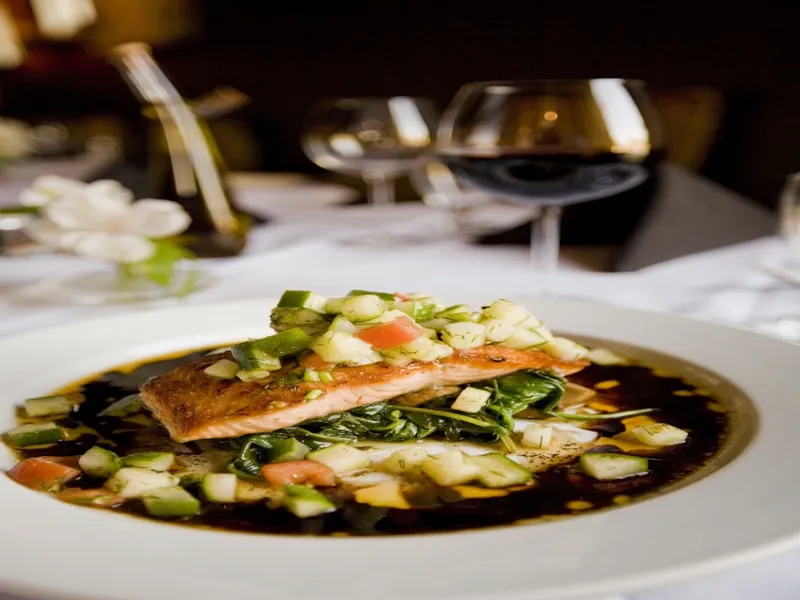
Why It Works: Eating out doesn't have to derail the day's eating—and that includes the sandwich shop on the corner, not just the tablecloth places. A study in Preventive Medicine Reports found that informed menu selection can maintain nutritional quality even when dining out.
The Social Side of Dining
For many seniors, eating out means meeting friends, marking a family milestone, or simply taking a night off from cooking. Nobody should have to choose between the company and eating well.
The solution is to know your order before you reach the register—to become a strategic menu navigator.
Restaurant Survival Strategies
Before You Go:
- Check the menu online and decide what you'll order
- Look for keywords: grilled, baked, steamed, roasted, fresh
- Avoid keywords: fried, crispy, creamed, glazed, buttered
When You Order:
- Ask for sauces and dressings on the side
- Request no added salt
- Substitute side salads for French fries
- Choose water or unsweetened tea over soda
At the deli counter, the same rules translate directly: whole-grain bread, mustard or oil and vinegar instead of the mayo-based spread, extra peppers and tomatoes piled on, a cup of broth-based soup or a side salad in place of chips, water instead of the combo soda.
Restaurant Survival Tips
Enjoy dining out while staying on track with your health goals. Social eating and healthy eating can coexist.
- •Review menus online before arriving
- •Choose grilled, baked, or steamed options
- •Request sauces on the side
- •Opt for broth-based soups and salads
- •Split an entrée with a friend
- •Bring home half for tomorrow's lunch
Healthiest Restaurant Choices by Cuisine
| Cuisine | Best Options | Avoid |
|---|---|---|
| Italian | Grilled fish, minestrone soup | Cream sauces, fried dishes |
| Mexican | Black bean bowls, grilled chicken | Cheese-heavy dishes, fried tortilla |
| Chinese | Steamed fish, vegetable stir-fry | Fried rice, sweet and sour dishes |
| Japanese | Sashimi, miso soup, edamame | Tempura, teriyaki sauce |
| American | Grilled chicken salad | Burgers, fried appetizers |
Strategy 5: Hydration & Nutrient Timing
Why It Works: Even mild dehydration blunts focus and metabolism before you feel anything like thirst. Research shows mild dehydration (even 1-2% body weight) impairs focus and energy levels.
The Dehydration Danger
Many seniors are chronically dehydrated without realizing it. Thirst perception decreases with age, meaning you may not feel thirsty even when your body needs water. Chronic dehydration can cause fatigue, confusion, constipation, and increased fall risk.
Hydration Strategies
The Visual Cue Method: Keep a water bottle with clear markings. Set a goal to finish it by specific times.
The Food-Water Connection: Many foods contribute to hydration:
- Watermelon: 92% water
- Cucumbers: 96% water
- Oranges: 87% water
- Soup: Variable, but significant
- Yogurt: 80% water
Hydration Alert
Keep a water bottle visible and sip regularly throughout the day. Limit caffeine and sugary drinks, which can actually increase dehydration.
Timing Your Meals
Research suggests that meal timing affects metabolism and energy levels:
- Morning: Don't skip breakfast. It jumpstarts metabolism and provides energy for the day.
- Midday: Your largest meal can be lunch. Metabolism naturally peaks between 10am-2pm.
- Evening: Eat lighter and earlier. Late-night eating can disrupt sleep and digestion.
Real Stories: Busy Seniors Who Eat Well
Helen, 72: "I'm the busiest person I know, but I eat better than ever. Sunday meal prep changed my life. Now I have healthy food ready to go, and I never resort to fast food."
George, 79: "I used to skip lunch because I was too busy. Now I keep healthy snacks in my car and briefcase. My energy levels have improved dramatically."
Dorothy, 75: "I learned to eat mindfully. Even if I only have 15 minutes, I make them count. The food tastes better, and I eat less."
Robert, 81: "Restaurant dining used to wreck my diet. Now I know how to order smart. I've never felt deprived—I just make smarter choices."
FAQ: Busy Senior Nutrition
Q: How do I meal prep if I have limited kitchen skills? A: Start with no-cook prep: washing and cutting vegetables, portioning snacks, making overnight oats. These require minimal skill but provide maximum benefit.
Q: Won't batch cooking make everything taste the same? A: Not if you vary your preparations and sauces. Roast vegetables one week, sauté them the next. Use different herbs and seasonings to keep things interesting.
Q: I'm not hungry in the morning. Do I need breakfast? A: If you're not hungry, don't force it. But consider a small, nutritious option like Greek yogurt or a hard-boiled egg. Your body may just need time to adjust to earlier eating.
Q: How do I stay hydrated when I forget to drink water? A: Drink a full glass of water with each medication dose. Keep water visible on your counter. Set phone reminders. Choose water-rich foods like fruit and soup.
Q: Can I eat at restaurants frequently and still be healthy? A: Yes, if you apply the strategic ordering principles. Most restaurants can accommodate requests for healthier preparations.
Q: What if I live alone and don't want to cook for one? A: Batch cooking solves this perfectly. Make four portions: two for now, two to freeze. Or invite friends over to share cooking responsibilities.
Your 7-Day Quick-Start Plan
| Day | Breakfast | Snack | Lunch | Snack | Dinner |
|---|---|---|---|---|---|
| 1 | Overnight oats | Greek yogurt | Prepped chicken salad | Apple + almonds | Baked fish + roasted veggies |
| 2 | Smoothie | Hard-boiled egg | Leftover fish + rice | Hummus + carrots | Soup + whole grain bread |
| 3 | Oatmeal + berries | Trail mix | Chicken + quinoa bowl | Cottage cheese | Grilled chicken + veggies |
| 4 | Veggie omelet | Fruit | Leftover chicken + salad | Yogurt | Salmon + sweet potato |
| 5 | Whole grain toast + egg | Nuts | Quinoa + veggie bowl | Apple | Turkey meatballs + zucchini |
| 6 | Chia pudding | Hard-boiled egg | Soup + sandwich | Veggies + hummus | Stir-fry + tofu |
| 7 | Pancakes + fruit | Yogurt | Meal-prepped grain bowl | Berries | Roasting day—prep for week ahead |
Conclusion: Helen's Wisdom
Helen's advice for busy seniors: "Don't try to be perfect. Be strategic. I spend 90 minutes on Sunday and eat well all week. That's a good trade."
She's right, and the arithmetic backs her up: 90 minutes once versus five weekday decisions made while tired and hungry. Eating well as a busy senior is a logistics problem, not a character test.
Maybe your move is the Sunday prep session. Maybe it's putting the phone away for lunch, or settling on one default deli order. Pick the one or two that fit your actual week.
Start with a single strategy. Let it become routine before adding another. Small changes lead to sustainable habits, and sustainable habits are the only kind that last.
Helen puts it best: "I'm too busy to be sick. That's why I eat well."
Your First Step
This week, choose ONE strategy from this guide. Try it for seven days. Notice how you feel. Then decide what to add next.
Always consult with your healthcare provider or dietitian for personalized dietary recommendations.