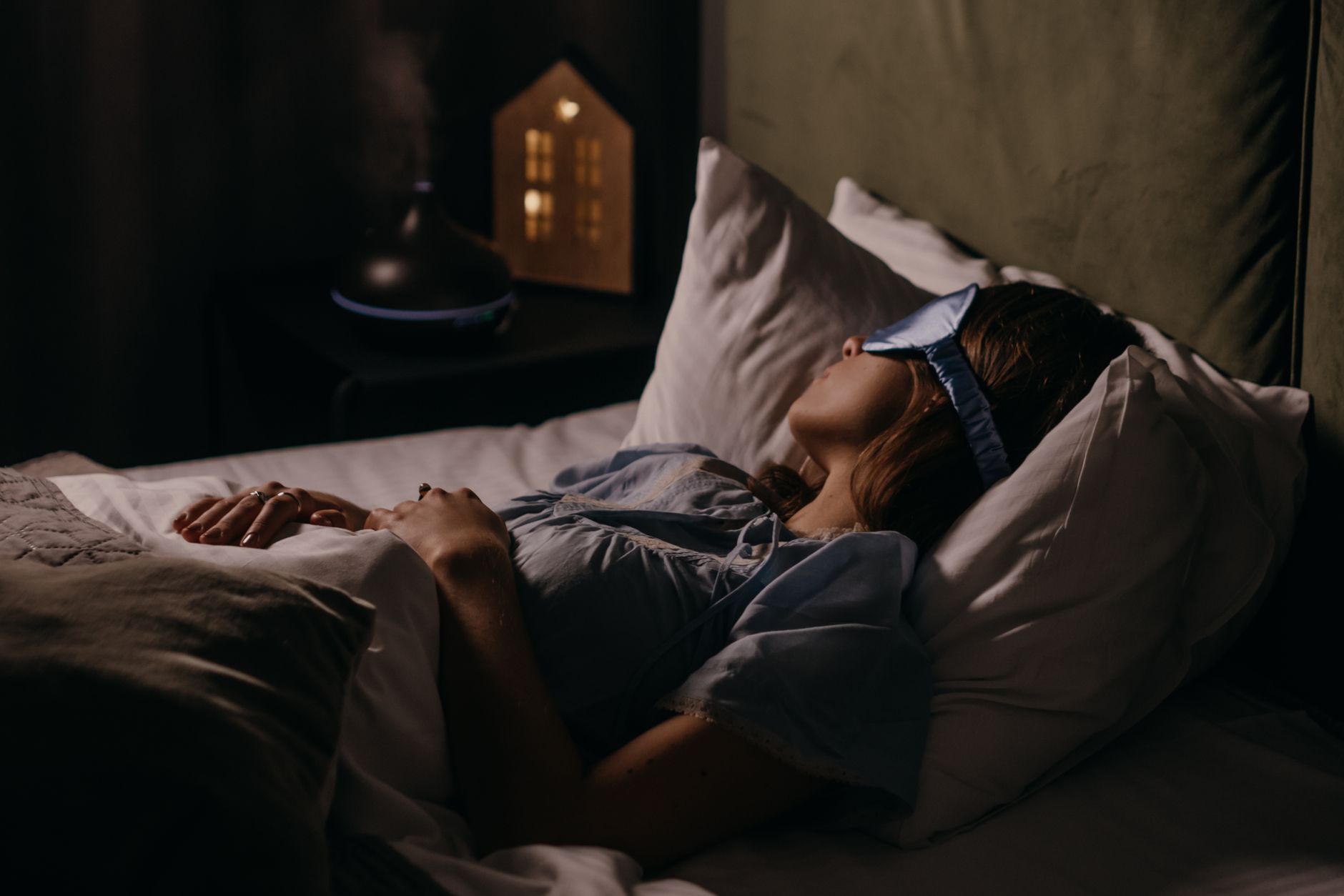
How Much Sleep Do Seniors Need? Sleep Requirements After 70
One of the most common questions seniors ask is: "How much sleep do I really need?" The answer may surprise you - it's not just about quantity, but quality too.
Sleep Recommendations by Age
According to sleep experts, here are the general recommendations:
| Age Group | Recommended Sleep |
|---|---|
| Adults (18-64) | 7-9 hours |
| Older Adults (65+) | 7-8 hours |
Why Sleep Needs Change with Age
As we age, several factors affect our sleep patterns:
1. Circadian Rhythm Shifts
- Earlier bedtime and wake time
- Reduced melatonin production
- More sensitive to light changes
2. Sleep Architecture Changes
- Less deep sleep (slow-wave sleep)
- More fragmented sleep
- Increased nighttime awakenings
3. Health Factors
- Medical conditions affecting sleep
- Medications that disrupt sleep
- Increased need for nighttime bathroom visits
Quality vs. Quantity: What Matters More?
Many seniors worry about getting "enough" sleep, but research shows that sleep quality is more important than quantity.
Signs of quality sleep include:
- Falling asleep within 30 minutes
- Waking up no more than once or twice per night
- Falling back asleep quickly if awakened
- Feeling refreshed upon waking
Common Sleep Misconceptions
Myth: Seniors need less sleep as they age
Fact: While total sleep time may decrease slightly, the need for quality sleep remains essential for health and well-being.
Myth: Napping during the day is bad
Fact: Short naps (20-30 minutes) can be beneficial for energy and alertness. The key is avoiding long naps late in the day.
Myth: 8 hours is the magic number
Fact: Individual sleep needs vary. Some seniors thrive on 6 hours of quality sleep, while others need 8 hours.
When to Be Concerned
If you experience any of the following, it may indicate a sleep disorder:
- Loud snoring or gasping during sleep
- Excessive daytime sleepiness
- Difficulty falling asleep most nights
- Waking up frequently and struggling to fall back asleep
- Morning headaches or dry mouth
Tips for Improving Sleep Quality
- Stick to a schedule: Go to bed and wake up at the same time daily
- Optimize your sleep environment: Keep room cool, dark, and quiet
- Limit naps: Keep them short and earlier in the day
- Get morning sunlight: 10-15 minutes helps regulate your circadian rhythm
- Avoid stimulants: Limit caffeine and nicotine, especially later in the day
Talk to Your Doctor
If you're consistently tired during the day despite getting enough sleep, or if you have concerns about your sleep patterns, consult your healthcare provider.
Related Articles
References
- National Sleep Foundation. (2024). Sleep Duration Recommendations. Retrieved from https://www.sleepfoundation.org/
- National Institute on Aging. (2023). Sleep and Aging. Retrieved from https://www.nia.nih.gov/
Disclaimer: This article is for educational purposes only and should not be considered medical advice.