📌Key Takeaways
- Exercise can help manage knee pain when done correctly
- Low-impact activities protect joints while keeping you active
- Strengthening muscles around the knee provides crucial support
- Proper form and technique are essential for safety
- A daily routine can improve knee health over time
Understanding Knee Pain in Seniors
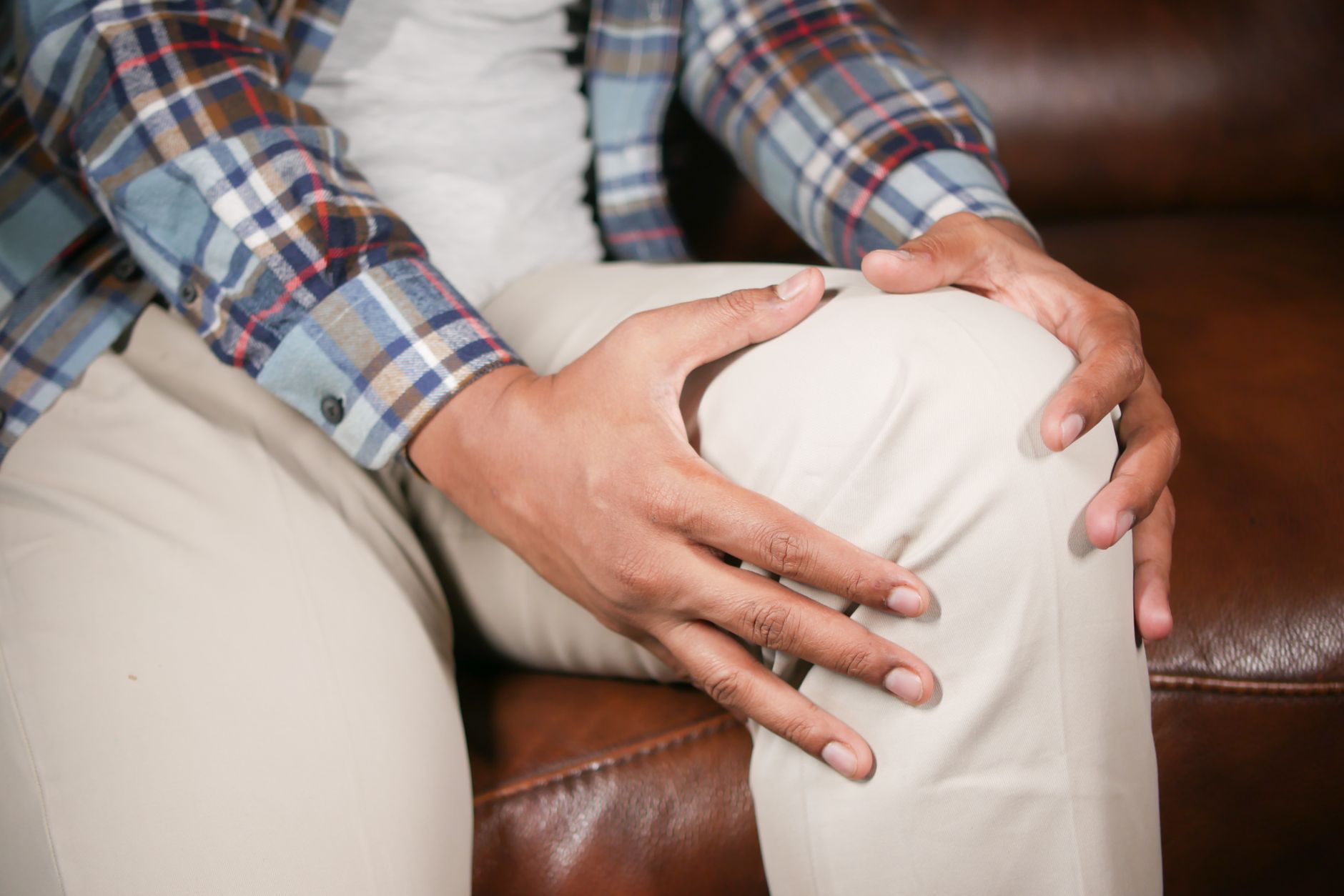
Some mornings the knee files its complaint before you're fully out of bed, and the last thing it wants is a workout built around bending it. Knee trouble in later years usually traces to one of a handful of causes:
- Osteoarthritis (wear and tear)
- Previous injuries
- Tendinitis
- Bursitis
- Meniscus issues
- General wear from years of use
The challenge? Exercise is actually one of the best treatments for knee pain—but many exercises can make it worse. The way around this is a workout day that barely passes through the knee: water work, a bike, and seated upper-body lifting can carry most of the load while the joint settles.
The Exercise-Knee Pain Connection
It might seem strange that exercise helps knee pain—after all, doesn't moving your knee make it hurt? The truth is that the right kind of exercise is one of the most effective treatments for knee pain in seniors.
Why exercise helps knees:
- Strengthens muscles that support the joint, taking pressure off cartilage
- Maintains flexibility and range of motion so your knee moves smoothly
- Helps control weight—every pound lost reduces knee pressure by 4 pounds
- Lubricates joints through movement, nourishing cartilage
- Improves balance to prevent falls that could further damage knees
The key: Choosing the RIGHT exercises. High-impact activities like running can make knee pain worse, but low-impact, controlled movements can significantly reduce pain over time.
Research Insight
A 2022 study in Arthritis Care & Research found that seniors with knee osteoarthritis who did supervised low-impact exercise twice weekly for 12 weeks reported a 40% reduction in pain and a 30% improvement in walking ability. The exercise group also used less pain medication than the control group.
Golden Rules for Knee-Friendly Exercise
- Avoid high impact: No jumping, running, or sudden stops
- Minimize deep flexion: if you squat at all, sit back to chair depth and stand right back up—never drop well below the seat level
- Keep movements controlled: No jerky or explosive movements
- Stay within pain limits: Some discomfort is okay; pain is not
- Warm up first: Never exercise cold joints
- Use support when needed: Chairs, walls, pools
Safe Movements for Bad Knees
Seated Exercises (Zero Impact)
1. Seated Marching
📝Step-by-Step Guide
- 1Sit tall in sturdy chair with feet flat
- 2Lift one knee toward chest
- 3Lower slowly
- 4Alternate with other leg
- 5Continue for 2-3 minutes
2. Leg Extensions
📝Step-by-Step Guide
- 1Sit with feet flat on floor
- 2Slowly extend one leg straight out
- 3Hold for 3 seconds
- 4Lower slowly
- 5Repeat 8-10 times per leg
3. Ankle Pumps
📝Step-by-Step Guide
- 1Sit with feet flat on floor
- 2Point toes away from body
- 3Flex toes toward body
- 4Repeat rapidly for 1 minute
Standing Exercises (Low Impact)
1. Standing Leg Lifts
📝Step-by-Step Guide
- 1Hold onto a chair for support
- 2Stand tall with feet shoulder-width apart
- 3Lift one leg out to the side
- 4Hold for 2 seconds
- 5Lower slowly
- 6Repeat 10-15 times per leg
2. Calf Raises (Modified)
📝Step-by-Step Guide
- 1Hold onto a chair for support
- 2Stand with feet flat
- 3Rise onto toes slightly
- 4Lower slowly
- 5Repeat 10-15 times
3. Wall Sits (Partial)
📝Step-by-Step Guide
- 1Stand with back against wall
- 2Slide down until knees are at 45-degree angle
- 3Don't go deeper than 90 degrees
- 4Hold for 10-30 seconds
- 5Slide back up
- 6Repeat 3-5 times
Water Exercises (Zero Impact)
Water exercises are ideal for seniors with bad knees because water supports your body weight:
- Water walking: Walk in chest-deep water
- Leg swings: Swing legs forward, backward, and sideways
- Knee lifts: Lift knees high while walking
- Water aerobics: Join a class specifically for seniors
Best Exercises for Bad Knees
1. Swimming and Water Walking
Why it's perfect:
- Zero impact on joints
- Water supports body weight
- Provides resistance for strengthening
- Warm water relaxes muscles
How to do it:
- Walk in chest-deep water for 5-10 minutes
- Swing arms naturally
- Keep steps controlled
- Try forward, backward, and side steps
2. Stationary Cycling
Benefits:
- Builds quad strength without joint stress
- Maintains knee mobility
- Can be done sitting down
- Easy to control intensity
Tips:
- Start with low resistance
- Raise seat so leg fully extends
- Don't pedal through pain
- Aim for 10-15 minutes initially
3. Chair Exercises
Seated Marching
- Sit tall in sturdy chair
- Lift knees alternately
- Continue for 2-3 minutes
- Rest when needed
Leg Extensions
- Sit with feet flat on floor
- Slowly extend one leg straight out
- Hold for 3 seconds
- Lower slowly
- Repeat 8-10 times each leg
4. Straight Leg Raises
Why it's great for knees:
- Strengthens quadriceps without bending the knee
- Supports the joint effectively
How to do it:
- Lie on your back or sit with one leg extended
- Keep the other foot flat on surface
- Slowly raise the extended leg to the height of the other knee
- Hold for 3 seconds
- Lower slowly
- Repeat 8-10 times each leg
5. Tai Chi and Yoga
Both are excellent because:
- Slow, controlled movements
- Improve balance
- Enhance flexibility
- Can be modified for any level
- Research shows they reduce knee pain
Look for classes specifically for seniors or those with joint issues.
6. Upper Body Strength Training
Upper-body days are the quiet secret of people who keep training through bad knees. Done seated, the knee stays entirely out of the movement:
- Arm curls with light weights
- Shoulder presses
- Chest presses
- Seated rowing
Twenty minutes of this twice a week keeps the arms, shoulders, and back in shape on the days walking or biking doesn't feel negotiable.
Exercises to AVOID with Bad Knees
These commonly done exercises are harmful for bad knees:
Exercises to Avoid
- Deep knee bends (full squats) - puts extreme pressure on knee joints
- Lunges - too much pressure on knee cap
- Running or jogging - high impact shock to knees
- Jumping jacks - sudden impact can damage cartilage
- High-impact aerobics - repetitive stress on joints
- Stair climbing (especially downhill) - steep incline strains knees
- Knee circles - can grind cartilage
- Plyometric exercises - explosive movements are too stressful
Daily Routine for Knee Health
Here's a sample 20-minute daily routine for seniors with bad knees:
Warm-up (5 minutes)
- Ankle pumps: 1 minute
- Knee bends (gentle): 10 repetitions
- Leg swings (hold chair): 10 forward, 10 backward per leg
- Deep breathing: 1 minute
Main Workout (12 minutes)
- Seated leg extensions: 15 per leg
- Standing leg lifts: 15 per leg
- Wall sits (partial): 3 sets of 20 seconds
- Straight leg raises: 15 per leg
- Marching in place: 2 minutes
- Arm exercises (light weights): 10 curls, 10 shoulder presses
Cool-down (3 minutes)
- Gentle knee stretches
- Calf stretches against wall
- Deep breathing
- Hydrate
Strengthening the Supporting Muscles
Strong muscles around the knee provide crucial support:
Quadriceps (front of thigh):
- Straight leg raises
- Wall sits (partial)
- Stationary cycling
Hamstrings (back of thigh):
- Hamstring curls (lying face down)
- Walking backward
Glutes:
- Clamshells (lying on side, knees bent, open top knee)
- Hip bridges
Calf muscles:
- Toe raises while holding chair
Tips for Managing Knee Pain During Exercise
Choosing the exercise is only half of it. The other half is the setup around the session and what you do in the hours afterward.
Before Your Workout
- Apply heat before exercising to loosen joints and relax muscles
- Warm up properly — never jump into intense exercise cold
- Wear knee braces if recommended by your doctor or physical therapist
- Choose proper footwear with good arch support and cushioning
- Consider KT tape for extra support during activity
During Your Workout
- Start slowly — give your knees time to warm up
- Stay within pain limits — some discomfort is normal; sharp pain is not
- Use proper form — bad form can make knee pain worse
- Modify as needed — if an exercise hurts, try a different version
- Exercise on soft surfaces when possible (carpet, grass, or pool instead of hard floors)
After Your Workout
- Cool down properly with gentle stretching
- Use ice if you experience swelling or increased pain
- Elevate your legs to reduce swelling
- Rest if needed — it's okay to take an extra day off
- Track your progress — note what helps and what doesn't
How to Progress Safely
When you have bad knees, it's important to progress slowly and listen to your body. Here's a safe progression plan:
Week 1-2: Build the habit
- 10-15 minutes per session, 2-3 days per week
- Focus on seated exercises and gentle movements
- Learn proper form with light or no resistance
Week 3-4: Increase duration
- 15-20 minutes per session
- Add standing exercises (holding onto support)
- Try water walking if you have access to a pool
Week 5-8: Add intensity
- 20-30 minutes per session
- Add light resistance (resistance bands or light weights)
- Include more variety in your routine
Remember: If pain increases and doesn't go away with rest, take a step back. Progress isn't always linear, and that's okay. Learn more about knee pain exercises for seniors for specific routines.
When to See a Doctor
Stop exercising and consult your doctor if you experience:
- Sharp, sudden knee pain
- Knee giving out or buckling
- Significant swelling
- Redness or warmth in the joint
- Inability to bear weight
- Pain that doesn't improve with rest
Frequently Asked Questions
Q: Is exercise good for bad knees?
A: Yes! The right exercises can strengthen muscles around the knee, improve mobility, and reduce pain. The key is choosing low-impact activities.
Q: What exercises should I avoid with knee arthritis?
A: Avoid high-impact exercises like running, jumping, deep squats, and lunges. Focus on low-impact activities like walking, swimming, and cycling.
Q: How often should I exercise with bad knees?
A: Aim for 3-5 days per week, starting with 10-15 minutes per session and gradually increasing.
Q: Can I do yoga with bad knees?
A: Yes! Chair yoga or modified yoga poses are excellent for seniors with knee issues. Avoid poses that require deep knee bends.
Q: Should I use a knee brace when exercising?
A: If your doctor recommends it, a knee brace can provide extra support. It's especially helpful for activities like walking or cycling.
Related Articles
Exercise & Fitness
- The Ultimate Senior Exercise Guide — Back to main guide
- Low-Impact Exercises for Seniors — Gentle workouts for joint health
- Chair Exercises for Seniors — Seated exercises that are easy on knees
- Tai Chi for Seniors — Slow movements that improve balance
- Exercise for Arthritis Seniors — Gentle exercises for arthritis sufferers
Always consult your doctor or physical therapist before starting a new exercise program when you have knee problems.