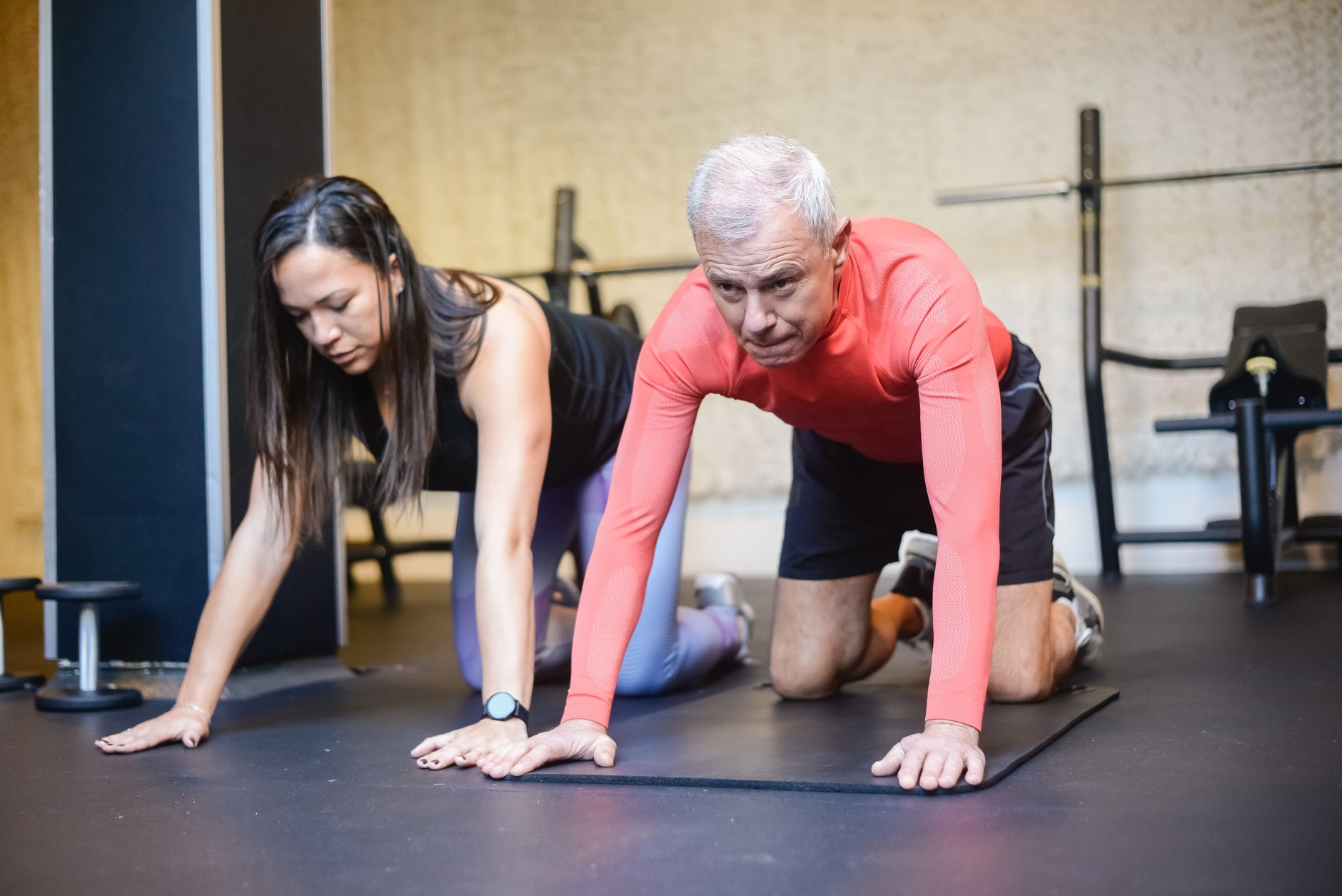
Stretching and Fall Prevention
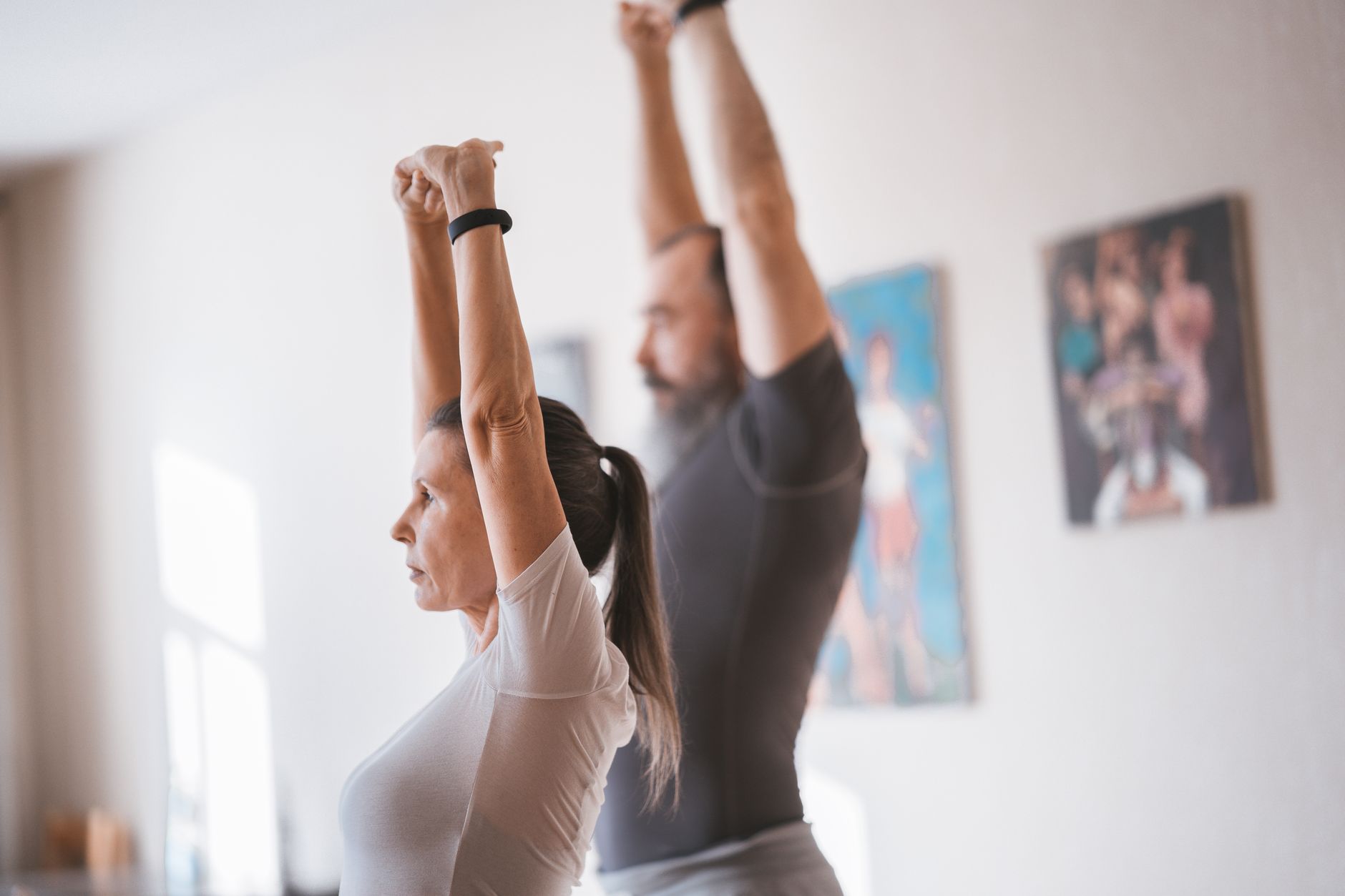
Falls are a serious concern for seniors, but regular stretching can significantly reduce fall risk by improving flexibility, balance, and mobility. Stretching helps maintain range of motion, reduces muscle stiffness, and enhances proprioception—the body's ability to sense where it is in space. Combined with balance exercises, stretching creates a comprehensive fall prevention strategy.
According to the Centers for Disease Control and Prevention, falls are the leading cause of fatal and non-fatal injuries among older adults, but regular physical activity, including stretching and balance exercises, can reduce fall risk by up to 40%.
Quick Answer
Yes, stretching is a key component of fall prevention for seniors! Aim for 10-15 minutes daily, focusing on major muscle groups like hamstrings, calves, hips, and shoulders. Combine stretching with balance exercises for maximum effectiveness. Regular stretching improves flexibility, enhances balance, and reduces muscle stiffness—all critical for preventing falls.
Who Is This For?
This guide is specifically designed for:
- Seniors concerned about fall risk
- Older adults with balance concerns
- Individuals recovering from previous falls
- Caregivers supporting loved ones' safety
- Seniors with muscle stiffness or reduced mobility
- Anyone wanting to enhance their safety and confidence
How Stretching Prevents Falls
Improved Flexibility
Why flexibility matters:
- Increases range of motion
- Allows better reaction to imbalance
- Enables safer movements
- Reduces muscle tension
- Enhances mobility
Fall prevention benefits:
- Better ability to recover from slips
- Improved gait mechanics
- Enhanced stair climbing safety
- Safer transfers
- Increased confidence
Enhanced Balance
Stretching's role in balance:
- Improves proprioception
- Enhances body awareness
- Supports better posture
- Reduces muscle imbalances
- Increases stability
Balance improvements:
- Better weight distribution
- Improved reaction time
- Enhanced coordination
- Increased stability
- Reduced sway
Reduced Muscle Stiffness
Why stiffness causes falls:
- Limits range of motion
- Affects gait pattern
- Reduces reaction time
- Increases fatigue
- Impairs coordination
Stretching benefits:
- Loosens tight muscles
- Improves circulation
- Reduces tension
- Enhances movement
- Decreases fall risk
Essential Stretching Routines
Daily Morning Routine
Why morning stretching matters:
- Reduces morning stiffness
- Prepares body for activity
- Improves circulation
- Enhances mobility
- Sets positive tone
Morning routine (5-10 minutes):
- Neck stretches
- Shoulder rolls
- Arm circles
- Back stretches
- Leg stretches
Pre-Activity Routine
Before exercise or activity:
- Dynamic stretching
- Movement preparation
- Joint mobilization
- Muscle activation
- Balance preparation
Pre-activity stretches (5-10 minutes):
- Leg swings
- Arm circles
- Torso twists
- Hip circles
- Ankle pumps
Evening Routine
Why evening stretching helps:
- Reduces daily stiffness
- Promotes relaxation
- Improves sleep
- Maintains flexibility
- Prepares for next day
Evening routine (10-15 minutes):
- Full body stretches
- Gentle yoga poses
- Relaxation stretches
- Breathing exercises
- Mindfulness practice
Key Stretching Exercises for Fall Prevention
Lower Body Stretches
Hamstring stretch:
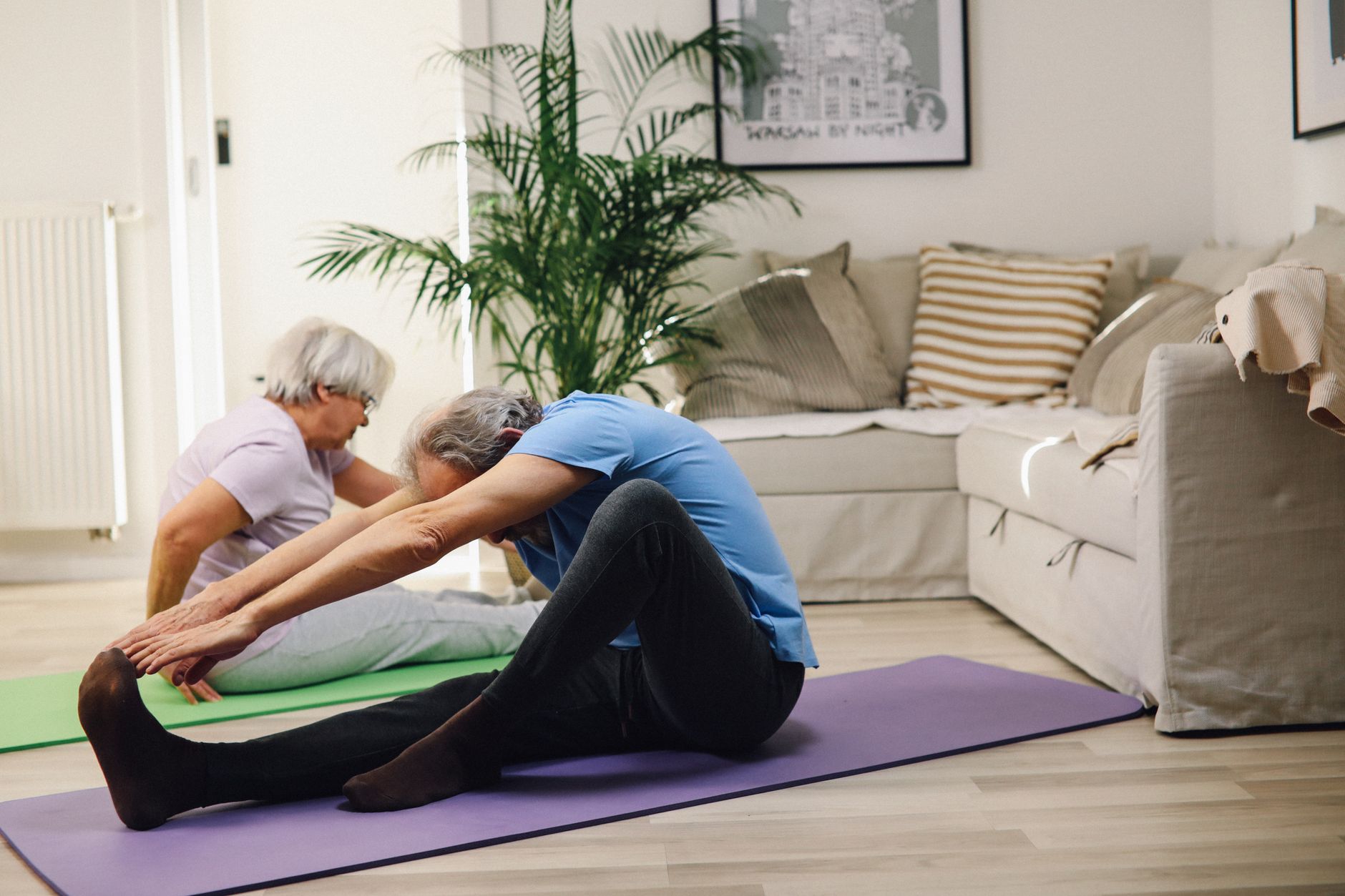
- Sit on edge of chair
- Extend one leg
- Reach toward toes
- Hold 15-30 seconds
- Repeat other leg
Quadriceps stretch:
- Stand holding support
- Bend one knee
- Grasp ankle
- Hold 15-30 seconds
- Repeat other leg
Calf stretch:
- Stand facing wall
- Place one foot back
- Press heel down
- Hold 15-30 seconds
- Repeat other leg
Hip flexor stretch:
- Stand in lunge position
- Shift weight forward
- Keep back straight
- Hold 15-30 seconds
- Repeat other leg
Upper Body Stretches
Neck stretch:
- Gently tilt head to side
- Hold 15-30 seconds
- Repeat other side
- 2-3 repetitions each side
Shoulder stretch:
- Bring arm across chest
- Use other arm to gently pull
- Hold 15-30 seconds
- Repeat other side
Chest stretch:
- Clasp hands behind back
- Straighten arms
- Open chest
- Hold 15-30 seconds
Back stretch:
- Sit on chair
- Round upper back
- Reach forward
- Hold 15-30 seconds
Balance-Enhancing Stretches
Single-leg balance with stretch:
- Stand holding support
- Lift one foot
- Hold balance position
- Slowly move arms
- 15-30 seconds each leg
Heel-to-toe stretch:
- Stand in heel-to-toe position
- Hold balance
- Slowly reach forward
- Hold 15-30 seconds
- Repeat other leg
Side reach stretch:
- Stand with feet apart
- Reach to one side
- Hold 15-30 seconds
- Repeat other side
Creating Your Stretching Program
Daily Schedule
Morning (5-10 minutes):
- Neck stretches
- Shoulder rolls
- Arm circles
- Gentle back stretch
- Light leg stretches
Midday (3-5 minutes):
- Quick neck stretch
- Shoulder rolls
- Back stretch
- Leg stretch
- Ankle circles
Evening (10-15 minutes):
- Full body stretching
- Gentle yoga poses
- Relaxation stretches
- Breathing exercises
- Mindfulness
Weekly Plan
Monday:
- Morning: Full body stretch (10 min)
- Midday: Quick stretch (5 min)
- Evening: Relaxation stretch (15 min)
Tuesday:
- Morning: Focus on lower body (10 min)
- Midday: Upper body stretch (5 min)
- Evening: Gentle yoga (15 min)
Wednesday:
- Morning: Full body stretch (10 min)
- Midday: Rest or very light stretch
- Evening: Relaxation (10 min)
Thursday:
- Morning: Focus on upper body (10 min)
- Midday: Lower body stretch (5 min)
- Evening: Gentle stretching (15 min)
Friday:
- Morning: Full body stretch (10 min)
- Midday: Balance stretches (5 min)
- Evening: Relaxation (15 min)
Saturday:
- Morning: Extended stretch (15-20 min)
- Midday: Rest or light activity
- Evening: Gentle stretching
Sunday:
- Rest or very gentle stretching
- Focus on relaxation and breathing
Safety Guidelines
Proper Technique
General guidelines:
- Warm up first
- Move slowly
- Never bounce
- Hold stretches 15-30 seconds
- Breathe regularly
Safety tips:
- Start gently
- Work within pain-free range
- Use support if needed
- Modify as needed
- Listen to body
When to Modify
Reduce intensity if:
- Sharp pain occurs
- Dizziness develops
- Balance is compromised
- Fatigue sets in
- Discomfort increases
Modify exercises for:
- Joint issues
- Balance concerns
- Limited flexibility
- Pain or discomfort
- Previous injuries
Special Considerations
Arthritis
Stretching with arthritis:
- Focus on gentle movements
- Use heat before stretching
- Work within comfortable range
- Avoid deep stretches
- Consult doctor
Benefits:
- Reduces stiffness
- Improves mobility
- Maintains joint function
- Reduces pain
- Enhances quality of life
Previous Falls
After a fall:
- Start very gently
- Focus on confidence building
- Use support initially
- Progress gradually
- Consult healthcare provider
Prevention focus:
- Balance training
- Strength building
- Flexibility improvement
- Gait enhancement
- Confidence building
Balance Concerns
Stretching for balance:
- Include balance exercises
- Use support initially
- Focus on proprioception
- Build gradually
- Stay safe
Key elements:
- Single-leg balance
- Weight shifting
- Coordination exercises
- Stability training
- Confidence building
Weekly Fall Prevention Stretching Plan
| Day | Duration | Focus | Key Stretches |
|---|---|---|---|
| Monday | 10-15 min | Lower Body | Hamstrings, calves, hips |
| Tuesday | Rest or light | Recovery | Gentle walking |
| Wednesday | 10-15 min | Upper Body | Neck, shoulders, chest |
| Thursday | 10-15 min | Balance Focus | Single-leg balance, heel-to-toe |
| Friday | Rest or light | Recovery | Gentle walking |
| Saturday | 15-20 min | Comprehensive | Full body + balance exercises |
| Sunday | Rest | Recovery | Full rest or gentle movements |
Risks and Safety Considerations
Common Risks
- Overstretching: Pushing beyond comfortable range
- Loss of balance: Stretching without proper support
- Muscle strain: Forcing movements or bouncing
- Ignoring pain: Continuing through discomfort
- Poor posture: Incorrect form during stretches
Safety Guidelines
- Warm up first: 5 minutes of gentle walking
- Move slowly: No bouncing or jerky movements
- Breathe: Maintain regular breathing
- Use support: Chair or wall for standing stretches
- Work within range: Don't force stretches
- Listen to body: Stop if pain occurs
- Stay hydrated: Drink water before and after
- Focus on form: Prioritize proper alignment
When to Contact a Healthcare Professional
Contact your healthcare provider if you:
- Experience sharp pain during stretching
- Have fallen recently and need guidance
- Have balance problems affecting stretching
- Have joint issues or arthritis
- Need personalized stretching recommendations
- Want professional guidance for fall prevention
- Experience dizziness during stretches
- Have concerns about your routine
Quick Reference Checklist
Fall Prevention Stretching Checklist
- Warm up for 5 minutes before
- Start with gentle movements
- Hold each stretch 15-30 seconds
- Breathe deeply and regularly
- Never bounce or force stretches
- Use support for standing stretches
- Include balance exercises
- Stretch all major muscle groups
- Stay hydrated
- Stop if pain or dizziness occurs
FAQ
Q: How does stretching prevent falls? A: Stretching improves flexibility, enhances balance, and reduces stiffness that can cause falls.
Q: How often should I stretch for fall prevention? A: Aim for daily stretching, 10-15 minutes per day for best results.
Q: Can stretching alone prevent falls? A: Stretching works best with balance exercises and strength training for comprehensive fall prevention.
Q: What stretches are best for fall prevention? A: Focus on hamstrings, calves, hips, and shoulders combined with balance exercises.
Q: How long does it take to see benefits? A: Most notice improvements within 2-4 weeks of consistent stretching.
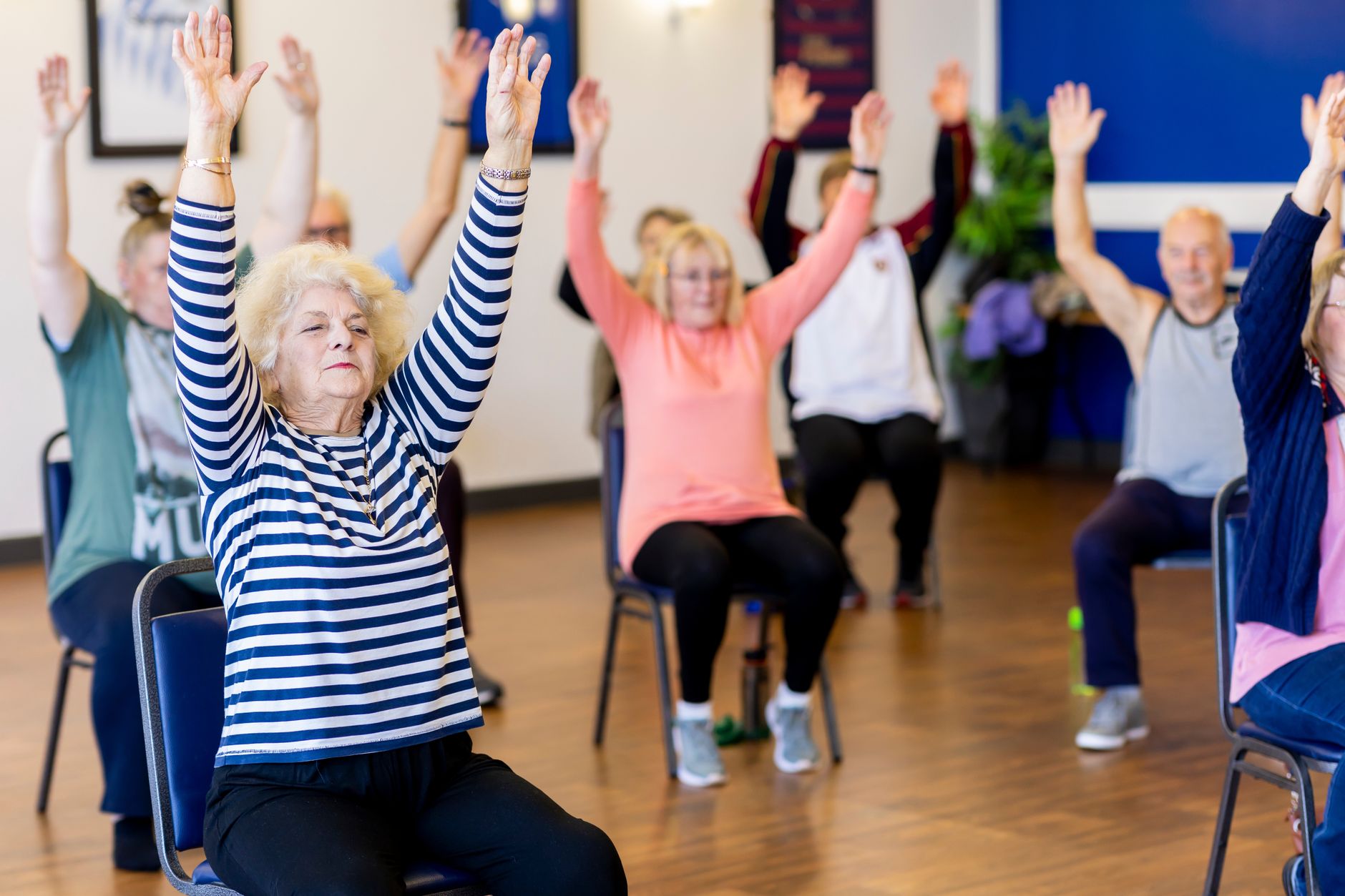
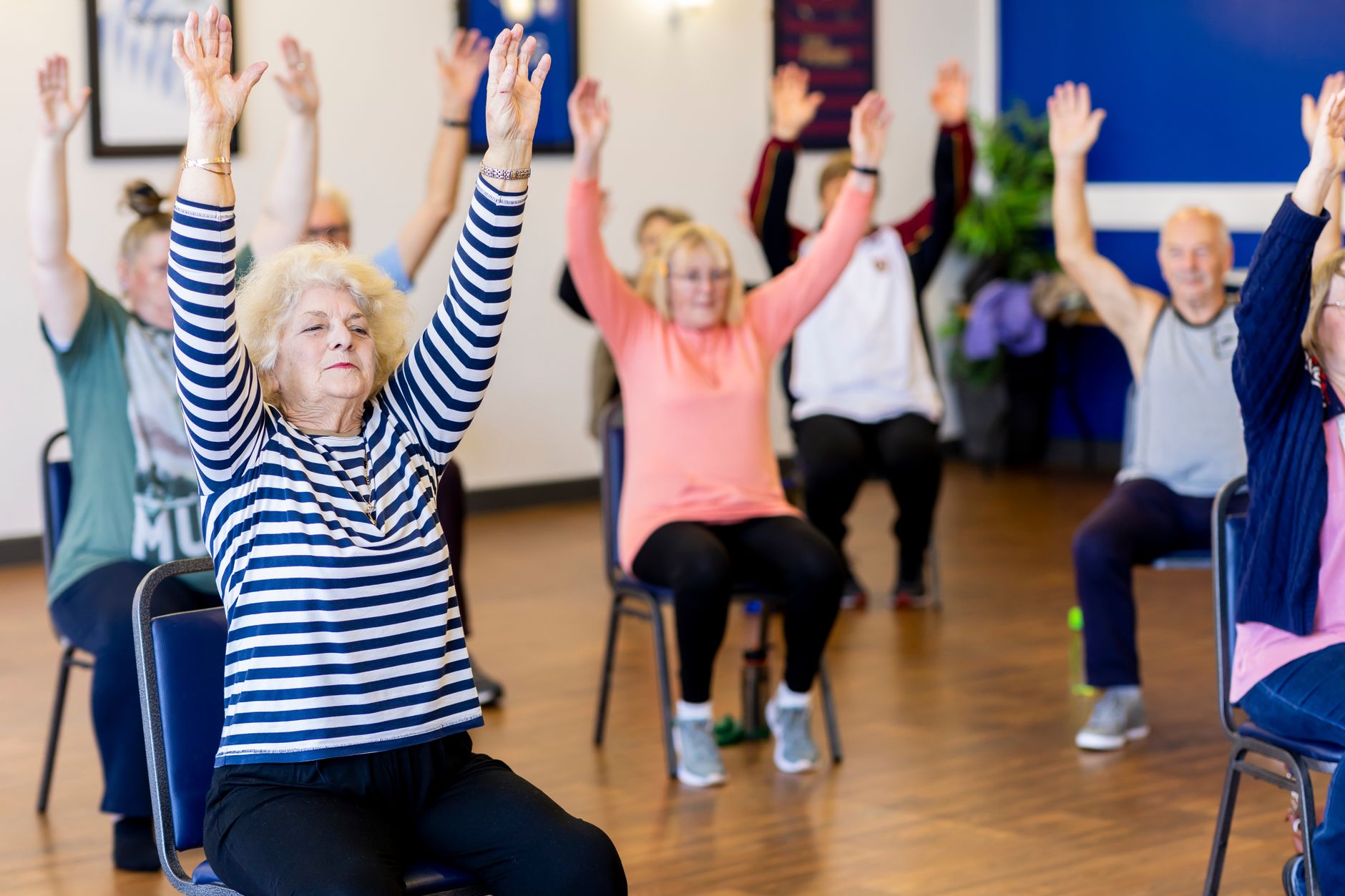
Q: Is stretching safe for seniors with balance issues? A: Yes, use seated stretches or hold onto support for safety.
Q: Can I stretch if I've fallen before? A: Yes, but start gently and consider consulting a physical therapist.
Q: What if I feel dizzy during stretching? A: Stop immediately and sit down. Consult your healthcare provider if dizziness persists.
Key Takeaways
- Stretching significantly reduces fall risk by improving flexibility and balance
- Enhances proprioception (body awareness) for better reaction to imbalance
- Reduces muscle stiffness that can contribute to falls
- Should be done daily for maximum effectiveness
- Combine with balance exercises for comprehensive fall prevention
- Start gently and progress gradually
- Modify as needed - use seated stretches if balance is a concern
- Listen to your body - stop if pain or dizziness occurs
- Use support when standing to maintain safety
- Consistency is key to long-term fall prevention
Related Articles
- Can Balance Be Improved After Age 70? - Comprehensive balance guide
- Single-Leg Balance Exercises - Targeted balance training
- Tai Chi for Seniors - Gentle balance practice
- Yoga for Balance - Yoga poses for stability
- Chair Exercises for Seniors - Seated workouts
- Stretching Exercises for Seniors - Comprehensive stretching
- Improve Stability After 60 - Stability improvement guide
- Leg Strengthening Exercises - Lower body strength
Medically Reviewed Sources
- Centers for Disease Control and Prevention. (2024). Falls Prevention. CDC.gov
- National Institute on Aging. (2024). Exercise and Physical Activity. NIA.nih.gov
- American College of Sports Medicine. (2024). Flexibility and Stretching. ACSM.org
- Mayo Clinic. (2024). Fall Prevention Exercises. MayoClinic.org
- American Geriatrics Society. (2024). Fall Prevention Guidelines. Americangeriatrics.org
- Journal of the American Geriatrics Society. (2023). Exercise and Fall Risk Reduction.
Disclaimer: This information is for educational purposes only. Before starting any exercise program, consult your healthcare provider, especially if you have medical conditions or concerns.