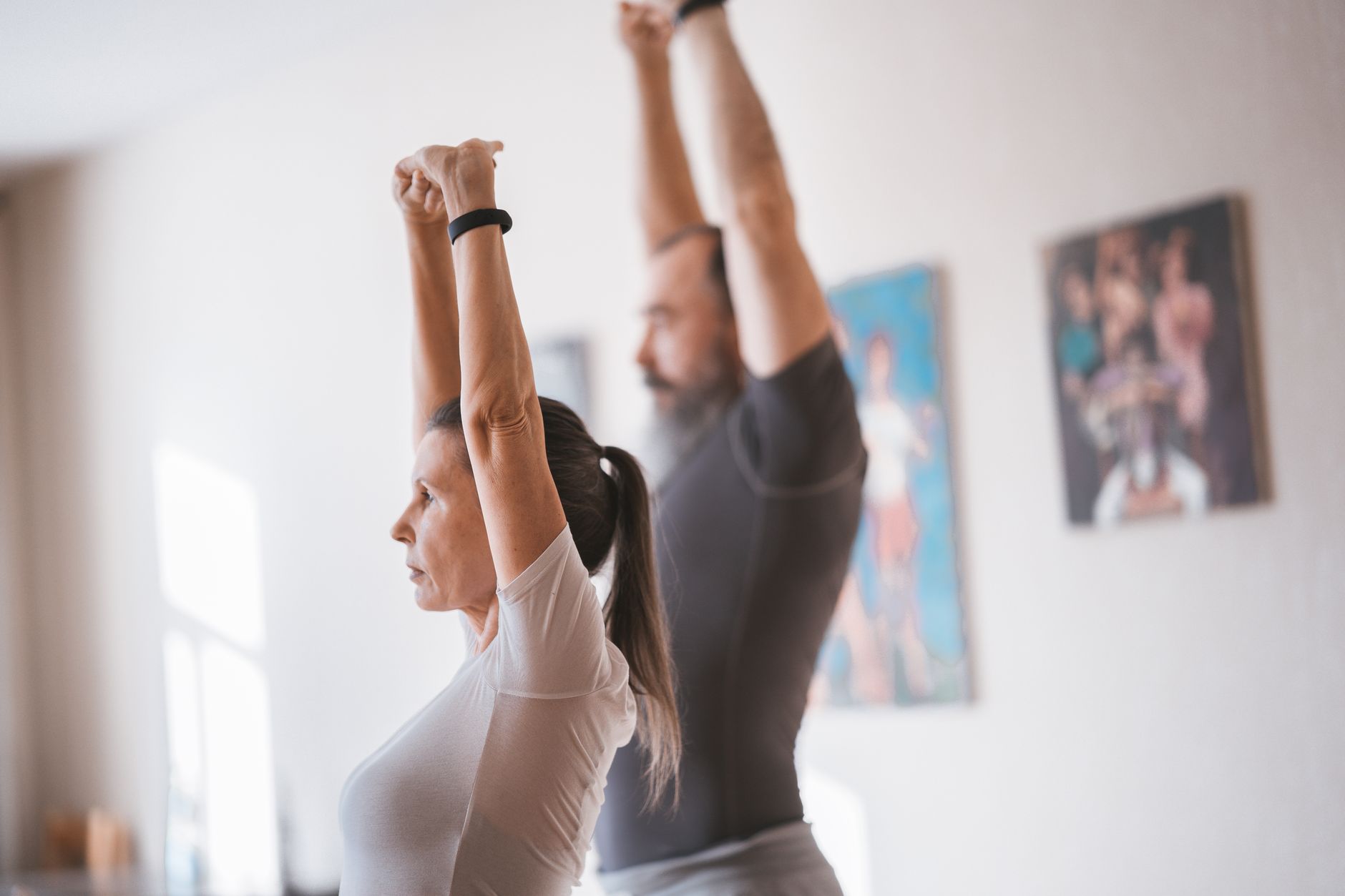
Daily Balance Routine for Seniors
A daily balance routine is one of the most effective ways for seniors to maintain stability, prevent falls, and enhance overall quality of life. Consistent practice of balance exercises can significantly improve proprioception, strengthen stabilizing muscles, and boost confidence in daily movements.
According to the Centers for Disease Control and Prevention, regular balance exercises can reduce fall risk by up to 40%, making daily balance practice essential for senior health and independence.
Quick Answer
Yes, a daily balance routine is highly beneficial for seniors. Even 20-30 minutes per day, split into shorter sessions, can significantly improve stability, reduce fall risk, and enhance confidence. The key is consistency - practicing balance exercises daily builds muscle memory and neural pathways that improve balance over time.
Who Is This For?
This daily balance routine is specifically designed for:
- Seniors aged 65+ looking to maintain or improve balance
- Older adults with balance concerns or history of falls
- Individuals recovering from injury or surgery affecting mobility
- Caregivers seeking safe exercises for loved ones
- Seniors with arthritis or joint pain
- Anyone wanting to maintain independence and reduce fall risk
- Residents in care facilities looking for daily activity
Benefits of a Daily Balance Routine
Physical Benefits
- Reduced fall risk: Studies show up to 40% reduction with regular practice
- Improved stability: Better control over body movements
- Stronger muscles: Targets stabilizing muscles in legs, core, and ankles
- Enhanced proprioception: Better awareness of body position in space
- Faster reaction times: Improved ability to recover from stumbles
- Better coordination: Smoother movements in daily activities
Mental and Emotional Benefits
- Increased confidence: Feeling more stable reduces fear of falling
- Reduced anxiety: Less worry about mobility and falls
- Improved mood: Physical activity releases endorphins
- Greater independence: Maintaining ability to live alone safely
Cognitive Benefits
- Sharper focus: Balance exercises require concentration
- Better memory: Physical activity supports brain health
- Improved mind-body connection: Enhanced coordination between brain and body
According to the Centers for Disease Control and Prevention, regular balance exercises can reduce fall risk by up to 40%, making daily balance practice essential for senior health and independence.
Why a Daily Balance Routine Matters
Fall Prevention
Balance improvements:
- Better stability
- Improved reaction time
- Enhanced proprioception
- Reduced fall risk
- Increased confidence
Movement safety:
- Better control
- Improved recovery
- Enhanced coordination
- Safer transitions
- Greater independence
Consistency Benefits
Regular practice advantages:
- Faster improvement
- Better retention
- Enhanced confidence
- Reduced fear
- Sustainable progress
Habit formation:
- Easier adherence
- Automatic practice
- Reduced effort
- Better results
- Long-term success
Quality of Life Enhancement
Functional benefits:
- Easier daily activities
- Better mobility
- Enhanced independence
- Improved social engagement
- Greater autonomy
Emotional benefits:
- Increased confidence
- Reduced anxiety
- Better mood
- Enhanced well-being
- Improved self-esteem
Morning Balance Routine (5-10 minutes)
Wake-Up Balance
Bedside ankle circles:
- Sit on edge of bed
- Lift one foot slightly
- Make circles with ankle
- 10 circles each direction
- Repeat other foot
Seated knee raises:
- Sit on edge of bed or chair
- Lift one knee toward chest
- Hold for 2-3 seconds
- Lower slowly
- Repeat 10-15 times
- Repeat other leg
Seated marching:
- Sit on chair with feet flat
- Lift knees alternately
- Focus on smooth movements
- 20-30 steps
Morning Activation
Single-leg stand (modified):
- Stand holding support
- Lift one foot slightly
- Hold for 5-10 seconds
- Return to starting position
- Repeat 5-10 times
- Repeat other leg
Weight shifts:
- Stand with feet apart
- Shift weight to one side
- Hold for 2-3 seconds
- Shift to other side
- Repeat 10-15 times
Heel-to-toe stand:
- Stand holding support
- Place one foot in front of other
- Touch heel to toe
- Hold for 5-10 seconds
- Return to starting position
- Repeat 5-10 times
Midday Balance Break (5 minutes)
Office/Home Balance
Seated spinal twist:
- Sit on chair with feet flat
- Place hand on opposite knee
- Gently twist toward that side
- Hold for 15-30 seconds
- Repeat other side
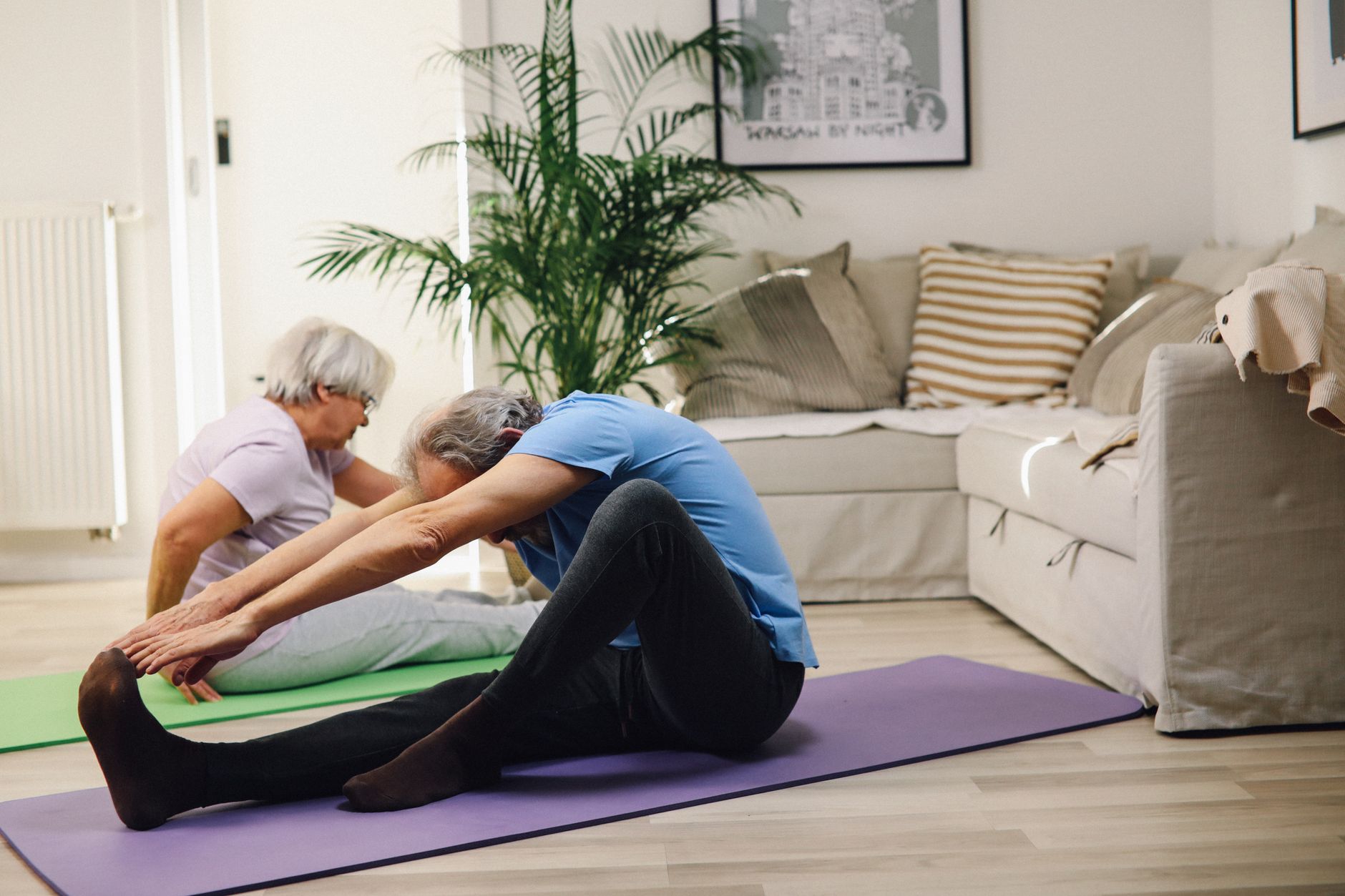
Seated forward fold:
- Sit on edge of chair
- Extend legs forward
- Hinge at hips
- Reach toward feet
- Hold for 15-30 seconds
Seated cat-cow:
- Sit on chair with feet flat
- Place hands on knees
- Arch back gently
- Round spine
- Repeat 5-10 times
Quick Balance Boost
Standing side leg lifts:
- Stand holding support
- Lift one leg to side
- Hold for 2-3 seconds
- Lower slowly
- Repeat 10-15 times
- Repeat other leg
Standing calf raises:
- Stand holding support
- Rise onto toes
- Hold for 2-3 seconds
- Lower slowly
- Repeat 10-15 times
Evening Balance Routine (10-15 minutes)
Wind-Down Balance
Gentle yoga flow:
- Mountain pose
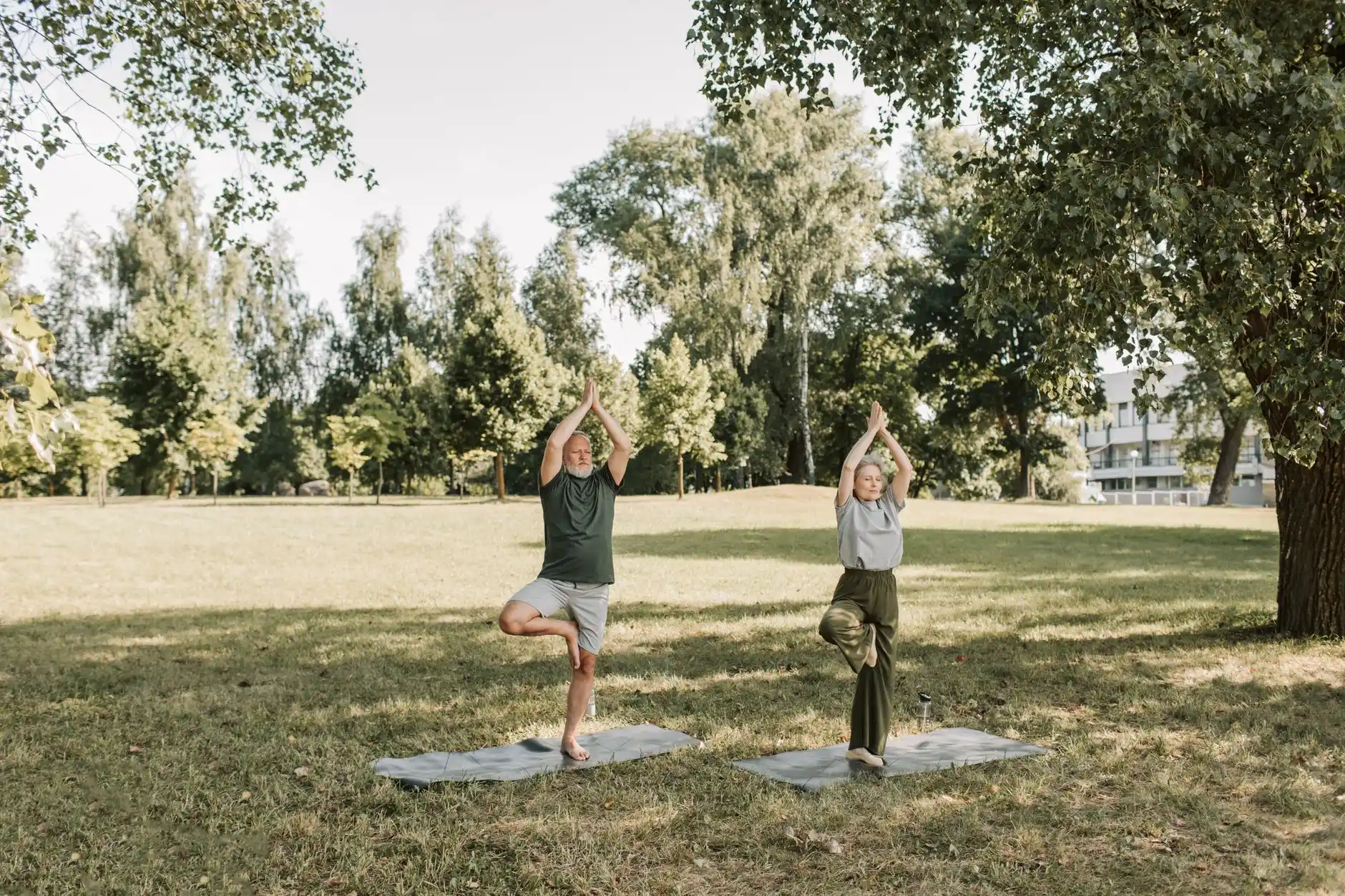
- Tree pose (modified)
- Warrior II (modified)
- Forward fold (modified)
- Hold each pose 15-30 seconds
Tai Chi movements:
- Stand with feet apart
- Move arms smoothly
- Shift weight gently
- Focus on flow
- 5-10 minutes
Balance focus:
- Single-leg stand (progressed)
- Tandem stand
- Eyes closed balance (near support)
- Hold each 10-15 seconds
Evening Relaxation
Seated meditation:
- Sit comfortably
- Focus on breath
- Relax body
- 5-10 minutes
Gentle stretching:
- Neck stretches
- Shoulder rolls
- Hip stretches
- Hold each 15-30 seconds
Weekly Progression
Week 1-2: Foundation
Focus:
- Basic exercises
- Proper form
- Building habit
- Gaining confidence
Routine:
- Morning: 5 minutes
- Midday: 5 minutes
- Evening: 10 minutes
- Total: 20 minutes daily
Week 3-4: Building
Focus:
- Slightly longer holds
- More challenging exercises
- Building strength
- Improving stability
Routine:
- Morning: 7 minutes
- Midday: 5 minutes
- Evening: 12 minutes
- Total: 24 minutes daily
Week 5-6: Progressing
Focus:
- Advanced exercises
- Longer holds
- Reduced support
- Enhanced confidence
Routine:
- Morning: 10 minutes
- Midday: 5 minutes
- Evening: 15 minutes
- Total: 30 minutes daily
Week 7-8: Maintaining
Focus:
- Consistent practice
- Variety of exercises
- Challenge and fun
- Long-term success
Routine:
- Morning: 10 minutes
- Midday: 5 minutes
- Evening: 15 minutes
- Total: 30 minutes daily
Proper Technique
Before Routine
Preparation:
- Wear comfortable clothing
- Choose appropriate space
- Have support available
- Allow adequate time
- Clear mind
Safety considerations:
- Clear space
- Good lighting
- Water available
- Emergency contact accessible
- Phone nearby
During Routine
Technique guidelines:
- Move slowly and deliberately
- Focus on stability
- Control movements
- Breathe regularly
- Work within comfortable range
Safety tips:
- Use support if needed
- Maintain proper form
- Listen to your body
- Stop if pain occurs
- Modify as needed
After Routine
Recovery:
- Cool down gently
- Stretch muscles
- Stay hydrated
- Note how you feel
- Plan next session
Modifications and Adaptations
For Limited Balance
Gentle modifications:
- Reduce exercise difficulty
- Use support
- Modify movements
- Focus on comfort
- Build gradually
Support options:
- Chair support
- Wall support
- Counter support
- Partner assistance
- Professional guidance
For Busy Schedules
Time-efficient options:
- Shorter sessions
- Combined exercises
- Focus on essentials
- Multiple short breaks
- Consistency over duration
Quick routine:
- 3-5 minutes
- Essential exercises
- Focus on quality
- Regular practice
- Effective results
For Limited Energy
Energy-friendly modifications:
- Reduce intensity
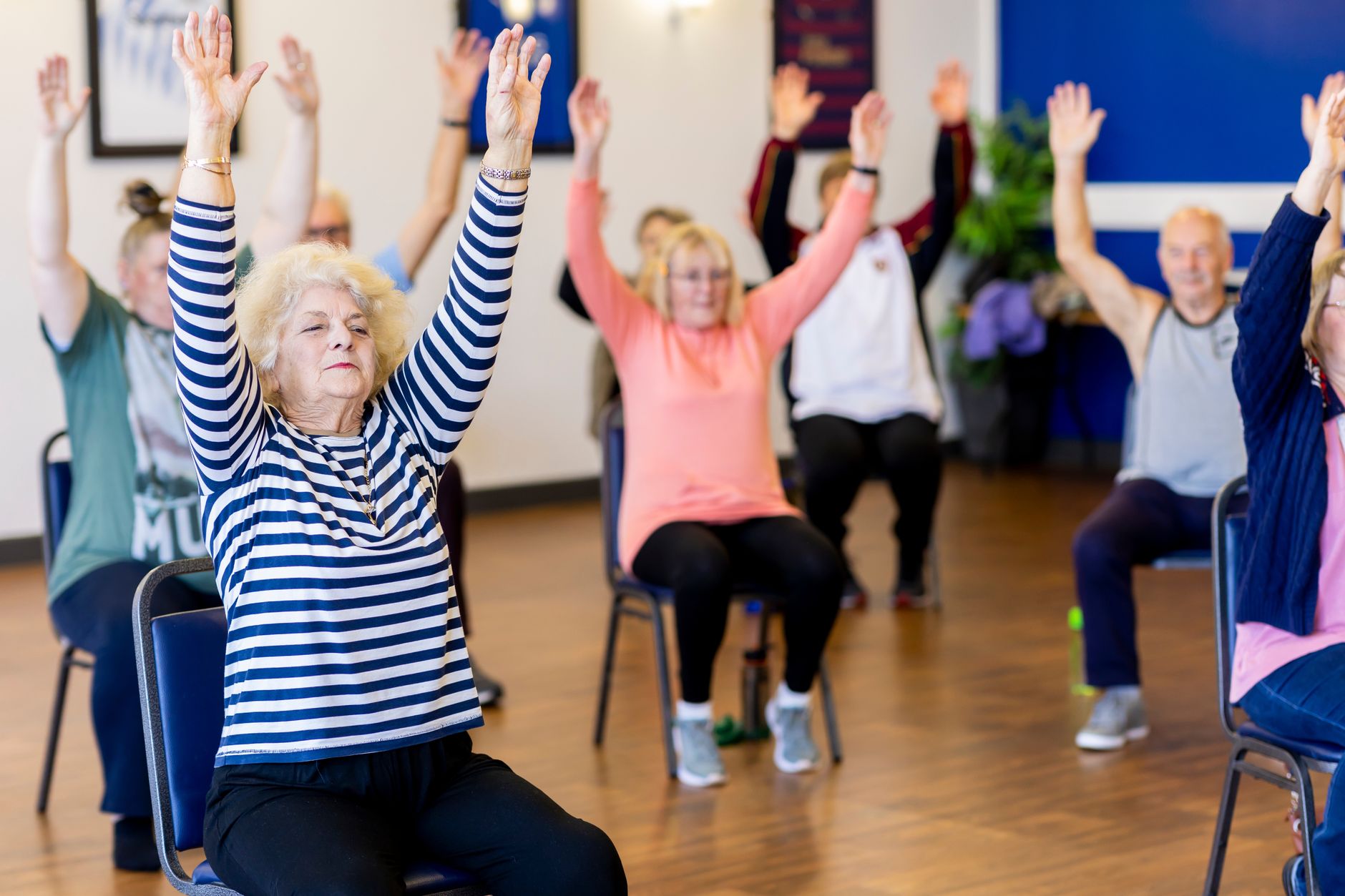
- Focus on seated exercises
- Shorter sessions
- More rest
- Listen to body
Gentle approach:
- Seated exercises
- Support positions
- Reduced duration
- Focus on comfort
- Professional guidance
Special Considerations
After Falls
Post-fall guidelines:
- Follow healthcare provider recommendations
- Start very gently
- Use physical therapy guidance
- Progress gradually
- Build confidence
Safe progression:
- Begin with basic exercises
- Focus on building confidence
- Build gradually
- Listen to body
- Consult healthcare provider
With Vision Problems
Vision-friendly exercises:
- Use tactile cues
- Focus on proprioception
- Use support
- Practice regularly
- Consult healthcare provider
Benefits:
- Improves balance without vision
- Enhances proprioception
- Maintains function
- Supports independence
- Reduces fall risk
For Vertigo or Dizziness
Dizziness-friendly exercises:
- Start very gently
- Use plenty of support
- Focus on slow movements
- Practice regularly
- Consult healthcare provider
Safe approach:
- Seated exercises
- Support positions
- Professional guidance
- Medical consultation
- Gradual progression
Sample Daily Balance Routine Summary
| Time of Day | Duration | Focus Area | Key Exercises |
|---|---|---|---|
| Morning | 5-10 min | Wake-up & activation | Ankle circles, seated marching, single-leg stand (modified), weight shifts |
| Midday | 5 min | Refresh & reset | Seated spinal twist, side leg lifts, calf raises |
| Evening | 10-15 min | Wind-down & progress | Gentle yoga flow, tai chi movements, tandem stand, eyes-closed balance |
| Total | 20-30 min | Daily balance maintenance | 15-20 exercises |
Risks and Safety Considerations
Common Risks
- Falls: The most significant risk when starting balance training
- Muscle strain: From overdoing exercises or poor form
- Dizziness: Particularly with advanced exercises or rapid movements
- Frustration: Progress may be slow, requiring patience
Safety Guidelines
- Always have support nearby: Use a wall, counter, or sturdy chair
- Start at your level: Begin with easier exercises and progress gradually
- Move slowly: Controlled movements are safer and more effective
- Breathe normally: Never hold your breath during exercises
- Stop if you feel pain: Discontinue immediately if you experience sharp pain
- Stay hydrated: Drink water before and after sessions
- Exercise when alert: Avoid exercising when tired or after heavy meals
- Have emergency contact nearby: Keep phone accessible
When to Contact a Healthcare Professional
Contact your doctor or physical therapist if you:
- Experience frequent falls (2+ falls in 6 months)
- Feel persistent dizziness during or after exercise
- Notice sudden balance loss without apparent cause
- Have pain that doesn't improve with rest
- Take medications that cause dizziness or affect balance
- Have a neurological condition (Parkinson's, stroke, etc.)
- Want personalized guidance for your specific needs
- Are unsure about starting or progressing your routine
Quick Reference Checklist
Daily Balance Practice Checklist
- Morning: 5-10 minutes of balance exercises
- Midday: 5-minute balance break
- Evening: 10-15 minutes of wind-down balance practice
- Used support as needed
- Focused on controlled movements
- Breathed regularly
- Drank water before/after sessions
Fall Prevention Checklist
- Practiced balance exercises today
- Reviewed home safety (no throw rugs, good lighting)
- Wore supportive shoes
- Took medications as prescribed
- Had regular vision check recently
- Stayed hydrated
- Avoided rushing during transitions
FAQ
Q: How long should a daily balance routine be? A: Aim for 20-30 minutes total per day, split into shorter sessions. Even 5-10 minutes three times a day provides significant benefits.
Q: What time of day is best for balance exercises? A: Morning helps wake up your balance system, midday prevents fatigue, and evening promotes relaxation. Choose what works best for your schedule.
Q: Can I do balance exercises every day? A: Yes, daily practice is recommended. Balance exercises are low-impact and build muscle memory with consistent practice.
Q: What if I miss a day or two? A: Don't worry! Get back to your routine as soon as possible. Consistency over weeks and months matters more than daily perfection.
Q: Can I do balance exercises if I've had previous falls? A: Yes, but start gently with plenty of support. Consider working with a physical therapist for personalized guidance.
Q: Are daily balance exercises safe for people with vertigo? A: They can be beneficial, but consult your healthcare provider first. Start with seated exercises and progress slowly.
Q: Do I need special equipment? A: No, most exercises require only a sturdy chair or wall for support. Optional equipment includes resistance bands or balance pads.
Q: How long before I see results? A: Most people notice improved confidence and stability within 4-6 weeks of consistent practice.
Related Articles
- Can Balance Be Improved After Age 70?
- Improve Stability After 60
- Single-Leg Balance Exercises
- Yoga for Balance
- Stretching and Fall Prevention
- Improve Coordination in Older Adults
- Fall Prevention Strategies for Seniors
- Chair Exercises for Seniors
Medically Reviewed Sources
- Centers for Disease Control and Prevention. (2024). Falls Among Older Adults. CDC.gov
- National Institute on Aging. (2024). Exercise and Physical Activity: Your Everyday Guide. NIA.nih.gov
- American College of Sports Medicine. (2024). Balance Training for Older Adults. ACSM.org
- Mayo Clinic. (2024). Balance Problems. MayoClinic.org
- American Heart Association. (2024). Physical Activity Guidelines for Older Adults. Heart.org
- Journal of the American Geriatrics Society. (2023). Effectiveness of Daily Balance Training in Older Adults.
- Vestibular Disorders Association. (2024). Vestibular Rehabilitation Therapy. Vestibular.org
Key Takeaways
- Daily balance practice is essential for fall prevention - studies show up to 40% reduction in falls
- Consistency matters most - even short daily sessions (20-30 minutes) are highly effective
- Split your routine into morning, midday, and evening sessions for better results
- Start at your level and progress gradually - use support as needed
- Focus on controlled movements and proper breathing
- Listen to your body - stop if you feel pain or dizziness
- Consult professionals when needed - physical therapists can provide personalized guidance
- Build the habit gradually - celebrate small wins along the way
Disclaimer: This information is for educational purposes only. Before starting any exercise program, consult your healthcare provider, especially if you have balance problems, have fallen recently, or have medical conditions affecting your mobility.