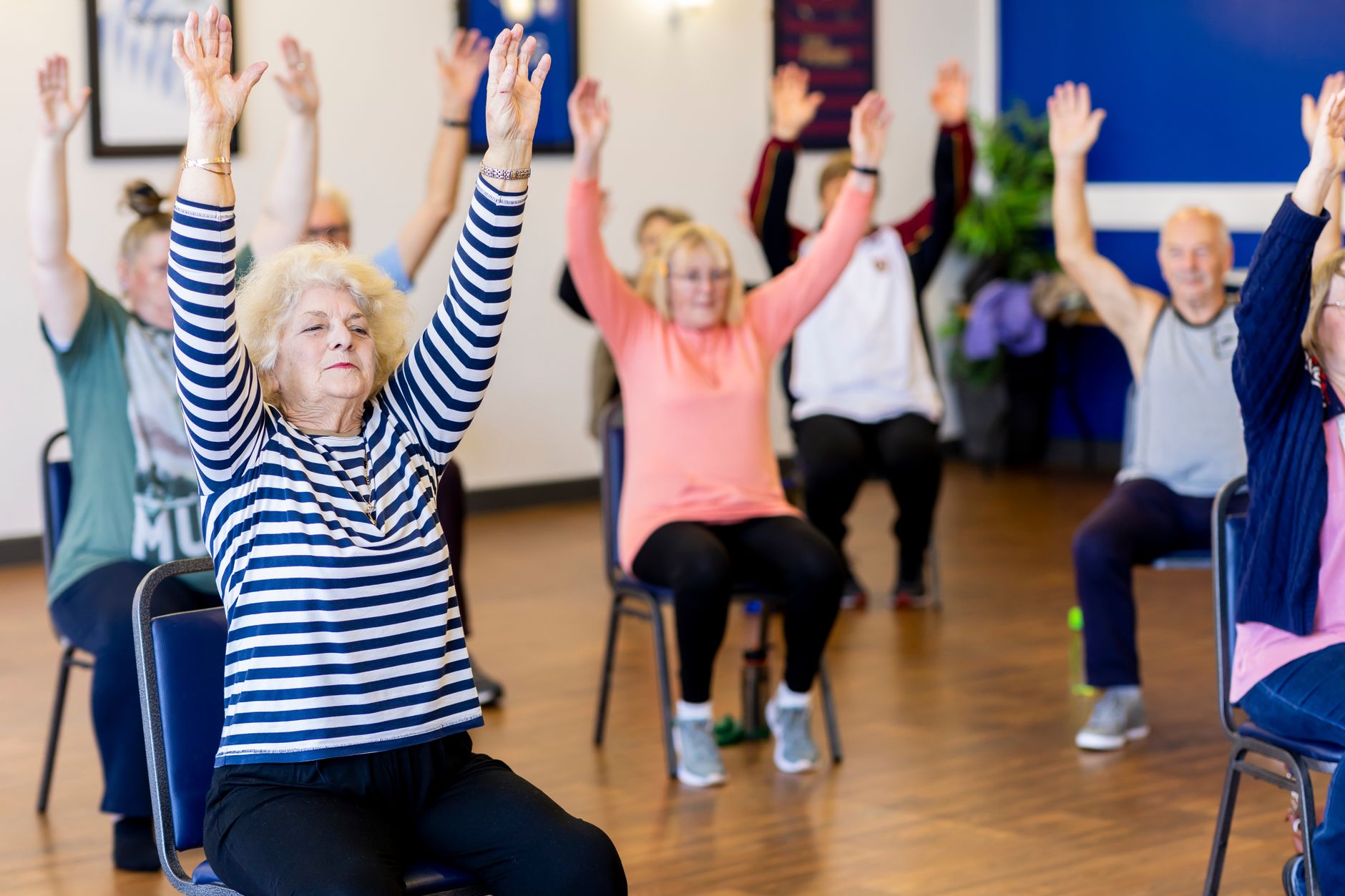
Morning Chair Exercises for Seniors
Starting your day with gentle chair exercises is an excellent way for seniors to wake up their body, improve mobility, and set a positive tone for the day. These exercises are low-impact, safe, and can be done right after getting out of bed, helping to improve circulation, flexibility, and overall well-being.
According to the National Institute on Aging, morning exercises can help seniors maintain independence, improve mood, and enhance physical function throughout the day.
Quick Answer
Yes, morning chair exercises are highly beneficial for seniors. They help wake up the body, improve circulation, reduce stiffness, and boost energy levels. Just 10-15 minutes of gentle movement each morning can enhance mobility, strength, and mental clarity. Start with simple stretches and gradually build your routine based on your comfort level.
Who Is This For?
This guide is specifically designed for:
- Seniors looking to start their day with gentle movement
- Older adults with limited mobility or balance concerns
- Individuals recovering from injury or surgery
- Caregivers seeking safe exercise options for loved ones
- Anyone wanting to improve morning stiffness and energy levels
- Seniors with arthritis, osteoporosis, or chronic pain conditions
Benefits of Morning Chair Exercises
Physical Benefits
Wake up the body:
- Increase blood flow
- Warm up muscles
- Improve circulation
- Reduce stiffness
- Enhance mobility
Flexibility improvement:
- Stretch tight muscles
- Improve range of motion
- Reduce joint stiffness
- Enhance movement
- Support daily function
Mental Benefits
Start the day positively:
- Improve mood
- Reduce stress
- Enhance focus
- Boost energy
- Set positive tone
Mental clarity:
- Improve alertness
- Enhance concentration
- Boost cognitive function
- Reduce brain fog
- Support mental health
Daily Function
Prepare for daily activities:
- Improve mobility for daily tasks
- Enhance strength for daily living
- Support independence
- Reduce fall risk
- Improve confidence
Long-term benefits:
- Maintain independence
- Improve quality of life
- Reduce healthcare needs
- Enhance well-being
- Support healthy aging
Essential Morning Chair Exercises
Neck and Shoulder Exercises
Neck stretches:
- Gently tilt head to right
- Hold 15-20 seconds
- Return to center
- Tilt head to left
- Hold 15-20 seconds
- Repeat 2-3 times
Shoulder rolls:
- Lift shoulders toward ears
- Roll forward 5 times
- Roll backward 5 times
- Repeat 2-3 sets
- Focus on smooth movement
Shoulder stretches:
- Bring right arm across chest
- Use left hand to gently pull
- Hold 15-20 seconds
- Repeat with left arm
- 2-3 times each side
Upper Body Exercises
Arm circles:
- Extend arms to sides
- Make small circles forward
- 10-15 circles
- Make small circles backward
- 10-15 circles
- Repeat 2-3 sets
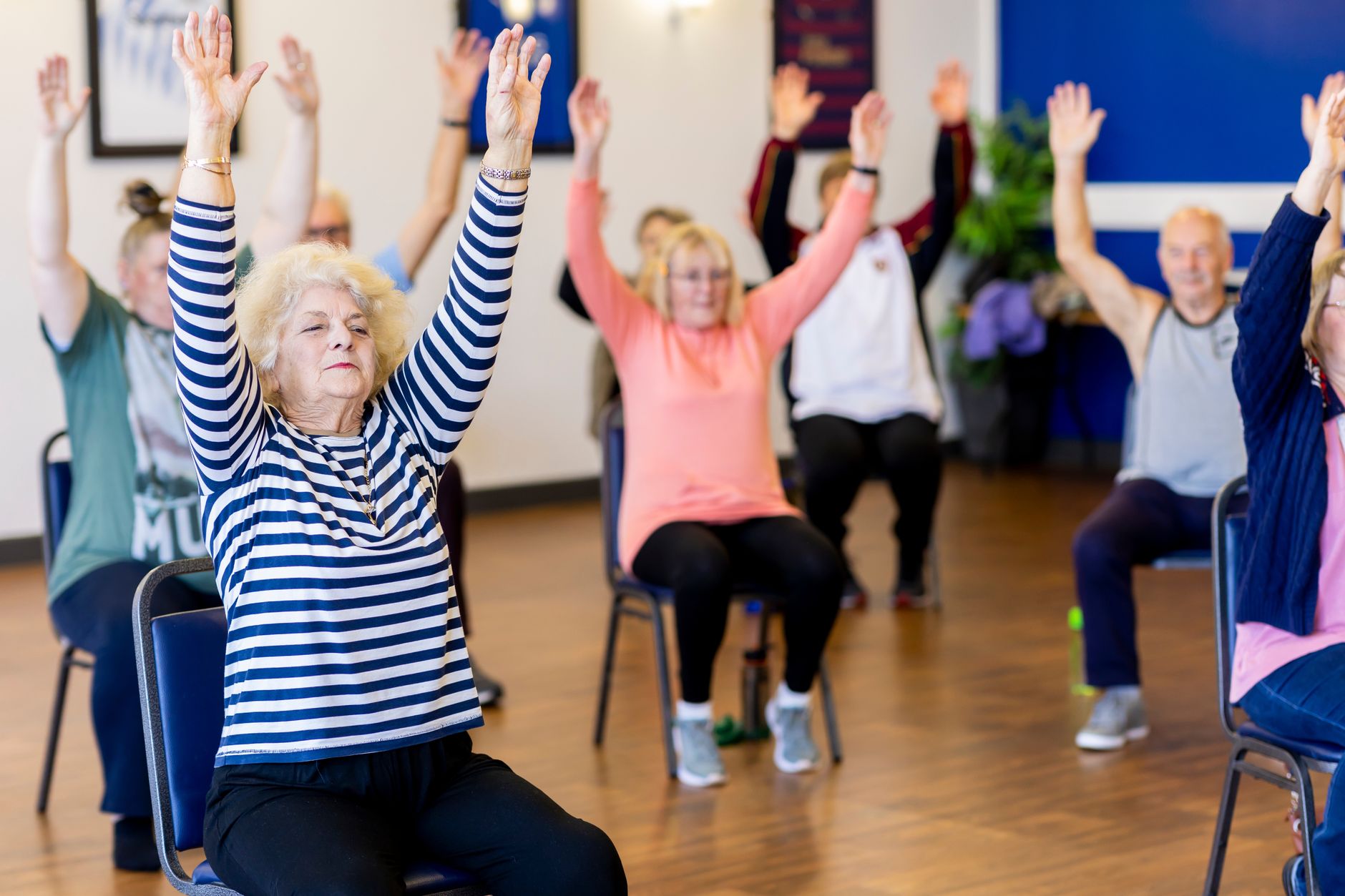
Arm raises:
- Sit tall with feet flat
- Raise arms overhead
- Hold 5 seconds
- Lower slowly
- Repeat 10-15 times
- Focus on controlled movement
Seated rows:
- Clasp hands together
- Pull elbows back
- Squeeze shoulder blades
- Hold 5 seconds
- Return to start
- Repeat 10-15 times
Core Exercises
Seated twists:
- Sit tall with feet flat
- Place right hand on left knee
- Gently twist to left
- Hold 15-20 seconds
- Repeat on right side
- 2-3 times each side
Pelvic tilts:
- Sit tall with feet flat
- Engage abdominal muscles
- Tilt pelvis forward
- Hold 5 seconds
- Relax
- Repeat 10-15 times
Seated cat-cow:
- Sit tall with feet flat
- Place hands on knees
- Arch back gently
- Round spine forward
- Repeat 10-15 times
- Focus on breathing
Lower Body Exercises
Leg extensions:
- Sit tall with feet flat
- Extend right leg forward
- Hold 5 seconds
- Lower slowly
- Repeat with left leg
- 10-15 times each leg
Ankle pumps:
- Sit tall with feet flat
- Point toes downward
- Pull toes upward
- Repeat 10-15 times
- Focus on controlled movement
Heel-to-toe taps:
- Sit tall with feet flat
- Tap heel of right foot
- Tap toe of right foot
- Repeat 10-15 times
- Repeat with left foot
Creating Your Morning Routine
Before You Start
Preparation:
- Choose sturdy chair
- Wear comfortable clothing
- Have water nearby
- Remove footwear or wear socks
- Prepare mentally
Breathing preparation:
- Take deep breaths
- Inhale through nose
- Exhale through mouth
- Relax body
- Focus on present moment
Sample Morning Routine (10-15 minutes)
Warm-up (2-3 minutes):
- Deep breathing
- Neck stretches
- Shoulder rolls
- Focus on relaxation
- Prepare body
Main exercises (5-8 minutes):
- Arm circles
- Arm raises
- Seated rows
- Leg extensions
- Ankle pumps
Cool-down (2-3 minutes):
- Gentle stretches
- Deep breathing
- Relaxation
- Mental focus
- Prepare for day
Weekly Focus
Monday (gentle start):
- Focus on basic movements
- Shorter duration
- Gentle stretches
- Build routine
- Enjoy the process
Tuesday (upper body focus):
- Emphasis on arm exercises
- Shoulder stretches
- Upper back exercises
- Build strength
- Improve posture
Wednesday (core focus):
- Core strengthening
- Seated twists
- Pelvic tilts
- Improve stability
- Support posture
Thursday (lower body focus):
- Leg exercises
- Ankle pumps
- Knee lifts
- Improve mobility
- Support walking
Friday (full body):
- Combination of all exercises
- Focus on weak areas
- Gentle yoga elements
- Relaxation
- Prepare for weekend
Saturday (extended):
- Longer session
- More repetitions
- Add variety
- Challenge yourself
- Enjoy the activity
Sunday (light or rest):
- Very gentle movements
- Focus on stretching
- Deep breathing
- Relaxation
- Prepare for week
Proper Technique
Posture Guidelines
Sitting posture:
- Sit tall with back straight
- Feet flat on floor
- Shoulders relaxed
- Head aligned
- Core engaged
Movement technique:
- Move slowly and deliberately
- Focus on control
- Breathe regularly
- Work within comfortable range
- Avoid straining
Breathing Technique
Proper breathing:
- Inhale before movement
- Exhale during movement
- Breathe deeply
- Maintain rhythm
- Avoid holding breath
Benefits of proper breathing:
- Enhances relaxation
- Improves oxygen flow
- Reduces tension
- Supports movement
- Calms mind
Modifications and Adaptations
For Limited Mobility
Gentle modifications:
- Reduce range of motion
- Fewer repetitions
- Slower movements
- Focus on comfort
- Build gradually
Support options:
- Use armrests for support
- Hold onto chair
- Shorter duration
- Gentle pace
- Professional guidance
For Balance Concerns
Balance-friendly modifications:
- Keep feet flat on floor
- Use armrests
- Move slowly
- Focus on stability
- Build confidence
Safe approach:
- Support available
- Gentle movements
- Short sessions
- Professional guidance
- Medical consultation
For Joint Pain
Pain-friendly modifications:
- Reduce intensity
- Avoid painful positions
- Focus on gentle movements
- Use heat if helpful
- Consult healthcare provider
Safe alternatives:
- Gentle stretches
- Reduced range
- Support positions
- Professional guidance
- Medical consultation
Special Considerations
After Falls
Post-fall guidelines:
- Follow healthcare provider recommendations
- Start very gently
- Use physical therapy guidance
- Progress gradually
- Build confidence
Safe progression:
- Begin with seated exercises
- Focus on building confidence
- Build gradually
- Listen to body
- Consult healthcare provider
With Arthritis
Arthritis-friendly exercises:
- Gentle movements
- Work within pain-free range
- Use heat if helpful
- Avoid deep stretches
- Consult doctor
Benefits:
- Reduces stiffness
- Improves mobility
- Maintains joint function
- Reduces pain
- Enhances quality of life
For Osteoporosis
Osteoporosis-friendly exercises:
- Avoid forward flexion
- Focus on extension
- Use gentle movements
- Avoid twisting
- Consult healthcare provider
Safe approach:
- Gentle extensions
- Support positions
- Professional guidance
- Medical consultation
- Bone health focus
Risks and Safety Considerations
Common Risks
- Joint strain: From incorrect form or overexertion
- Muscle soreness: Especially when starting new exercises
- Dizziness: Rapid movements or straining
- Falls: If chair is unstable or movements are too fast
Safety Guidelines
- Use a sturdy chair: No wheels, solid backrest, stable legs
- Maintain proper posture: Sit tall, feet flat on floor, shoulders relaxed
- Breathe normally: Never hold your breath during exercises
- Start slow: Begin with easier exercises and fewer repetitions
- Stop if you feel pain: Discontinue if you experience sharp pain
- Stay hydrated: Drink water before and after sessions
- Exercise in a well-lit area: Good lighting helps with balance
- Have support nearby: Keep a walker or cane handy if needed
When to Contact a Healthcare Professional
Contact your healthcare provider if you:
- Experience severe pain during or after exercise
- Feel dizzy or lightheaded during workouts
- Notice swelling or inflammation in joints
- Have difficulty breathing during exercise
- Experience chest pain or heart palpitations
- Fall or have near-falls during exercise
- Have questions about specific exercises for your condition
- Want personalized guidance for your fitness level
Quick Reference Checklist
Morning Exercise Checklist
- Warm up for 2-3 minutes with deep breathing
- Neck stretches (15-20 seconds each side)
- Shoulder rolls (5 forward, 5 backward)
- Arm circles (10 forward, 10 backward)
- Arm raises (10-15 times)
- Seated rows (10-15 times)
- Leg extensions (10-15 per leg)
- Ankle pumps (10-15 times)
- Cool down with gentle stretches
- Drink water
Weekly Progress Checklist
- Exercised 5-6 days this week
- Maintained proper posture throughout
- Noticed improvements in morning stiffness
- Felt more energized during the day
- Stayed consistent with routine
FAQ
Q: How long should morning chair exercises be? A: Aim for 10-15 minutes. Even 5-10 minutes provides benefits. Consistency is more important than duration.
Q: When is the best time to do morning exercises? A: Right after waking up and before breakfast. This helps wake up your body and set a positive tone for the day.
Q: Can I do these exercises if I have balance issues? A: Yes, these exercises are designed with balance in mind. Keep feet flat, use armrests, and move slowly.
Q: Do I need any special equipment? A: No, just a sturdy chair. Optional items include water, comfortable clothing, and non-slip shoes.
Q: Can morning exercises help with stiffness? A: Yes, morning exercises reduce stiffness by warming up muscles and joints, improving mobility.
Q: How often should I do morning chair exercises? A: Aim for 5-6 days per week. Regular practice yields the best results.
Q: Are these exercises safe for people with arthritis? A: Yes, these exercises are gentle and low-impact, making them suitable for arthritis. Work within your pain-free range.
Q: Should I consult a doctor before starting? A: It's always a good idea to consult your healthcare provider, especially if you have medical conditions or concerns.
Key Takeaways
- Morning chair exercises wake up your body and improve circulation
- Improve mobility and flexibility throughout the day
- Boost mood and energy for daily activities
- Start with 5-10 minutes and gradually increase duration
- Focus on proper posture and breathing for maximum benefit
- Move slowly and deliberately to maintain control
- Modify as needed for your abilities and comfort level
- Consistency is more important than intensity
- Enjoy the process and celebrate small achievements
- Consult healthcare provider if you have medical conditions
Related Articles
- Daily Chair Exercise Program
- Chair Exercises for Seniors
- Gentle Yoga Stretches for Seniors
- Stretching Before Walking
- Daily Balance Routine
- Fall Prevention Strategies for Seniors
- Balance Exercises for Seniors
- Leg Strengthening Exercises for Seniors
Medically Reviewed Sources
- National Institute on Aging. (2024). Exercise and Physical Activity. NIA.nih.gov
- American College of Sports Medicine. (2024). Chair Exercises for Older Adults. ACSM.org
- Centers for Disease Control and Prevention. (2024). Physical Activity for Older Adults. CDC.gov
- Arthritis Foundation. (2024). Gentle Exercises for Arthritis. Arthritis.org
- Mayo Clinic. (2024). Exercise Tips for Older Adults. MayoClinic.org
- American Heart Association. (2024). Physical Activity Guidelines. Heart.org
Disclaimer: This information is for educational purposes only. Before starting any exercise program, consult your healthcare provider, especially if you have medical conditions or concerns.