Should Seniors Exercise With Arthritis?
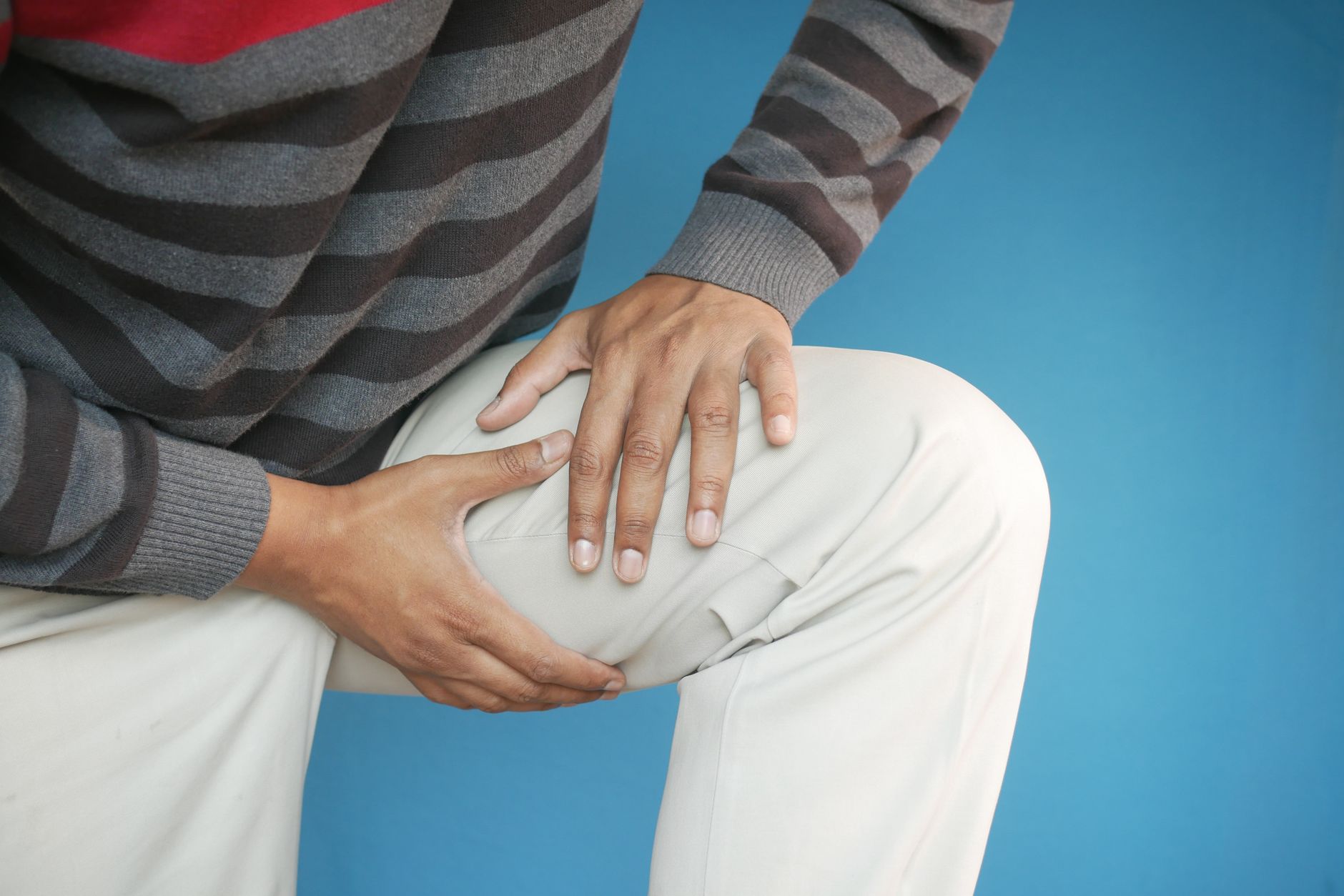
Yes! Exercise is not only safe but highly recommended for seniors with arthritis. In fact, regular physical activity is one of the most effective treatments for arthritis, helping to reduce pain, improve joint function, and maintain independence. The key is choosing the right activities and exercising appropriately for your condition.
According to the Centers for Disease Control and Prevention, regular physical activity can reduce arthritis pain by as much as 40% and improve function by up to 40%, making it a crucial component of arthritis management.
Benefits of Exercise for Arthritis
Pain Reduction
How exercise reduces pain:
- Strengthens muscles around joints
- Improves joint lubrication
- Reduces inflammation
- Releases endorphins
- Improves circulation
- Enhances flexibility
What research shows:
- Regular exercisers report less pain
- Pain reduction occurs within weeks
- Benefits increase with consistency
- Low-intensity exercise is effective
- Proper technique maximizes benefits
Improved Joint Function
Functional improvements:
- Increased range of motion
- Better joint stability
- Enhanced mobility
- Improved ability to perform daily tasks
- Greater independence
Why it happens:
- Strengthened supporting muscles
- Better joint lubrication
- Reduced stiffness
- Improved muscle coordination
- Enhanced proprioception
Weight Management
Weight benefits:
- Burns calories
- Maintains healthy weight
- Reduces joint stress
- Improves overall health
- Enhances energy levels
Impact on arthritis:
- Each pound lost reduces knee load by 4 pounds
- Less joint stress means less pain
- Improved function
- Slowed arthritis progression
- Better long-term outcomes
Mental Health Benefits
Psychological benefits:
- Reduced stress
- Improved mood
- Better sleep
- Increased confidence
- Enhanced quality of life
Why it matters:
- Pain perception is influenced by mood
- Stress can worsen arthritis symptoms
- Better mental health supports physical health
- Confidence encourages activity
- Overall well-being improves
Types of Exercise for Arthritis
Range of Motion Exercises
What they are:
- Gentle movements that take joints through their full range
- Can be done daily
- Essential for maintaining mobility
- Foundation of arthritis exercise
- Can be active or passive
Benefits:
- Maintains joint flexibility
- Reduces stiffness
- Prevents contractures
- Improves circulation
- Enhances function
Examples:
- Neck rotations
- Shoulder circles
- Hip circles
- Knee extensions
- Ankle pumps
Strengthening Exercises
Why strength matters:
- Supports joints
- Reduces joint stress
- Improves stability
- Enhances function
- Reduces pain
Guidelines:
- Start with bodyweight
- Focus on form
- Begin with 1-2 sets
- 8-12 repetitions
- Progress gradually
Examples:
- Chair squats
- Wall push-ups
- Leg lifts
- Calf raises
- Core exercises
Aerobic Exercise
Why aerobic exercise matters:
- Improves cardiovascular health
- Helps manage weight
- Reduces inflammation
- Increases energy
- Enhances mood
Best options:
- Walking
- Swimming
- Cycling
- Water aerobics
- Elliptical machine
Guidelines:
- Start with short duration
- Low to moderate intensity
- Gradual progression
- Listen to body
- Stay consistent
Balance Exercises
Why balance matters:
- Prevents falls
- Maintains independence
- Increases confidence
- Supports daily activities
- Enhances safety
Examples:
- Single-leg stands
- Heel-to-toe walking
- Tai chi
- Yoga
- Balance training
Safe Exercise Guidelines
Before You Start
Consult your doctor:
- Discuss exercise plans
- Review medications
- Discuss limitations
- Get recommendations
- Understand precautions
What to discuss:
- Type of arthritis
- Affected joints
- Current symptoms
- Exercise goals
- Previous injuries
Starting Your Program
Beginner guidelines:
- Start with 5-10 minutes
- Low intensity
- Simple movements
- Focus on form
- Build gradually
Progression principles:
- Increase duration first
- Then frequency
- Then intensity
- Always maintain comfort
- Listen to body
During Exercise
Monitor your pain:
- Use pain scale (0-10)
- Stop at 6-7/10
- Note pain patterns
- Adjust as needed
- Don't push through pain
Pain management strategies:
- Modify movements
- Reduce intensity
- Take breaks
- Use support
- Stay hydrated
Exercise Modifications
Low-Impact Options
Why low-impact matters:
- Reduces joint stress
- Minimizes pain
- Prevents injury
- Allows consistency
- Enhances comfort
Best low-impact activities:
- Swimming
- Water exercise
- Cycling
- Walking
- Elliptical machine
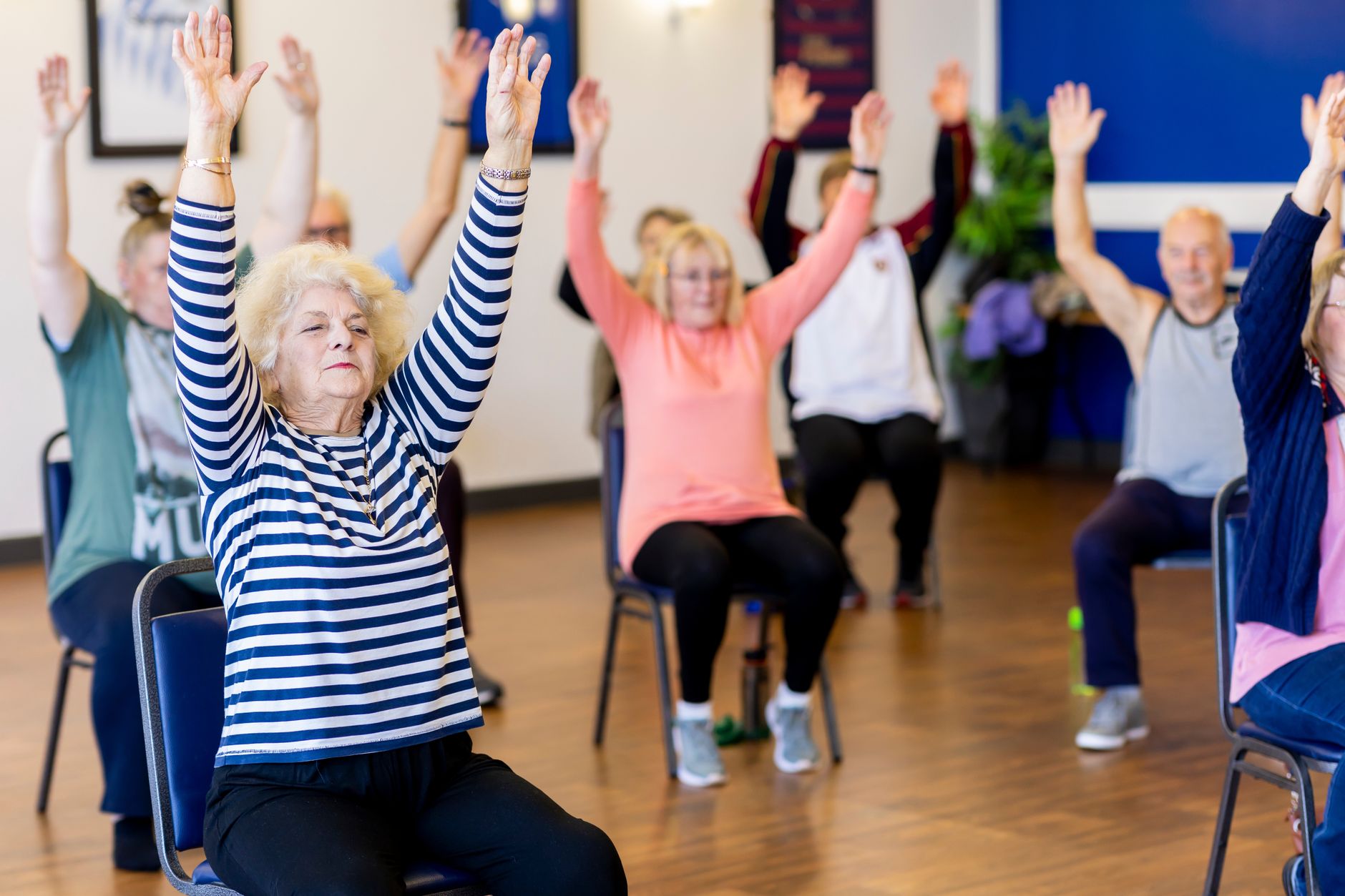
Seated Exercises
Benefits of seated exercises:
- Reduced joint stress
- Increased safety
- Better support
- Easier on joints
- Can be done anywhere
Examples:
- Seated marching
- Seated leg lifts
- Arm circles
- Seated stretches
- Core exercises
Using Support
When to use support:
- Balance concerns
- Joint instability
- Fatigue
- Safety issues
- Confidence building
Types of support:
- Chair for seated exercises
- Wall for standing exercises
- Walker or cane
- Assistive devices
- Partner support
Creating Your Exercise Routine
Daily Routine
Morning routine (10-15 minutes):
- Gentle stretching
- Range of motion exercises
- Light movement
- Focus on stiffest joints
Midday routine (5-10 minutes):
- Brief stretching
- Movement breaks
- Range of motion
- Prevent stiffness
Evening routine (10-15 minutes):
- Stretching
- Range of motion
- Relaxation exercises
- Prepare for sleep
Sample Weekly Schedule
Monday:
- Morning: Stretching (10 min)
- Midday: Walking (15 min)
- Evening: Stretching (10 min)
Tuesday:
- Morning: ROM exercises (10 min)
- Midday: Water exercise (20 min)
- Evening: Stretching (10 min)
Wednesday:
- Morning: Stretching (10 min)
- Midday: Rest or light activity
- Evening: Gentle stretching (10 min)
Thursday:
- Morning: ROM exercises (10 min)
- Midday: Cycling (15 min)
- Evening: Stretching (10 min)
Friday:
- Morning: Stretching (10 min)
- Midday: Walking (20 min)
- Evening: Stretching (10 min)
Saturday:
- Morning: Light activity
- Midday: Rest or light activity
- Evening: Gentle stretching
Sunday:
- Rest or very light activity
- Gentle stretching if desired
Managing Arthritis Flare-Ups
During Flare-Ups
Modify your routine:
- Reduce exercise duration
- Decrease intensity
- Focus on range of motion
- Use gentle movements
- Consider water exercise
When to rest:
- Severe pain
- Significant swelling
- Joint instability
- Fatigue
- Doctor's recommendation
Recovery Strategies
After flare-up:
- Start very gradually
- Focus on range of motion
- Increase slowly
- Monitor pain response
- Consult doctor if needed
Special Considerations
Different Types of Arthritis
Osteoarthritis:
- Focus on strengthening
- Low-impact activities
- Weight management
- Range of motion
- Joint protection
Rheumatoid arthritis:
- Gentle range of motion
- Low-impact activities
- Rest during flare-ups
- Stress management
- Energy conservation
Joint-Specific Considerations
Knee arthritis:
- Avoid deep squats
- Strengthen quadriceps
- Low-impact cardio
- Proper footwear
- Avoid high-impact activities
Hip arthritis:
- Avoid deep lunges
- Strengthen hip muscles
- Low-impact activities
- Maintain good posture
- Avoid excessive sitting
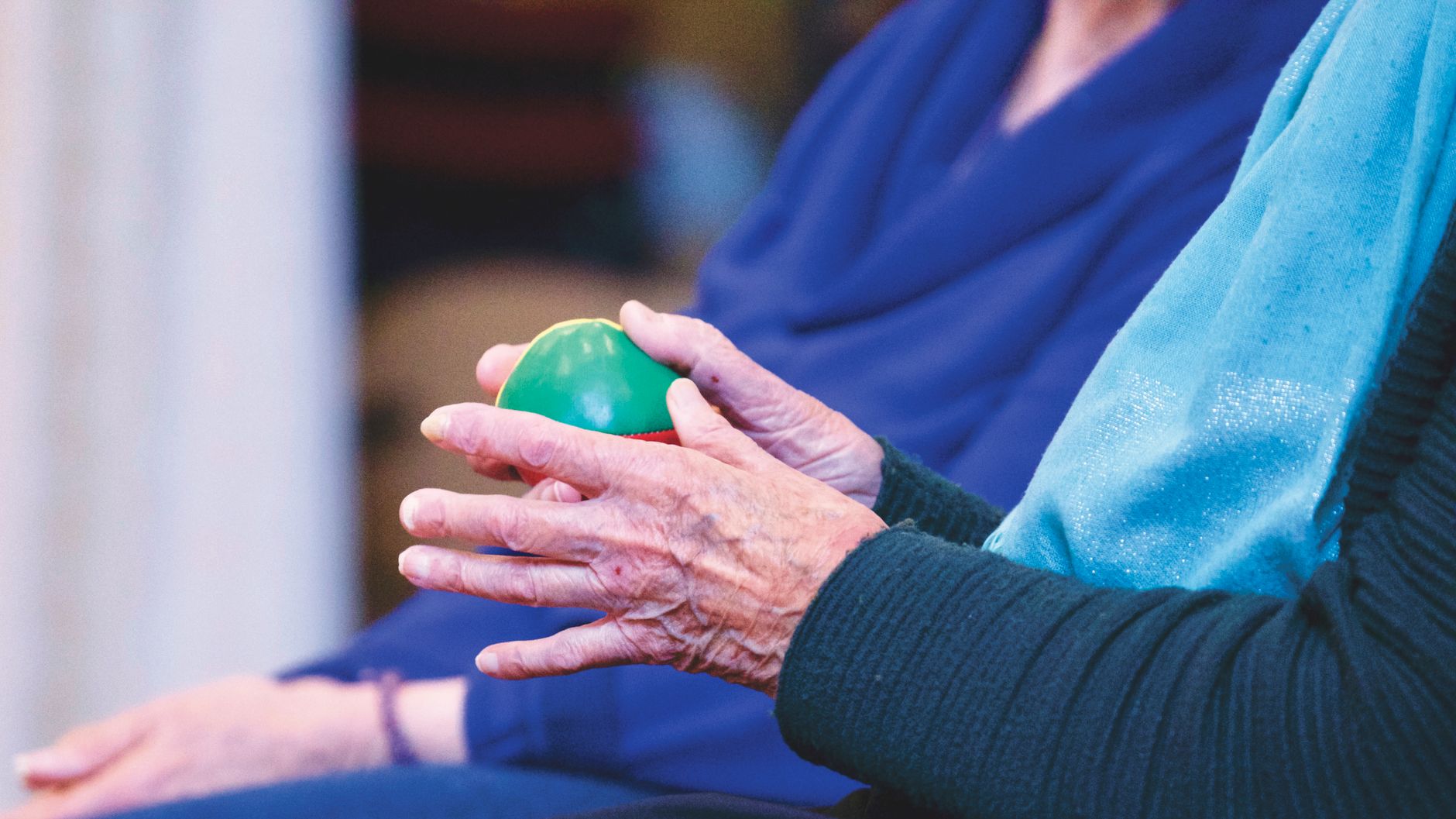
Hand arthritis:
- Gentle hand exercises
- Avoid heavy gripping
- Use assistive devices
- Maintain hand function
- Protect joints
Frequently Asked Questions
Will exercise make my arthritis worse?
No, appropriate exercise typically improves arthritis symptoms. However, high-impact activities or improper technique can worsen symptoms. Focus on low-impact activities, proper form, and working within your pain-free range.
How much should I exercise with arthritis?
Start with 5-10 minutes and gradually build to 20-30 minutes as tolerated. Aim for most days of the week, but listen to your body and take rest days as needed. Consistency is more important than duration.
What if exercise increases my pain?
If exercise increases pain, stop and rest. Consider modifying the exercise, reducing intensity, or trying a different activity. If pain persists or worsens, consult your healthcare provider.
Can I exercise during arthritis flare-ups?
During flare-ups, focus on gentle range of motion exercises and reduce intensity. Some movement is beneficial, but avoid strenuous activity. Rest when needed and consult your doctor for personalized guidance.
Do I need to see a doctor before starting?
Yes, it's important to consult your doctor before starting an exercise program, especially if you have arthritis. They can provide personalized recommendations based on your specific condition and limitations.
What are the best exercises for arthritis?
The best exercises for arthritis include low-impact activities like walking, swimming, and cycling, along with range of motion exercises and strengthening. Focus on activities that don't worsen your symptoms and that you enjoy.
Key Takeaways
- Exercise is highly beneficial for arthritis
- Reduces pain and improves function
- Maintains joint mobility and strength
- Helps manage weight
- Improves mental health
- Choose low-impact activities
- Start slowly and progress gradually
- Listen to your body and respect pain limits
- Modify exercises as needed
- Consult doctor before starting
Related Articles
- What Exercises Should Be Avoided With Arthritis?
- Is Walking Good for Knee Arthritis?
- What Exercises Help Stiff Joints?
- How Can Seniors Exercise Without Making Pain Worse?
- Low-Impact Chair Workouts
References
- Centers for Disease Control and Prevention. (2024). Arthritis and Physical Activity. CDC.gov
- Arthritis Foundation. (2024). Exercise and Arthritis. Arthritis.org
- American College of Rheumatology. (2024). Exercise Recommendations for Arthritis. Rheumatology.org