Quick Answer
What is the best low-impact cardio for seniors? The best low-impact cardio exercises for seniors include walking, water aerobics, stationary cycling, elliptical training, rowing, and dance-based exercise. All provide excellent cardiovascular benefits without stressing joints.
How much cardio should seniors do weekly? The recommendation is 150 minutes of moderate-intensity cardio per week, which can be broken into 10-15 minute sessions.
Is walking enough cardio for seniors? Yes, brisk walking is excellent cardio for most seniors. It provides cardiovascular benefits, is accessible, and can be easily adjusted for intensity.
Can I do low-impact cardio with arthritis? Yes, low-impact cardio is often recommended for people with arthritis. Water-based exercises are particularly beneficial because buoyancy reduces joint stress.
What is considered low-impact exercise? Low-impact exercise keeps at least one foot on the ground at all times, minimizing stress on joints. Examples include walking, cycling, swimming, and elliptical training.
Which Low-Impact Cardio Is Best for You?
| Situation | Best Choice |
|---|---|
| Beginner | Walking |
| Arthritis | Water Aerobics |
| Weight Loss | Cycling |
| Balance Problems | Water Walking |
| Bad Knees | Swimming |
| Limited Mobility | Chair Cardio |
| Longevity | Zone 2 Walking |
Take Our Quick Quiz
Low-Impact Cardio Ranking for Seniors
| Exercise | Heart Health | Joint Friendly | Beginner Friendly | Overall Score |
|---|---|---|---|---|
| Walking | 10 | 8 | 10 | 9.5 |
| Water Aerobics | 9 | 10 | 9 | 9.4 |
| Cycling | 9 | 9 | 8 | 9.0 |
| Swimming | 10 | 10 | 6 | 8.9 |
| Tai Chi | 7 | 10 | 10 | 8.8 |
| Elliptical | 8 | 9 | 7 | 8.5 |
| Rowing | 9 | 8 | 6 | 8.3 |
| Dance-Based | 8 | 7 | 9 | 8.0 |
| Aqua Walking | 8 | 10 | 8 | 8.7 |
| Chair Cardio | 6 | 10 | 10 | 8.7 |
Scores based on expert evaluation and senior fitness research
Why Zone 2 Cardio Is Ideal for Seniors
Zone 2 cardio means exercising at a pace where you can still hold a conversation. This moderate intensity range (60-70% of maximum heart rate) offers unique benefits for seniors:
Benefits of Zone 2 Cardio
- Improves heart health: Strengthens the heart muscle without excessive strain
- Supports healthy blood sugar: Enhances insulin sensitivity
- Boosts endurance: Builds stamina for daily activities
- Easy recovery: Lower intensity means faster recovery time
- Sustainable: Can be maintained for longer durations
Best Zone 2 Exercises for Seniors
| Exercise | How to Do It in Zone 2 |
|---|---|
| Walking | Brisk pace, able to speak in full sentences |
| Cycling | Moderate resistance, conversation pace |
| Water Walking | Walk laps at steady pace |
Learn More About Zone 2
Looking to maximize your cardio benefits for longevity? Check out our comprehensive guide: Zone 2 Cardio for Longevity
Low-impact cardio exercise gets the heart pumping while being gentle on joints, making it ideal for seniors. These workouts provide substantial cardiovascular benefits without the jarring movements that can cause discomfort or injury.
American Heart Association Recommendation
Best Low-Impact Cardio by Health Condition
Choosing the right exercise becomes even more important when managing specific health conditions. Here's our expert recommendation:
| Health Condition | Best Cardio Options | Why It Works |
|---|---|---|
| Arthritis | Water Aerobics, Swimming | Buoyancy reduces joint stress by up to 90% |
| High Blood Pressure | Walking, Cycling | Gentle intensity supports cardiovascular health |
| Diabetes | Walking after meals, Cycling | Helps regulate blood sugar levels |
| Osteoporosis | Walking, Dancing | Weight-bearing movement supports bone density |
| Obesity | Water Walking, Recumbent Bike | Reduced joint impact while burning calories |
| Heart Disease | Walking, Water Aerobics | Low intensity, easy to monitor |
| Balance Issues | Tai Chi, Water Walking | Improves stability and coordination |
| Joint Replacement | Water Exercises, Stationary Cycling | Gentle on new joints |
Consult Your Doctor
Always consult your healthcare provider before starting a new exercise program, especially if you have any of these conditions or other health concerns.
Best Cardio by Age
Your exercise needs and preferences may change as you age. Here are our recommendations based on life stage:
Ages 60-69
| Exercise | Why It Works |
|---|---|
| Walking | Excellent foundation, easy to maintain |
| Cycling | Great for building endurance |
| Swimming | Full-body workout, zero impact |
| Dancing | Fun social activity with cognitive benefits |
Ages 70-79
| Exercise | Why It Works |
|---|---|
| Water Aerobics | Gentle on joints, social opportunity |
| Tai Chi | Improves balance, reduces fall risk |
| Brisk Walking | Sustainable, accessible |
| Chair Yoga | Combines stretching with gentle movement |
Ages 80+
| Exercise | Why It Works |
|---|---|
| Chair Cardio | Seated, accessible for all mobility levels |
| Water Walking | Supportive environment, easy movement |
| Gentle Tai Chi | Slow, controlled movements |
| Arm Exercises | Upper body cardio from a seated position |
Benefits of Low-Impact Cardio for Seniors
Regular low-impact aerobic exercise provides comprehensive health benefits:
| Benefit | How It Helps | Impact on Daily Life |
|---|---|---|
| Heart strengthening | Improves cardiac output | More energy for daily tasks |
| Blood pressure | Helps maintain healthy levels | Reduced cardiovascular risk |
| Weight management | Burns calories efficiently | Easier weight maintenance |
| Mood boost | Releases endorphins | Better mental health |
| Sleep quality | Promotes deeper rest | Wake refreshed |
| Balance | Improves proprioception | Reduced fall risk |
| Social connection | Classes provide interaction | Combats isolation |
Research Finding
Studies show that regular low-impact cardio can reduce cardiovascular mortality by 20-30% in seniors and improve functional capacity for everyday activities.
Top 10 Low-Impact Cardio Exercises for Seniors
1. Walking
Why it works: The most accessible cardio option with numerous benefits
| Feature | Details |
|---|---|
| Intensity | Moderate |
| Calories burned | 200-300 per hour |
| Joint stress | Minimal |
| Accessibility | Very high |
| Equipment needed | Good shoes |
Best for: All fitness levels, beginners, those seeking social opportunities
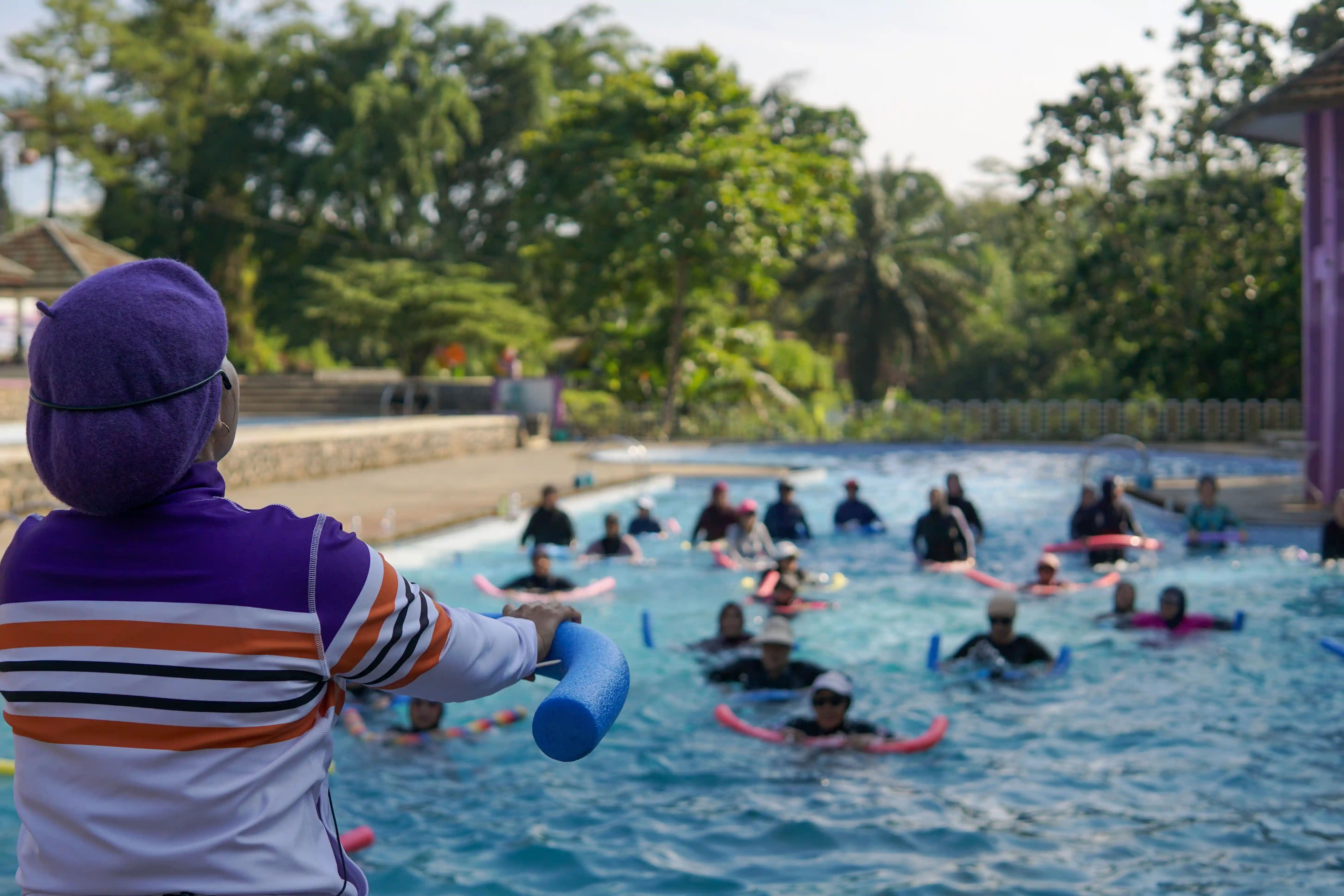
2. Water Aerobics
Why it works: Buoyancy supports body weight while providing resistance
| Feature | Details |
|---|---|
| Intensity | Low to moderate |
| Calories burned | 300-400 per hour |
| Joint stress | Very minimal (90% buoyancy) |
| Accessibility | Requires pool access |
| Equipment needed | Swimsuit, water shoes |
Best for: Those with arthritis, joint pain, or balance concerns
3. Stationary Cycling
Why it works: Gentle on knees and hips with adjustable resistance
| Feature | Details |
|---|---|
| Intensity | Low to high |
| Calories burned | 400-600 per hour |
| Joint stress | Minimal |
| Accessibility | High (home gym option) |
| Equipment needed | Stationary bike |
Best for: Those with knee or hip issues, rehabilitation
4. Elliptical Trainers
Why it works: Smooth, flowing motion without harsh impact
| Feature | Details |
|---|---|
| Intensity | Moderate |
| Calories burned | 350-500 per hour |
| Joint stress | Very minimal |
| Accessibility | Moderate (equipment needed) |
| Equipment needed | Elliptical machine |
Best for: Those seeking upper and lower body work
5. Rowing Machines
Why it works: Full-body workout with smooth, controlled movement
| Feature | Details |
|---|---|
| Intensity | Moderate to high |
| Calories burned | 400-600 per hour |
| Joint stress | Minimal |
| Accessibility | Moderate |
| Equipment needed | Rowing machine |
Best for: Those seeking comprehensive muscle engagement
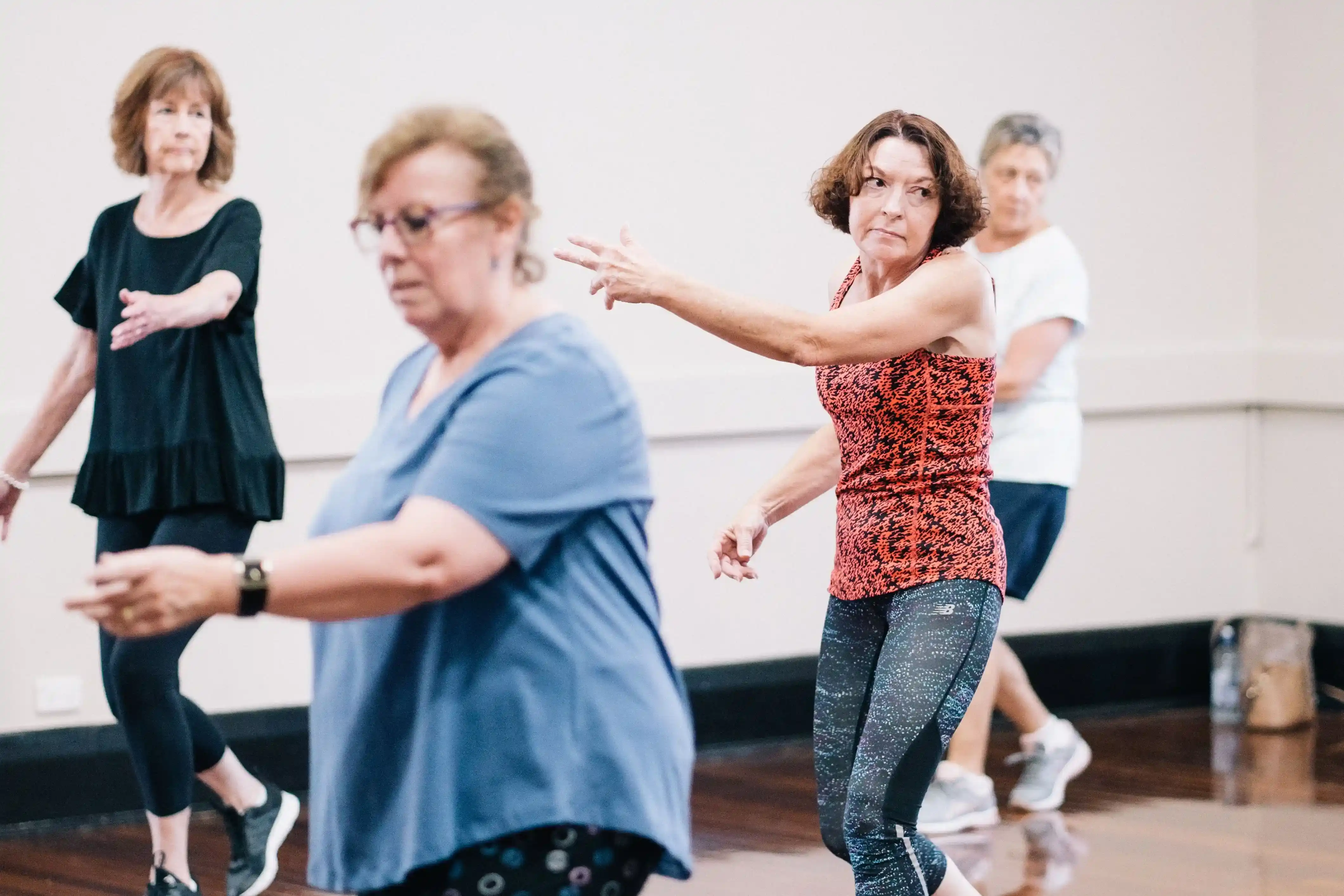
6. Dance-Based Exercise
Why it works: Fun and engaging with cognitive benefits
| Style Options | Examples |
|---|---|
| Social dance | Ballroom, line dancing |
| Group fitness | Zumba Gold, Silver Sneakers |
| Home options | Online dance workouts |
Best for: Those who enjoy music and social interaction
7. Swimming
Why it works: Zero impact with excellent full-body conditioning
| Feature | Details |
|---|---|
| Intensity | Low to high |
| Calories burned | 350-500 per hour |
| Joint stress | None |
| Accessibility | Requires pool |
| Equipment needed | Swimsuit, goggles |
Best for: Those with severe joint issues or chronic pain
8. Aqua Walking
Why it works: Walking in water provides resistance and support
| Pool Depth | Body Weight Supported |
|---|---|
| Waist-deep | 50% |
| Chest-deep | 70-80% |
| Neck-deep | 90% |
Best for: Those new to water exercise or with balance issues
9. Tai Chi
Why it works: Slow, controlled movements improve balance and cardiovascular health
| Feature | Details |
|---|---|
| Intensity | Low |
| Calories burned | 200-300 per hour |
| Joint stress | Minimal |
| Accessibility | Very high |
| Equipment needed | Comfortable clothing |
Benefits beyond cardio: Improved balance, reduced stress
10. Chair Cardio
Why it works: Seated exercises for those with mobility limitations
| Exercise Type | Examples |
|---|---|
| Seated marching | Lift knees while seated |
| Seated boxing | Punching movements |
| Arm cycling | Upper body cardio |
Best for: Those with significant mobility limitations or recovering from injury
Start Where You Are
Choosing the Right Low-Impact Cardio for You
Consider Your Joint Health
| If You Have | Consider These Options |
|---|---|
| Knee arthritis | Water exercises, cycling, swimming |
| Hip problems | Water exercises, elliptical |
| Balance issues | Water walking, chair exercises |
| Back pain | Swimming, stationary bike |
| No joint issues | Walking, dancing, elliptical |
Consider Your Fitness Level
| Level | Recommended Starting Point |
|---|---|
| Beginner | Walking, water walking, chair cardio |
| Intermediate | Cycling, elliptical, dancing |
| Advanced | Swimming, rowing, higher-intensity dancing |
Consider Your Goals
| Goal | Best Options |
|---|---|
| Heart health | Any regular cardio |
| Weight loss | Higher intensity options (cycling, elliptical) |
| Social connection | Group classes, dancing |
| Fall prevention | Tai Chi, water exercises |
| Bone health | Weight-bearing options (walking, dancing) |
How to Get Started Safely
The Talk Test for Intensity
| Intensity Level | Talk Ability | Approximate HR |
|---|---|---|
| Light | Can sing | 50-60% max HR |
| Moderate | Can speak sentences | 60-70% max HR |
| Vigorous | Can only say a few words | 70-85% max HR |
Target Heart Rate for Seniors
Use this table to find your target heart rate based on age. Maximum heart rate is generally calculated as 220 minus your age.
| Age | Moderate Intensity (60-70% max HR) |
|---|---|
| 60 | 96-112 bpm |
| 65 | 93-108 bpm |
| 70 | 90-105 bpm |
| 75 | 87-101 bpm |
| 80 | 84-98 bpm |
| 85 | 81-94 bpm |
| 90 | 78-91 bpm |
No Heart Rate Monitor?
Use the talk test if you don't monitor heart rate. If you can speak in full sentences but not sing, you're in the ideal moderate intensity zone.
Safety First
Stop exercising and seek medical attention if you experience chest pain, severe shortness of breath, dizziness, or unusual fatigue. These may be signs of a more serious condition.
When Will You Notice Benefits?
Consistent cardio exercise delivers noticeable improvements over time. Here's what you can expect:
| Timeline | Expected Results |
|---|---|
| 1 Week | More energy, better sleep quality |
| 2-4 Weeks | Improved endurance, easier breathing during activity |
| 6-8 Weeks | Lower resting heart rate, increased stamina |
| 3 Months | Improved cardiovascular fitness, better mood |
| 6 Months | Better mobility, increased independence |
Stay Consistent
Exercises Seniors Should Avoid
Certain exercises can be risky for seniors, especially if you have specific health conditions. Here's what to avoid:
If You Have These Conditions:
- Severe arthritis
- Osteoporosis
- Balance problems
- Recent joint replacement
- Heart conditions
Avoid These Exercises:
- Jumping (high impact on joints)
- Running on hard surfaces
- High-impact aerobics
- Deep knee bends (if you have knee issues)
- Sudden direction changes (risk of falls)
Listen to Your Body
If any exercise causes pain, stop immediately. Discomfort is normal; pain is a warning sign.
Helpful Equipment for Low-Impact Cardio
Having the right equipment can make your workouts more effective and enjoyable:
Walking Essentials
- Walking Shoes: Supportive, well-cushioned shoes are essential. See our guide: Best Walking Shoes for Seniors
- Fitness Tracker: Monitors steps, heart rate, and activity
- Heart Rate Monitor: Helps stay in target zones
Home Workout Equipment
- Recumbent Exercise Bike: Comfortable seating with back support
- Elliptical Trainer: Smooth, low-impact motion
- Chair for Cardio: Sturdy chair with back support
Building a Sustainable Cardio Routine
Weekly Sample Schedule
| Day | Activity | Duration | Intensity |
|---|---|---|---|
| Monday | Walking | 20-30 min | Moderate |
| Tuesday | Rest | - | - |
| Wednesday | Water aerobics | 30 min | Low-moderate |
| Thursday | Rest | - | - |
| Friday | Cycling | 20-30 min | Moderate |
| Saturday | Dancing or Tai Chi | 30 min | Light-moderate |
| Sunday | Rest | - | - |
Tips for Long-Term Success
- Start small: 10 minutes is better than 0 minutes
- Pair with habit: Walk after breakfast, swim on Tuesday mornings
- Track progress: Note duration and how you felt
- Find accountability: Walk with a friend, join a class
- Celebrate wins: Each week of consistency is an achievement
FAQ: Common Questions About Low-Impact Cardio for Seniors
What counts as low-impact cardio? Low-impact cardio elevates your heart rate while keeping at least one foot on the ground at all times, minimizing stress on joints. Examples include walking, cycling, swimming, and elliptical training.
How much cardio should seniors do weekly? The recommendation is 150 minutes of moderate-intensity or 75 minutes of vigorous-intensity cardio per week. This can be broken into 10-15 minute sessions.
Is walking enough cardio for seniors? Yes, brisk walking is excellent cardio for most seniors. It provides cardiovascular benefits, is accessible, and can be easily adjusted for intensity.
Can I do low-impact cardio with arthritis? Yes, low-impact cardio is often recommended for people with arthritis. Water-based exercises are particularly beneficial because buoyancy reduces joint stress.
How do I know if I'm exercising at the right intensity? Use the "talk test"—you should be able to carry on a conversation but not sing. This indicates moderate intensity, which is ideal for most seniors.
What is the best low-impact cardio for beginners? Walking is typically the best starting point for beginners. It's accessible, requires minimal equipment, and intensity can be easily adjusted.
Can low-impact cardio help with weight loss? Yes, regular low-impact cardio combined with a balanced diet creates the calorie deficit needed for weight loss. Consistency matters more than intensity.
Is swimming better than walking for seniors? Both are excellent. Swimming is better for those with joint problems since it's zero impact. Walking is more accessible and weight-bearing, which supports bone health.
How often should I change my cardio routine? Adding variety every 4-6 weeks prevents plateaus and boredom. Try different activities or change intensity and duration.
Can seniors with heart problems do low-impact cardio? Many forms of low-impact cardio are safe for heart patients, but always consult your doctor first. Cardiac rehabilitation programs often include water aerobics and walking.
Explore More Senior Fitness Resources
This article is part of our comprehensive Exercise Cluster. Discover more helpful guides:
Cardio Workouts
- Zone 2 Cardio for Longevity
- Walking for Seniors: The Ultimate Guide
- Water Aerobics for Seniors
- Cycling for Seniors
- Swimming for Seniors
Strength Training
- Strength Training for Seniors Over 65
- Resistance Band Exercises for Seniors
- Chair Exercises for Seniors
Mobility & Balance
Health Conditions & Exercise
- Arthritis Exercise Guide
- Heart Health for Seniors
- Diabetes and Exercise
- Exercise After Joint Replacement
Fitness Equipment
References
- American Heart Association. (2024). Physical Activity Recommendations for Older Adults. https://www.heart.org/
- Journal of Cardiopulmonary Rehabilitation. (2024). Low-Impact Exercise Benefits.
- National Institute on Aging. (2024). Cardiovascular Exercise for Seniors. https://www.nia.nih.gov/
- American College of Sports Medicine. (2024). Exercise Guidelines for Older Adults.
- Harvard Health Publishing. (2024). Best Types of Exercise for Seniors. https://www.health.harvard.edu/
- Mayo Clinic. (2024). Exercise for Seniors: Benefits and Guidelines. https://www.mayoclinic.org/
- CDC. (2024). Physical Activity for Seniors. https://www.cdc.gov/
- Journal of Aging and Physical Activity. (2024). Low-Impact Cardio and Functional Fitness.