How Can Seniors Rebuild Leg Strength Safely?
Rebuilding leg strength is possible at any age, and doing so safely is key to maintaining independence, preventing falls, and improving quality of life. With the right approach, seniors can significantly increase leg strength, even after years of inactivity. The key is starting slowly, progressing gradually, and prioritizing proper form over intensity.
According to the American College of Sports Medicine, older adults can achieve significant strength gains with regular resistance training, with improvements in muscle strength of 25-100% possible, even in those over 90 years old.
Before You Start
Medical Clearance
Get checked first:
- Consult your doctor
- Discuss any health conditions
- Review current medications
- Discuss any joint issues
- Get personalized recommendations
When to be extra cautious:
- Heart conditions
- High blood pressure
- Diabetes
- Arthritis
- Recent surgery
- History of falls
Setting Realistic Goals
Start with achievable goals:
- Improve daily function
- Climb stairs more easily
- Get up from chairs without using hands
- Walk longer distances
- Reduce fall risk
Long-term goals:
- Maintain independence
- Enjoy activities longer
- Travel more easily
- Play with grandchildren
- Feel more confident
Getting Started Safely
Start with Assessment
Know your starting point:
- Current strength level
- Range of motion
- Balance ability
- Any pain or limitations
- Previous injuries
Simple tests:
- Time how long you can stand
- Count how many times you can sit and stand
- Measure how far you can walk
- Note any discomfort
Begin with Basic Movements
Start simple:
- Focus on proper form
- Use bodyweight only
- Move slowly and controlled
- Breathe regularly
- Stop if pain occurs
First week goals:
- Learn proper technique
- Establish routine
- Build consistency
- Listen to your body
- Avoid overexertion
Essential Leg Exercises
Chair Squats
Why it's great:
- Mimics daily movement
- Builds functional strength
- Easy to modify
- Low impact
- Highly effective
How to do it:
- Sit in sturdy chair
- Feet flat on floor, shoulder-width apart
- Cross arms over chest
- Stand up using legs only
- Slowly sit back down
- Repeat 8-12 times
Progressions:
- Use hands for support if needed
- Add light weights
- Stand up more slowly
- Hold at top position
- Decrease chair support
Leg Lifts
Benefits:
- Strengthens multiple muscles
- Improves balance
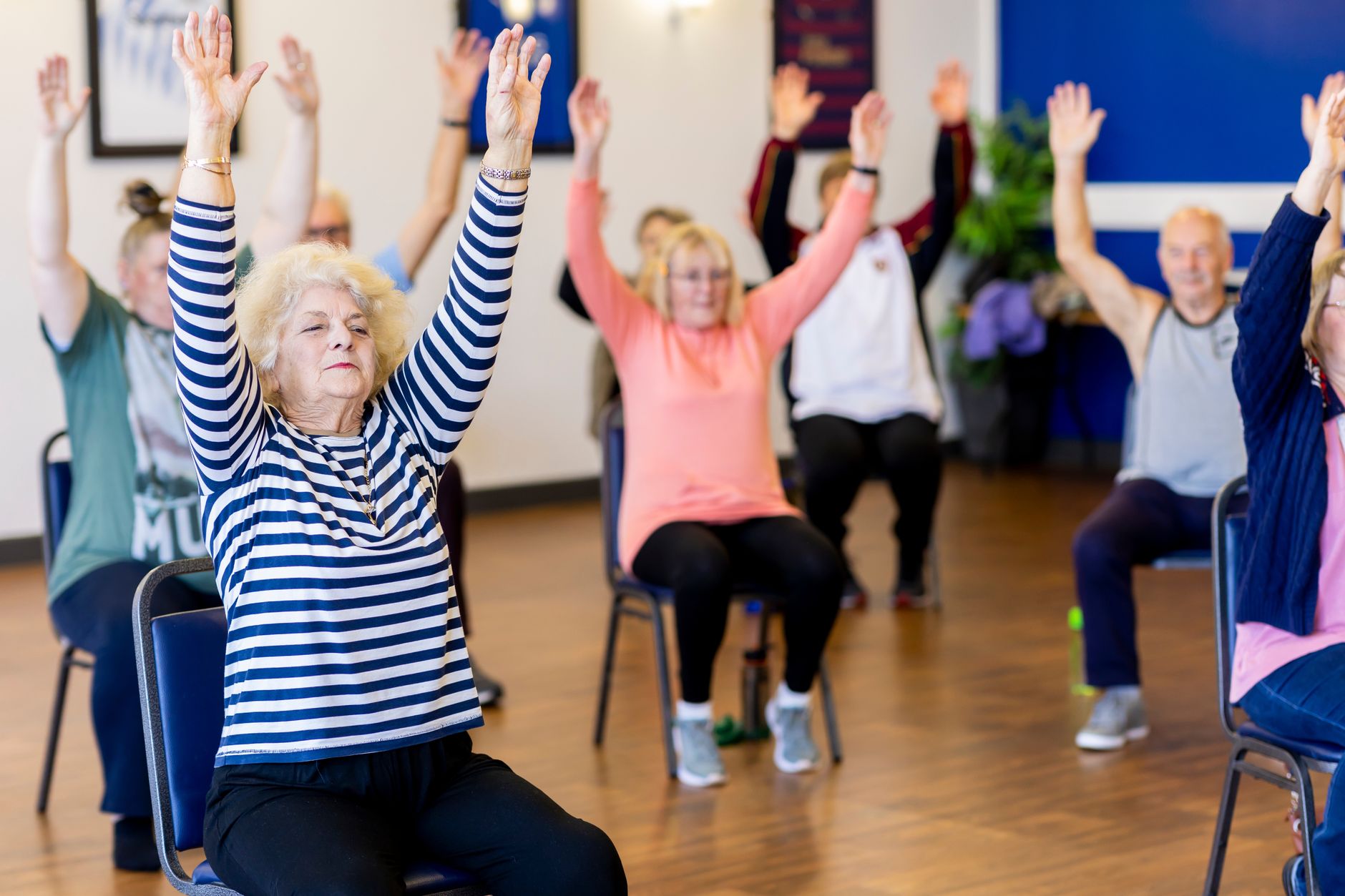
- Can be done seated or standing
- Low impact
- Easy to progress
Seated version:
- Sit in chair
- Extend one leg straight out
- Hold for 2-3 seconds
- Lower slowly
- Repeat 8-12 times per leg
Standing version:
- Hold onto support
- Lift leg to side
- Hold for 2-3 seconds
- Lower slowly
- Repeat 8-12 times per leg
Calf Raises
Why important:
- Improves balance
- Strengthens lower legs
- Helps with walking
- Prevents falls
- Easy to do anywhere
Seated version:
- Sit in chair
- Feet flat on floor
- Raise heels off ground
- Hold for 2-3 seconds
- Lower slowly
- Repeat 10-15 times
Standing version:
- Hold onto support
- Rise onto toes
- Hold for 2-3 seconds
- Lower slowly
- Repeat 10-15 times
Step-Ups
Functional strength:
- Mimics climbing stairs
- Builds leg power
- Improves balance
- Highly practical
- Easy to modify
How to do it:
- Use sturdy step or stair
- Hold onto support if needed
- Step up with one foot
- Bring other foot up
- Step down with first foot
- Repeat 8-10 times per leg
Progressions:
- Lower step height
- Hold weights
- No hand support
- Slower movement
- Higher step
Wall Push-Ups (for leg support)
Why include:
- Builds upper body strength
- Supports leg exercises
- Improves overall strength
- Easy to modify
- Good for posture
How to do it:
- Stand arm-length from wall
- Place hands on wall at shoulder height
- Lean forward
- Push back to start
- Repeat 8-12 times
Building Your Routine
Frequency
How often to train:
- Start 2-3 times per week
- Allow rest days between sessions
- Consistency is key
- Quality over quantity
- Listen to your body
Sample schedule:
- Monday: Leg exercises
- Tuesday: Rest or light walking
- Wednesday: Leg exercises
- Thursday: Rest or light walking
- Friday: Leg exercises
- Weekend: Active rest
Sets and Reps
Starting point:
- 1-2 sets per exercise
- 8-12 repetitions per set
- Rest 60-90 seconds between sets
- Focus on form
- Stop before fatigue
Progression:
- Add sets gradually
- Increase repetitions
- Add resistance
- Reduce rest time
- Increase difficulty
Warm-Up and Cool-Down
Warm-up (5-10 minutes):
- Gentle marching in place
- Arm circles
- Light stretching
- Walking
- Joint rotations
Cool-down (5-10 minutes):
- Gentle stretching
- Deep breathing
- Light walking
- Relaxation
- Hydration
Progressing Safely
When to Increase Difficulty
Signs you're ready:
- Exercises feel easy
- Can complete all reps with good form
- No pain during or after
- Feeling stronger
- Ready for challenge
How to progress:
- Add repetitions first
- Then add sets
- Add light weights
- Reduce support
- Increase range of motion
Progressive Overload
The principle:
- Gradually increase demands
- Challenge muscles appropriately
- Allow adaptation time
- Avoid plateaus
- Prevent overtraining
Safe progression:
- Increase one thing at a time
- Small increments
- Monitor how you feel
- Adjust as needed
- Be patient
Tracking Progress
What to track:
- Number of repetitions
- Number of sets
- Resistance used
- How exercises feel
- Daily function improvements
Keep a log:
- Date of workout
- Exercises performed
- Sets and reps
- Any discomfort
- Notes on progress
Safety Tips
Proper Form
Focus on technique:
- Move slowly and controlled
- Full range of motion
- Don't use momentum
- Breathe regularly
- Stop if pain occurs
Common mistakes to avoid:
- Using too much weight too soon
- Rushing through exercises
- Holding breath
- Ignoring pain
- Poor posture
Listening to Your Body
Pay attention to:
- Joint pain vs. muscle fatigue
- Sharp pain vs. discomfort
- Dizziness or lightheadedness
- Shortness of breath
- Unusual symptoms
When to stop:
- Sharp pain
- Dizziness
- Chest pain
- Severe shortness of breath
- Feeling unwell
Environment Safety
Create safe space:
- Clear area of obstacles
- Use sturdy chair
- Have support nearby
- Good lighting
- Non-slip surface
Have support ready:
- Stable chair or wall
- Someone nearby if possible
- Phone accessible
- Emergency numbers available
- Water nearby
Nutrition for Strength Building
Protein Needs
Why protein matters:
- Builds and repairs muscle
- Essential for strength gains
- Supports recovery
- Maintains muscle mass
- Supports overall health
How much:
- 1.2-1.5g per kg body weight
- Spread throughout day
- Include at each meal
- High-quality sources
- Consider supplements if needed
Good sources:
- Lean meats
- Fish
- Eggs
- Dairy
- Legumes
- Nuts and seeds
Hydration
Stay hydrated:
- Drink water throughout day
- Before, during, after exercise
- Monitor urine color
- Don't wait until thirsty
- Adjust for weather and activity
Other Important Nutrients
Key nutrients:
- Vitamin D (sunlight or supplements)
- Calcium
- Omega-3 fatty acids
- B vitamins
- Magnesium
Consider supplements:
- If diet is insufficient
- After consulting doctor
- Based on individual needs
- Quality products
- Appropriate dosage
Common Challenges
Dealing with Arthritis
Tips for arthritis:
- Start gently
- Use heat or cold before/after
- Choose low-impact options
- Work within pain-free range
- Consult doctor or physical therapist
Modifications:
- Seated exercises
- Reduced range of motion
- Water exercises
- More rest between sets
- Gentle movements
Managing Fatigue
Energy management:
- Exercise when you have most energy
- Start with shorter sessions
- Build gradually
- Allow adequate rest
- Stay consistent
When tired:
- Reduce intensity
- Fewer exercises
- Longer rest periods
- Focus on form
- Don't skip entirely
Staying Motivated
Stay motivated:
- Set realistic goals
- Track progress
- Celebrate small wins
- Find enjoyable activities
- Exercise with others
Overcome barriers:
- Plan ahead
- Prepare environment
- Schedule workouts
- Have backup plans
- Focus on benefits
When to Seek Help
Working with Professionals
Consider working with:
- Physical therapist
- Personal trainer (senior specialist)
- Exercise physiologist
- Occupational therapist
- Your healthcare team
Benefits:
- Personalized program
- Proper technique instruction
- Safe progression
- Motivation and accountability
- Problem-solving
Red Flags
Seek medical attention if:
- Chest pain or pressure
- Severe shortness of breath
- Dizziness or fainting
- Sudden weakness
- Severe pain
- Unusual symptoms
Stop exercising and call doctor if:
- Pain doesn't improve with rest
- Swelling or redness
- Difficulty breathing
- Heart palpitations
- Feeling unwell
Frequently Asked Questions
How long until I see results?
Most seniors notice improvements in strength and function within 4-8 weeks of consistent training. Significant strength gains typically occur within 12 weeks. However, everyone progresses differently, and consistency is key.
Can I rebuild strength if I haven't exercised in years?
Absolutely. Muscles respond to training at any age. Start very slowly, focus on proper form, and be patient. Even after long periods of inactivity, seniors can make significant improvements in strength and function.
Is it safe to use weights?
Yes, when used properly. Start with very light weights or no weight at all. Focus on form first, then gradually increase resistance. Consider working with a professional to learn proper technique.
What if I have arthritis?
Many seniors with arthritis can and should exercise. Start gently, work within your pain-free range, and consider low-impact options. Consult your doctor or physical therapist for personalized recommendations.
How often should I exercise?
Aim for 2-3 strength training sessions per week, with at least one rest day between sessions. Consistency is more important than frequency. Start with what you can manage and build gradually.
What if I can't stand for long?
No problem! Many effective leg exercises can be done seated. Chair exercises are excellent for building strength and can be just as effective as standing exercises when done properly.
Key Takeaways
- Leg strength can be rebuilt at any age with proper approach
- Start slowly and progress gradually
- Focus on proper form over intensity
- Consistency is more important than intensity
- Listen to your body and stop if pain occurs
- Proper nutrition supports strength building
- Allow adequate rest and recovery
- Track your progress
- Seek professional guidance if needed
- Safety should always be the priority
Related Articles
- Why Are My Legs Getting Weaker as I Age?
- Leg Strengthening Exercises
- What Exercises Help Seniors Get Up From a Chair More Easily?
- Strength Training Safety Tips
- Balance Exercises for Seniors
References
- American College of Sports Medicine. (2024). Strength Training for Older Adults. ACSM.org
- National Institute on Aging. (2024). Exercise and Physical Activity. NIA.nih.gov
- Mayo Clinic. (2024). Senior Fitness: Tips for Staying Active. MayoClinic.org