Group Exercise Classes for Seniors: 6 Best Types, How to Choose, and What to Expect
Exercise is often easier to stick with when someone else is expecting you to show up.
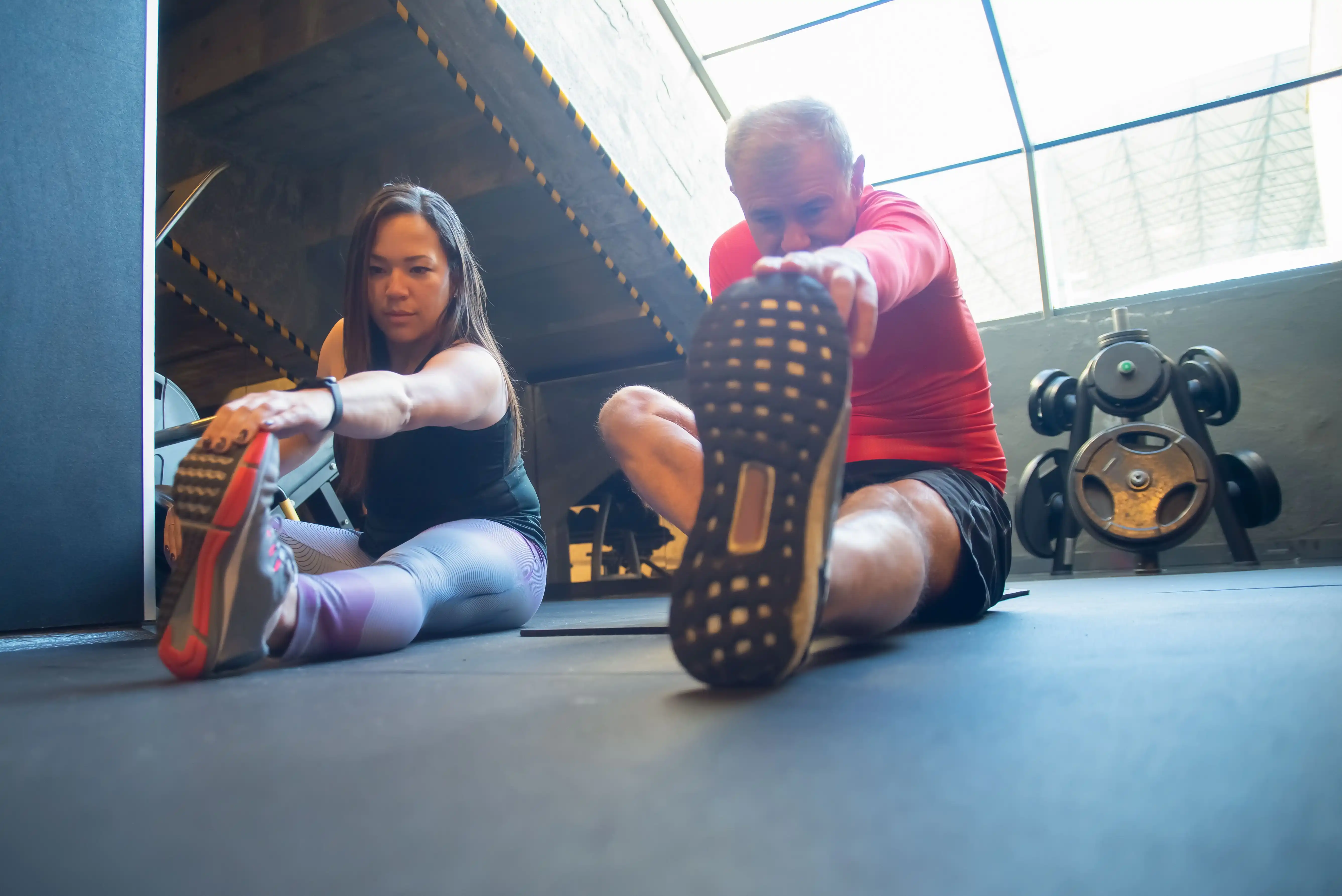
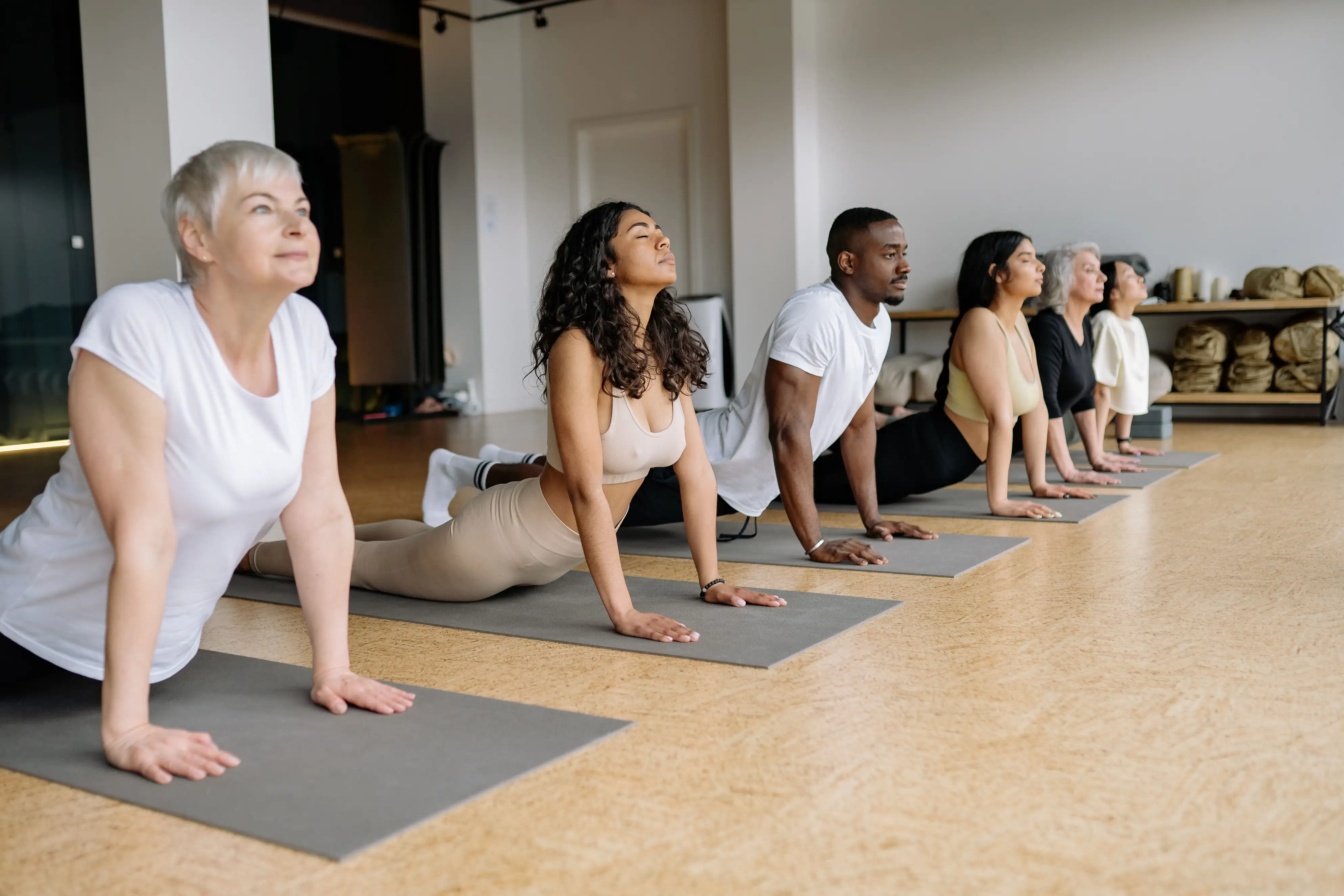
That is one reason group exercise classes can work so well for older adults. Instead of trying to decide what to do at home, you have a scheduled time, an instructor, and other people moving alongside you.
A group class can also provide something a solo workout cannot always offer: social connection. You may start going for the exercise and eventually stay because you know the people in the room.
But not every class is right for every older adult. Someone with stiff knees may feel much better in a warm-water class than a standing aerobics class. Someone worried about falling may prefer Tai Chi or chair-based exercise. Someone who enjoys music may find that a dance class is the easiest workout to maintain.
This guide compares six popular types of group exercise classes for seniors, explains who each class may suit, and shows you how to choose a safe class.
📌Key Takeaways
- The best senior exercise class is one you can do safely and enjoy enough to attend regularly.
- Tai Chi, chair yoga, water exercise, strength classes, walking groups, and low-impact dance are all useful options.
- Older adults should include aerobic activity, muscle strengthening, and balance-focused exercise in their weekly routine.
- A good instructor should offer modifications rather than expecting everyone to perform the same movement.
- You should be able to rest, sit down, reduce the range of motion, or skip an exercise when necessary.
Why Try a Group Exercise Class?
You do not have to join a gym or become a serious athlete to benefit from group exercise.
For many older adults, the biggest advantage is simply having a reason to get moving on a regular schedule.
A class can provide:
- A fixed time that makes exercise easier to remember
- An instructor who demonstrates and explains movements
- Other participants who provide encouragement
- Opportunities to practice balance and strength safely
- A chance to meet people with similar interests
- A structured alternative to exercising alone at home
The social part matters, too.
If you enjoy seeing familiar faces each week, attending class can become part of your routine rather than another health task on your to-do list.
And there is no requirement to be the strongest or most flexible person in the room.
A good senior class should be built around different ability levels.
How Much Exercise Do Older Adults Need?
You do not need to get all your weekly exercise from classes.
Current WHO recommendations for adults age 65 and older call for at least 150 minutes of moderate-intensity aerobic activity per week, or an equivalent amount of more vigorous activity. Older adults should also include muscle-strengthening activities on at least two days each week.
For people with poor mobility, WHO recommends adding activities that emphasize balance and help prevent falls on three or more days per week. :contentReference[oaicite:2]2
A group class can help you meet some of these goals, but your entire week counts.
For example:
Monday:
45-minute strength class
Tuesday:
20-minute walk
Wednesday:
Tai Chi class
Thursday:
Rest or gentle stretching
Friday:
45-minute water aerobics class
Saturday:
30-minute walk with a friend
Sunday:
Rest or light household activity
The goal is not to create a perfect schedule.
The goal is to find a level of activity you can maintain.
6 Best Group Exercise Classes for Seniors
1. Tai Chi
::contentReference[oaicite:3]3
Tai Chi uses slow, controlled movements combined with breathing and focused attention.
Unlike many traditional exercise classes, it does not require jumping, fast running, or heavy equipment.
That makes it an appealing option for older adults who want to work on balance, coordination, and gentle movement.
Research reviewed by the National Center for Complementary and Integrative Health suggests that Tai Chi may improve balance and help reduce falls in older adults. A large review found that Tai Chi may reduce the rate of falls and the number of people experiencing falls, although the strength of evidence varies by outcome. :contentReference[oaicite:4]4
Tai Chi may be a good fit if you:
- Want to improve balance
- Prefer slow, controlled movements
- Are nervous about high-impact exercise
- Enjoy mind-body activities
- Want an exercise that can be adapted to different abilities
Some Tai Chi programs can also be modified with a chair or other support.
Look for beginner classes or programs specifically designed for older adults.
2. Chair Yoga
::contentReference[oaicite:5]5
Chair yoga adapts yoga movements so that many exercises can be performed while seated or with a chair nearby for support.
A typical class may include:
- Gentle shoulder movements
- Seated spinal movements
- Hip and ankle mobility exercises
- Breathing exercises
- Gentle stretching
- Supported standing movements
- Relaxation
Chair yoga can be particularly appealing if getting down onto the floor is difficult.
It may also be useful for someone who wants to improve flexibility and mobility without joining a fast-paced fitness class.
Chair yoga may be a good fit if you:
- Have limited mobility
- Are uncomfortable exercising on the floor
- Want gentle stretching
- Prefer a slower class
- Want to work on flexibility and body awareness
Remember that "chair yoga" does not necessarily mean every exercise is seated. Ask the instructor what percentage of the class is performed standing.
3. Water Aerobics and Aqua Exercise
::contentReference[oaicite:6]6
Water exercise is a popular choice for people who find land-based exercise uncomfortable.
The water supports part of your body weight while providing resistance as you move.
Classes may include:
- Water walking
- Leg movements
- Arm exercises
- Gentle aerobic intervals
- Resistance exercises
- Mobility work
Warm water can also feel comfortable for people with stiff joints.
However, not every aquatic class is the same. Some are gentle wellness classes, while others are much more demanding.
Water exercise may be a good fit if you:
- Have joint stiffness
- Prefer low-impact exercise
- Enjoy swimming pools
- Find walking or standing exercise uncomfortable
- Want a combination of cardio and resistance work
Before enrolling, ask about pool temperature, water depth, steps or ramps into the pool, and whether an instructor is present throughout the class.
If you are uncomfortable in water or cannot safely enter and exit the pool, another class may be a better option.
4. Senior Strength Training Classes
::contentReference[oaicite:7]7
Strength training becomes increasingly important as we age.
Muscle strength supports everyday activities such as:
- Getting up from a chair
- Carrying groceries
- Climbing stairs
- Getting out of a car
- Maintaining balance
- Performing household tasks
Senior strength classes often use light dumbbells, resistance bands, bodyweight exercises, or a combination of the three.
You may see names such as:
- Senior Strength
- Strength and Balance
- Silver Sneakers
- Active Aging
- Strong Bodies
- Functional Fitness
The important thing is not the class name.
Look at how the instructor teaches.
A good class should emphasize controlled movements, appropriate resistance, good technique, and modifications.
Strength classes may be a good fit if you:
- Want to maintain muscle
- Want to improve everyday strength
- Feel comfortable with standing exercise
- Want a structured workout
- Prefer measurable progress
You do not need to lift heavy weights to start.
For many beginners, learning how to perform a movement correctly is more important than increasing the amount of resistance.
See our guide to Strength Training for Seniors: Building Muscle After 60.
5. Walking Groups and Mall-Walking Clubs
::contentReference[oaicite:8]8
Walking may be the simplest group exercise of all.
A walking group can turn an ordinary walk into a social activity.
Some groups meet at parks. Others use community centers, tracks, neighborhoods, or indoor shopping malls.
Walking groups can be especially useful for beginners because the activity is familiar.
You can also adjust the pace.
Walking groups may be a good fit if you:
- Are new to exercise
- Enjoy talking while you walk
- Prefer outdoor activity
- Do not want to use gym equipment
- Want to build endurance gradually
Ask about the group's pace and distance before joining.
A group described as "senior walking" may still move quickly.
If possible, choose a group where you can comfortably talk while walking.
6. Dance and Low-Impact Movement Classes
::contentReference[oaicite:9]9
Dance classes can make exercise feel more like a social event than a workout.
Depending on the program, you might find:
- Line dancing
- Ballroom basics
- Low-impact dance
- Zumba Gold
- Rhythm and movement classes
Dance combines movement with music and coordination.
It can also challenge your memory because you have to remember sequences and respond to changes in rhythm.
The most important factor is choosing an appropriate level.
A beginner senior dance class should give participants time to learn movements rather than expecting everyone to keep up immediately.
Dance classes may be a good fit if you:
- Enjoy music
- Like social activities
- Want aerobic exercise
- Prefer variety
- Find traditional workouts boring
You do not have to be a good dancer.
That is part of the fun.
Which Senior Exercise Class Is Best for You?
There is no single "best" class for every older adult.
Use this quick comparison:
| If your main goal is... | Consider starting with... |
|---|---|
| Better balance | Tai Chi |
| Gentle mobility | Chair yoga |
| Less joint impact | Water exercise |
| Building strength | Senior strength class |
| Improving walking endurance | Walking group |
| Social and enjoyable cardio | Dance class |
| Very low fitness level | Chair yoga or beginner walking |
| Fear of falling | Tai Chi or supervised balance class |
| Maintaining muscle | Strength training |
| Meeting people | Walking or dance groups |
You can also combine two different types.
For example, a strength class twice a week plus Tai Chi once a week gives you both resistance and balance-focused exercise.
How to Choose a Safe Group Exercise Class
The word "senior" on a class schedule does not automatically mean the class is appropriate for every older adult.
Before signing up, ask these questions.
1. Can the instructor modify exercises?
This is one of the most important questions.
A good instructor should be comfortable saying:
"Here is the easier option."
You may be offered:
- A seated version
- A smaller range of motion
- A slower version
- A chair for support
- Less resistance
- More rest
If the instructor expects every person to perform every exercise exactly the same way, consider another class.
2. Does the instructor understand older adults' needs?
You do not necessarily need a particular certification for every type of exercise.
However, relevant training and experience with older adults are valuable.
Ask:
"Do you regularly teach older adults with different mobility and fitness levels?"
For specialized classes such as yoga, Tai Chi, or aquatic exercise, ask what additional training the instructor has completed.
3. Is the facility accessible?
Look at the practical details.
Check whether there are:
- Handrails where needed
- Non-slip surfaces
- Accessible restrooms
- Adequate lighting
- Easy parking or public transportation
- Chairs available for rest
- Clear pathways without unnecessary obstacles
For a pool class, check how you enter and exit the water.
4. Is the class size manageable?
There is no universal maximum class size that guarantees safety.
What matters is whether the instructor can actually see and help participants.
During a trial class, notice whether the instructor has time to correct form and check on people.
If the room is so crowded that nobody can move comfortably, it may not be a good fit.
5. Can you try before committing?
Whenever possible, take a trial class.
You can learn more in 45 minutes than you can from a website description.
Pay attention to how you feel during and after the class.
📋First Group Exercise Class Checklist
0/7 completed- I know the class level and what types of exercises it includes.
- I told the instructor about important mobility limitations or movement restrictions.
- I brought water and comfortable clothing.
- I have appropriate footwear or any mobility support I normally use.
- I know where the restroom and exits are.
- I know that I can rest or modify an exercise whenever necessary.
- I understand which symptoms mean I should stop exercising and seek help.
What Should You Bring to Your First Class?
You usually do not need much.
Bring:
- Comfortable clothing
- Supportive shoes for land-based classes
- A water bottle
- A small towel
- Any brace or mobility aid you normally use
- Emergency contact information if appropriate
If you use hearing aids, glasses, or another device during daily activities, bring them if they help you participate safely.
Arrive about 10 minutes early.
This gives you time to find the restroom, put away your belongings, and introduce yourself to the instructor.
Most importantly, tell the instructor what you need.
You do not have to explain your entire medical history.
A simple statement such as:
"My right knee bothers me with deep bending, so I may need the easier version."
is usually enough to start the conversation.
What Should You Expect During Your First Class?
A well-structured class usually has three parts.
Warm-up
The instructor may begin with gentle walking, marching, joint movements, or easy range-of-motion exercises.
The purpose is to gradually prepare your body for the main activity.
Main workout
This is where the class focuses on its main goal.
Depending on the class, you might walk, perform resistance exercises, practice balance, move through Tai Chi sequences, exercise in water, or dance.
You should not feel pressured to match everyone else.
Cool-down
The class should gradually reduce intensity rather than stopping suddenly after the hardest part.
You may finish with slower movements, breathing exercises, stretching, or relaxation.
After your first class, notice how your body feels later that day and the next morning.
Mild muscle tiredness can be normal after unfamiliar exercise.
Sharp pain or symptoms that concern you are different.
When Should You Stop Exercising?
You should not try to "push through" concerning symptoms simply because everyone else is continuing.
Stop the activity and seek appropriate medical attention for symptoms such as:
- Chest pressure or chest pain
- Severe or unusual shortness of breath
- Fainting or feeling like you may faint
- Sudden severe dizziness
- New weakness or neurological symptoms
- Significant or worsening pain
- A serious fall or injury
If you have a medical condition or have recently had surgery or an injury, ask your healthcare professional about appropriate activity levels and restrictions.
You do not have to wait until you are completely symptom-free to become active, but your activity should match your abilities and health situation.
WHO specifically notes that older adults who cannot meet the standard activity targets because of health conditions should be as physically active as their abilities and conditions allow. :contentReference[oaicite:10]10
A Simple 4-Week Plan for Starting Group Exercise
You do not need to join three classes immediately.
Start small.
| Week | Goal | What to Do |
|---|---|---|
| Week 1 | Explore | Find 3 local classes and try 1 or 2 |
| Week 2 | Choose | Pick the class you enjoyed most and attend once or twice |
| Week 3 | Build | Increase to 2–3 sessions if your body is responding well |
| Week 4 | Add variety | Consider adding a second type of exercise |
For example:
Monday: Senior strength class
Tuesday: Rest or easy walk
Wednesday: Tai Chi
Thursday: Rest
Friday: Walking group
Weekend: Gentle activity or rest
This is only an example.
Your ideal schedule depends on your current fitness, health, mobility, and goals.
How to Make Group Exercise Easier to Stick With
The best exercise program is usually not the one that looks most impressive on paper.
It is the one you will actually keep doing.
Try these simple strategies.
Choose convenience over perfection
A good class 10 minutes from home may be better than an excellent class 45 minutes away.
Travel time can become the reason you stop attending.
Pick something you enjoy
If you hate traditional workouts, try dancing.
If you dislike loud music, try Tai Chi.
If your knees dislike pavement, try water exercise.
Your preferences matter.
Make friends in the class
Say hello to the people next to you.
You do not need to become close friends immediately.
Simply recognizing familiar faces can make returning easier.
Keep the first month simple
Do not change everything at once.
One or two classes per week is enough to learn whether the activity fits your life.
Track how you feel
After each class, write down:
- What you did
- How difficult it felt
- Any discomfort
- How you felt later that day
- Whether you would attend again
After a few weeks, patterns become easier to see.
The Bottom Line
Group exercise classes can be an excellent way for older adults to stay active without having to exercise alone.
There is no single best class.
Tai Chi is a strong option for balance and gentle movement.
Chair yoga works well for people who prefer supported exercise.
Water exercise can reduce the impact of movement on the joints.
Strength classes help maintain the muscle needed for everyday activities.
Walking groups are simple and accessible.
Dance classes can combine aerobic exercise with music and social connection.
The most important question is not:
"Which class burns the most calories?"
It is:
"Which class can I do safely, comfortably, and consistently?"
Start with one class.
Try it.
Talk to the instructor.
Modify movements when necessary.
And if you enjoy seeing the same people there each week, you may discover that exercise becomes something you look forward to rather than something you have to force yourself to do.
Frequently Asked Questions
What are the best group exercise classes for beginners over 65?
Chair yoga, water exercise, beginner Tai Chi, and walking groups are good starting points for many older adults. They can generally be adapted to different fitness and mobility levels.
The right choice depends on your current abilities and what you enjoy.
How many group exercise classes should seniors take each week?
Two or three classes per week is a practical starting point for many people.
However, think about your entire week rather than only your classes.
WHO recommends at least 150 minutes of moderate-intensity aerobic activity each week, muscle-strengthening activities on two or more days, and balance-focused activity for older adults with poor mobility on three or more days. :contentReference[oaicite:11]11
You can combine classes with walking, gardening, household activities, and other forms of movement.
Are group exercise classes safe for seniors with arthritis?
Many can be.
Water exercise, chair yoga, walking, Tai Chi, and appropriately modified strength training may all be reasonable options depending on the person.
Tell the instructor about your arthritis before class and ask how movements can be modified.
See our guide to Best Shoes for Arthritis for another part of a joint-friendly exercise routine.
What should I bring to my first group exercise class?
Wear comfortable clothing and appropriate shoes for the activity.
Bring water and any brace, mobility aid, or other equipment you normally use.
Arrive early enough to introduce yourself to the instructor and explain any important limitations.
Can seniors modify exercises during a group class?
Yes.
In fact, modification should be a normal part of a good senior exercise class.
You might:
- Sit instead of stand
- Use a chair for balance
- Reduce the range of motion
- Use lighter resistance
- Move more slowly
- Take an extra rest
You do not have to match the person next to you.
How do I find good group exercise classes for seniors near me?
Start with:
- Senior centers
- YMCA locations
- Parks and recreation departments
- Community centers
- Hospital wellness programs
- Local walking clubs
- Community organizations
- Independent or assisted living communities that offer public programs
Ask about class level, instructor experience, accessibility, cost, and trial classes.
A quick phone call can tell you much more than the class name on a schedule.
Related Articles
- Exercise Motivation for Seniors: How to Stay Consistent
- Chair Yoga for Seniors: Step-by-Step 20-Minute Routine
- Tai Chi for Seniors: Balance and Fall Prevention Routine
- Strength Training for Seniors: Building Muscle After 60
- Best Shoes for Arthritis (2026 Reviews)
- How Can Caregivers Reduce Fall Risk
References
-
World Health Organization. Physical Activity. Recommendations for adults aged 65 and older, including aerobic activity, muscle strengthening, and balance-focused activity. :contentReference[oaicite:12]12
-
National Center for Complementary and Integrative Health. Tai Chi: What You Need To Know. Evidence on Tai Chi, balance, falls, osteoarthritis, and safety in older adults. :contentReference[oaicite:13]13
-
National Center for Complementary and Integrative Health. Psychological and Physical Practices for Older Adults: What the Science Says. Review of evidence for Tai Chi and other mind-body practices in older adults. :contentReference[oaicite:14]14
-
U.S. Department of Health and Human Services. Physical Activity Guidelines for Americans. Recommendations for aerobic and muscle-strengthening activity in older adults. :contentReference[oaicite:15]15