📌Key Takeaways
- Vitamin D3 (cholecalciferol) is far more effective than D2 at raising blood levels — always choose D3
- Most seniors do well on 1000-2000 IU daily; those with low levels may need higher doses under a doctor's care
- Oil-based softgels absorb best because vitamin D is fat-soluble — take them with a meal
- Liquid drops are the easiest form for seniors who struggle with pills or have trouble swallowing
- Look for third-party testing (USP, NSF) to verify what's on the label is in the bottle
Why Vitamin D Matters So Much After 50
If there is one supplement nearly every senior should think about, it is vitamin D. As we age, our skin becomes less efficient at making vitamin D from sunlight — by 70, you produce roughly 75% less than you did at 20. Add in more time indoors, sunscreen (the right choice for skin health), and darker winter months, and it is no surprise that the majority of adults over 50 are running low.
That matters because vitamin D does far more than support bones. It helps your body absorb calcium, keeps muscles strong enough to prevent falls, and plays a role in immune health and mood. Chronically low levels are linked to a higher risk of fractures, muscle weakness, and even the bone-thinning disease osteoporosis. If you have ever felt foggy, achy, or unusually tired through the winter, vitamin D deficiency symptoms in seniors can be surprisingly easy to miss.
The good news is that fixing this is cheap and simple, and your doctor already runs the test that settles the question: a 25-hydroxy vitamin D blood draw. From there, three decisions do most of the work. Choose D3 (cholecalciferol) rather than D2, match the dose to your blood level instead of guessing, and take an oil-based softgel with a meal because vitamin D is fat-soluble. This guide walks through our top picks for 2026 and how to make those calls. For the big picture on all supplements, see our vitamins and supplements hub.
Quick check
If you spend most of your day indoors, live in a northern climate, have darker skin, are over 70, or have been told your blood level is below 30 ng/mL, a vitamin D3 supplement is almost always worth considering. A simple blood test (25-hydroxy vitamin D) from your doctor tells you where you stand.
Vitamin D supplements are a strong fit for:
- Adults over 50, especially women after menopause when bone loss accelerates
- Seniors who spend most of the day indoors or in care facilities
- Anyone living north of the 37th parallel (roughly the latitude of Virginia) during fall and winter
- People with darker skin, which naturally produces less vitamin D from sunlight
- Those with osteoporosis or osteopenia, often paired with calcium — learn more in our guide to calcium and vitamin D for osteoporosis
- Seniors recovering from a fracture or working on fall prevention
If you are unsure how much you need, you can read our guide on how much vitamin D seniors should take.
Quick Picks: Best Vitamin D for Seniors
Here is where we landed after comparing doses, forms, absorption, and value.
| Best For | Recommended | Why |
|---|---|---|
| 🏆 Best Overall | Nature Made Vitamin D3 1000 IU | USP-verified, oil-based softgel, easy dose for daily use |
| 💰 Best Value | Nature's Way Vitamin D3 2000 IU | High-quality coconut oil softgel at a great price per dose |
| 💪 Best High-Dose | Sports Research Vitamin D3 5000 IU | For seniors with low levels who need a stronger boost |
| 💧 Best Liquid | Vitamin D3 Liquid Drops | Perfect for anyone who cannot swallow softgels |
See today's prices:
- Nature Made D3 1000 IU → Check Priceamazon
- Nature's Way D3 2000 IU → Check Priceamazon
- Sports Research D3 5000 IU → Check Priceamazon
- D3 Liquid Drops → Check Priceamazon
- Vitafusion D3 Gummies → Check Priceamazon
For most seniors, Nature Made Vitamin D3 1000 IU is the best place to start — it is affordable, third-party verified, and the dose matches what most adults over 50 need for maintenance. If a blood test shows you are deficient, a higher-dose option like Sports Research 5000 IU can help you climb back into a healthy range faster (with your doctor's okay).
Comparison: Top Vitamin D3 Supplements for Seniors
📊Best Vitamin D3 for Seniors (2026)
| Product | Dose | Form | Best For | Testing |
|---|---|---|---|---|
| Nature Made D3 | 1000 IU | Softgel | Daily maintenance | USP |
| Nature's Way D3 | 2000 IU | Softgel | Best value | Third-party |
| Sports Research D3 | 5000 IU | Softgel | Low levels | IFOS/NSF |
| D3 Liquid Drops | 2000 IU | Liquid | Easy swallowing | Third-party |
| Vitafusion D3 | 1000 IU | Gummy | Taste/avoid pills | USP |
Click on any product to view full details and reviews
Our Top Picks Reviewed
1. Best Overall: Nature Made Vitamin D3 1000 IU
Overall Score: 9.6/10 ⭐⭐⭐⭐⭐
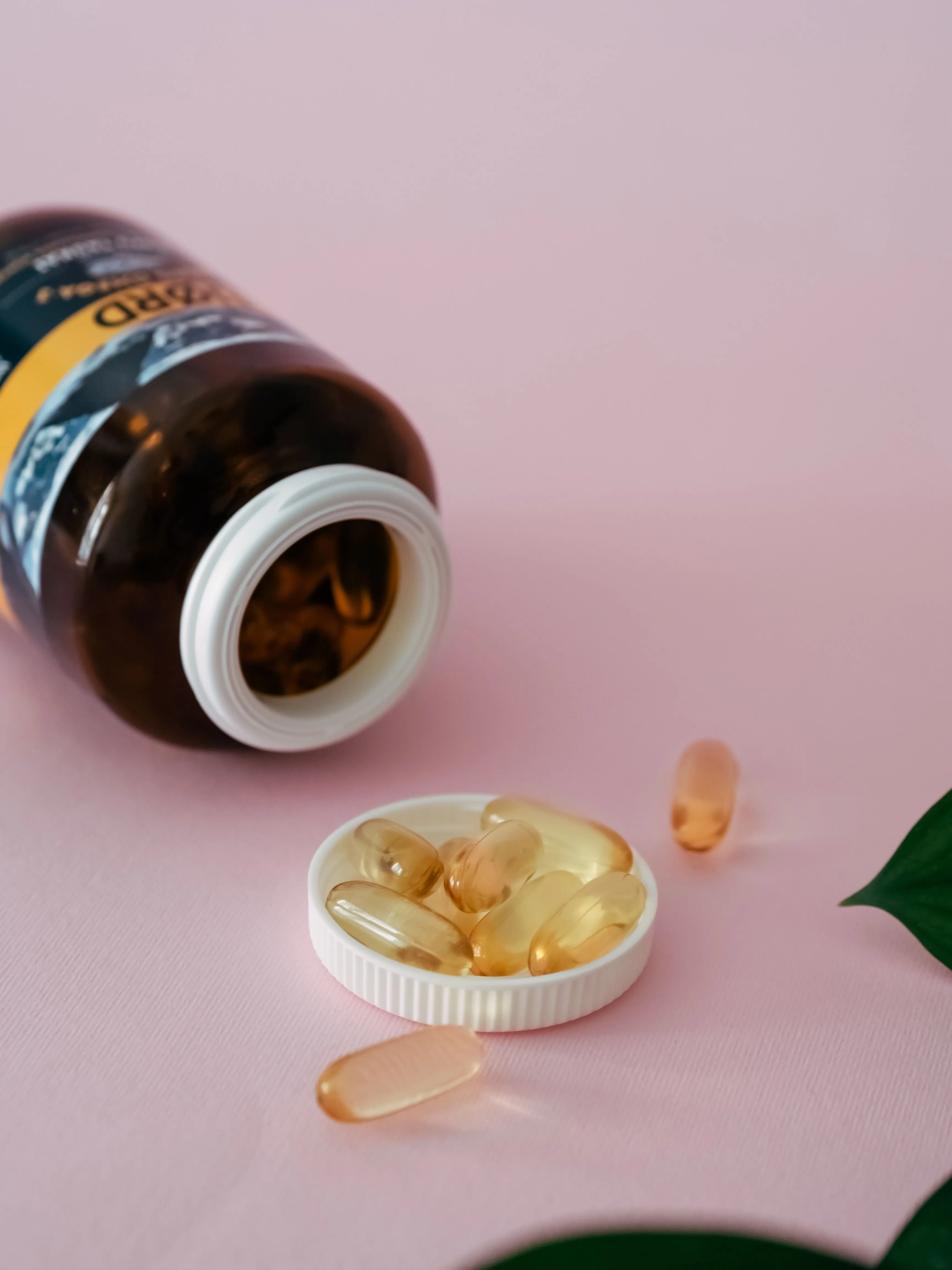
Nature Made has earned its place as our top pick by getting the fundamentals right. Each softgel delivers 1000 IU of D3 (cholecalciferol) suspended in soybean oil — and that oil matters, because vitamin D is fat-soluble and absorbs far better with fat than a dry tablet ever will.
What makes it the best choice for most seniors is trust and simplicity. Nature Made is one of the few brands verified by the United States Pharmacopeia (USP), an independent organization that confirms the label matches what is actually in the bottle. That is not a given in the supplement world. The softgels are small and easy to swallow, the dose is right in the sweet spot for daily maintenance, and the price is hard to beat.
Best for: Daily maintenance for adults 50-70 with no known deficiency.
Key specs:
- Dose: 1000 IU per softgel
- Form: D3 (cholecalciferol) in oil-based softgel
- Testing: USP Verified
- Serving: 1 softgel daily with a meal
Pros: Affordable, USP-verified, small easy-to-swallow softgel, widely available Cons: Uses soybean oil (not ideal if you avoid soy)
Check Priceamazon2. Best Value: Nature's Way Vitamin D3 2000 IU
Overall Score: 9.4/10 ⭐⭐⭐⭐⭐
If you want more vitamin D per dollar, Nature's Way is hard to top. Each softgel packs 2000 IU of D3 dissolved in organic coconut oil — a detail worth highlighting, since some people prefer coconut oil over soybean oil and find it just as effective for absorption.
The 2000 IU dose sits at the upper end of what most doctors recommend for seniors on maintenance, which means one softgel covers you even on the shorter, darker days of winter. The brand conducts third-party testing, and the cost per serving is among the lowest of any reputable option on this list. For a senior on a fixed income who wants a quality product without overpaying, this is the sweet spot.
Best for: Budget-conscious seniors who want a slightly higher daily dose.
Key specs:
- Dose: 2000 IU per softgel
- Form: D3 in organic coconut oil softgel
- Testing: Third-party verified
- Serving: 1 softgel daily with a meal
Pros: Excellent value, coconut oil base, gluten-free, no artificial colors Cons: Slightly larger softgel than Nature Made
Check Priceamazon3. Best High-Dose: Sports Research Vitamin D3 5000 IU
Overall Score: 9.3/10 ⭐⭐⭐⭐⭐
When a blood test comes back low — below 20 ng/mL — a standard 1000 IU dose may take months to move the needle. That is where a higher-dose option like Sports Research D3 5000 IU comes in. Each softgel delivers a potent 5000 IU of D3 in coconut oil, designed to help deficient adults climb back into a healthy range more quickly.
Sports Research is a brand that takes testing seriously, and their D3 is manufactured in a cGMP-certified facility with third-party verification. The softgels are non-GMO and the coconut oil base supports reliable absorption. The catch: 5000 IU is a serious dose and is not meant for everyone. It is best used under a doctor's guidance, typically for a few months to correct a deficiency, after which you can step down to a maintenance dose.
About high doses
5000 IU daily is above the standard 4000 IU upper safe limit for self-supplementation. Use it only if your doctor has confirmed a deficiency and recommended this strength. Have your blood rechecked after 2-3 months to avoid overshooting into toxic range.
Best for: Seniors with confirmed deficiency who need to raise levels quickly.
Key specs:
- Dose: 5000 IU per softgel
- Form: D3 in coconut oil softgel
- Testing: Third-party tested, cGMP certified
- Serving: 1 softgel daily with a meal (as directed by your doctor)
Pros: Fast-acting for deficiency, premium coconut oil, non-GMO Cons: Too strong for daily maintenance without medical supervision
Check Priceamazon4. Best Liquid: Vitamin D3 Liquid Drops
Overall Score: 9.2/10 ⭐⭐⭐⭐⭐
Not every senior can — or wants to — swallow a softgel. Arthritis, dry mouth, or simply an aversion to pills can make a daily tablet feel like a chore. Liquid vitamin D3 drops solve that problem entirely. A single drop delivers a precise dose (often 2000 IU or 4000 IU depending on the brand), and you can place it directly under the tongue, on food, or stirred into a drink.
The liquid form absorbs just as well as a softgel when taken with a meal, since the oil base provides the fat vitamin D needs. It is also the most flexible option on our list — you can easily adjust the dose drop by drop, which is ideal if your doctor wants you to fine-tune your intake. The main downside is that dosing requires a steady hand and good lighting, and a bottle can expire faster once opened.
Best for: Seniors who have trouble swallowing pills or need a flexible, adjustable dose.
Key specs:
- Dose: ~2000 IU per drop (varies by brand)
- Form: Liquid D3 in MCT or olive oil base
- Testing: Third-party verified
- Serving: 1 drop daily with a meal
Pros: No swallowing needed, dose is fully adjustable, fast absorption Cons: Requires careful counting of drops, shorter shelf life once opened
Check Priceamazon5. Best Gummy: Vitafusion Vitamin D3 Gummies
Overall Score: 8.9/10 ⭐⭐⭐⭐☆
For seniors who genuinely dislike softgels and prefer something that feels less like "taking medicine," a gummy is a reasonable alternative. Vitafusion Vitamin D3 gummies deliver 1000 IU per serving in a chewable, fruit-flavored form that many people actually look forward to.
The trade-off is that gummies contain added sugar and are less shelf-stable than softgels. They also tend to be more expensive per dose. But if a gummy is the difference between taking your vitamin D consistently and skipping it entirely, that compliance is worth it. Vitafusion is USP-verified, which gives it a quality edge over most gummy competitors.
Best for: Seniors who will not take a softgel and need a tastier option to stay consistent.
Key specs:
- Dose: 1000 IU per 2 gummies
- Form: Chewable gummy
- Testing: USP Verified
- Serving: 2 gummies daily
Pros: Great taste, easy to take, USP-verified Cons: Contains added sugar, more expensive per dose, lower dose density
Check PriceamazonBuying Guide: How to Choose the Right Vitamin D
1. Pick D3 over D2 — every time
Vitamin D comes in two forms: D2 (ergocalciferol), found in plants and fortified foods, and D3 (cholecalciferol), the form your body makes from sunlight. Decades of research show that D3 is significantly more effective at raising and maintaining blood levels of vitamin D. If the bottle says "vitamin D" without specifying, check the ingredients — and when in doubt, choose one labeled D3.
2. Match the dose to your needs
The official RDA is 600 IU for adults 51-70 and 800 IU for those over 70, but many experts consider those minimums too low for optimal health. A daily 1000-2000 IU dose is common for seniors on maintenance, while 4000-5000 IU is reserved for correcting a confirmed deficiency. The tolerable upper limit for adults is 4000 IU per day from all sources, so anything above that should be doctor-supervised.
3. Choose a form you will actually take
- Softgels are the gold standard — small, oil-based, and the best value per dose.
- Liquid drops are ideal if you cannot swallow pills or want precise dosing.
- Gummies work for anyone who struggles with pills, but cost more and add sugar.
- Tablets are less ideal because dry D3 absorbs poorly without fat.
4. Look for oil in the formula
Because vitamin D is fat-soluble, an oil-based softgel (soybean, coconut, or olive oil) absorbs far better than a dry tablet. Taking any form with a meal that contains fat boosts absorption by 30-50%. Wondering about timing? Our guide to how much vitamin D to take covers when to take it for best results.
5. Demand third-party testing
The supplement industry is not tightly regulated, so a third-party seal is your assurance that what is on the label is in the bottle. Look for:
- USP Verified (United States Pharmacopeia)
- NSF Certified or NSF Certified for Sport
- IFOS (International Fish Oil Standards, for oil-based products)
- ConsumerLab.com approval
Brands without any third-party testing may still be fine, but you are taking their word for it.
6. Check the serving size and cost per dose
A bottle that looks cheap may require two softgels per serving, doubling the real cost. Compare the cost per day, not the cost per bottle. A 2000 IU softgel taken once daily is usually a better value than a 1000 IU softgel taken twice.
FAQ
What is the best form of vitamin D for seniors?
Vitamin D3 (cholecalciferol) is the best form for seniors. Research consistently shows D3 is more effective than D2 at raising and maintaining blood levels. Oil-based softgels are ideal because vitamin D is fat-soluble and absorbs best with fat.
How much vitamin D should a senior take daily?
Adults 51-70 need 600 IU daily, and those over 70 need 800 IU. However, many doctors recommend 1000-2000 IU for seniors, especially those with low blood levels. The tolerable upper safe limit is 4000 IU per day. Higher doses (5000 IU) should only be used under medical supervision. See our full breakdown of how much vitamin D seniors should take.
Should I take vitamin D2 or D3?
Always choose D3 (cholecalciferol). Studies show D3 is significantly more effective at raising and maintaining blood vitamin D levels compared to D2. D3 is also the form your body naturally produces from sunlight.
What is the best time to take vitamin D?
Morning with a meal containing fat. Vitamin D is fat-soluble, so taking it with food improves absorption by 30-50%. Taking it earlier in the day also avoids any potential sleep disruption some people report with evening doses. Read more in our guide on how much vitamin D to take.
Disclaimer: This article is for educational purposes only and is not medical advice. Always talk to your healthcare provider before starting a new supplement, especially if you take prescription medications or have a chronic condition. Pricing and availability are subject to change.