Why Do I Wake Up Multiple Times Every Night?
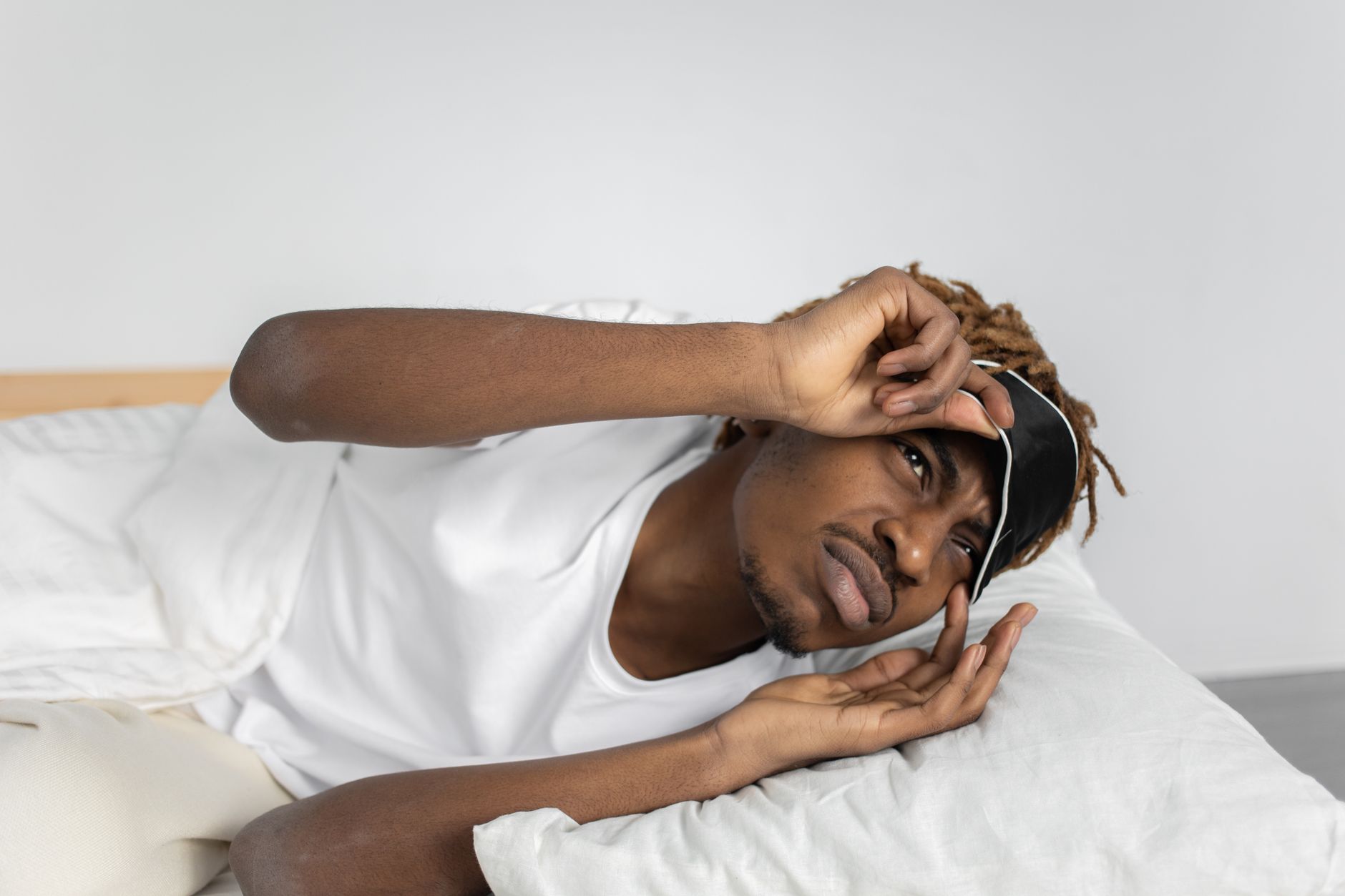
Waking up multiple times during the night is one of the most common sleep complaints among older adults. While occasional awakenings are normal, frequent nighttime waking can leave you feeling exhausted and unrefreshed in the morning. Research suggests that sleep fragmentation tends to increase with age, with many seniors experiencing several awakenings per night.
Understanding why you wake up frequently and what you can do about it can significantly improve both your sleep quality and your overall quality of life. These awakenings often have identifiable causes that can be addressed with targeted strategies.
Understanding Sleep Fragmentation
Why Sleep Becomes Less Continuous
Multiple factors contribute to nighttime awakenings as we age:
- Changes in sleep architecture: Older adults spend less time in deep, restorative sleep stages
- Increased sleep sensitivity: Less time in deep sleep means easier arousal
- Bladder changes: Many seniors experience increased nighttime urination
- Circadian shifts: Body clocks tend to advance, causing earlier evening sleep and morning waking
- Medical conditions: Various health issues can disrupt sleep continuity
Normal Versus Problematic Waking
How to distinguish typical from concerning:
Normal age-related waking:
- Waking 1-2 times per night is common in healthy older adults
- Brief awakenings lasting a few minutes
- Returning to sleep relatively easily
- Waking refreshed after adequate total sleep time
Problematic waking:
- Three or more awakenings per night
- Extended periods awake (more than 20-30 minutes)
- Difficulty returning to sleep
- Feeling unrefreshed despite adequate time in bed
- Significant daytime fatigue or dysfunction
Common Causes of Nighttime Waking
Bladder and Urinary Issues
Frequent urination is a major cause of sleep disruption:
- Nocturia: Needing to urinate multiple times during the night
- Enlarged prostate: Common in men over 50
- Overactive bladder: Increased urgency and frequency
- Reduced bladder capacity: Age-related changes
- Fluid intake timing: Drinking too close to bedtime
- Diuretic medications: Some blood pressure medications increase urination
Pain and Discomfort
Physical discomfort wakes many seniors:
- Arthritis: Joint pain and stiffness
- Back problems: Spinal conditions causing pain
- Neuropathy: Nerve pain, often in feet or hands
- Muscle cramps: Leg cramps or restless legs
- Burning feet syndrome: Common in older adults
- Dental issues: Tooth or jaw pain
Respiratory Factors
Breathing difficulties interrupt sleep:
- Sleep apnea: Breathing pauses cause arousal
- Nasal congestion: Sinus problems or allergies
- COPD: Chronic obstructive pulmonary disease
- Asthma: Nighttime symptoms
- Postnasal drip: Dripping mucus causing throat irritation
- Environmental irritants: Dust, pets, or allergens
Neurological and Psychological Factors
Brain-related causes of waking:
- Anxiety: Racing thoughts that interrupt sleep
- Depression: Altered sleep architecture
- Stress: Worries that cause hyperarousal
- Dementia: Sundowning and confusion
- Parkinson's disease: Movement disorders affecting sleep
- Medication effects: Some drugs cause stimulation
Sleep Disorders Causing Nighttime Waking
Sleep Apnea
Breathing interruptions are a major cause:
- Obstructive sleep apnea: Throat muscles relax and block airway
- Central sleep apnea: Brain fails to signal breathing
- Mixed apnea: Combination of both types
- Symptoms: Snoring, gasping, witnessed breathing pauses
- Risk factors: Weight, age, anatomical features
- Treatment options: CPAP, oral appliances, lifestyle changes
Restless Legs Syndrome (RLS)
Uncomfortable sensations disrupt sleep:
- Symptoms: Crawling, tingling, or aching sensations in legs
- Timing: Symptoms worsen at rest, especially in evening and night
- Movement relief: Urge to move legs provides temporary relief
- Sleep impact: Can prevent falling asleep or cause awakening
- Associated conditions: Often linked to iron deficiency or other conditions
Periodic Limb Movement Disorder (PLMD)
Involuntary movements during sleep:
- Leg jerks or kicks: Rhythmic movements occurring every 20-40 seconds
- Often unaware: May not remember movements upon waking
- Bed partner affected: Partner disturbed by movements
- Sleep fragmentation: Movements cause arousal from deep sleep
- Associated with RLS: Often occurs alongside restless legs
Insomnia
Difficulty maintaining sleep:
- Sleep maintenance insomnia: Trouble staying asleep
- Early morning awakening: Waking too early and unable to return to sleep
- Hyperarousal: Difficulty relaxing enough for continuous sleep
- Cognitive patterns: Worry about sleep making problems worse
- Behavioral factors: Inconsistent sleep schedules
Environmental Triggers
Bedroom Conditions
Your sleeping environment affects continuity:
- Temperature: Too hot or too cold disrupts sleep
- Noise: Even mild sounds can cause arousal
- Light: Street lights or morning sunlight
- Mattress comfort: Uncomfortable or sagging mattress
- Pillow issues: Wrong pillow height or support
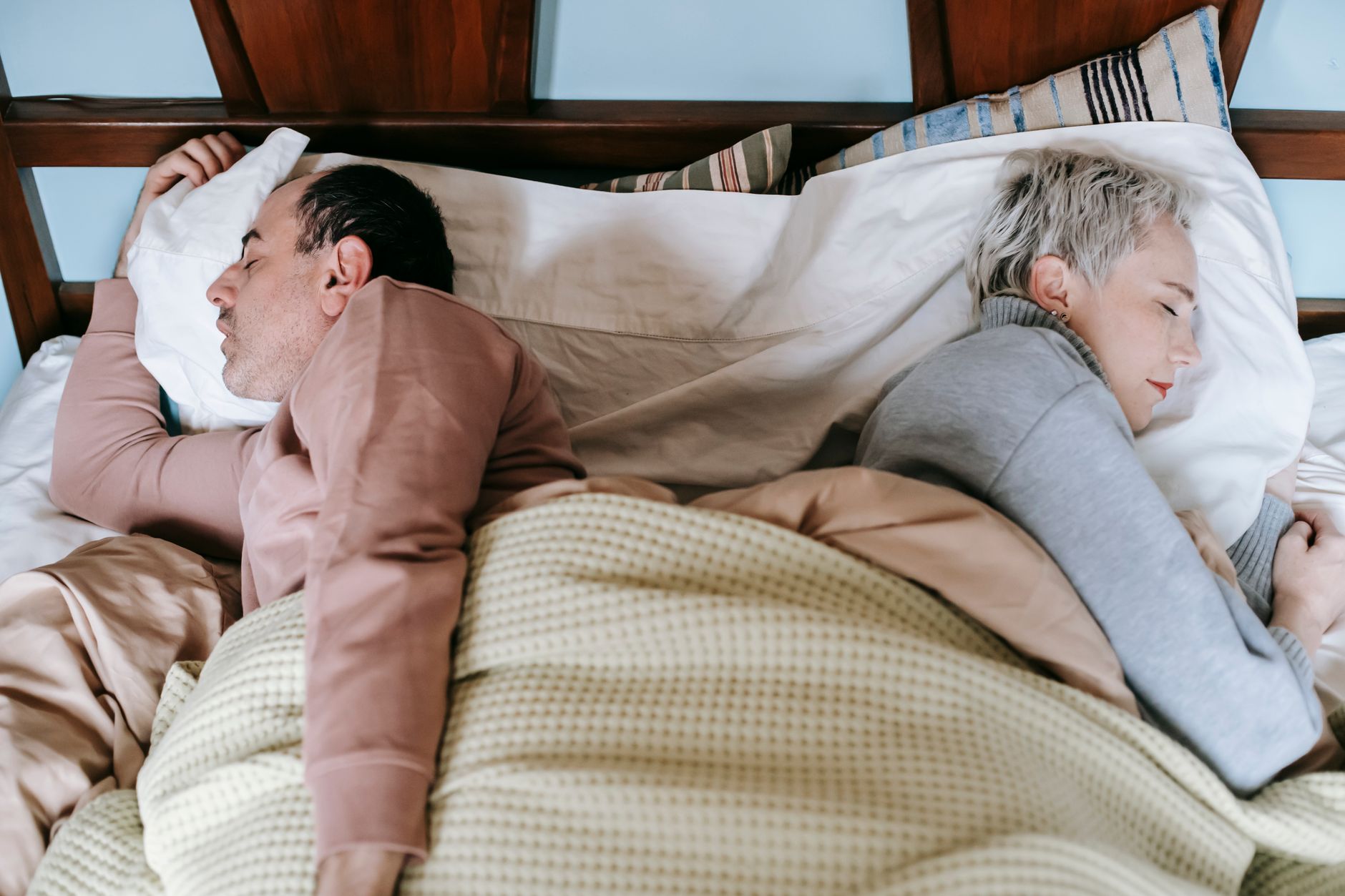
- Partner disturbances: Partner's movements, snoring, or schedule
Lifestyle Factors
Daily habits influence nighttime waking:
- Caffeine intake: Especially after 2 PM
- Alcohol consumption: Interferes with sleep architecture
- Heavy evening meals: Digestive discomfort
- Inadequate exercise: Less sleep pressure
- Irregular schedules: Inconsistent bedtimes and wake times
- Excessive daytime napping: Reduces nighttime sleep pressure
Medical Conditions Causing Nighttime Waking
Cardiovascular Conditions
Heart and circulation issues:
- Heart failure: Fluid accumulation, breathing difficulties
- Angina: Chest pain that worsens lying down
- Arrhythmias: Irregular heartbeats causing awareness
- High blood pressure: May cause nighttime symptoms
- Peripheral edema: Swelling in legs causing discomfort
Gastrointestinal Issues
Digestive problems disrupt sleep:
- GERD/acid reflux: Heartburn worse lying down
- Gastritis: Stomach inflammation
- Gallbladder disease: Pain after fatty meals
- Constipation: Discomfort and bloating
- Irritable bowel syndrome: Cramping and urgency
Endocrine and Metabolic Conditions
Hormonal and metabolic causes:
- Diabetes: Blood sugar fluctuations or hypoglycemia
- Thyroid disorders: Both hyperthyroidism and hypothyroidism
- Menopause: Hot flashes, night sweats
- Low testosterone: May affect sleep quality
- Adrenal disorders: Cortisol imbalances
Medication-Related Nighttime Waking
Common Culprits
Many medications affect sleep:
- Diuretics: Water pills taken in evening
- Antidepressants: Some types are stimulating
- Stimulants: ADHD medications, some decongestants
- Bronchodilators: Asthma medications
- Corticosteroids: Prednisone and similar
- Blood pressure medications: Some affect sleep
- Cholesterol medications: Statins sometimes cause insomnia
Addressing Medication Issues
Work with healthcare providers:
- Timing review: Ask about best time of day to take medications
- Dosage adjustments: Sometimes lower doses reduce effects
- Alternative options: Different formulations or medications
- Side effect management: Strategies to minimize sleep disruption
- Never stop medications: Always consult before changes
Strategies to Reduce Nighttime Waking
Sleep Hygiene Improvements
Optimize your sleep habits:
- Consistent schedule: Same bedtime and wake time daily
- Bedroom environment: Cool, dark, quiet, comfortable
- Limit fluids: Stop drinking 2-3 hours before bed
- Empty bladder before bed: Complete bladder emptying
- Evening routines: Establish calming pre-sleep rituals
- Avoid stimulants: Caffeine and alcohol limitations
Evening Modifications
Adjust what you do before bed:
- Meal timing: Finish eating 3-4 hours before sleep
- Fluid management: Hydrate earlier in the day
- Physical activity: Regular exercise, but not close to bedtime
- Relaxation techniques: Deep breathing, meditation
- Limit screen time: Blue light affects circadian rhythms
- Comfortable bedding: Ensure supportive mattress and pillows
When You Wake Up
Strategies for returning to sleep:
- Stay calm: Avoid checking the clock repeatedly
- Dim lighting: If you must get up, use very low light
- Relaxation techniques: Deep breathing, progressive muscle relaxation
- Return to bed: Go back when you feel drowsy
- Avoid stimulating activities: Don't watch television or use phones
- Accept brief waking: Some awakening is normal and unavoidable
Medical Treatments and Interventions
Addressing Underlying Conditions
Treat the root causes:
- Sleep apnea treatment: CPAP therapy or oral appliances
- Restless legs management: Iron supplementation if deficient, medication
- Pain management: Working with pain specialists
- Bladder issues: Medication, pelvic floor therapy, fluid management
- GERD treatment: Dietary changes, elevation, medication
- Mental health care: Therapy for anxiety or depression
Sleep Medications
When appropriate and prescribed:
- Short-term use: Generally recommended for brief periods
- Lowest effective dose: Start with smallest amount
- Safety considerations: Side effects, falls risk, dependency
- Natural alternatives: Melatonin, magnesium
- Cognitive behavioral therapy: Long-term solution for insomnia
- Never self-prescribe: Always consult healthcare providers
Supplements and Natural Remedies
Some options have evidence:
- Melatonin: Low dose, 30-60 minutes before bed
- Magnesium: May help with muscle relaxation
- Valerian root: Some evidence for sleep onset
- Chamomile: Tea or supplements
- Tart cherry juice: Contains natural melatonin
- Consult providers: Before starting any supplement
When to Seek Professional Help
Red Flags Requiring Evaluation
See healthcare providers if:
- Persistent waking: Three or more awakenings nightly for weeks
- Significant daytime impact: Fatigue affecting daily activities
- Breathing pauses: Snoring with gasping or choking
- Restless legs: Symptoms preventing sleep
- Pain severity: Pain significantly disrupting sleep
- Mood changes: Depression or anxiety alongside sleep problems
- Medication concerns: Suspect medications are causing issues
Diagnostic Approaches
What to expect at appointments:
- Sleep history: Detailed discussion of patterns
- Sleep diary: Recording sleep for 1-2 weeks
- Medication review: All prescriptions and supplements
- Physical examination: Checking for underlying conditions
- Sleep study: If sleep apnea or other disorders suspected
- Mental health screening: For mood disorders
Long-Term Management
Building Better Sleep Habits
Sustainable strategies:
- Consistency: Maintain regular sleep schedule
- Patience: Changes take time to show effects
- Multiple approaches: Often need combination of strategies
- Regular assessment: Adjust approaches as needed
- Support systems: Family awareness and assistance
- Realistic expectations: Some sleep changes are age-related
Quality Over Quantity
Focus on sleep quality:
- Total sleep time: Not the only important factor
- Sleep efficiency: Percentage of time in bed actually sleeping
- Restorative sleep: Time spent in deep sleep stages
- Daytime function: How refreshed and alert you feel
- Overall well-being: Sleep's impact on life quality
Key Takeaways
- Frequent nighttime waking in seniors results from multiple factors including age-related sleep changes, bladder issues, pain, and sleep disorders
- Common causes include nocturia, sleep apnea, restless legs syndrome, pain conditions, and medication effects
- Improving sleep hygiene, managing fluid intake, and optimizing bedroom environment can reduce awakenings
- Treating underlying medical conditions often improves sleep continuity
- Professional evaluation is warranted when waking significantly impacts daily functioning or suggests sleep disorders
- While some sleep fragmentation is normal with aging, strategies exist to improve sleep quality and reduce excessive nighttime waking
Disclaimer: This information is for educational purposes only and should not replace professional medical advice. Consult healthcare providers for persistent sleep problems or if you suspect underlying conditions requiring medical attention.