Why Am I Losing My Balance as I Get Older?
If you've noticed yourself becoming unsteady on your feet, you're experiencing something that happens to nearly everyone as they age. Balance is a complex skill requiring the coordination of multiple body systems, and each of these systems undergoes changes that can affect your stability. Understanding why balance declines is the first step toward taking action to protect yourself.
Balance doesn't decline simply because you get older—it's the result of specific changes in your body that often can be addressed. Whether it's inner ear function, muscle strength, vision, medication effects, or combinations of these factors, understanding the cause of your balance problems helps you and your healthcare provider target treatment effectively.
How Balance Works
The Three Systems of Balance
Your body relies on three integrated systems:
Visual System:
- Provides information about your environment
- Detects motion and spatial position
- Helps navigate obstacles
- Adapts to darkness changes
- Critical for spatial orientation
- Often declines with age
Vestibular System (Inner Ear):
- Detects head position and movement
- Controls balance reflexes
- Coordinates eye movements
- Senses linear and angular acceleration
- Essential for equilibrium
- Fragile and easily disrupted
Somatosensory System (Proprioception):
- Sensors in muscles and joints
- Senses body position
- Provides feedback from feet and ankles
- Reports surface underfoot
- Works automatically
- Declines with age and neuropathy
Your Brain's Role:
- Integrates information from all three systems
- Generates appropriate motor responses
- Requires intact neural pathways
- Slower processing with age
- Can learn to compensate
- Central processing matters
Why Balance Declines With Age
The Vestibular System Changes
Inner ear changes significantly affect balance:
Structural Changes:
- Hair cells in vestibular organs decline
- Calcium carbonate crystals can shift
- Vestibular nerve fibers decrease
- Blood flow to inner ear reduces
- Saccular and utricular function declines
- Less accurate motion detection
Functional Consequences:
- Difficulty detecting head position
- Reduced balance reflexes
- Problems with head movements
- Increased sway
- Difficulty on uneven ground
- Reliance on vision increases
Specific Vestibular Conditions:
- BPPV: Crystals displaced from position
- Vestibular hypofunction: Reduced inner ear function
- Otosclerosis: Bone growth affecting inner ear
- Meniere's disease: Fluid balance problems
- Labyrinthitis/neuritis: Inflammation affecting function
BPPV (Benign Paroxysmal Positional Vertigo):
- Most common cause of vertigo in elderly
- Brief spinning episodes triggered by movement
- Crystals in inner ear displaced
- Highly treatable with repositioning maneuvers
- Can be recurrent
- Often underdiagnosed in older adults
Sensory Changes
Vision Declines
Visual contributions to balance:
Age-Related Vision Changes:
- Reduced contrast sensitivity
- Difficulty with depth perception
- Narrowing visual field
- Trouble with glare adaptation
- Dark adaptation slows
- Need for more illumination
Specific Vision Problems:
- Cataracts: Clouded lens, glare sensitivity
- Glaucoma: Peripheral vision loss
- Macular degeneration: Central vision loss
- Diabetic retinopathy: Fluctuating vision
- Presbyopia: Difficulty focusing
Effects on Balance:
- Difficulty seeing obstacles
- Problems with steps and curbs
- Trouble in dim light
- Fear of falling increases
- Activity avoidance
- Compensatory strategies needed
Proprioceptive Decline
Body position sensing changes:
What Happens:
- Nerve endings in joints decline
- Nerve conduction slows
- Less sensation in feet and ankles
- Reduced feedback to brain
- Less accurate position sense
- Compensation less effective
Effects on Balance:
- Need to watch feet
- Difficulty on uneven surfaces
- Problems on soft ground
- Slower response to perturbation
- Wider stance for stability
- Increased reliance on vision
Neuropathy:
- Often from diabetes
- Numbness in feet
- Severe balance impairment
- Loss of protective sensation
- Cannot feel ground properly
- Requires compensatory strategies
Muscle and Joint Changes
Sarcopenia and Weakness
Age-related muscle loss affects balance:
Muscle Changes:
- Fast-twitch fibers decline most
- Leg muscles particularly affected
- Core strength decreases
- Ankle strength crucial for balance
- Hip muscles stabilize pelvis
- Recovery from weakness slower
Specific Weaknesses:
- Ankle dorsiflexors: Lift toes upward
- Hip abductors: Prevent lateral sway
- Core muscles: Stabilize trunk
- Quadriceps: Support knees
- Gastrocnemius/soleus: Push-off power
Effects on Balance:
- Slower corrective responses
- Difficulty with perturbations
- Reduced push-off strength
- Trunk instability
- Compensatory wider stance
- Falls from trips more likely
Joint Stiffness and Limited Range
Joint problems affect mobility:
Common Issues:
- Ankle stiffness reduces stability
- Hip stiffness affects stride
- Knee stiffness alters gait
- Limited trunk rotation
- Reduced flexibility overall
- Movement becomes more rigid
Effects on Balance:
- Slower to adjust position
- Less graceful movements
- Difficulty recovering from stumble
- Problems with quick direction changes
- Reduced ability to duck obstacles
- Compensatory slower movements
Arthritis:
- Pain causes hesitation
- Swelling limits motion
- Deformity alters mechanics
- Inflammation affects position sense
- May cause antalgic gait
- Treatment helps function
Neurological Changes
Processing Speed Decline
Brain processes information more slowly:
What Happens:
- Nerve conduction slows
- Synaptic connections reduce
- Neurotransmitter production declines
- Cognitive processing slower
- Attention divided less well
- Reaction time increases
Effects on Balance:
- Slower to respond to balance threats
- Less automatic balance control
- Difficulty with dual-tasking
- More concentration required
- Problems with unexpected movements
- Falls from slower responses
The Two-Second Rule:
- Time to detect balance loss
- Time to plan response
- Time to execute correction
- Too slow for rapid perturbations
- Practice can improve speed
- Physical fitness helps
Cognitive Load:
- More attention needed for walking
- Less capacity for other tasks
- Conversing while walking harder
- Carrying things more dangerous
- Novel situations more difficult
- Splitting attention increases risk
Medication Effects
Many Drugs Affect Balance
Common culprits:
Blood Pressure Medications:
- Cause orthostatic hypotension
- Drop in BP when standing
- Reduce cerebral perfusion
- Beta-blockers limit heart response
- Diuretics cause dehydration
- Adjustments often help
Sedatives and Hypnotics:
- Benzodiazepines (Xanax, Valium, Ativan)
- Z-drugs (Ambien, Lunesta)
- Barbiturates
- Cause drowsiness
- Prolonged effects
- Greatly increase fall risk
Antidepressants:
- Tricyclic antidepressants
- SSRIs can cause dizziness
- Increase sedation
- Some cause orthostatic hypotension
- Can affect gait
- Often contribute to falls
Antipsychotics:
- Sedating effects
- Can cause movement disorders
- Orthostatic hypotension
- Many neurological effects
- Require careful monitoring
- Fall risk increases significantly
Pain Medications:
- Opioids cause significant drowsiness
- Muscle relaxants
- Gabapentin and pregabalin
- NSAIDs can cause dizziness
- Multiple interactions
- Additive sedation effects
Other Contributing Medications:
- Antihistamines (sedating types)
- Decongestants
- Some antibiotics
- Anti-arrhythmics
- Parkinson medications
- Bladder antispasmodics
Cardiovascular Causes
Blood Pressure Problems
Circulation affects brain function:
Orthostatic Hypotension:
- BP drops upon standing
- Reduced blood flow to brain
- Dizziness and unsteadiness
- Often medication-related
- Dehydration common cause
- Check BP lying and standing
Postprandial Hypotension:
- BP drops after meals
- Blood diverts to digestion
- Particularly after large meals
- Rest after eating helps
- May need medication
- Check with healthcare provider
Arrhythmias:
- Irregular heart rhythm
- Inconsistent blood flow
- Dizziness and syncope
- Palpitations may occur
- May be intermittent
- ECG and monitoring needed
Heart Failure:
- Reduced cardiac output
- Insufficient perfusion
- Fatigue and weakness
- Activity intolerance
- Medication management critical
- Lifestyle modifications help
Inner Ear and Vertigo
Benign Paroxysmal Positional Vertigo (BPPV)
Most treatable cause of vertigo:
What It Is:
- Calcium crystals displaced
- Move in semicircular canals
- Trigger vertigo with movement
- Brief episodes
- Often when lying down, rolling over
- No hearing loss
Why Common in Elderly:
- Degeneration of vestibular system
- Crystals more likely to shift
- Less mobile
- Less likely to self-correct
- Often not recognized
- Highly treatable
Treatment:
- Epley maneuver
- Semont maneuver
- Other repositioning techniques
- Often cured quickly
- Can be recurrent
- Seek vestibular specialist
Vestibular Neuritis and Labyrinthitis
Inner ear inflammation:
Symptoms:
- Severe vertigo
- Nausea and vomiting
- Imbalance
- Often follows viral illness
- Labyrinthitis includes hearing loss
- Gradual recovery over weeks
Treatment:
- Vestibular suppressants short-term
- Vestibular rehabilitation
- Time for compensation
- Usually recovers significantly
- May need therapy
- Compensation strategies help
Vestibular Hypofunction
Reduced inner ear function:
Causes:
- Medication toxicity (gentamicin)
- Viral infection
- Stroke
- Idiopathic (unknown)
- Aging itself
- Bilateral more serious
Effects:
- Chronic imbalance
- Worse in dark
- Visual motion sensitivity
- Difficulty walking on uneven ground
- Cannot rely on inner ear
- Compensate with vision and strength
Environmental Factors
Home Hazards
Environmental contributions:
Flooring Issues:
- Throw rugs (major trip hazard)
- Clutter blocking pathways
- Uneven surfaces
- Wet or slippery floors
- High thresholds
- Loose carpets
Lighting Problems:
- Poor illumination
- Dark hallways
- Nighttime trips to bathroom
- Glaring lights
- Sudden brightness changes
- Inadequate outdoor lighting
Bathroom Hazards:
- Slippery surfaces
- No grab bars
- High tub edge
- No shower seat
- Wet floors
- Reaching for items
Stair Problems:
- No handrails
- Uneven steps
- Cluttered steps
- Poor lighting
- Worn treads
- Rush when answering door
Deconditioning and Lifestyle
The Deconditioning Cycle
Sedentary lifestyle compounds problems:
How It Works:
- Less active due to balance concerns
- Strength decreases
- Balance worsens
- Even less activity
- Fear increases
- Further withdrawal
Breaking the Cycle:
- Start appropriate exercise
- Gradually increase activity
- Use support initially
- Build confidence
- Progressive challenge
- Consistent practice
Weight and Fitness
Both affect balance:
Excess Weight:
- Strains joints
- Reduces agility
- Makes movement harder
- Increases metabolic demand
- Makes exercise harder
- Contributes to unsteadiness
Poor Fitness:
- Weak muscles
- Poor endurance
- Slow reactions
- Low reserves
- Fatigue quickly
- Less able to recover
Fear and Psychology
Fear of Falling
Psychological factors matter:
How Fear Develops:
- After experiencing a fall
- Witnessing others fall
- General anxiety about aging
- Reduced confidence
- Family overprotectiveness
- Media attention to falls
Effects of Fear:
- Slower, shuffling gait
- Reduced arm swing
- Wider base of support
- Avoidance of activities
- Social isolation
- Further deconditioning
Breaking the Fear Cycle:
- Gradual exposure
- Build confidence slowly
- Balance training
- Appropriate assistive devices
- Support without overprotection
- Professional guidance
Depression and Anxiety
Mental health affects balance:
Depression:
- Reduces motivation
- Causes psychomotor slowing
- Affects concentration
- Leads to inactivity
- Can affect medication adherence
- Treatable with therapy and medication
Anxiety:
- Causes hypervigilance
- Tenses muscles
- Impairs coordination
- Causes avoidance
- Can cause dizziness
- Treatment very effective
Medical Conditions Affecting Balance
Parkinson's Disease
Movement disorder affecting balance:
Key Features:
- Resting tremor
- Bradykinesia (slowness)
- Rigidity (stiffness)
- Postural instability
- Shuffling gait
- Difficulty with balance
When to Consider:
- Tremor at rest
- Stiffness in limbs
- Small, shuffling steps
- Difficulty initiating movement
- Reduced arm swing
- Falls in multiple directions
Stroke and TIA
Cerebrovascular events:
Warning Signs:
- Sudden weakness
- Face drooping
- Arm weakness
- Speech difficulty
- Sudden imbalance
- Emergency evaluation needed
Multiple Sclerosis
Can affect balance:
Features:
- Variable symptoms
- Numbness and tingling
- Weakness
- Visual problems
- Fatigue
- Can affect balance pathways
Prevention and Improvement
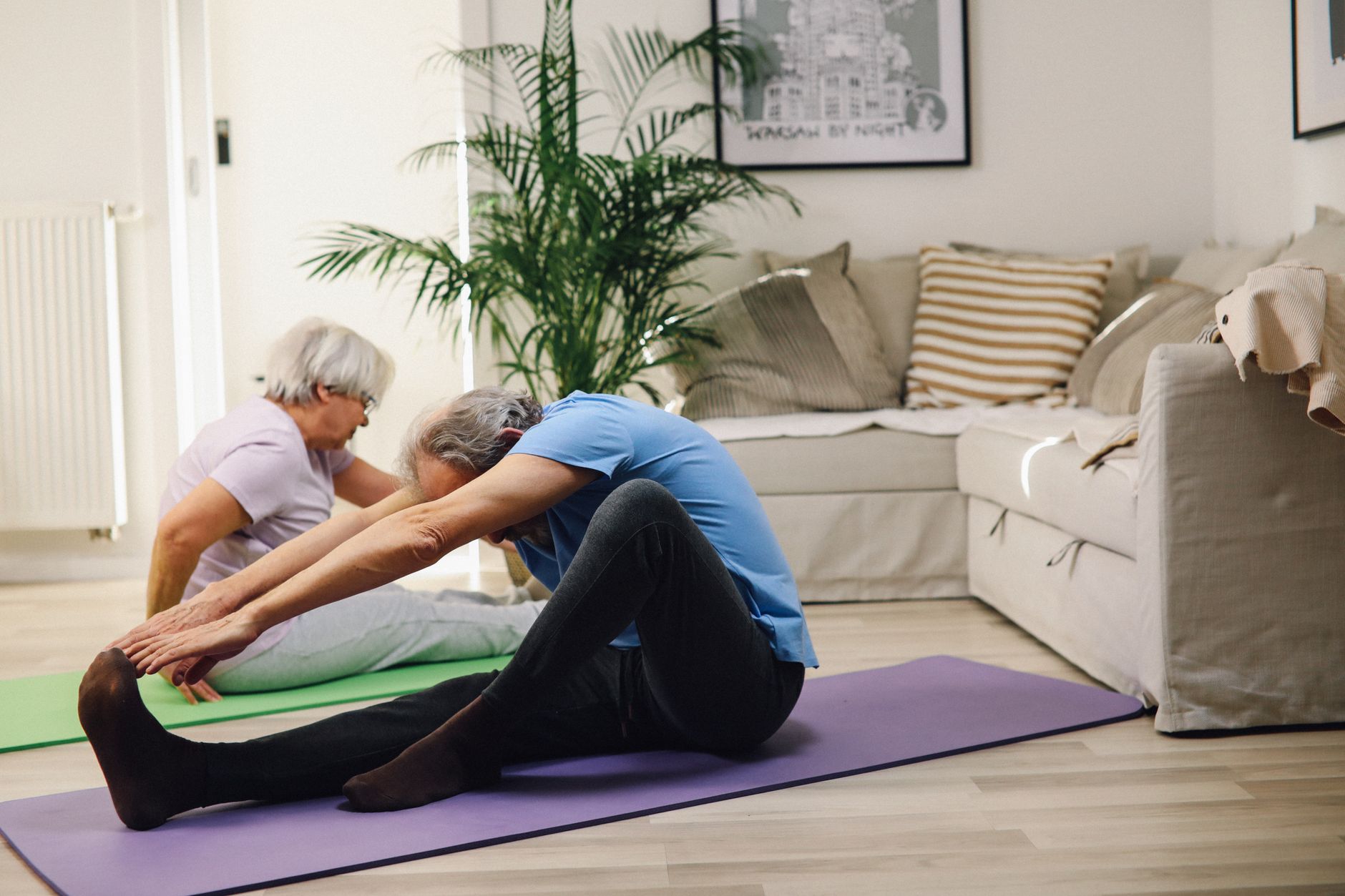
Exercise Is Essential
Most effective intervention:
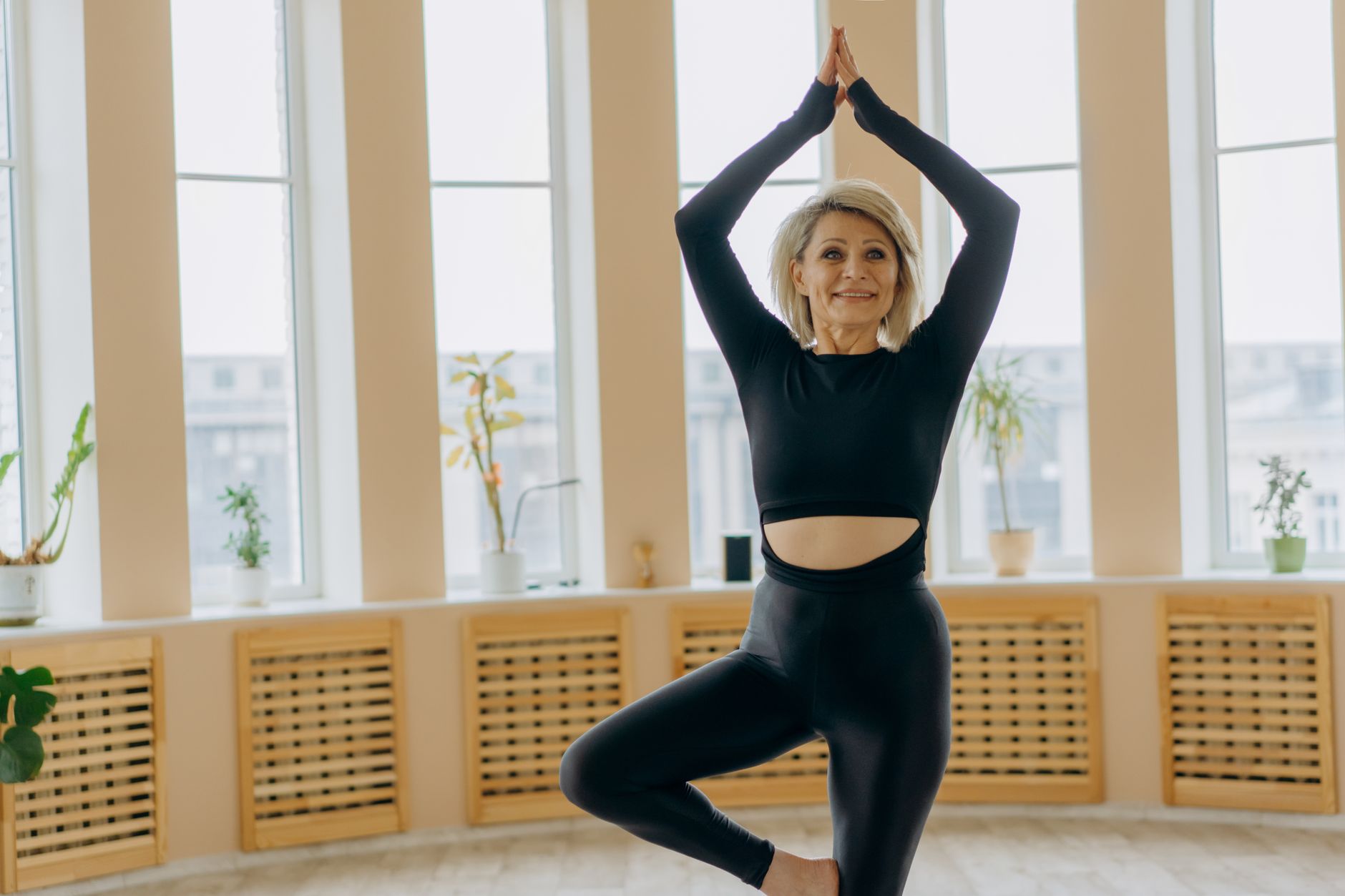
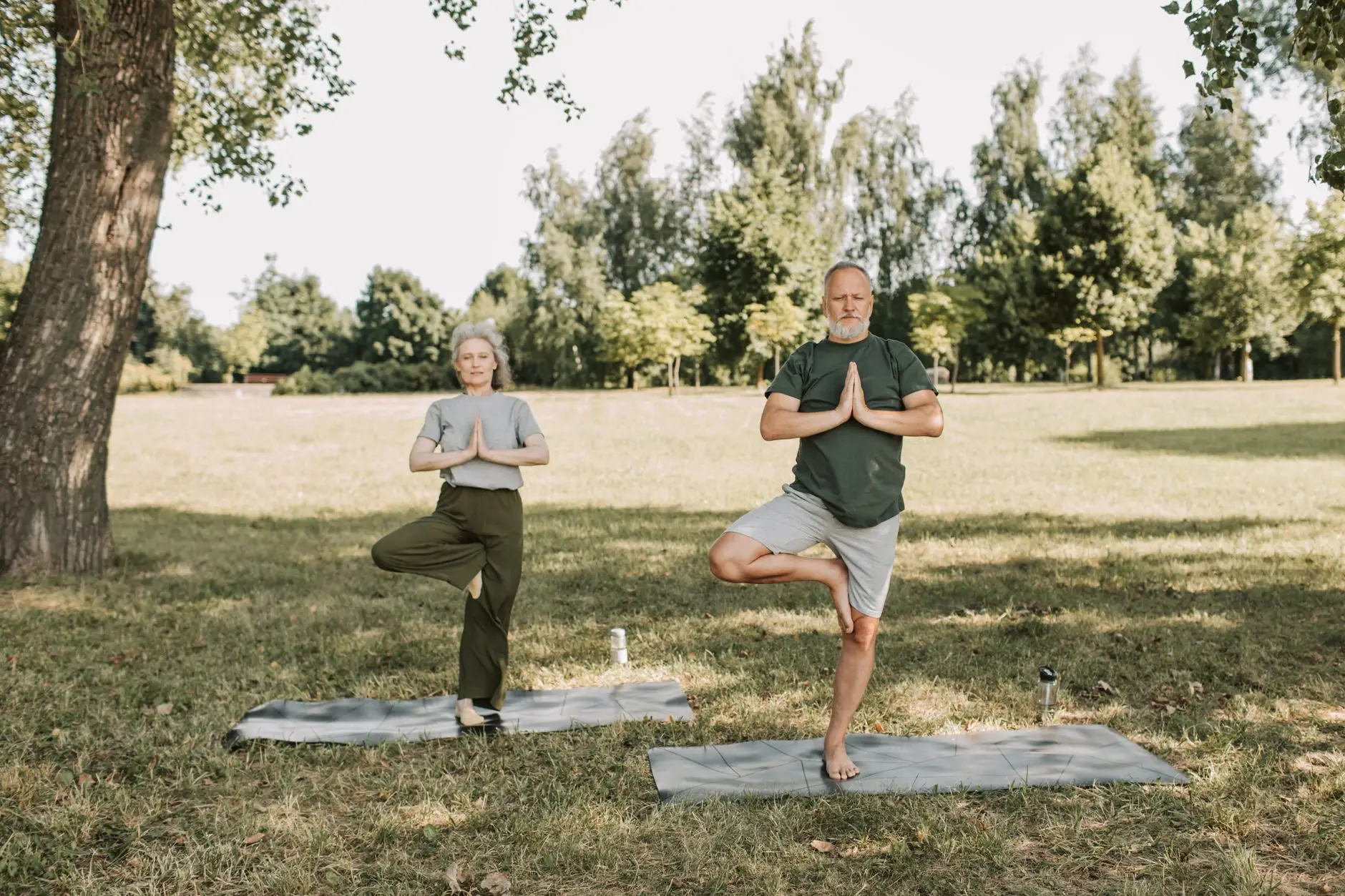
Balance-Specific Training:
- Tai chi
- Balance boards
- Single leg stance
- Heel-to-toe walking
- Weight shifts
- Progressive challenge
Strength Training:
- Leg strengthening
- Core exercises
- Ankle strengthening
- Hip stabilization
- Regular practice
- Build gradually
Aerobic Exercise:
- Walking program
- Swimming
- Water therapy
- Stationary cycling
- Improves overall fitness
- Supports brain health
Vestibular Rehabilitation
Specialized therapy:
What It Involves:
- Specific exercises for inner ear
- Gaze stabilization
- Balance training
- Habituation exercises
- Customized program
- Vestibular therapist
Who Benefits:
- Vestibular hypofunction
- BPPV after repositioning
- Unilateral vestibular loss
- Chronic imbalance
- Post-surgical patients
- Falls of unknown cause
Professional Evaluation
When to Seek Help
Medical evaluation important for:
- New balance problems
- Sudden onset
- Associated symptoms
- Frequent falls
- Near-falls
- Fear of falling limiting activity
What Evaluation Includes:
- Medication review
- Blood pressure checks
- Neurological exam
- Balance assessment
- Gait analysis
- Vision check
- Inner ear testing
Key Takeaways
- Balance requires integration of visual, vestibular, and somatosensory systems, and all three change with age in ways that affect stability
- Inner ear (vestibular) changes are significant contributors to age-related balance decline, with BPPV being common and highly treatable
- Medication side effects are a major and often overlooked cause of balance problems—review all medications with healthcare providers
- Muscle weakness, especially in ankles and hips, and joint stiffness contribute significantly to balance decline
- Fear of falling and deconditioning create a vicious cycle that progressively worsens balance and should be addressed through gradual exercise and confidence building
- Environmental hazards in the home compound physical limitations and should be addressed through home modification
- Exercise, particularly balance-specific training, strength training, and vestibular rehabilitation when indicated, can significantly improve balance at any age
- Medical evaluation is important for new or worsening balance problems to identify treatable underlying causes
Disclaimer: This information is for educational purposes only and should not replace professional medical advice. Consult healthcare providers for proper evaluation and treatment of balance problems.