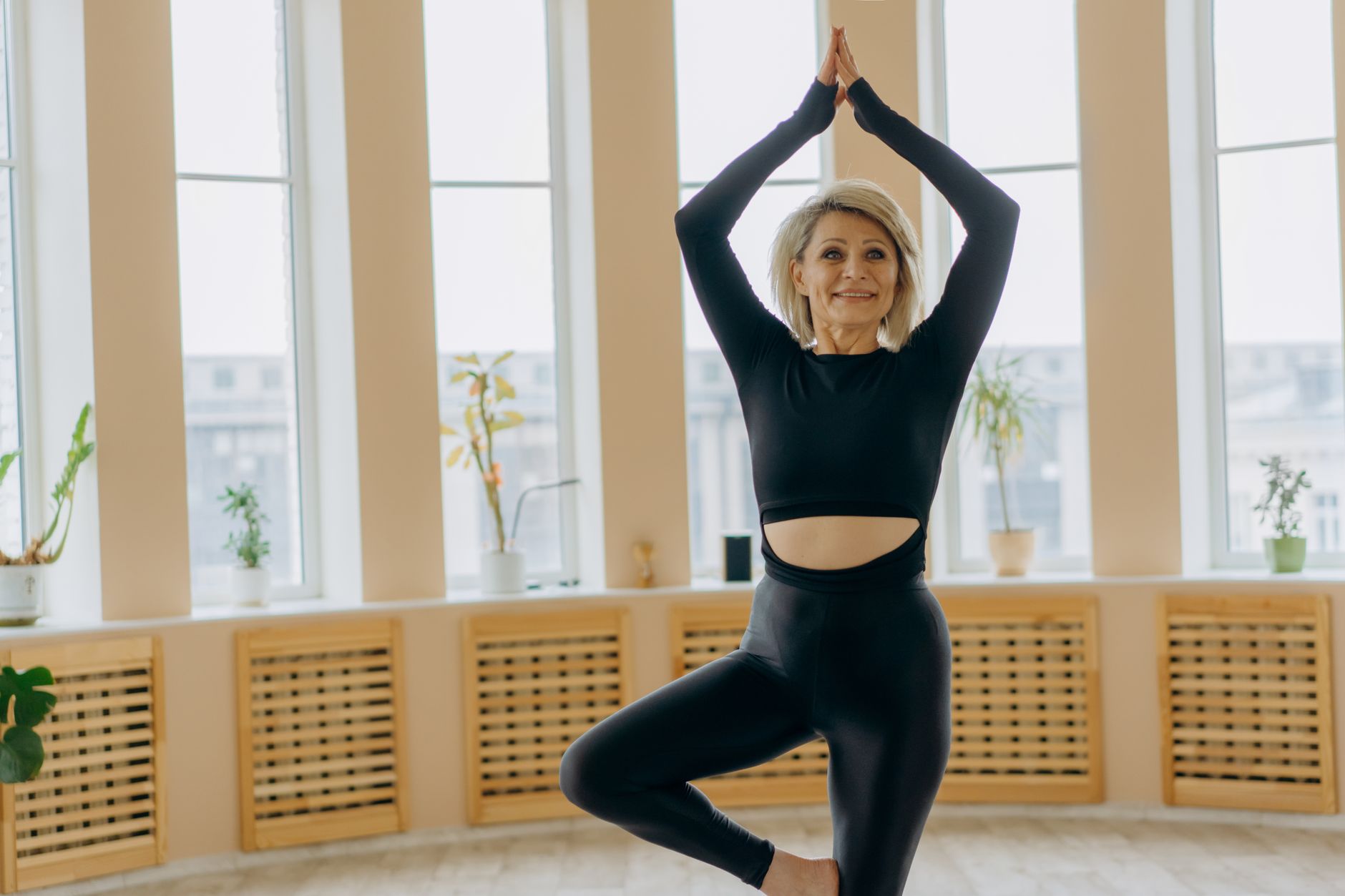
Can Balance Be Improved After Age 70?
If you've been told that declining balance is just an inevitable part of aging, here's something important you need to know: balance can significantly improve at any age, even after 70. Research consistently shows that even people in their 80s and 90s can make substantial gains in balance and stability through targeted exercises and training. The key is understanding what's limiting your balance and addressing each component systematically.
The old belief that balance inevitably declines with age and cannot be restored has been overturned by modern research. Neuroplasticity—the brain's ability to form new connections—continues throughout life. This means your balance control system can adapt, learn, and improve regardless of your age, provided you engage in appropriate training.
Quick Answer
Yes, balance can absolutely be improved after age 70. Studies show that targeted balance training, strength exercises, and vestibular rehabilitation can lead to significant improvements in stability, even for adults in their 80s and 90s. With consistent practice (3-5 times per week), most seniors can see measurable gains in 8-12 weeks, reducing fall risk by 25-30% or more.
Who Is This For?
This article is specifically designed for:
- Seniors aged 70+ who want to improve their balance and reduce fall risk
- Caregivers looking for evidence-based strategies to support older adults
- Older adults recovering from a fall or concerned about balance issues
- Individuals with mild to moderate balance challenges from aging, arthritis, or mild neurological conditions
- Anyone who wants to maintain or regain confidence in their mobility
Benefits of Improving Balance After 70
Improving your balance offers numerous benefits that extend far beyond just preventing falls:
Physical Benefits
- Reduced fall risk: The most significant benefit—falls are the leading cause of injury among seniors
- Improved mobility: Better ability to walk, climb stairs, and perform daily activities
- Stronger muscles: Balance training strengthens legs, core, and ankles
- Better posture: Improved alignment reduces strain on joints and back
- Increased confidence: Feeling stable boosts self-assurance in daily movements
Mental and Emotional Benefits
- Reduced fear of falling: Less anxiety about everyday activities
- Improved mood: Physical activity releases endorphins and reduces stress
- Enhanced independence: Maintaining ability to live independently
- Better sleep: Regular exercise improves sleep quality
- Increased social engagement: Confidence to participate in social activities
Cognitive Benefits
- Sharper focus: Balance training requires concentration, keeping the brain active
- Better coordination: Improved mind-body connection
- Neuroplasticity stimulation: Challenges the brain to form new neural pathways
- Reduced cognitive decline risk: Physical activity supports brain health
Understanding Balance and Why It Declines
How Balance Works
A complex system working together:
Three Key Systems:
Vision:
- Helps you know where you are in space
- Identifies obstacles and hazards
- Provides reference points
- Works with other systems
- Can compensate for inner ear problems
Inner Ear (Vestibular System):
- Detects head position and movement
- Senses linear and rotational motion
- Provides information about gravity
- Triggers corrective responses
- Declines with age but can be trained
Somatosensory System:
- Sensation from feet and ankles
- Detects ground contact
- Provides proprioceptive feedback
- Works especially on firm surfaces
- Can be enhanced through training
Factors Affecting Balance After 70
Why balance becomes more challenging:
Physical Changes:
- Muscle weakness, especially in ankles and legs
- Joint stiffness reducing mobility
- Vision changes including reduced contrast sensitivity
- Inner ear function decline
- Slowed reaction time
- Reduced flexibility
Medical Conditions:
- Neuropathy affecting sensation
- Arthritis causing pain and stiffness
- Stroke affecting one side
- Parkinson's disease
- Inner ear disorders
- Cognitive decline affecting attention
Medications:
- Blood pressure medications causing dizziness
- Sedatives affecting reaction time
- Multiple medications combined
- Antidepressants
- Anti-anxiety medications
- Some heart medications
The Science of Balance Improvement
Neuroplasticity and Balance Training
Your brain's ability to adapt:
Research Findings:
- Older adults show neural adaptation to balance training
- Brain regions controlling balance can be activated through exercise
- Motor learning continues in older age
- Even 8-12 weeks of training shows measurable improvements
- Benefits are maintained with ongoing practice
How It Works:
- Repetitive practice strengthens neural pathways
- Challenging balance tasks accelerate adaptation
- Multitasking while balancing enhances transfer
- Variety improves motor learning
- Progression keeps the system adapting
Evidence-Based Improvements
What research demonstrates:
Tai Chi Studies:
- Significant reduction in falls
- Improved balance measures
- Enhanced confidence
- Better functional mobility
- Benefits maintained long-term
Balance-Specific Training:
- 25-30% improvement in balance scores
- Reduced fear of falling
- Faster reaction times
- Improved functional abilities
- Decreased fall risk
Resistance Training Effects:
- Stronger muscles improve stability
- Better ankle strength particularly important
- Improved ability to recover from perturbation
- Enhanced confidence in challenging situations
- Carryover to daily activities
Types of Balance Exercises That Work
Static Balance Exercises
Foundation of balance training:
Level 1 - Beginning:
- Stand with feet together, hold counter
- Progress to no support
- Stand with eyes closed (safety first)
- Semi-tandem stand (one foot slightly forward)
- Use wall for safety as needed
Level 2 - Intermediate:
- Tandem stance (heel to toe)
- Single leg stance with support
- Clock reach exercise
- Weight shifts side to side
- March in place
Level 3 - Advanced:
- Single leg stance without support
- Tandem stance eyes closed
- Balance on unstable surface
- Dual-task balance (count backwards)
- Movement combinations
Duration and Frequency:
- Hold each position 10-30 seconds
- Repeat 3-5 times per session
- Practice daily
- Progress when too easy
- Consistency matters most
Dynamic Balance Exercises
Moving balance activities:
Walking-Based Exercises:
- Heel-to-toe walking (tandem gait)
- Sideways walking
- Backward walking (with supervision)
- Walking while turning head
- Walking in narrow spaces
Movement Combinations:
- Sit-to-stand without using hands
- Step up and down curbs
- Dance-based movements
- Balance while reaching
- Carry objects while walking
Dual-Task Training
Combining tasks improves real-world function:
Why Dual-Task Matters:
- Real-world balance requires multitasking
- Carrying on conversation while walking
- Walking while looking for something
- Balance while reaching and grasping
- Reduces fall risk in daily activities
Examples:
- Walk while counting backwards
- Stand and recite the alphabet
- Walk while holding conversation
- Balance while catching ball
- Stand on one foot while stacking objects
Progression:
- Start with easy combinations
- Progress to harder tasks
- Reduce base of support
- Add distraction gradually
- Vary the cognitive tasks
Vestibular Rehabilitation
For Inner Ear-Related Balance Problems
Specialized therapy:
What It Is:
- Exercise-based treatment
- Designed by vestibular specialists
- Addresses specific inner ear deficits
- Can reduce vertigo and improve balance
- Often highly effective
Types of Exercises:
Adaptation Exercises:
- Train brain to compensate for inner ear loss
- Use visual-vestibular conflict
- Repeated exposure to motion
- Progressively challenging
- Can significantly improve function
Substitution Exercises:
- Use other systems to compensate
- Strengthen reliance on vision
- Enhance somatosensory input
- Build alternative strategies
- Maintain with ongoing practice
Gaze Stabilization:
- Improve visual focus during head movement
- Essential for reading signs while walking
- Helps with driving
- Reduces dizziness with motion
- Can be practiced at home
Where to Get Help:
- Vestibular rehabilitation specialists
- Some physical therapists
- Audiologists with vestibular training
- Balance clinics
- May need referral from primary care
Strength Training for Better Balance
Why Strength Matters
Muscle power and stability:
Key Muscle Groups:
- Ankle dorsiflexors (pull foot up)
- Ankle evertors and invertors (side to side)
- Quadriceps (knee extension)
- Hip abductors (side leg lifts)
- Core muscles (trunk stability)
- Hip extensors (glutes)
Evidence for Strength Training:
- Muscle weakness doubles fall risk
- Progressive resistance training improves balance
- Stronger muscles react faster
- Better ability to correct stumbles
- Confidence to be active
Training Recommendations:
- 2-3 sessions per week
- Focus on major muscle groups
- Progress gradually
- Include both legs equally
- Work through full range of motion
Lifestyle Modifications
Beyond Exercise
Additional strategies:
Footwear Choices:
- Wear supportive shoes
- Avoid slippers and barefoot walking
- Check shoe condition regularly
- Consider prescription footwear if needed
- Avoid high heels
Vision Care:
- Keep eyeglasses prescription current
- Address cataracts if present
- Improve home lighting
- Use contrast to identify hazards
- Consider bi/trifocal considerations
Home Safety:
- Remove throw rugs or secure firmly
- Clear walking paths
- Install grab bars in bathroom
- Use nightlights for nighttime trips
- Consider shower vs. tub transfer
Medication Review:
- Ask doctor about dizziness side effects
- Review all medications
- Check for drug interactions
- Consider timing adjustments
- Don't stop medications without consulting
Sample Balance Improvement Plan
| Day | Focus Area | Duration | Key Exercises |
|---|---|---|---|
| Monday | Balance & Strength | 35 min | Warm-up (10 min), static balance (15 min), leg strengthening (10 min) |
| Tuesday | Dynamic Balance | 30 min | Walking with challenges (20 min), tai chi (10 min) |
| Wednesday | Balance & Strength | 35 min | Warm-up (10 min), single leg stands (15 min), resistance training (10 min) |
| Thursday | Functional Balance | 30 min | Sit-to-stand practice, step-ups, obstacle course |
| Friday | Balance & Strength | 35 min | Warm-up (10 min), dual-task training (15 min), core exercises (10 min) |
| Saturday | Active Recreation | 45 min | Brisk walk, gardening, or gentle dancing |
| Sunday | Rest or Light Activity | 20 min | Gentle stretching, seated balance exercises |
Creating Your Balance Improvement Program
Starting Safely
Before beginning:
Consult Healthcare Provider If:
- You have fallen recently
- You have a neurological condition
- You take multiple medications
- You have vision or inner ear problems
- You have any mobility concerns
- You have chest pain or heart symptoms
Initial Assessment:
- Note current balance abilities
- Identify specific problem areas
- Consider what causes falls or stumbles
- Be honest about limitations
- Start below your ability level
Building a Routine
Sample weekly program:
Monday, Wednesday, Friday:
- 10 minutes warm-up (walking in place)
- 15 minutes balance exercises
- 15 minutes strength training
- 5 minutes cool-down and stretching
Tuesday and Thursday:
- 20-30 minutes walking with balance challenges
- Tai chi or yoga class
- Or practice specific balance exercises
Weekend:
- Active recreation
- Shorter, easier sessions
- Include family activities
Progressing Safely
When to advance:
Signs You're Ready to Progress:
- Current level feels too easy
- You can hold position for 30 seconds easily
- You're not challenged in standing
- Balance feels more automatic
- You've done consistently for 2+ weeks
How to Progress:
- Reduce base of support
- Close eyes briefly (with safety support)
- Add arm movements
- Stand on softer surface
- Add dual-task components
Risks and Safety Considerations
Common Risks
- Falls: The most obvious risk when starting balance training
- Muscle strain: From overdoing exercises
- Dizziness: Particularly with vestibular exercises
- Frustration: Progress may be slow initially
Safety Guidelines
- Always have support nearby: Use a wall, counter, or sturdy chair
- Start slow: Begin at the easiest level
- Listen to your body: Stop if you feel pain or severe dizziness
- Exercise when alert: Avoid exercising when tired or after heavy meals
- Stay hydrated: Drink water before and after sessions
- Wear proper shoes: Avoid slippery surfaces
- Never exercise alone: Have someone nearby for safety
- Report concerns to your doctor: If you experience persistent dizziness or falls
When to Contact a Healthcare Professional
Contact your healthcare provider if you experience:
- Frequent falls (two or more in six months)
- Persistent dizziness that doesn't improve with training
- Sudden balance loss without apparent cause
- Changes in vision affecting balance
- Numbness or tingling in feet or legs
- Difficulty walking that interferes with daily activities
- Medication side effects causing dizziness
- Concerns about your balance that worry you
Working with Professionals
When to Seek Help
Professional guidance:
Physical Therapist:
- After a fall or near-fall
- With diagnosed balance disorder
- If uncertain about exercises
- When progress stalls
- To learn proper technique
Vestibular Specialist:
- With diagnosed vestibular disorder
- Vertigo that doesn't resolve
- Inner ear-related dizziness
- Motion sensitivity problems
- When OTC vertigo medications don't help
Occupational Therapist:
- For home safety assessment
- To improve daily activity safety
- When struggling with daily tasks
- For adaptive equipment recommendations
- To address specific functional limitations
Quick Reference Checklist
Daily Balance Practice Checklist
- Stand with feet together for 10 seconds (use support if needed)
- Perform 5 sit-to-stand repetitions without using hands
- Walk heel-to-toe for 10 steps (hold support)
- Do 10 leg lifts (5 per side)
- Practice weight shifts from side to side
- Stand on one foot for 5 seconds (each side, with support)
- Take a 10-minute walk with attention to posture
Home Safety Checklist
- Remove or secure throw rugs
- Ensure clear walking paths
- Install grab bars in bathroom
- Use nightlights in hallways and bathroom
- Check lighting is adequate
- Secure loose cords
- Ensure furniture is stable
Fall Prevention Checklist
- Review medications with doctor for dizziness side effects
- Keep eyeglass prescription current
- Wear supportive shoes indoors and outdoors
- Exercise balance 3-5 times per week
- Have regular vision and hearing checks
- Stay hydrated
- Avoid rushing when getting up from sitting/lying
FAQ
Q: Is it too late to improve balance at 70+? A: Absolutely not! Research shows that balance can improve at any age, including 80s and 90s. The key is consistent, targeted training.
Q: How long does it take to see improvements? A: Most people see measurable improvements in 8-12 weeks with consistent practice (3-5 times per week).
Q: What's the best exercise for balance? A: A combination works best—static balance exercises, dynamic walking exercises, strength training, and tai chi all contribute to better balance.
Q: Can balance exercises help if I've already fallen? A: Yes, balance training is especially important after a fall to prevent recurrence and rebuild confidence.
Q: Is it safe to do balance exercises at home? A: Yes, if you follow safety guidelines—always have support nearby, start at your level, and stop if you feel dizzy.
Q: What if I have vertigo? A: Vestibular rehabilitation is highly effective for vertigo. Consult a vestibular specialist for personalized exercises.
Q: Do I need special equipment? A: No, most balance exercises can be done with just a sturdy chair or wall for support.
Q: How does strength training help balance? A: Strong muscles, especially in legs and ankles, help you recover from stumbles and maintain stability during daily activities.
Related Articles
- What Are the Best Exercises to Prevent Falls?
- Balance Exercises for Seniors
- How Long Does It Take to Improve Balance?
- Fall Prevention Strategies for Seniors
- Tai Chi for Seniors
- Strength Training for Seniors
- Chair Exercises for Seniors
- Home Safety Checklist for Seniors
Medically Reviewed Sources
- American Academy of Orthopaedic Surgeons. (2024). Fall Prevention for Older Adults.
- Centers for Disease Control and Prevention. (2024). Falls Among Older Adults.
- National Institute on Aging. (2024). Exercise and Physical Activity: Your Everyday Guide from the National Institute on Aging.
- Mayo Clinic. (2024). Balance Problems.
- American Heart Association. (2024). Physical Activity Guidelines for Older Adults.
- Journal of the American Geriatrics Society. (2023). Effectiveness of Balance Training in Older Adults.
- Vestibular Disorders Association. (2024). Vestibular Rehabilitation Therapy.
Key Takeaways
- Balance can significantly improve at any age, including after 70, through consistent, appropriate exercise
- Neuroplasticity allows the brain to adapt and improve balance control throughout life
- Effective balance training addresses multiple systems: strength, vestibular function, vision, and somatosensory input
- Static and dynamic balance exercises, when practiced regularly, produce measurable improvements in 8-12 weeks
- Vestibular rehabilitation is highly effective for inner ear-related balance problems
- Strength training supports balance by improving the body's ability to recover from perturbations
- Dual-task training (combining balance with cognitive tasks) improves real-world function and reduces fall risk
- Starting safely, progressing gradually, and maintaining consistency are essential for balance improvement
- Professional guidance is valuable for anyone with significant balance problems, recent falls, or medical conditions affecting balance
- The key to success is beginning at an appropriate level, practicing consistently, and progressing when ready
Disclaimer: This information is for educational purposes only. Before starting any exercise program, consult your healthcare provider, especially if you have balance problems, have fallen recently, or have medical conditions affecting your mobility.