What Exercises Help Weak Legs?
Weak legs can significantly impact mobility, independence, and quality of life. The good news is that leg strength can be improved at any age with the right exercises. Whether you're recovering from illness, dealing with age-related muscle loss, or simply want to maintain strength, targeted exercises can help you build stronger, more stable legs.
According to the National Institute on Aging, exercise is one of the most effective ways to combat age-related muscle loss and maintain mobility. Even small improvements in leg strength can make a big difference in daily activities.
Understanding Leg Weakness
Causes of Weak Legs
Leg weakness can result from:
- Age-related muscle loss (sarcopenia)
- Inactivity or sedentary lifestyle
- Recovery from illness or surgery
- Chronic conditions (arthritis, diabetes)
- Neurological conditions
- Poor circulation
- Nutritional deficiencies
Benefits of Strengthening
Stronger legs help you:
- Walk more easily and confidently
- Climb stairs with less effort
- Get up from chairs independently
- Maintain balance and prevent falls
- Stay independent longer
- Improve overall quality of life
Getting Started Safely
Before You Begin
Check with your doctor if:
- You have a history of heart disease
- You've had recent surgery
- You have significant pain
- You have balance problems
- You have a chronic condition
Start slowly:
- Begin with fewer repetitions
- Focus on proper form
- Rest between exercises
- Progress gradually
Safety tips:
- Use a sturdy chair for support
- Have something stable nearby
- Wear supportive shoes
- Stop if you feel pain
Seated Exercises
Best for Beginners
These exercises are safe and accessible:
Seated Marching
- Sit in a sturdy chair with feet flat
- Lift one knee toward chest
- Lower and repeat with other leg
- Alternate legs for 10-15 repetitions each
Seated Leg Extensions
- Sit with feet flat on floor
- Straighten one knee, lifting foot
- Hold for 2-3 seconds
- Lower slowly
- Repeat 10 times per leg
Seated Leg Lifts
- Sit toward edge of chair
- Extend one leg straight
- Lift leg a few inches
- Hold for 2-3 seconds
- Lower slowly
- Repeat 10 times per leg
Seated Heel Raises
- Sit with feet flat
- Lift heels, rising onto toes
- Lower slowly
- Repeat 10-15 times
Seated Toe Raises
- Sit with feet flat
- Lift toes, keeping heels down
- Lower slowly
- Repeat 10-15 times
Standing Exercises
Intermediate Level
Use a sturdy chair or counter for support:
Standing Leg Lifts (Side)
- Stand holding chair for support
- Lift one leg out to side
- Keep torso straight
- Lower slowly
- Repeat 10 times per leg
Standing Leg Lifts (Back)
- Stand holding chair for support
- Lift one leg straight back
- Keep back straight
- Lower slowly
- Repeat 10 times per leg
Standing Knee Raises
- Stand holding chair
- Lift knee toward chest
- Lower slowly
- Repeat 10 times per leg
Standing Heel Raises
- Stand holding chair
- Rise onto toes
- Lower slowly
- Repeat 10-15 times
Mini Squats
- Stand holding chair
- Bend knees slightly
- Keep back straight
- Return to standing
- Repeat 8-12 times
Sit-to-Stand Exercises
Functional Strength
This exercise directly improves daily function:
Basic Sit-to-Stand
- Sit in sturdy chair
- Lean forward slightly
- Push through heels to stand
- Sit back down slowly
- Repeat 8-10 times
Progression:
- Use armrests less over time
- Try without using hands
- Use lower chair (more challenging)
- Add repetitions gradually
Walking and Movement
Building Endurance
Walking:
- Start with short distances
- Use assistive device if needed
- Focus on good posture
- Gradually increase distance
Side Stepping:
- Hold counter for support
- Step sideways, one foot at a time
- Take 10 steps each direction
- Repeat 2-3 times
Walking Backward:
- Hold counter for support
- Take slow steps backward
- Start with just a few steps
- Builds different muscles
Progressive Strengthening
Adding Resistance
As you get stronger:
Ankle Weights:
- Start light (1-2 pounds)
- Use for leg lifts
- Progress gradually
Resistance Bands:
- Safe and effective
- Various resistance levels
- Good for home use
Water Exercises:
- Gentle on joints
- Natural resistance
- Good for arthritis
Sample Exercise Routine
Beginner Program
Warm-up (5 minutes):
- Seated marching
- Gentle ankle circles
- Seated heel/toe raises
Main Exercises (10-15 minutes):
- Seated leg extensions: 2 sets of 10
- Seated leg lifts: 2 sets of 10
- Standing heel raises: 2 sets of 10
- Sit-to-stand: 2 sets of 5-8
Cool-down (5 minutes):
- Gentle stretching
- Deep breathing
Frequency
- Exercise 2-3 times per week
- Rest days between sessions
- Consistency matters more than intensity
Tips for Success
Stay Consistent
- Set a regular schedule
- Start with achievable goals
- Track your progress
- Celebrate small improvements
Listen to Your Body
- Some muscle fatigue is normal
- Stop if you feel sharp pain
- Rest when needed
- Progress gradually
Make It Enjoyable
- Exercise with a friend
- Listen to music
- Vary your routine
- Set realistic goals
When to Seek Help
Consult a Professional
Consider working with:
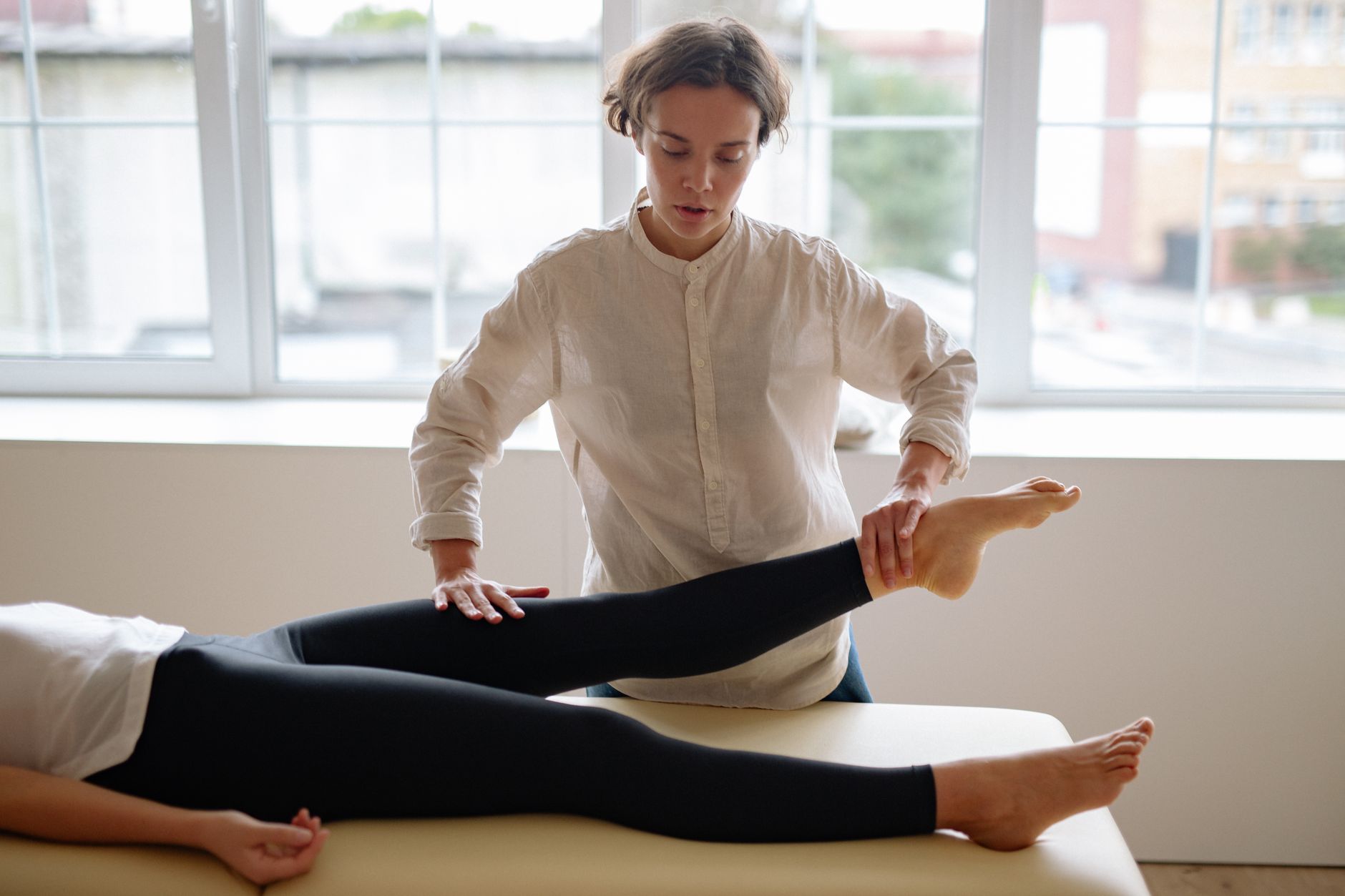
- Physical therapist for personalized program
- Occupational therapist for daily activities
- Certified fitness trainer experienced with seniors
Warning Signs
Stop and seek medical advice if:
- Sudden increase in weakness
- New or worsening pain
- Swelling in legs
- Shortness of breath
- Chest pain
- Dizziness
Frequently Asked Questions
How long until I see results?
Most people notice improvements in 4-8 weeks with consistent exercise. Initial changes may include feeling more stable when walking or finding it easier to get up from chairs. Strength gains continue with ongoing exercise.
Is it normal for my legs to feel tired after exercise?
Yes, some muscle fatigue after exercise is normal and expected. This should resolve within a day. If fatigue is severe or lasts longer, you may have done too much. Reduce intensity and build up more gradually.
Can I exercise if I have arthritis?
Yes, exercise is actually beneficial for arthritis. Low-impact exercises like seated movements, water exercise, and gentle walking can help. Avoid exercises that cause joint pain. Consult your doctor or a physical therapist for guidance.
What if I can't do all the repetitions?
Start with fewer repetitions and build up gradually. Even a few repetitions done consistently will help. Quality is more important than quantity. Focus on proper form and progress at your own pace.
Should I exercise through pain?
No. Muscle fatigue is normal, but sharp or joint pain is a sign to stop. Modify the exercise or try a different one. If pain persists, consult your healthcare provider.
Can I do these exercises every day?
For strengthening exercises, 2-3 times per week is typically recommended to allow muscles to recover. Light activity like walking can be done daily. Rest days are important for muscle recovery.
Key Takeaways
- Leg weakness can be improved at any age with targeted exercise
- Start with seated exercises if needed, progress to standing
- Consistency matters more than intensity
- Include sit-to-stand exercises for functional strength
- Progress gradually and listen to your body
- Consider working with a physical therapist for personalized guidance
- Regular exercise improves mobility, balance, and independence
Related Articles
- When Should Leg Weakness Be Taken Seriously?
- Can Weak Legs Be Reversed?
- Balance Exercises for Seniors
- Best Walkers for Seniors
- Best Canes for Seniors
References
- National Institute on Aging. (2024). Exercise and Physical Activity. NIA.nih.gov
- American College of Sports Medicine. (2024). Exercise for Older Adults. ACSM.org
- Centers for Disease Control and Prevention. (2024). Physical Activity for Older Adults. CDC.gov