Can Weak Legs Be Reversed?
If you or a loved one is experiencing leg weakness, you may wonder if it can be reversed. The good news is that in many cases, yes—leg weakness can be significantly improved, and often reversed, with the right approach. The key is understanding the cause and implementing appropriate interventions.
According to research published in the Journal of the American Geriatrics Society, even frail older adults can build muscle strength with appropriate exercise programs. Age is not a barrier to improvement.
Understanding Reversibility
When Reversal Is Possible
Leg weakness can often be reversed when caused by:
Disuse/Deconditioning:
- Most reversible cause
- Occurs after illness, surgery, or inactivity
- Responds well to exercise
- Can see significant improvement
Age-related muscle loss (Sarcopenia):
- Can be slowed and partially reversed
- Exercise is key intervention
- Nutrition plays important role
- Never too late to start
Nutritional deficiencies:
- Protein deficiency
- Vitamin D deficiency
- B12 deficiency
- Correctable with supplementation
Some medical conditions:
- When underlying condition is treated
- Depression-related weakness
- Medication side effects
- Some hormonal imbalances
When Reversal May Be Limited
Improvement may be limited when:
Permanent nerve damage:
- Severe neuropathy
- Post-polio syndrome
- Some spinal cord injuries
Advanced neurological conditions:
- ALS
- Multiple sclerosis (some cases)
- Parkinson's disease (some aspects)
Severe muscle diseases:
- Muscular dystrophies
- Inflammatory myopathies (some)
The Science of Muscle Recovery
Muscle Plasticity
Muscles retain the ability to adapt throughout life:
- Muscles can grow at any age
- Strength gains are possible even in 90s
- Nervous system can recruit more muscle fibers
- Improvement in function can occur
Research Evidence
Studies show:
- Older adults can increase muscle strength by 25-100%
- Muscle mass can increase with training
- Functional improvements are achievable
- Even nursing home residents can improve
Strategies for Reversing Weakness
1. Exercise Training
Resistance Training:
- Most effective intervention
- 2-3 sessions per week
- Progressive overload
- All major leg muscle groups
Types:
- Bodyweight exercises
- Resistance bands
- Weight machines
- Free weights
Key exercises:
- Sit-to-stand
- Leg presses
- Leg extensions
- Calf raises
- Side leg raises
2. Address Underlying Causes
Medical conditions:
- Proper diagnosis essential
- Treat underlying disease
- Optimize medication management
- Address chronic conditions
Nutrition:
- Adequate protein (1.0-1.2 g/kg/day)
- Vitamin D if deficient
- Balanced diet
- Adequate calories
Lifestyle:
- Stay active daily
- Good sleep
- Stress management
- Social engagement
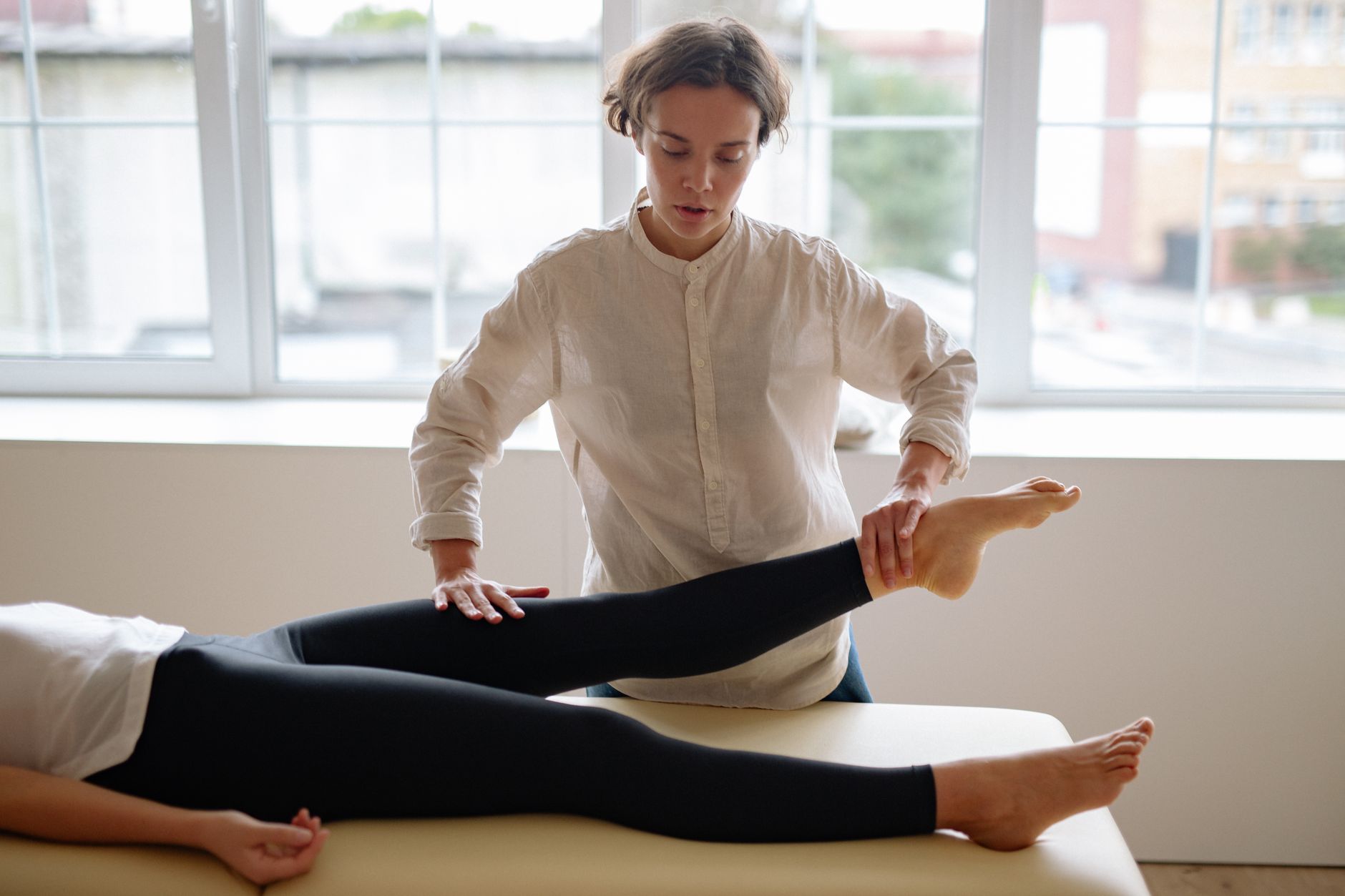
3. Physical Therapy
Benefits:
- Individualized program
- Proper technique instruction
- Progressive plan
- Safety supervision
When to consider:
- After hospitalization
- After surgery
- Significant weakness
- Balance problems
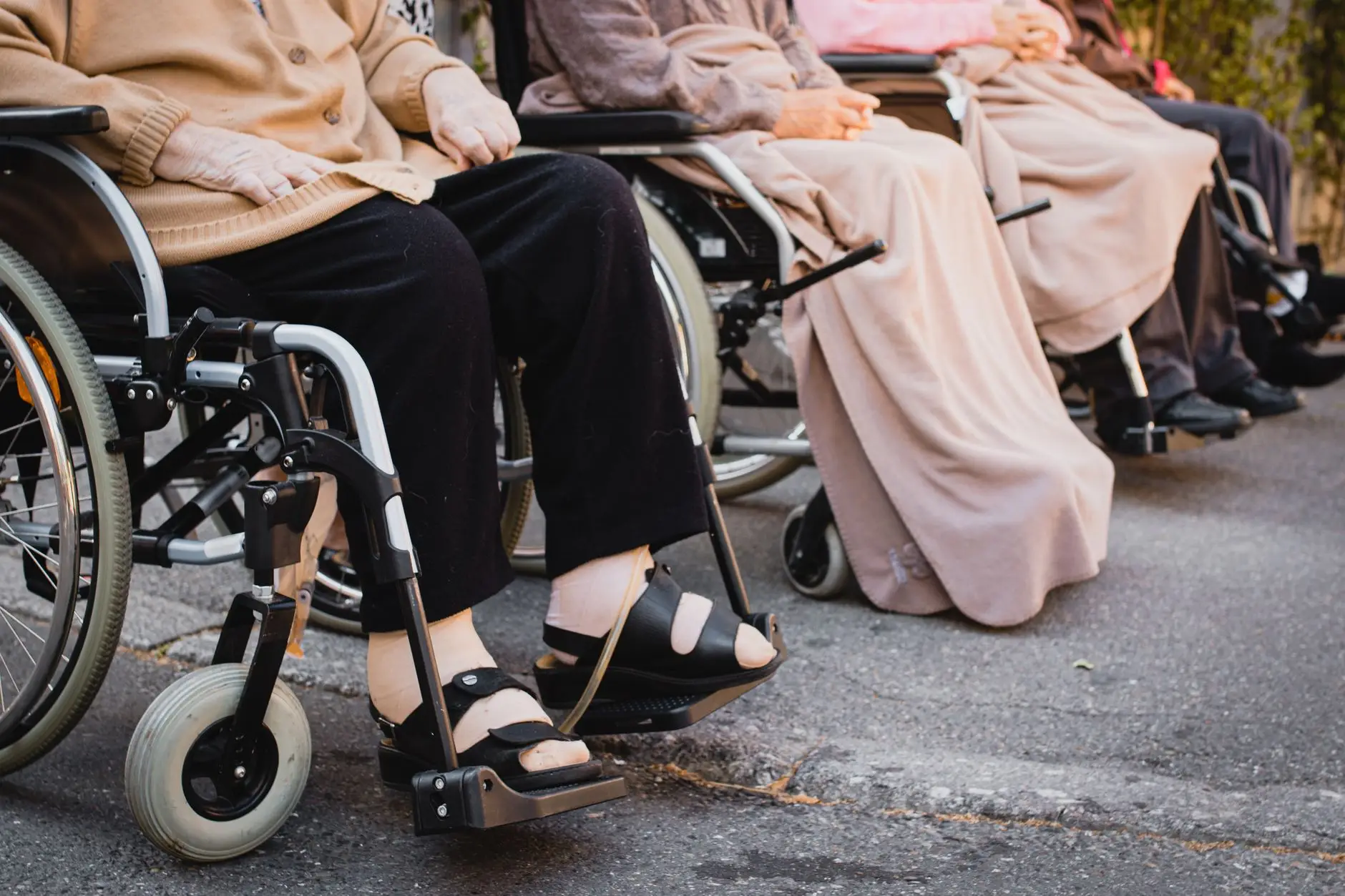
4. Assistive Devices
While building strength:
- Canes
- Walkers
- Rollators
- Don't delay use while strengthening
Purpose:
- Maintain mobility
- Prevent falls
- Allow continued activity
- Support independence
What to Expect
Timeline for Improvement
Weeks 2-4:
- Nervous system adaptations
- May feel stronger
- Better coordination
- More confidence
Weeks 6-12:
- Muscle changes begin
- Noticeable strength gains
- Easier daily activities
- Better endurance
Months 3-6:
- Significant improvement
- Continued gains possible
- Better function
- May need to progress exercises
Beyond 6 months:
- Maintenance phase
- Continued slow gains possible
- Focus on consistency
- Prevent decline
Realistic Expectations
What's achievable:
- Significant strength improvement
- Better function
- More independence
- Reduced fall risk
Factors affecting outcomes:
- Age
- Overall health
- Consistency
- Severity of weakness
- Underlying cause
Success Stories from Research
Research Findings
Nursing home residents:
- 80-90 year olds gained significant strength
- Improved walking ability
- Better function in daily activities
Community-dwelling seniors:
- 10-12 weeks of training showed major gains
- Improved stair climbing
- Better balance
Post-hospitalization:
- Early rehabilitation effective
- Can regain pre-hospitalization function
- Important to start soon
Creating Your Plan
Step 1: Medical Evaluation
- Identify cause of weakness
- Rule out serious conditions
- Get clearance for exercise
- Address medical issues
Step 2: Set Goals
- Specific, measurable goals
- Focus on function
- Realistic timeline
- Celebrate progress
Step 3: Start Exercise
- Begin at appropriate level
- Progress gradually
- Stay consistent
- Track progress
Step 4: Support Recovery
- Good nutrition
- Adequate rest
- Stay motivated
- Seek support
Step 5: Monitor and Adjust
- Track improvements
- Adjust program as needed
- Celebrate successes
- Address setbacks
Overcoming Barriers
Common Challenges
Pain:
- Modify exercises
- Use low-impact options
- Water exercise
- Talk to doctor
Fear of falling:
- Start with support
- Use assistive devices
- Supervised exercise
- Build confidence gradually
Lack of motivation:
- Set meaningful goals
- Exercise with others
- Track progress
- Reward yourself
Time constraints:
- Short sessions count
- Integrate into daily routine
- Every bit helps
- Consistency over duration
When to Seek Professional Help
Consider Working With
Physical therapist:
- Individualized program
- Proper technique
- Safe progression
- Address specific issues
Personal trainer:
- Experience with seniors
- Motivation and accountability
- Exercise variety
- Proper form
Occupational therapist:
- Daily activities
- Home modifications
- Energy conservation
- Adaptive equipment
Frequently Asked Questions
Is it ever too late to strengthen legs?
Research shows that people in their 90s can build muscle strength. While starting earlier is better, it's never too late. Even small improvements can make a meaningful difference in daily life.
How much improvement can I expect?
Most people can expect significant improvement with consistent effort. Studies show strength gains of 25-100% are possible. The amount depends on your starting point, consistency, and underlying health.
What if I have arthritis?
Exercise is actually beneficial for arthritis. Low-impact exercises, water exercise, and proper technique can help you strengthen muscles while protecting joints. Work with a physical therapist for guidance.
How long do I need to keep exercising?
Exercise needs to be ongoing to maintain benefits. If you stop, muscles will weaken again. The good news is that maintenance requires less effort than initial building.
Can supplements help?
Protein supplements may help if you're not getting enough protein. Vitamin D supplementation helps if you're deficient. Talk to your doctor before starting supplements.
What if I don't see improvement?
If you've been consistent for 6-8 weeks without improvement, talk to your doctor. There may be an underlying issue that needs addressing, or you may need to adjust your program.
Key Takeaways
- Leg weakness can often be reversed or significantly improved
- Disuse and deconditioning are the most reversible causes
- Exercise is the most effective intervention
- It's never too late to start—improvement is possible at any age
- Address underlying causes including nutrition and medical conditions
- Consistency is key—expect 6-12 weeks for noticeable improvement
- Professional guidance can optimize results
- Maintenance exercise is needed to preserve gains
Related Articles
- What Exercises Help Weak Legs?
- When Should Leg Weakness Be Taken Seriously?
- Balance Exercises for Seniors
- Best Walkers for Seniors
- Best Rollators for Seniors
References
- Journal of the American Geriatrics Society. (2024). Exercise and Muscle Strength in Older Adults. AGS Online
- National Institute on Aging. (2024). Exercise and Physical Activity. NIA.nih.gov
- American College of Sports Medicine. (2024). Resistance Training for Older Adults. ACSM.org