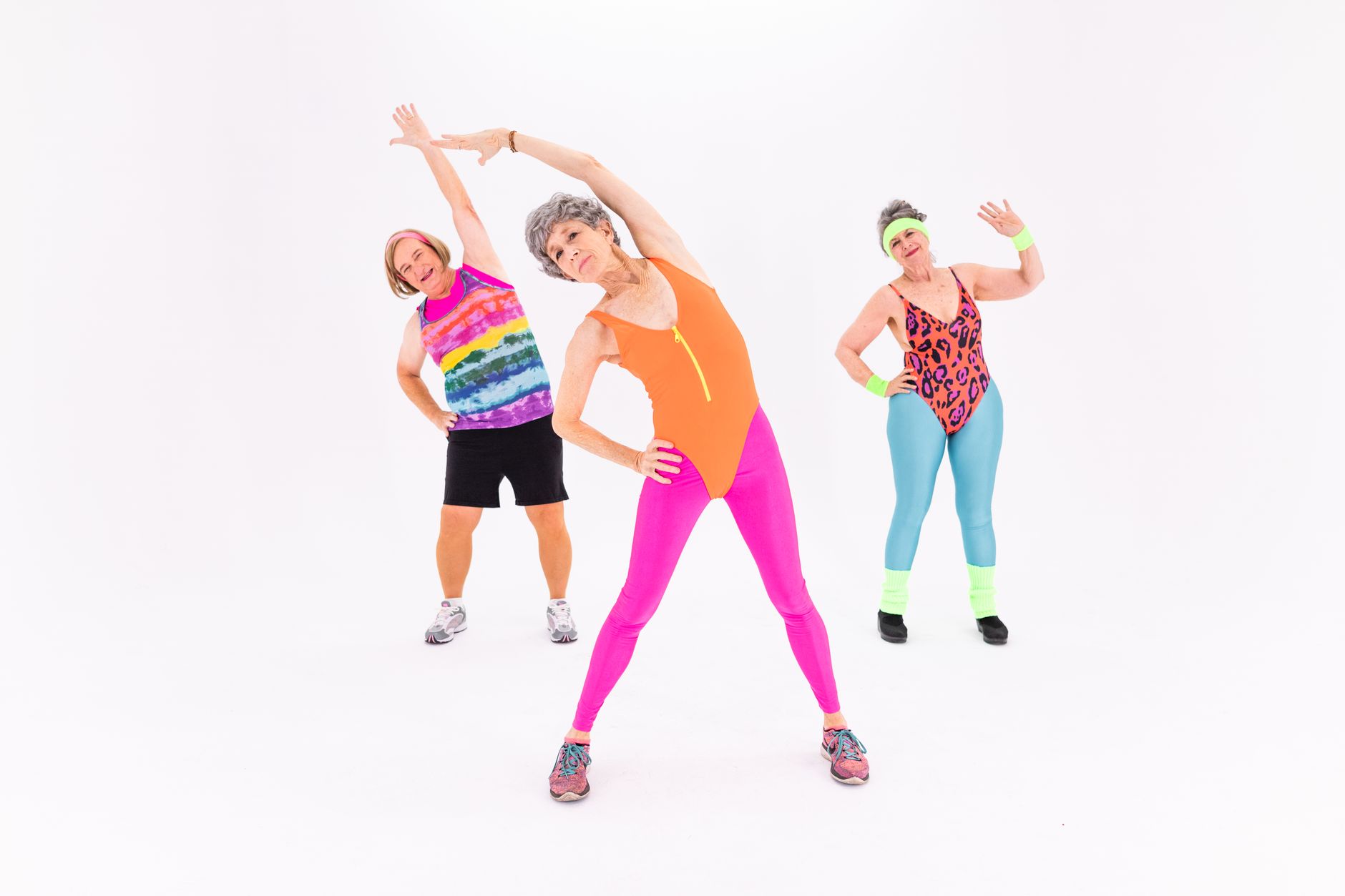
Stretching After Exercise
Stretching after exercise is a crucial component of any fitness routine, especially for seniors. Post-exercise stretching helps muscles recover, reduces stiffness, improves flexibility, and enhances overall well-being. While many people focus on the workout itself, what you do afterward is equally important for maximizing benefits and preventing injuries.
According to the American College of Sports Medicine, post-exercise stretching can significantly improve flexibility, reduce muscle soreness, and enhance recovery, making it an essential part of any senior fitness program.
Quick Answer
Yes, stretching after exercise is highly recommended for seniors! Aim for 5-10 minutes of gentle stretching after every workout, focusing on major muscle groups. Hold each stretch for 15-30 seconds, breathe deeply, and never bounce or force movements. Post-exercise stretching reduces soreness, improves flexibility, and enhances recovery.
Who Is This For?
This guide is specifically designed for:
- Seniors who exercise regularly
- Older adults experiencing muscle soreness
- Individuals recovering from injury
- Caregivers supporting loved ones' fitness goals
- Anyone wanting to improve flexibility
- Seniors with joint stiffness or arthritis
Why Stretch After Exercise?
Recovery Benefits
Muscle recovery:
- Reduces muscle tension
- Improves circulation
- Removes waste products
- Delivers nutrients
- Promotes healing
Reduced soreness:
- Minimizes muscle stiffness
- Decreases delayed onset muscle soreness
- Improves comfort
- Enhances mobility
- Supports continued activity
Flexibility Improvements
Range of motion:
- Maintains joint mobility
- Increases flexibility
- Reduces muscle tightness
- Enhances movement
- Supports function
Long-term benefits:
- Better mobility
- Improved posture
- Reduced injury risk
- Enhanced performance
- Greater independence
Relaxation Benefits
Mental relaxation:
- Reduces stress
- Promotes calm
- Enhances mindfulness
- Improves mood
- Supports well-being
Physical relaxation:
- Lowers heart rate
- Reduces blood pressure
- Promotes recovery
- Enhances sleep
- Supports healing
Essential Post-Exercise Stretches
Lower Body Stretches
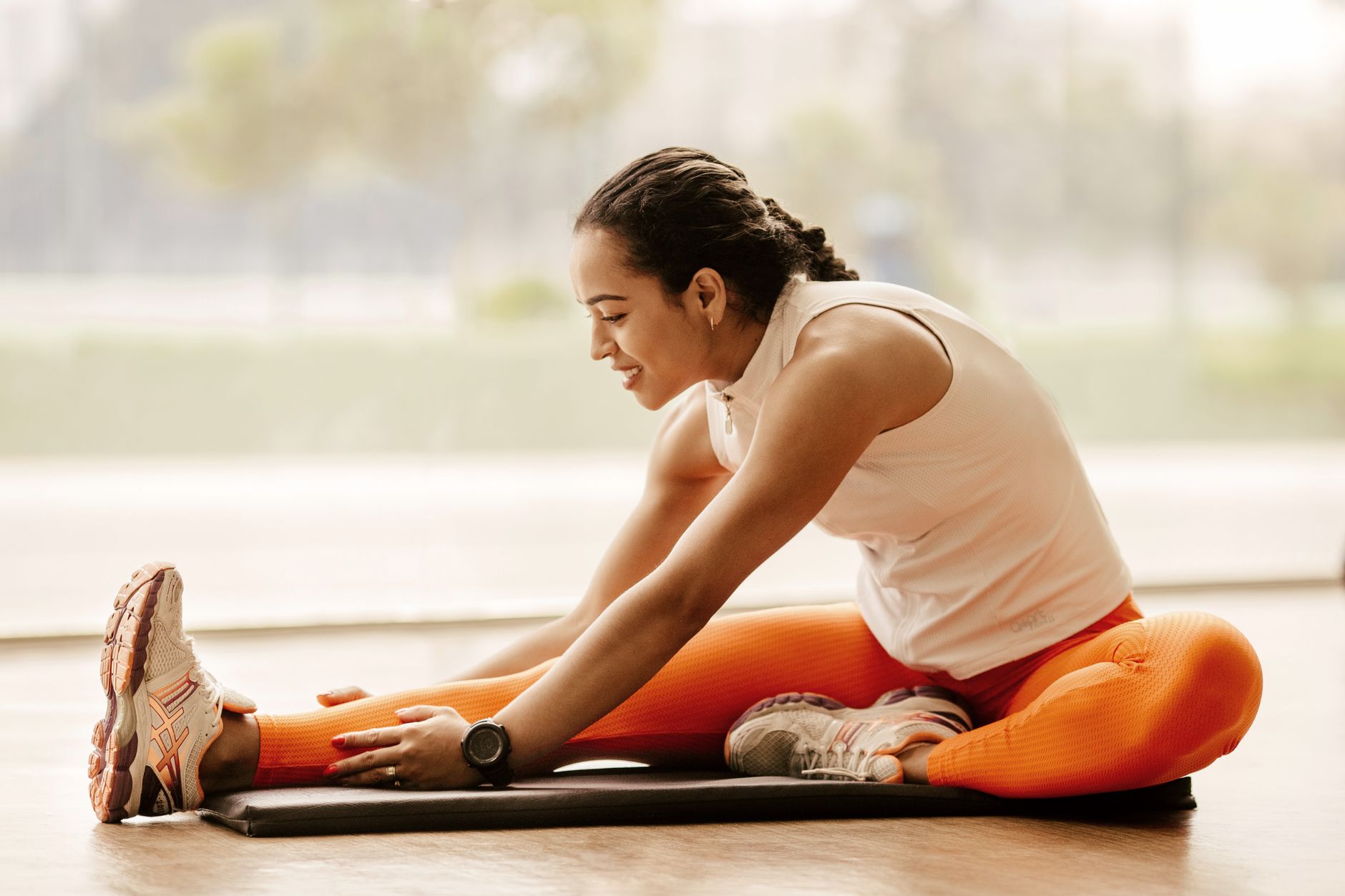
Hamstring stretch:
- Sit on edge of chair
- Extend one leg
- Reach toward toes
- Hold 15-30 seconds
- Repeat other leg
Quadriceps stretch:
- Stand holding support
- Bend one knee
- Grasp ankle
- Hold 15-30 seconds
- Repeat other leg
Calf stretch:
- Stand facing wall
- Place one foot back
- Press heel down
- Hold 15-30 seconds
- Repeat other leg
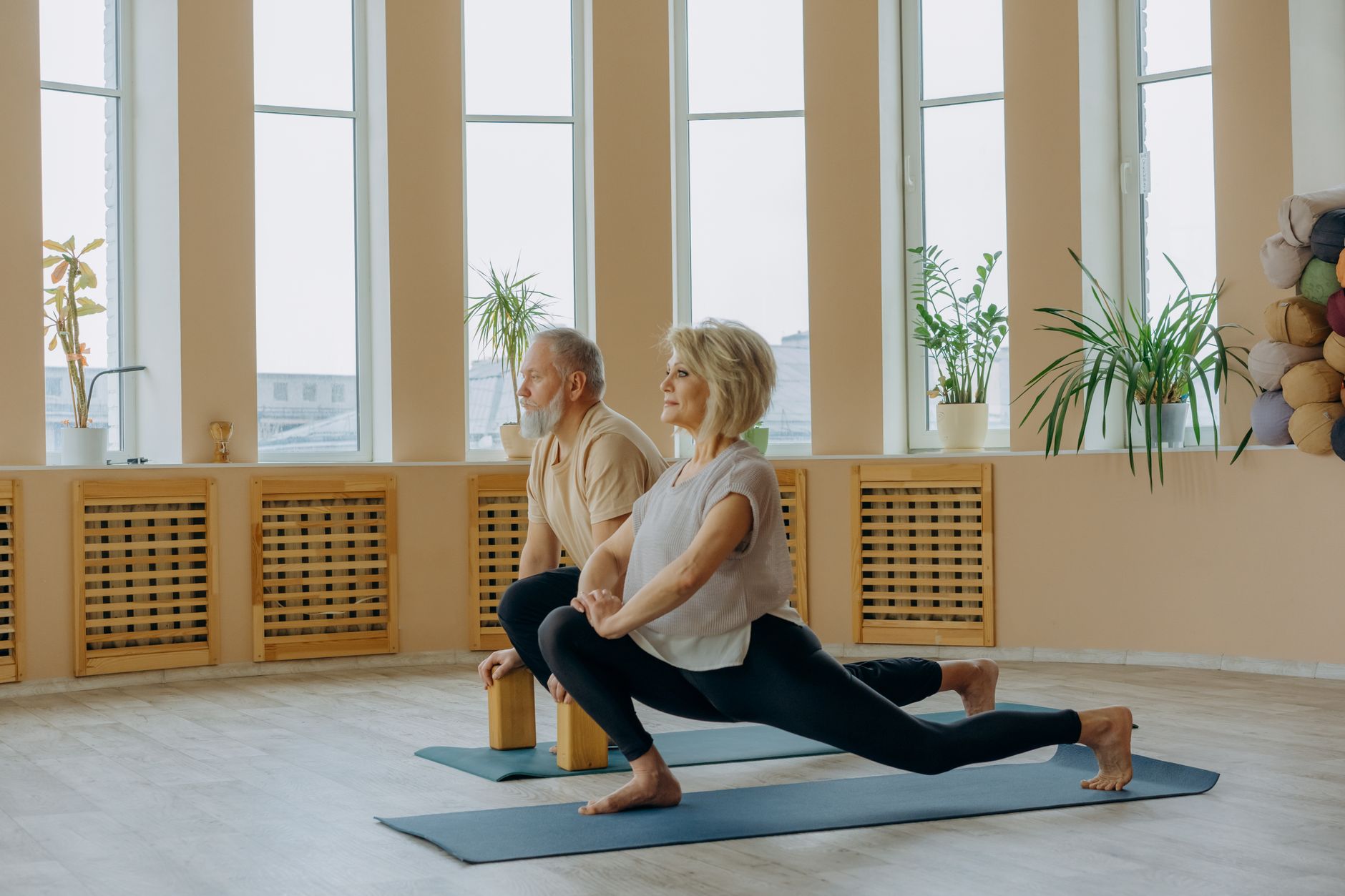
Hip flexor stretch:
- Stand in lunge position
- Shift weight forward
- Keep back straight
- Hold 15-30 seconds
- Repeat other leg
Upper Body Stretches
Neck stretch:
- Gently tilt head to side
- Hold 15-30 seconds
- Repeat other side
- 2-3 repetitions each side
Shoulder stretch:
- Bring arm across chest
- Use other arm to gently pull
- Hold 15-30 seconds
- Repeat other side
Chest stretch:
- Clasp hands behind back
- Straighten arms
- Open chest
- Hold 15-30 seconds
Back stretch:
- Sit on chair
- Round upper back
- Reach forward
- Hold 15-30 seconds
Full Body Stretches
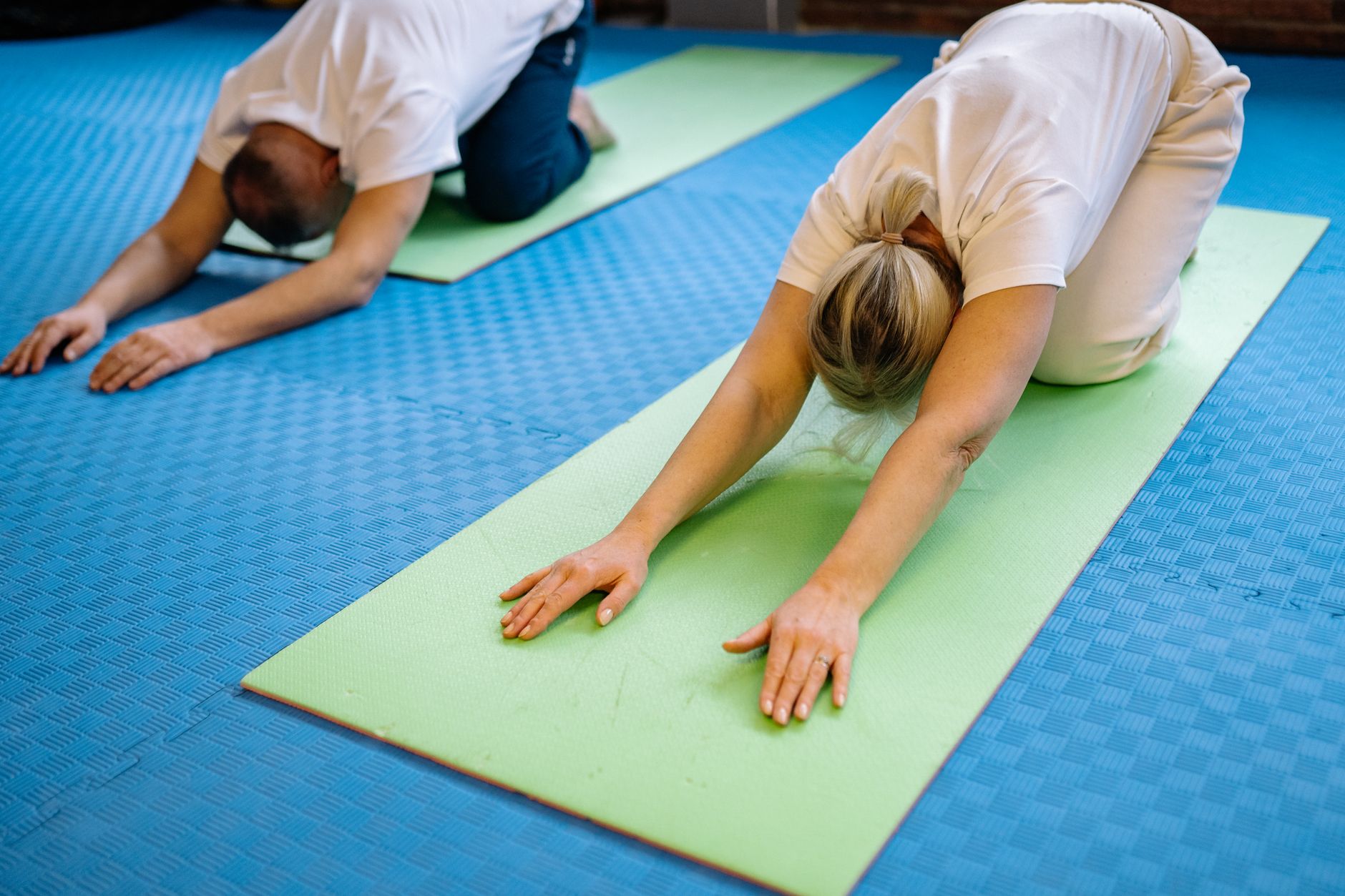
Child's pose (modified):
- Sit on chair
- Lean forward
- Rest arms on thighs
- Hold 15-30 seconds
Seated spinal twist:
- Sit on chair
- Place hand on opposite knee
- Gently twist
- Hold 15-30 seconds
- Repeat other side
Overhead reach:
- Stand or sit tall
- Interlace fingers
- Reach overhead
- Hold 15-30 seconds
Post-Exercise Stretching Routine
After Cardio Exercise
Cool-down stretches (5-10 minutes):
- Walking cooldown (2-3 min)
- Calf stretches
- Hamstring stretches
- Quadriceps stretches
- Hip flexor stretches
Benefits:
- Gradual heart rate reduction
- Improved circulation
- Reduced muscle tension
- Enhanced recovery
- Better flexibility
After Strength Training
Recovery stretches (5-10 minutes):
- Stretch muscles worked
- Focus on major muscle groups
- Hold each stretch 15-30 seconds
- Breathe deeply
- Relax completely
Key areas to stretch:
- Chest and back
- Shoulders and arms
- Legs and hips
- Core muscles
- Neck and upper back
After Balance Exercises
Relaxation stretches (5-10 minutes):
- Gentle neck stretches
- Shoulder rolls
- Back stretches
- Hip stretches
- Full body relaxation
Benefits:
- Reduces muscle tension
- Promotes relaxation
- Enhances recovery
- Improves flexibility
- Supports balance
Creating Your Post-Exercise Routine
Daily Routine
After any exercise (5-10 minutes):
- Cool-down activity (2-3 min)
- Major muscle group stretches
- Focus on worked muscles
- Deep breathing
- Relaxation
Weekly Focus
Monday (lower body focus):
- Hamstring stretches
- Quadriceps stretches
- Calf stretches
- Hip stretches
- Ankle stretches
Tuesday (upper body focus):
- Neck stretches
- Shoulder stretches
- Chest stretches
- Back stretches
- Arm stretches
Wednesday (full body):
- Combination of all stretches
- Focus on tight areas
- Gentle yoga poses
- Relaxation
- Breathing
Thursday (lower body focus):
- Repeat Monday routine
- Focus on different angles
- Add new stretches
- Maintain consistency
Friday (upper body focus):
- Repeat Tuesday routine
- Focus on different angles
- Add new stretches
- Maintain consistency
Saturday (full body):
- Extended stretching session
- Focus on problem areas
- Gentle yoga
- Relaxation
Sunday (rest or very light):
- Very gentle stretching
- Focus on relaxation
- Breathing exercises
- Mindfulness
Proper Stretching Technique
General Guidelines
Before stretching:
- Cool down first
- Heart rate should be near normal
- Muscles should be warm
- Breathing should be regular
- Body should be relaxed
During stretching:
- Move slowly
- Never bounce
- Hold 15-30 seconds
- Breathe regularly
- Relax into stretch
After stretching:
- Move gently
- Stay hydrated
- Note how you feel
- Plan next session
- Rest if needed
Common Mistakes to Avoid
What not to do:
- Don't bounce
- Don't force stretches
- Don't hold breath
- Don't stretch cold muscles
- Don't ignore pain
What to do instead:
- Move slowly and deliberately
- Work within comfortable range
- Breathe deeply and regularly
- Warm up before stretching
- Listen to your body
Special Considerations
After Different Types of Exercise
After walking:
- Calf stretches
- Hamstring stretches
- Hip flexor stretches
- Quadriceps stretches
- Ankle circles
After swimming:
- Shoulder stretches
- Chest stretches
- Back stretches
- Leg stretches
- Neck stretches
After cycling:
- Quadriceps stretches
- Hamstring stretches
- Hip stretches
- Calf stretches
- Lower back stretches
After strength training:
- Stretch all worked muscles
- Focus on major muscle groups
- Hold stretches longer
- Include relaxation
- Focus on recovery
For Different Conditions
Arthritis:
- Gentle movements
- Work within comfortable range
- Use heat if helpful
- Avoid deep stretches
- Consult doctor
Joint issues:
- Focus on surrounding muscles
- Avoid direct joint pressure
- Modify as needed
- Use support if needed
- Listen to body
Balance concerns:
- Use seated stretches
- Hold onto support
- Focus on safety
- Modify as needed
- Build gradually
Weekly Post-Exercise Stretching Plan
| Day | Focus | Duration | Key Stretches |
|---|---|---|---|
| Monday | Lower Body | 5-10 min | Hamstrings, quads, calves, hips |
| Tuesday | Upper Body | 5-10 min | Neck, shoulders, chest, back |
| Wednesday | Full Body | 5-10 min | Combination of all stretches |
| Thursday | Lower Body | 5-10 min | Repeat Monday routine |
| Friday | Upper Body | 5-10 min | Repeat Tuesday routine |
| Saturday | Full Body | 10-15 min | Extended session, focus on tight areas |
| Sunday | Rest | 2-5 min | Very gentle stretching if needed |
Risks and Safety Considerations
Common Risks
- Overstretching: Pushing beyond comfortable range
- Muscle strain: Forcing movements
- Joint pain: Stretching cold muscles
- Breath holding: Not maintaining proper breathing
- Bouncing: Using momentum instead of controlled movement
Safety Guidelines
- Cool down first: Allow heart rate to decrease before stretching
- Move slowly: No bouncing or jerky movements
- Breathe: Maintain regular breathing throughout
- Listen to body: Stop if pain occurs
- Work within range: Don't force stretches
- Hold properly: 15-30 seconds per stretch
- Repeat as needed: 2-3 times per muscle group
- Stay hydrated: Drink water before and after
When to Contact a Healthcare Professional
Contact your healthcare provider if you:
- Experience sharp pain during stretching
- Have joint pain that persists or worsens
- Are recovering from injury and need stretching guidance
- Have arthritis and need modified stretches
- Need personalized stretching recommendations
- Have questions about safe stretching techniques
- Want professional guidance for your routine
- Experience unusual symptoms after stretching
Quick Reference Checklist
Post-Exercise Stretching Checklist
- Cool down for 2-3 minutes first
- Focus on muscles worked during exercise
- Hold each stretch 15-30 seconds
- Breathe deeply and regularly
- Never bounce or force stretches
- Work within comfortable range
- Stretch major muscle groups
- Stay hydrated
- Move slowly and deliberately
- Stop if pain occurs
FAQ
Q: How long should I stretch after exercise? A: Aim for 5-10 minutes, focusing on major muscle groups. Hold each stretch 15-30 seconds.
Q: When should I stretch after exercise? A: Stretch immediately after cool-down when muscles are still warm.
Q: Is stretching after exercise necessary? A: While not absolutely necessary, it's highly recommended for recovery and flexibility.
Q: What if I don't have time to stretch? A: Even 2-3 minutes is better than none - focus on major muscle groups.
Q: Can stretching after exercise prevent injuries? A: Yes, it improves flexibility and reduces muscle tension, lowering injury risk.
Q: Should I stretch if I'm sore? A: Gentle stretching helps reduce soreness, but avoid deep stretches if very sore.
Q: What's the best breathing technique for stretching? A: Breathe deeply and steadily - inhale before stretching, exhale as you relax into the stretch.
Q: Can I stretch if I have arthritis? A: Yes, but focus on gentle, pain-free movements and consult your healthcare provider.
Key Takeaways
- Post-exercise stretching enhances recovery - reduces muscle tension and soreness
- Improves flexibility and mobility - maintains joint function
- Promotes relaxation and well-being - reduces stress and enhances mood
- Should be done after every workout - 5-10 minutes minimum
- Hold stretches 15-30 seconds - no bouncing or forcing
- Move slowly and deliberately - controlled movements only
- Listen to your body - stop if pain occurs
- Focus on major muscle groups - especially those worked during exercise
- Stay hydrated - drink water before and after
- Consistency is key - regular stretching yields best results
Related Articles
- Stretching Before Walking
- Gentle Yoga Stretches
- Stretching and Fall Prevention
- Hamstring Stretches
- Shoulder Stretches
- Hip Stretches for Seniors
- Lower Back Stretches
- Stretching Exercises for Seniors
Medically Reviewed Sources
- American College of Sports Medicine. (2024). Flexibility and Stretching Guidelines. ACSM.org
- National Institute on Aging. (2024). Exercise and Physical Activity. NIA.nih.gov
- American Council on Exercise. (2024). Post-Exercise Stretching. ACEfitness.org
- Mayo Clinic. (2024). Stretching Exercises. MayoClinic.org
- Centers for Disease Control and Prevention. (2024). Physical Activity for Older Adults. CDC.gov
- Journal of Strength and Conditioning Research. (2023). Post-Exercise Recovery Strategies.
Disclaimer: This information is for educational purposes only. Before starting any exercise program, consult your healthcare provider, especially if you have medical conditions or concerns.