Lower Back Stretches
Lower back pain is one of the most common complaints among seniors, affecting daily activities and quality of life. The good news is that regular, gentle stretching can significantly reduce back pain, improve flexibility, and enhance overall comfort. Lower back stretches are a safe, effective way to manage discomfort and maintain mobility.
According to the American Academy of Orthopaedic Surgeons, regular stretching and gentle exercise can significantly reduce lower back pain, improve flexibility, and enhance function in older adults.
Quick Answer
Yes, gentle lower back stretches are safe and highly effective for seniors! Aim for 10-15 minutes daily, focusing on slow, controlled movements. Key stretches include knees-to-chest, seated spinal twist, and supine spinal twist. Hold each stretch 15-30 seconds and avoid bouncing. Consistency is key to relieving pain and improving mobility.
Who Is This For?
This guide is specifically designed for:
- Seniors experiencing lower back pain
- Older adults with reduced flexibility
- Individuals with poor posture
- Seniors recovering from back injuries
- Caregivers supporting loved ones' comfort
- Anyone wanting to maintain spinal health
Why Lower Back Stretching Matters
Pain Reduction
Common back issues:
- Muscle tension and spasms
- Reduced flexibility
- Poor posture
- Muscle imbalances
- Joint stiffness
Stretching benefits:
- Reduces muscle tension
- Improves circulation
- Enhances flexibility
- Decreases pain
- Increases comfort
Mobility Enhancement
Daily function impact:
- Easier bending and reaching
- Better walking comfort
- Improved sitting tolerance
- Enhanced standing ability
- Greater independence
Mobility benefits:
- Increased range of motion
- Better flexibility
- Enhanced movement
- Reduced stiffness
- Improved function
Posture Improvement
Poor posture effects:
- Slouched sitting
- Forward head posture
- Rounded shoulders
- Increased spinal curvature
- Muscle imbalances
Stretching benefits:
- Improves spinal alignment
- Reduces muscle tension
- Enhances posture
- Supports spinal health
- Promotes better alignment
Essential Lower Back Stretches
Seated Stretches
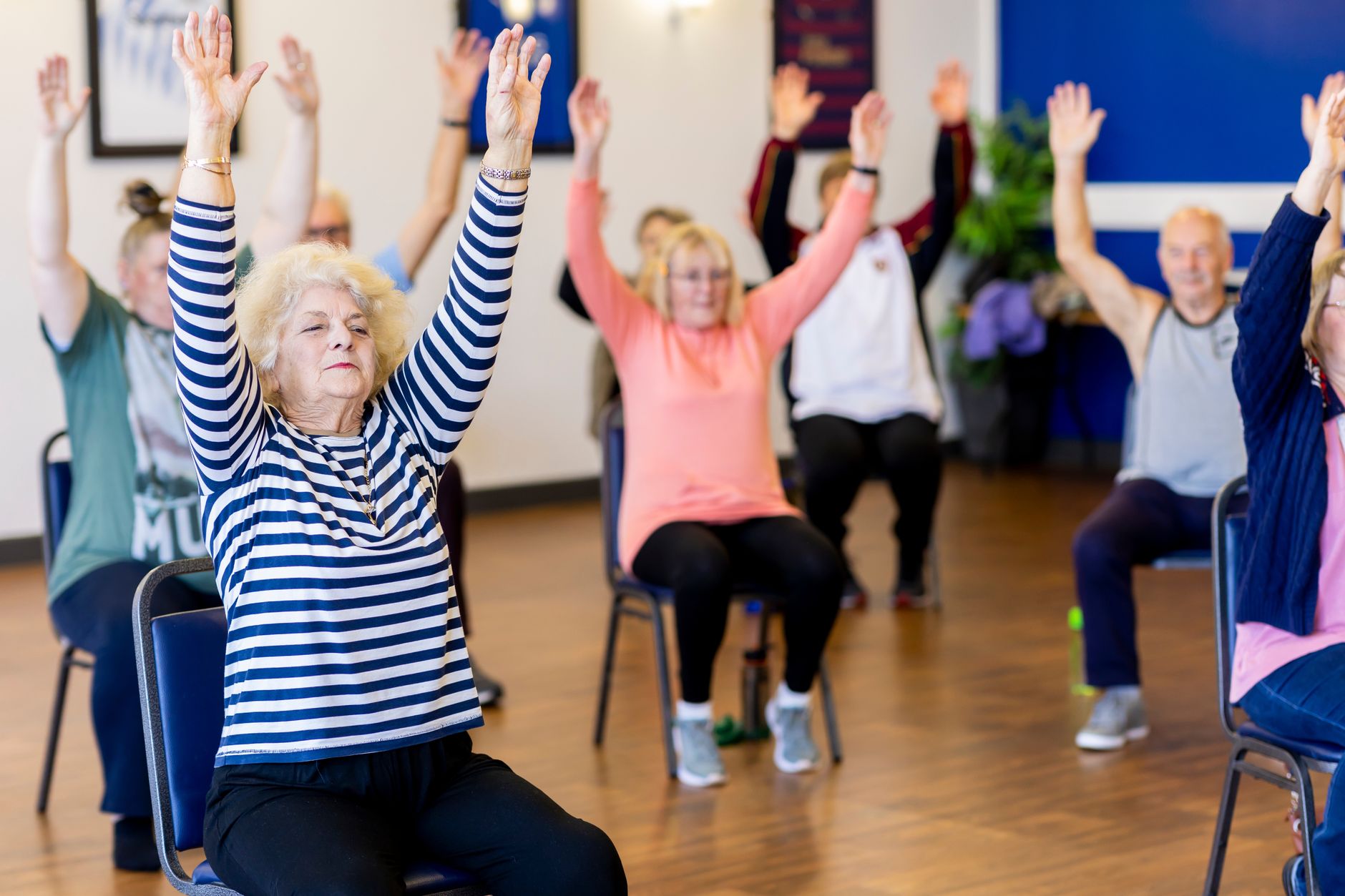
Seated spinal twist:
- Sit on chair with feet flat
- Place hand on opposite knee
- Gently twist toward that side
- Hold 15-30 seconds
- Repeat other side
Seated forward fold:
- Sit on edge of chair
- Extend legs forward
- Hinge at hips
- Reach toward feet
- Hold 15-30 seconds
Seated cat-cow:
- Sit on chair with feet flat
- Arch back gently
- Round spine
- Repeat 5-10 times
Standing Stretches
Standing forward fold (modified):
- Stand with feet hip-width apart
- Bend knees slightly
- Hinge at hips
- Reach toward floor
- Hold 15-30 seconds
Side stretch:
- Stand with feet apart
- Reach one arm overhead
- Gently lean to opposite side
- Hold 15-30 seconds
- Repeat other side
Back extension:
- Stand with feet apart
- Place hands on lower back
- Gently arch backward
- Hold 5-10 seconds
- Return to neutral
Lying Stretches
Knees-to-chest:
- Lie on back
- Bring knees toward chest
- Hold knees with hands
- Hold 15-30 seconds
- Gently rock side to side
Supine spinal twist:
- Lie on back
- Extend arms to sides
- Drop knees to one side
- Look opposite direction
- Hold 15-30 seconds
- Repeat other side
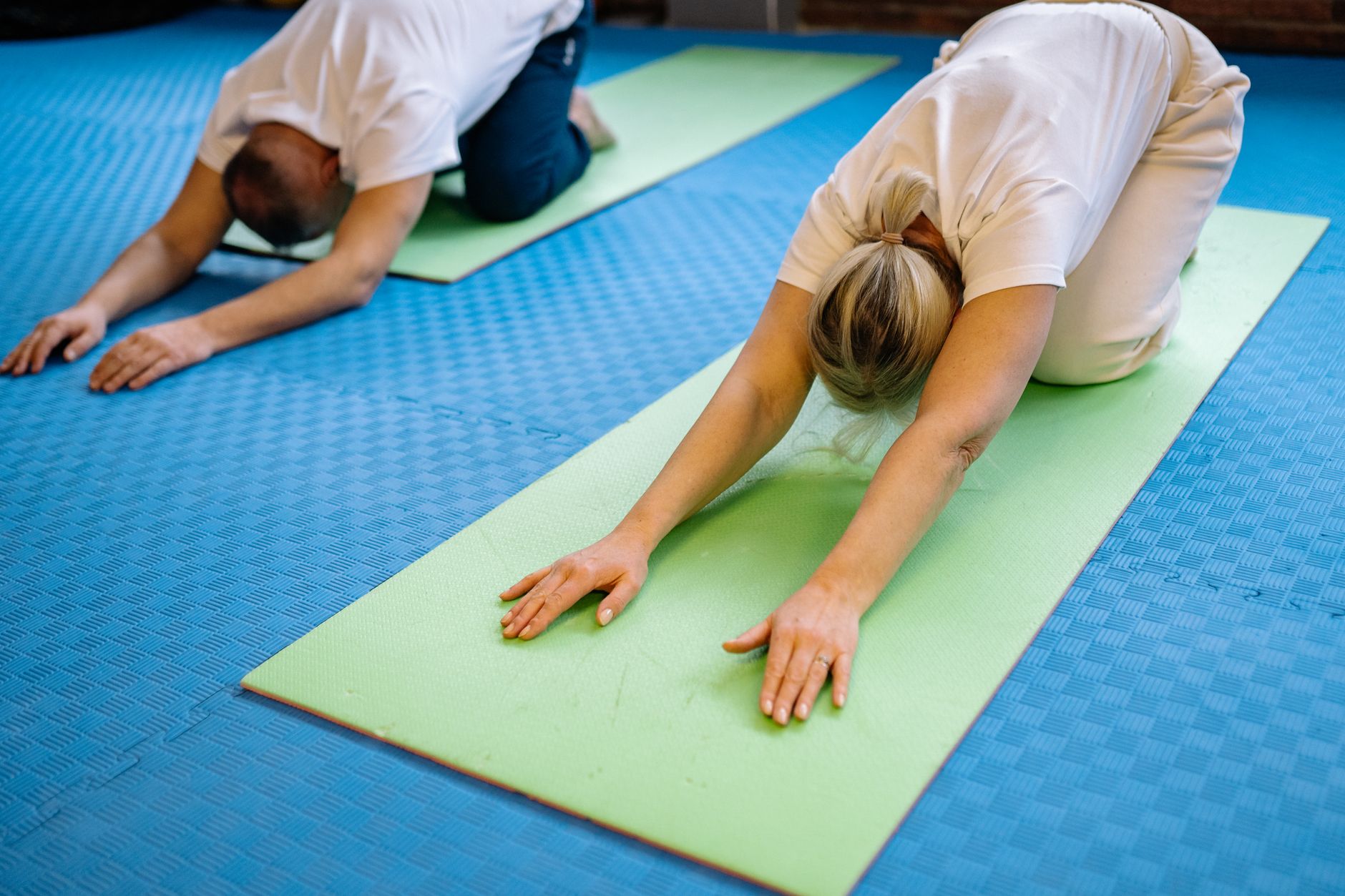
Child's pose (modified):
- Kneel on floor
- Sit back on heels
- Extend arms forward
- Rest forehead on floor
- Hold 15-30 seconds
Creating Your Lower Back Stretching Routine
Daily Routine
Morning (5 minutes):
- Gentle stretches
- Focus on mobility
- Prepare for day
- Reduce morning stiffness
- Enhance comfort
Evening (10-15 minutes):
- Comprehensive stretches
- Focus on relaxation
- Reduce daily tension
- Improve flexibility
- Promote recovery
Weekly Focus
Monday (seated focus):
- Seated stretches
- Gentle movements
- Focus on comfort
- 10-15 minutes
Tuesday (standing focus):
- Standing stretches
- Use support as needed
- Focus on stability
- 10-15 minutes
Wednesday (lying focus):
- Lying stretches
- Focus on relaxation
- Gentle movements
- 15-20 minutes
Thursday (seated focus):
- Repeat Monday routine
- Focus on different angles
- 10-15 minutes
Friday (standing focus):
- Repeat Tuesday routine
- Focus on different angles
- 10-15 minutes
Saturday (comprehensive):
- All stretch types
- Extended session
- Focus on problem areas
- 20-30 minutes
Sunday (rest or very light):
- Very gentle stretching
- Focus on relaxation
- 5-10 minutes
Proper Stretching Technique
Before Stretching
Preparation:
- Warm up muscles first
- Wear comfortable clothing
- Choose appropriate surface
- Have support available
- Allow adequate time
Safety considerations:
- Clear space
- Good lighting
- Water available
- Emergency contact accessible
- Phone nearby
During Stretching
Technique guidelines:
- Move slowly and deliberately
- Never bounce
- Hold 15-30 seconds
- Breathe regularly
- Work within comfortable range
Safety tips:
- Use support if needed
- Maintain proper form
- Listen to your body
- Stop if pain occurs
- Modify as needed
After Stretching
Recovery:
- Move gently
- Stay hydrated
- Note how you feel
- Plan next session
- Rest if needed
Modifications and Adaptations
For Limited Mobility
Gentle modifications:
- Reduce range of motion
- Use support
- Modify positions
- Focus on comfort
- Build gradually
Seated alternatives:
- Chair-based stretches
- Reduced range
- Support available
- Comfortable positions
- Safe environment
For Back Pain
Pain-friendly modifications:
- Reduce intensity
- Avoid painful movements
- Focus on gentle stretches
- Use heat or cold therapy
- Consult doctor
Safe alternatives:
- Gentle movements
- Reduced range
- Support positions
- Professional guidance
- Medical consultation
For Balance Concerns
Safe modifications:
- Use seated stretches
- Hold onto support
- Focus on stability
- Modify as needed
- Build gradually
Balance-enhancing options:
- Seated stretches
- Support positions
- Wall stretches
- Stable surfaces
- Professional guidance
Special Considerations
After Back Surgery
Post-surgery guidelines:
- Follow surgeon's recommendations
- Start very gently
- Use physical therapy guidance
- Progress gradually
- Monitor pain response
Safe progression:
- Begin with gentle movements
- Focus on range of motion
- Build gradually
- Listen to body
- Consult healthcare provider
With Arthritis
Arthritis-friendly stretching:
- Gentle movements
- Work within comfortable range
- Use heat if helpful
- Avoid deep stretches
- Consult doctor
Benefits:
- Reduces stiffness
- Improves mobility
- Maintains joint function
- Reduces pain
- Enhances quality of life
For Osteoporosis
Osteoporosis considerations:
- Avoid forward flexion
- Focus on extension
- Use gentle movements
- Avoid twisting
- Consult healthcare provider
Safe approach:
- Gentle extensions
- Support positions
- Professional guidance
- Medical consultation
- Bone health focus
Weekly Lower Back Stretching Plan
| Day | Duration | Focus | Key Stretches |
|---|---|---|---|
| Monday | 10-15 min | Seated | Spinal twist, cat-cow |
| Tuesday | Rest or light | Recovery | Gentle walking |
| Wednesday | 10-15 min | Lying | Knees-to-chest, supine twist |
| Thursday | 10-15 min | Standing | Forward fold (modified), side stretch |
| Friday | Rest or light | Recovery | Gentle walking |
| Saturday | 15-20 min | Comprehensive | All major stretches |
| Sunday | Rest | Recovery | Full rest or gentle movements |
Risks and Safety Considerations
Common Risks
- Overstretching: Pushing beyond comfortable range
- Muscle strain: Forcing movements or bouncing
- Increased pain: Stretching too aggressively
- Loss of balance: Standing stretches without support
- Incorrect form: Poor posture during stretches
Safety Guidelines
- Warm up first: 5 minutes of gentle walking
- Move slowly: No bouncing or jerky movements
- Breathe: Maintain regular breathing
- Hold properly: 15-30 seconds per stretch
- Work within range: Don't force stretches
- Use support: Chair or wall for standing stretches
- Listen to body: Stop if pain occurs
- Stay hydrated: Drink water before and after
When to Contact a Healthcare Professional
Contact your healthcare provider if you:
- Experience sharp pain during stretching
- Have severe or chronic back pain
- Are recovering from back surgery and need guidance
- Have osteoporosis or spinal conditions
- Need personalized stretching recommendations
- Have balance problems affecting stretching
- Want professional guidance for your routine
- Experience unusual symptoms after stretching
Quick Reference Checklist
Lower Back Stretching Checklist
- Warm up for 5 minutes before
- Start with gentle movements
- Hold each stretch 15-30 seconds
- Breathe deeply and regularly
- Never bounce or force stretches
- Work within comfortable range
- Use support if needed
- Focus on proper form
- Stay hydrated
- Stop if pain occurs
FAQ
Q: How often should I stretch my lower back? A: Aim for daily stretching, 10-15 minutes per day. Consistency is key.
Q: How long does it take to see improvement? A: Most notice improvements within 2-4 weeks of consistent stretching.
Q: Can stretching alone cure back pain? A: Stretching works best with strengthening exercises and proper posture.
Q: What if I feel pain while stretching? A: Stop immediately. Mild discomfort is normal, sharp pain is not.
Q: Can I stretch with a herniated disc? A: Yes, but follow your healthcare provider's recommendations.
Q: Are stretches safe after back surgery? A: Yes, but only with surgeon/physical therapist guidance.
Q: What's the best time to stretch? A: Morning to reduce stiffness, or evening for relaxation.
Q: Can I stretch with osteoporosis? A: Yes, but avoid forward flexion and twisting.
Key Takeaways
- Lower back stretching reduces pain and discomfort
- Improves flexibility and mobility for daily activities
- Enhances posture and spinal alignment
- Should be done daily for best results
- Start gently and progress gradually
- Never bounce or force stretches
- Listen to your body - stop if pain occurs
- Modify as needed - use seated or supported positions
- Consistency is key to long-term benefits
- Consult healthcare provider if you have concerns
Related Articles
- Hamstring Stretches - Complementary lower body stretches
- Hip Stretches for Seniors - Hip mobility exercises
- Stretching After Exercise - Post-workout recovery
- Gentle Yoga Stretches - Gentle yoga for relaxation
- Stretching Exercises for Seniors - Comprehensive stretching
- Stretching Before Walking - Pre-walk preparation
- Shoulder Stretches - Upper body flexibility
- Stretching and Fall Prevention - Safety-focused stretching
Medically Reviewed Sources
- American Academy of Orthopaedic Surgeons. (2024). Lower Back Pain and Treatment. AAOS.org
- National Institute on Aging. (2024). Exercise and Physical Activity. NIA.nih.gov
- American College of Sports Medicine. (2024). Flexibility and Stretching Guidelines. ACSM.org
- Mayo Clinic. (2024). Lower Back Pain Exercises. MayoClinic.org
- Centers for Disease Control and Prevention. (2024). Physical Activity for Older Adults. CDC.gov
- Journal of Orthopaedic & Sports Physical Therapy. (2023). Stretching for Back Pain.
Disclaimer: This information is for educational purposes only. Before starting any exercise program, consult your healthcare provider, especially if you have medical conditions or concerns.