📌Key Takeaways
- Low-GI foods cause gradual blood sugar increases, protecting brain vessels
- High blood sugar damages microvasculature feeding the brain
- Foundation foods include vegetables, legumes, nuts, berries, whole grains
- Pair carbohydrates with protein or fat to slow absorption
- The MIND and Mediterranean diets emphasize low-glycemic principles
Picture a lunch built on white bread, chips, and a sweet drink: blood sugar climbs fast, then drops again an hour later, right when afternoon concentration matters most. A low-glycemic diet tries to flatten that curve—choosing foods that release glucose gradually, which may protect the small blood vessels serving the brain and support insulin sensitivity.
Research suggests that dietary patterns such as the Mediterranean Diet and MIND Diet are associated with slower cognitive decline and lower dementia risk, though these are associations rather than proof that any single food prevents dementia.
Key foods include:
- Lentils (GI 25-30)
- Chickpeas (GI 28)
- Blueberries (GI 53)
- Walnuts (GI 15)
- Steel-cut oats (GI 42-55)
- Leafy greens (GI 15)
- Sweet potatoes (GI 44-61)
- Quinoa (GI 53)
You walk into a room and forget why, or your mind goes completely blank at 2 p.m. over a routine task. Some of this is normal aging—but research suggests repeated blood sugar swings may contribute, and that keeping glucose steady matters for how well an older brain works from day to day.
Signs Your Brain May Need Blood Sugar Support
The table below pairs common complaints with the blood sugar mechanism researchers suspect may sit behind them. These are possible links, not diagnoses, and most have other, more ordinary causes worth checking first:
| Symptom | Description | Possible Blood Sugar Link |
|---|---|---|
| Afternoon Brain Fog | Mental cloudiness after meals, especially lunch | Blood sugar spike followed by crash |
| Memory Lapses | Forgetting recent conversations or appointments | Impaired glucose metabolism in brain |
| Energy Crashes | Sudden fatigue 1-2 hours after eating | Rapid blood sugar fluctuations |
| Difficulty Concentrating | Trouble staying focused on tasks | Unstable glucose supply to brain |
| Mood Swings | Irritability or anxiety between meals | Blood sugar drops affecting brain function |
| Poor Sleep Quality | Waking frequently, restless nights | Blood sugar imbalances overnight |
| Increased Cravings | Strong desire for sweets or carbs | Insulin resistance developing |
| Slower Thinking | Taking longer to process information | Reduced cerebral blood flow |
Why Blood Sugar Matters for Brain Health
The brain uses about 20% of the body's glucose despite being only 2% of body weight. When blood sugar swings dramatically, the brain's energy supply becomes unstable, which may affect thinking, memory, and mood.
Understanding Glycemic Index
The glycemic index (GI) ranks carbohydrate-containing foods against pure glucose, based on how quickly a standard portion raises blood sugar. Low-GI foods cause gradual, steady increases, while high-GI foods trigger rapid spikes.
What the chart does not capture matters. A ripe banana and a barely ripe one score differently, and overcooking pasta or rice pushes the number up. GI also tests foods in isolation—yet bread is usually eaten with olive oil, and potatoes with meat or fish, and the protein and fat flatten the response considerably. Treat GI as a rough sorting tool for choosing foods, not as a verdict printed on a package label.
GI Categories
| GI Level | Range | Examples | Brain Impact |
|---|---|---|---|
| Low GI (55 or less) | 0-55 | Most vegetables, legumes, nuts, berries, whole grains | Gradual energy, stable cognition |
| Medium GI (56-69) | 56-69 | Whole wheat, brown rice, sweet potatoes | Moderate energy, some fluctuations |
| High GI (70 or more) | 70+ | White bread, white rice, sugary drinks, processed cereals | Rapid spike then crash, brain fog |
The Brain and Blood Sugar Connection
The 20% figure above has a flip side: an organ dependent on glucose notices when its supply lurches.
Microvascular Effects
Chronically elevated blood sugar damages small blood vessels throughout the body, including those feeding the brain. This microvascular damage:
- Reduces blood flow to brain tissue
- Impairs delivery of oxygen and nutrients
- Contributes to white matter lesions
- Increases risk of vascular dementia
None of this happens after one dessert. The concern is years of elevated glucose steadily wearing on vessel walls, which is why blood sugar management is a decades-long project rather than a week-long one.
Insulin and the Brain
The brain uses insulin to metabolize glucose for energy. When insulin signaling becomes impaired (insulin resistance), cognitive function may suffer.
Why Some Researchers Call Alzheimer's "Type 3 Diabetes"
Research suggests insulin resistance may affect the brain's ability to use glucose efficiently. Although Alzheimer's disease is not officially classified as Type 3 Diabetes, some scientists use this term to describe the connection between insulin dysfunction and cognitive decline.
Potential Mechanisms
| Mechanism | Description | Research Status |
|---|---|---|
| Reduced Glucose Metabolism | Brain cells struggle to use glucose for energy | Well-documented in studies |
| Increased Inflammation | Insulin resistance triggers inflammatory responses | Strong evidence |
| Oxidative Stress | Free radicals damage brain cells over time | Moderate evidence |
| Impaired Memory Signaling | Insulin plays a role in memory formation pathways | Emerging research |
Important Clarification
"Type 3 Diabetes" is not an official medical diagnosis. It's a research term used to describe the observed connection between insulin resistance and cognitive decline. Alzheimer's disease has multiple causes, and insulin resistance is just one factor among many that researchers are studying.
What This Means for Diet
If insulin resistance plays a role in cognitive decline, meals that keep blood sugar steady may also give the brain a steadier environment to work in. Notice how the Mediterranean and MIND patterns do this without anyone memorizing GI numbers: a plate of vegetables, beans, fish, and a drizzle of olive oil is low-glycemic by construction. In the studies that follow older adults for years, it is these whole-food eating patterns—not swapping individual snacks based on an index—that track with slower cognitive aging.
Who Benefits Most from Low-Glycemic Eating?
While anyone may benefit from stable blood sugar, certain groups may find low-glycemic eating particularly relevant:
| Group | Why It May Matter | Key Consideration |
|---|---|---|
| Prediabetes | Higher dementia risk observed in some studies | Blood sugar management important |
| Type 2 Diabetes | Blood sugar fluctuations may affect cognition | Work with healthcare provider on diet changes |
| Metabolic Syndrome | Insulin resistance common | Multi-factor approach needed |
| Family History of Dementia | Prevention focus may be beneficial | Diet is one factor among many |
| Adults 60+ with Brain Fog | Blood sugar swings may contribute to symptoms | Rule out other causes first |
| Those with Cardiovascular Risk | Heart and brain health are connected | Comprehensive lifestyle approach |
Individual Results Vary
Not everyone with insulin resistance will experience cognitive decline, and not everyone with cognitive decline has insulin resistance. These are observed associations in research, not guaranteed outcomes.
8 Low-Glycemic Foods That Support Brain Health
Based on research from the National Institute on Aging and Harvard Health, these foods may help protect cognitive function by maintaining stable blood sugar:
| Food | GI Value | Key Nutrients | Brain Benefit |
|---|---|---|---|
| Lentils | 25-30 | Fiber, folate, iron | Slow glucose release, supports memory |
| Chickpeas | 28 | Protein, fiber, B vitamins | Stabilizes blood sugar, reduces inflammation |
| Blueberries | 53 | Anthocyanins, antioxidants | May improve communication between brain cells |
| Steel-Cut Oats | 42-55 | Beta-glucan fiber, magnesium | Gradual energy release, supports focus |
| Walnuts | 15 | Omega-3, vitamin E | May support cognitive function |
| Sweet Potatoes | 44-61 | Beta-carotene, fiber | Antioxidants protect brain cells |
| Quinoa | 53 | Complete protein, magnesium | Supports neurotransmitter function |
| Leafy Greens | 15 | Vitamin K, lutein, folate | May slow cognitive decline |
Individual Responses Vary
GI values can vary based on ripeness, cooking method, and what foods are eaten together. The numbers above are approximate and may differ by brand and preparation.
Low-Glycemic Brain Foods Ranking
Based on research evidence and nutrient density for brain health:
| Food | GI | Brain Nutrient | Evidence Level | Best For |
|---|---|---|---|---|
| Blueberries | 53 | Anthocyanins | Strong | Memory support |
| Walnuts | 15 | Omega-3 (ALA) | Strong | Cognitive function |
| Leafy Greens | 15 | Folate, Vitamin K | Strong | Slowing cognitive decline |
| Lentils | 25-30 | Fiber, Iron | Moderate | Stable energy |
| Chickpeas | 28 | Protein, B Vitamins | Moderate | Blood sugar stability |
| Steel-Cut Oats | 42-55 | Beta-glucans | Moderate | Gradual energy release |
| Sweet Potatoes | 44-61 | Beta-carotene | Moderate | Antioxidant protection |
| Quinoa | 53 | Complete Protein | Moderate | Neurotransmitter support |
Evidence Levels Explained
"Strong" evidence means multiple human studies support the connection. "Moderate" evidence means some human studies exist, but more research is needed. This ranking is based on current research and may change as new studies are published.
Low-Glycemic Eating Patterns
Foundation Foods
- Non-starchy vegetables (leafy greens, peppers, broccoli)
- Legumes (beans, lentils, chickpeas)
- Nuts and seeds
- Berries (especially blueberries)
- Whole grains (oats, quinoa, barley)
- Lean proteins
- Healthy fats (olive oil, avocado)
Simple Swaps
| Instead Of | Choose | GI Difference |
|---|---|---|
| White rice | Cauliflower rice or brown rice | 73 → 50-68 |
| White bread | Whole grain or seed bread | 75 → 50-55 |
| Sugary cereals | Steel-cut oats with berries | 80+ → 42-53 |
| Potato chips | Mixed nuts | 70+ → 15 |
| Fruit juice | Whole fruit | 60+ → 35-53 |
| Instant oatmeal | Steel-cut oats | 83 → 42-55 |
Research Evidence Summary
Multiple studies have examined the relationship between blood sugar control and cognitive health:
| Study | Participants | Key Finding | Source |
|---|---|---|---|
| Diabetes & Cognition Study | 2,500+ adults 60+ | Poor blood sugar control linked to faster cognitive decline | JAMA Neurology |
| MIND Diet Trial | 960 adults 58-98 | MIND diet associated with slower cognitive aging | Alzheimer's & Dementia |
| Harvard Health Study | 1,200+ seniors | High-glycemic diets associated with increased dementia risk | Harvard T.H. Chan School |
| NIA Longitudinal Study | 3,000+ adults 65+ | Stable blood sugar linked to better memory retention | National Institute on Aging |
What This Research Means
While these studies show associations between blood sugar control and brain health, they don't prove causation. More research is needed to understand exactly how dietary changes affect cognitive outcomes in older adults.
MIND Diet vs Low-Glycemic Diet: Which Is Better for Brain Health?
Both eating patterns share similarities but have different focuses:
| Factor | MIND Diet | Low-Glycemic Diet |
|---|---|---|
| Primary Focus | Brain-specific nutrients | Blood sugar stability |
| Key Foods | Berries, leafy greens, fish, nuts, olive oil | Low-GI carbs, legumes, whole grains |
| Evidence for Brain Health | Strong - designed specifically for cognitive health | Moderate - indirect benefits through blood sugar |
| Ease of Following | Moderate - specific food requirements | High - flexible framework |
| Best For | Those focused on dementia prevention | Those with blood sugar concerns |
| Overlap | Both emphasize whole foods, limit processed items | Both support stable energy levels |
You Don't Have to Choose
The MIND Diet and low-glycemic eating are highly compatible. Many MIND Diet foods (berries, leafy greens, nuts, legumes) are naturally low-GI. Combining both approaches may offer the most comprehensive support for brain health.
Practical Strategies
📝Step-by-Step Guide
- 1Replace refined grains with whole grains (brown rice, quinoa, oats)
- 2Add legumes to meals 3-4 times per week
- 3Include berries in your daily diet (fresh or frozen)
- 4Pair carbohydrates with protein or healthy fat to slow absorption
- 5Choose whole fruits over fruit juices
- 6Include vinegar or lemon juice with meals (shown to lower glycemic response)
- 7Exercise after meals when possible (even a 10-minute walk helps)
- 8Stay hydrated throughout the day
Common Mistakes to Avoid
Mistake 1: Eliminating All Carbohydrates
The brain needs glucose to function. The goal isn't to eliminate carbs but to choose the right types. Very low-carb diets may not be appropriate for all seniors, especially those with certain medical conditions.
Mistake 2: Focusing Only on GI Numbers
GI doesn't tell the whole story. Portion size, food combinations, and overall diet quality matter just as much. A food with moderate GI eaten in small portions may be better than a low-GI food eaten in excess.
Mistake 3: Ignoring Protein and Fat
Protein and healthy fats help slow carbohydrate absorption and provide sustained energy. Don't focus only on carbs—include quality protein (fish, legumes, eggs) and healthy fats (olive oil, nuts, avocado) at each meal.
Mistake 4: Expecting Overnight Results
Dietary changes take time to show effects on cognitive function. Most research suggests benefits may become noticeable after 3-6 months of consistent eating patterns.
Realistic Expectations
Short-Term (1-4 Weeks)
Some people report more stable energy levels and less afternoon brain fog within the first few weeks of switching to lower-glycemic meals. Sleep quality may also improve—especially if evening meals lean on foods that help sleep.
Medium-Term (1-3 Months)
Blood sugar stability typically improves, which may support better focus and mood consistency. Many older adults find they have fewer cravings and more consistent appetite.
Long-Term (6+ Months)
Research suggests that consistent low-glycemic eating patterns may support cognitive health over time. However, individual results vary, and diet is just one factor among many that influence brain health.
When Diet Alone Isn't Enough
A working diet of beans, greens, berries, and nuts does most of the work in this article. Even so, some seniors may want additional support for blood sugar management and brain health, and a few options come up in conversation with clinicians most often. Our guide to vitamins and supplements for seniors covers the broader landscape worth discussing with your doctor.
Supplements to Discuss With Your Healthcare Provider
Chromium: May help support healthy blood sugar metabolism. Some research suggests chromium supplementation could improve insulin sensitivity, though evidence is mixed.
Alpha-Lipoic Acid: An antioxidant that may support both blood sugar control and nerve health. Some studies suggest benefits for diabetic neuropathy.
Berberine: A plant compound that may help support healthy blood sugar levels. Some research compares its effects to certain diabetes medications, though more studies are needed.
Omega-3 Fatty Acids: May support both brain health and insulin sensitivity. Learn about the Best Omega-3 Supplements for Seniors.
Magnesium: Many seniors are deficient in magnesium, which plays a role in blood sugar regulation. See our Best Magnesium Supplements Guide.
Vitamin D: Supports both bone health and may play a role in blood sugar regulation. Check out our Vitamin D Supplements Guide.
B-Complex Vitamins: B vitamins, especially B12 and folate, support both brain health and homocysteine metabolism. Learn about B12 for Seniors.
Important Note
Always discuss supplements with your healthcare provider before starting, especially if you're taking medications for diabetes or blood sugar management. Some supplements may interact with medications or affect blood sugar levels.
Blood Sugar Monitoring Tools
For seniors interested in tracking how different foods affect their blood sugar, several tools are available:
Continuous Glucose Monitors (CGM): These wearable devices provide real-time blood sugar readings throughout the day. While originally designed for people with diabetes, some healthy adults use CGMs to understand how different foods affect their blood sugar. Popular brands include Dexcom and Freestyle Libre.
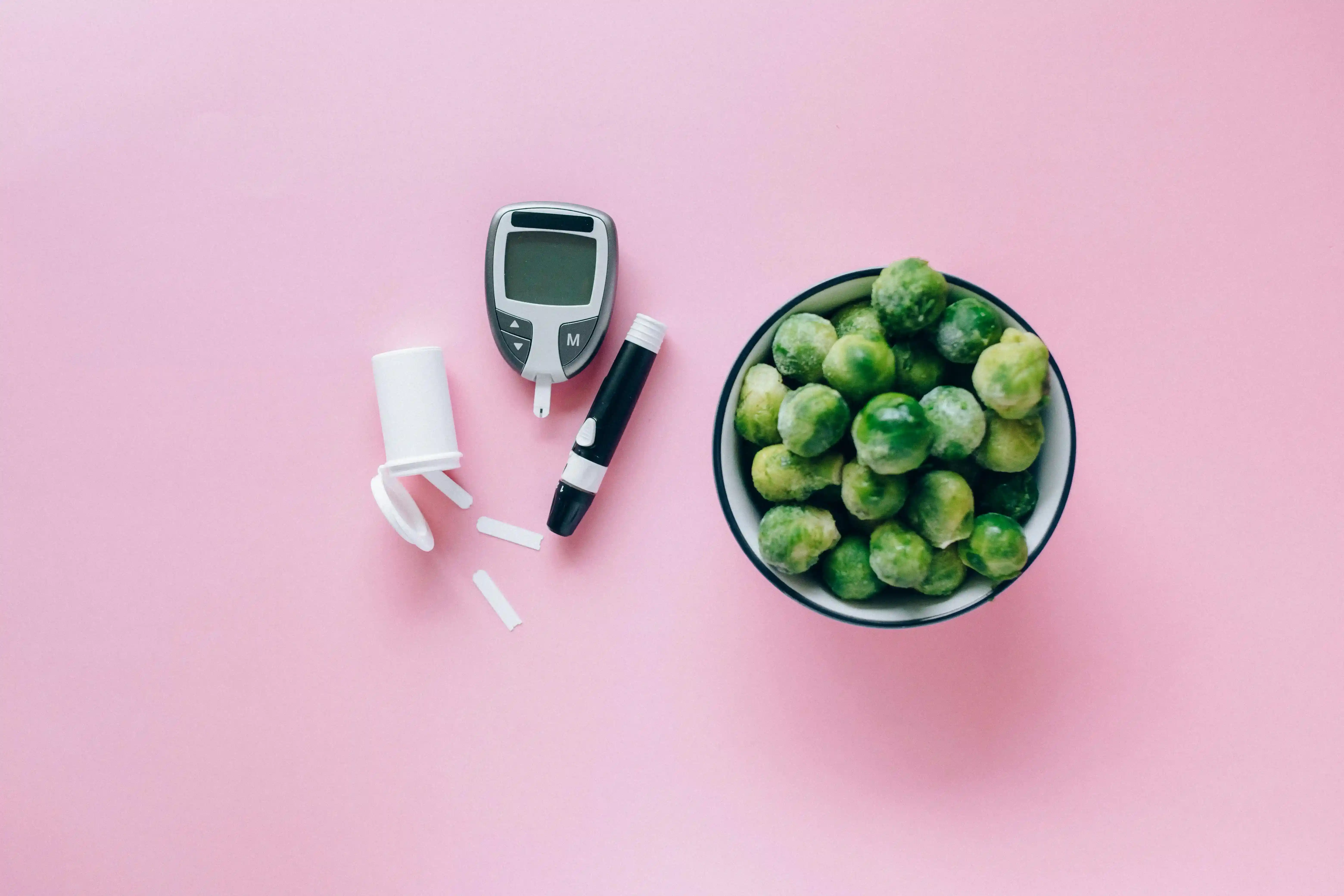
Blood Glucose Meters: Traditional finger-prick meters remain an affordable option for occasional blood sugar monitoring. They can help you understand how specific meals affect your glucose levels.
Consult Your Doctor First
Blood sugar monitoring tools are medical devices. If you don't have diabetes, discuss with your healthcare provider whether monitoring is appropriate for you and how to interpret the results.
Free 7-Day Brain Health Meal Plan
Want a ready-to-use meal plan that combines low-glycemic principles with brain-healthy foods?
Get our free 7-day Brain Health Meal Plan featuring:
- 21 low-glycemic recipes designed for cognitive health
- Shopping lists organized by category
- Prep-ahead tips to save time
- Blood sugar-friendly snack ideas
Download Your Free Meal Plan (Enter your email to receive the PDF)
Who Should Be Extra Cautious
While low-glycemic eating is generally safe, certain groups should consult their healthcare provider before making significant dietary changes:
- Seniors with diabetes on medication: Dietary changes may affect medication needs
- Those with kidney disease: Some low-GI foods (legumes, nuts) are high in potassium and phosphorus
- Underweight seniors: May need higher-calorie options that still maintain stable blood sugar
- People with digestive conditions: High-fiber, low-GI foods may need gradual introduction
- Those with eating disorder history: Restrictive approaches may trigger problematic patterns
FAQ Schema Questions
How does high blood sugar affect the aging brain? Chronically elevated blood sugar may damage small blood vessels in the brain, reduce cerebral blood flow, increase inflammation, and is associated with higher risk of cognitive decline. Research from the National Institute on Aging suggests that maintaining stable blood sugar levels may support brain health over time.
What is the best diet for brain health in seniors? The Mediterranean diet and MIND diet (Mediterranean-DASH Intervention for Neurodegenerative Delay) both emphasize low-glycemic foods, healthy fats, and antioxidant-rich produce. According to Harvard Health, these eating patterns are associated with slower cognitive aging, though individual results vary.
What foods should seniors avoid for brain health? Limit refined carbohydrates (white bread, pastries), sugary beverages, processed foods, and excess alcohol. These cause rapid blood sugar fluctuations that may affect cognitive function. The Alzheimer's Association recommends focusing on whole, minimally processed foods instead.
Can improving blood sugar reverse cognitive decline? While complete reversal isn't guaranteed, research suggests that maintaining stable blood sugar may slow progression and support cognitive function in those with early impairment. The key is consistency over time rather than quick fixes.
How do low-glycemic diets compare to low-carb diets for seniors? Low-glycemic diets offer more flexibility and sustainability. They focus on food quality rather than strict carbohydrate restriction, making them more practical for long-term adherence. The Mayo Clinic notes that very low-carb diets may not be appropriate for all seniors.
How quickly can I see benefits from a low-glycemic diet? Some people report more stable energy within 1-2 weeks. Cognitive benefits, if they occur, typically take 3-6 months of consistent eating patterns to become noticeable. Individual results vary based on many factors including overall health, genetics, and lifestyle.
Do I need to test my blood sugar to follow a low-glycemic diet? Not necessarily. While blood sugar monitoring can be helpful, especially for those with diabetes, you can follow low-glycemic principles by choosing whole foods, pairing carbs with protein/fat, and avoiding highly processed items. Consult your healthcare provider about whether monitoring is appropriate for you.
Are there any risks to a low-glycemic diet for seniors? For most seniors, a low-glycemic diet is safe and beneficial. However, those with diabetes on medication should consult their healthcare provider, as dietary changes may affect medication needs. Seniors with kidney disease should also seek guidance, as some low-GI foods are high in potassium and phosphorus.
Related Articles
- Intermittent Fasting for Brain Health After 60
- Mediterranean Diet for Seniors
- Best Omega-3 Supplements for Seniors
- MIND Diet Guide for Cognitive Health
- Anti-Inflammatory Foods for Seniors
- Blood Sugar Management Tips
- Brain Health Supplements Guide
References
- National Institute on Aging. (2024). Blood Sugar and Cognitive Health.
- Harvard T.H. Chan School of Public Health. (2024). Glycemic Index and Brain Function.
- Alzheimer's Association. (2024). Diet and Cognitive Health.
- JAMA Neurology. (2023). Blood Sugar Control and Cognitive Decline in Older Adults.
- Mayo Clinic. (2024). Low-Glycemic Diet: Benefits and Considerations.
- Centers for Disease Control and Prevention (CDC). (2024). Blood Sugar and Brain Health.
- World Health Organization (WHO). (2023). Nutrition and Cognitive Aging.
- American Diabetes Association. (2024). Glycemic Index and Diabetes Management.