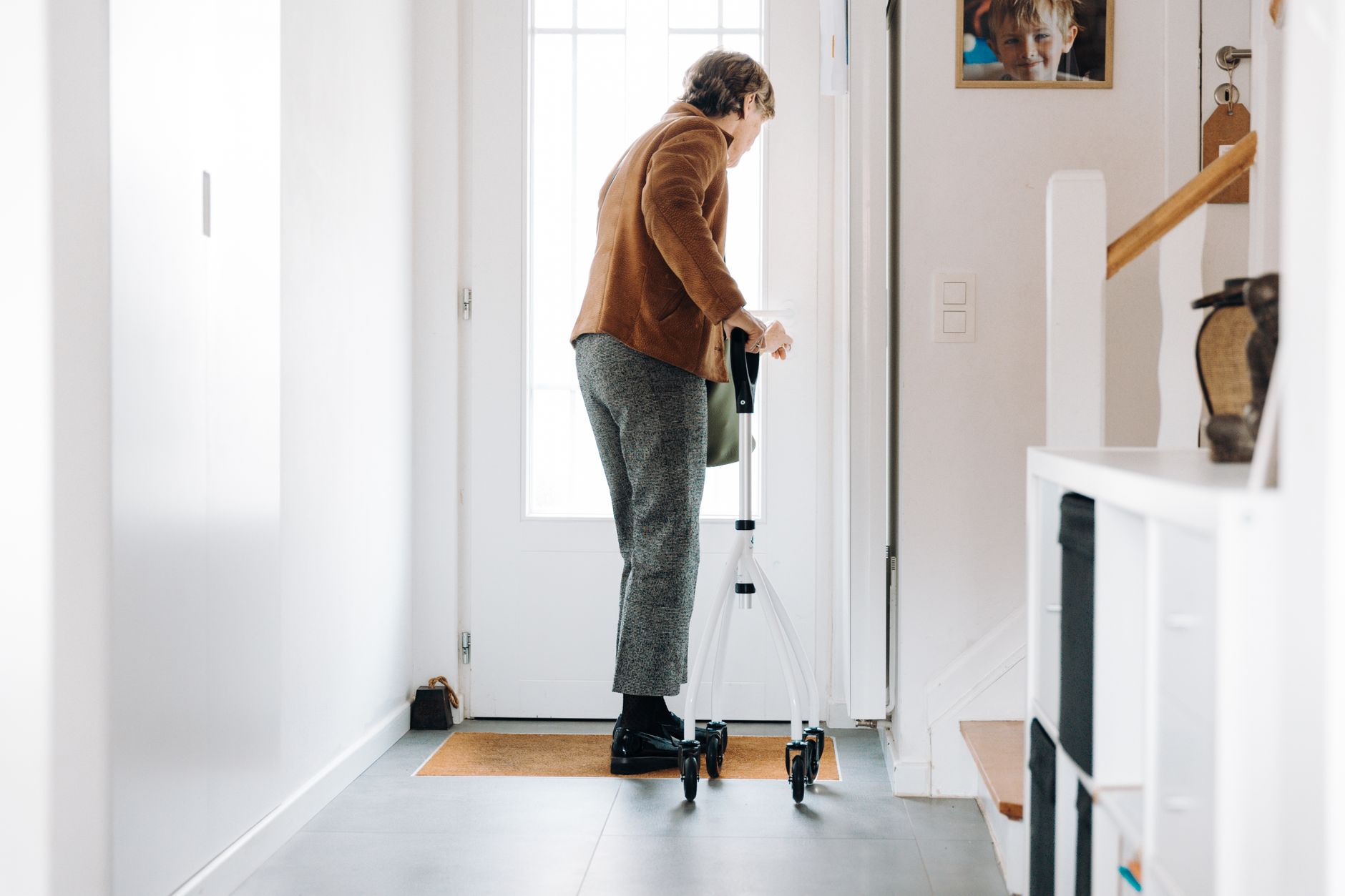
Arthritis pain has a way of showing up in the second half of the night. You fall asleep fine, then somewhere around three in the morning a hip starts throbbing, and every roll onto the other shoulder wakes you up. Often the culprit is underneath you: the mattress lets shoulders and hips sink too far out of alignment, or presses them hard against one spot for hours. A surface that cushions those pressure points while keeping the spine level gives the joint less reason to flare—and less stiffness to work loose in the morning.
Sleep and pain feed each other: broken nights lower your tolerance for pain, and achy joints keep breaking the night up. You can't treat the arthritis from the bedroom, but the surface you sleep on is one of the few variables fully in your control. This guide focuses on what actually matters for arthritic joints—pressure relief, support, firmness, temperature, and how easy the bed is to move on—and walks through six mattresses built to do those jobs differently.
How Arthritis Affects Sleep
Understanding the Connection
A mattress won't cause arthritis, but it changes how the joint feels overnight:
Common Sleep Problems with Arthritis:
- Difficulty falling asleep due to pain
- Frequent position changes
- Morning stiffness and pain
- Difficulty finding comfortable position
- Waking during the night
- Reduced sleep quality
How the Wrong Mattress Worsens Arthritis:
- Creates pressure points on joints
- Fails to support proper alignment
- Doesn't cushion sensitive areas
- Causes tossing and turning
- Increases morning stiffness
- Contributes to poor sleep quality
How the Right Mattress Helps: The right bed does the reverse. It spreads your weight across the surface instead of concentrating it on whichever hip or shoulder is pressed into the bed, keeps the spine on a neutral line, soaks up a partner's movements, and gives enough push-back that rolling over doesn't take real effort.
What to Look for in an Arthritis Mattress
Key Features for Pain Relief
These are the features where arthritis mattresses actually differ:
Pressure Relief:
- Most important feature for arthritis
- Cushions hips, shoulders, and joints
- Prevents pressure point pain
- Memory foam and latex excel
- Hybrid mattresses also good
- Look for contouring materials
Support:
- Keeps spine aligned
- Prevents sinking too deep
- Supports lower back
- Even weight distribution
- Appropriate firmness level
- Edge support for sitting
Firmness Level:
- Medium to medium-soft usually best
- Too soft: poor support
- Too firm: pressure points
- Depends on sleep position
- Body weight matters
- Personal preference counts
Temperature Regulation:
- Arthritis can cause heat sensitivity
- Look for cooling features
- Gel infusions help
- Breathable covers
- Open-cell foam
- Hybrid with coils
Motion Isolation:
- Important for couples
- Reduces disturbance
- Memory foam excellent
- Helps with position changes
- Better sleep continuity
Ease of Movement:
- Seniors need to change position
- Some foams can trap
- Hybrid or latex easier
- Responsive surface
- Important for mobility
Mattress Types for Arthritis
Comparing Your Options
Each type trades something, so choose for the way you sleep:
Memory Foam Mattresses:
- Excellent pressure relief
- Contours to body
- Good motion isolation
- Can sleep hot
- May be hard to move on
- Best for: Side sleepers, pressure point pain
Latex Mattresses:
- Good pressure relief
- More responsive than foam
- Natural cooling
- Durable
- More expensive
- Best for: Those wanting pressure relief with easier movement
Hybrid Mattresses:
- Combines foam and coils
- Good pressure relief
- Better airflow
- Easier to move on
- Good support
- Best for: Most arthritis sufferers, combination sleepers
Innerspring Mattresses:
- Good support
- Familiar feel
- Cooler sleep
- Less pressure relief
- More motion transfer
- Best for: Stomach sleepers, those preferring traditional feel
Adjustable Air Mattresses:
- Customizable firmness
- Good for varying needs
- Can adjust for flare-ups
- Expensive
- Mechanical components
- Best for: Those with changing needs
📊Mattresses for Arthritis Compared
| Mattress | Type | Firmness | Trial | Best For |
|---|---|---|---|---|
| Helix Midnight Luxe | Hybrid | Medium (5.5/10) | 100 nights | Most sleepers |
| Nectar Premier | Memory foam | Medium-firm (6.5/10) | 365 nights | Pressure relief |
| WinkBed | Hybrid | Multiple options | 120 nights | All sleep positions |
| Saatva Classic | Innerspring hybrid | Three options | 365 nights | Back pain |
| DreamCloud Original | Hybrid | Medium-firm (6.5/10) | 365 nights | Value |
| Zenhaven | Latex | Dual (medium/medium-firm) | 365 nights | Hot sleepers |
Click on any product to view full details and reviews
Top Mattresses for Arthritis Reviewed
Best Overall: Helix Midnight Luxe
Who it suits: Arthritic side and back sleepers who want their hips and shoulders cushioned, yet enough push-back to turn over without wincing on stiff mornings.
Overview:
- Type: Hybrid
- Firmness: Medium (5.5/10)
- Height: 14 inches
- Trial: 100 nights
- Warranty: 15 years
Key Features:
- Memory foam comfort layers
- Zoned lumbar support
- Pocketed coil base
- Breathable cover
- Medium firmness
- Good for most sleep positions
Performance for Arthritis:
- Excellent pressure relief
- Contours without trapping
- Supports lower back
- Easy to move on
- Good temperature regulation
- Reduces motion transfer
Pros:
- Balanced feel
- Good for side and back sleepers
- Zoned support
- Quality construction
- Good edge support
- 100-night trial
Cons:
- May be too soft for stomach sleepers
- Some off-gassing initially
- Higher price point
Best for Pressure Relief: Nectar Premier
Who it suits: Sleepers whose hip and shoulder arthritis aches hardest in the hours before dawn, and anyone who wants a full year to see how the foam settles around sore joints.
Overview:
- Type: Memory foam
- Firmness: Medium-firm (6.5/10)
- Height: 13 inches
- Trial: 365 nights
- Warranty: Lifetime
Key Features:
- Gel memory foam
- Multiple comfort layers
- Cooling cover
- High-density base
- Excellent contouring
- Forever warranty
Performance for Arthritis:
- Superior pressure relief
- Deep contouring
- Cushions joints well
- Good for side sleepers
- Excellent motion isolation
- Moderate cooling
Pros:
- Excellent pressure relief
- 365-night trial
- Lifetime warranty
- Good value
- Cooling features
- Great for side sleepers
Cons:
- Can sleep warm
- Slow response time
- Harder to move on
- Heavy mattress
Nectar Memory Foam Mattress
Medium-firm gel memory foam with 365-night trial and lifetime warranty, cradles pressure points for arthritis relief. About $699 queen.
Best Hybrid: WinkBed
Who it suits: Shoppers willing to spend more for a choice of firmness, reinforced edges, and a surface that's easy to shift positions on.
Overview:
- Type: Hybrid
- Firmness: Multiple options
- Height: 13.5 inches
- Trial: 120 nights
- Warranty: Lifetime
Key Features:
- Euro-pillow top
- Pocketed coils
- Lumbar support layer
- Multiple firmness options
- Cooling features
- Reinforced edges
Performance for Arthritis:
- Excellent support
- Good pressure relief
- Easy to move on
- Temperature neutral
- Zoned support
- Good for all positions
Pros:
- Multiple firmness options
- Excellent support
- Good cooling
- Easy movement
- Strong edge support
- Durable construction
Cons:
- Higher price
- Heavy mattress
- Some motion transfer
- May need break-in period
Tempur-Pedic TEMPUR-Adapt
Premium TEMPUR material adapts to body shape for personalized arthritis pressure relief. Around $2,499 queen.
Best for Back Pain: Saatva Classic
Who it suits: Back and stomach sleepers with arthritic joints who need a buoyant surface that makes turning and getting up easier, with delivery and setup handled for them.
Overview:
- Type: Innerspring hybrid
- Firmness: Three options
- Height: 11.5-14.5 inches
- Trial: 365 nights
- Warranty: 15 years
Key Features:
- Euro pillow top
- Dual coil system
- Lumbar zone technology
- Organic cotton cover
- Multiple height options
- White glove delivery
Performance for Arthritis:
- Excellent support
- Good for back pain
- Easy to move on
- Temperature neutral
- Good edge support
- Familiar feel
Pros:
- Multiple firmness options
- Excellent back support
- Good for combination sleepers
- Cooling design
- Free white glove delivery
- 365-night trial
Cons:
- Less contouring than foam
- Some motion transfer
- Higher price point
- May not suit side sleepers
Best Value: DreamCloud Original
Who it suits: Value shoppers who want the coil-and-foam combination without the premium price tag.
Overview:
- Type: Hybrid
- Firmness: Medium-firm (6.5/10)
- Height: 14 inches
- Trial: 365 nights
- Warranty: Lifetime
Key Features:
- Cashmere blend cover
- Memory foam layers
- Pocketed coils
- Gel infusion
- Quilted top
- Good edge support
Performance for Arthritis:
- Good pressure relief
- Balanced support
- Moderate contouring
- Good temperature regulation
- Easy to move on
- Suitable for most positions
Pros:
- Good value
- Luxury feel
- 365-night trial
- Lifetime warranty
- Good for most sleepers
- Quality materials
Cons:
- May be too firm for some
- Break-in period needed
- Some off-gassing
- Limited firmness options
Best Latex: Zenhaven
Who it suits: Hot sleepers and combination sleepers who'd rather avoid the sink of memory foam.
Overview:
- Type: Latex
- Firmness: Dual-sided (medium/medium-firm)
- Height: 10 inches
- Trial: 365 nights
- Warranty: 20 years
Key Features:
- 100% natural Talalay latex
- Flippable design
- Organic cotton cover
- Wool fire barrier
- Two firmness levels
- Eco-friendly
Performance for Arthritis:
- Good pressure relief
- Responsive surface
- Natural cooling
- Easy to move on
- Durable
- Good for combination sleepers
Pros:
- Natural materials
- Two firmness options
- Excellent cooling
- Very durable
- Responsive feel
- Good for environment
Cons:
- Expensive
- Heavy to flip
- Less contouring than foam
- Latex smell initially
Buying Guide
What to Look For
- Pressure relief — a comfort layer of memory foam, latex, or soft hybrid foam that cushions hips and shoulders without letting them sink out of line.
- Support that keeps the spine level — a responsive base, often pocketed coils, so you do not wake up stiff.
- A firmness around medium to medium-soft (4–6/10) — firm enough to support, soft enough not to press into joints.
- Ease of movement — a surface that lets you change position without fighting the bed, which matters on painful mornings.
- Cooling features — gel, graphite, or open-cell foam and a breathable cover for heat-sensitive joints.
- A trial of at least 100 nights — arthritis symptoms take weeks to respond, so you need time to judge the bed.
What to Avoid
- Very soft mattresses that let the hips and shoulders sink into misalignment
- Very firm mattresses that concentrate pressure on joints and create pressure points
- Short or unclear return policies, or restocking fees that discourage a real trial
- Heavy memory foam that makes rolling over hard work if you already have limited mobility
- Sleeping hot on dense foam with no cooling layer if you tend to overheat
- Choosing by thickness or brand instead of the comfort layer and firmness you actually need
How to Choose
Lead with your sleep position and your arthritis pattern. Side sleepers usually do best with a pressure-relieving memory foam or soft hybrid; back sleepers want a medium hybrid or latex; stomach sleepers need medium-firm to firm support. Test the firmness at home, give it four to six weeks, and pair the mattress with supportive pillows. If you also elevate your legs or head, confirm the bed works with an adjustable base.
Choosing Based on Sleep Position
Matching Mattress to Position
Your sleep position answers most of the firmness question:
Side Sleepers:
- Need: Pressure relief at hips and shoulders
- Firmness: Soft to medium
- Best types: Memory foam, soft hybrid
- Contouring important
- Prevent shoulder and hip pain
- Examples: Nectar, Helix Midnight
Back Sleepers:
- Need: Support for lower back
- Firmness: Medium to medium-firm
- Best types: Hybrid, latex
- Balance of support and cushion
- Maintain spine alignment
- Examples: WinkBed, Saatva
Stomach Sleepers:
- Need: Firm support to prevent sinking
- Firmness: Medium-firm to firm
- Best types: Innerspring, firm hybrid
- Prevent lower back strain
- Keep spine aligned
- Examples: Saatva Firm, WinkBed Firm
Combination Sleepers:
- Need: Responsive surface
- Firmness: Medium
- Best types: Hybrid, latex
- Easy to change position
- Balance of features
- Examples: WinkBed, Zenhaven
Additional Features to Consider
Beyond the Basics
A few more things worth weighing:
Adjustable Base Compatibility:
- Many arthritis sufferers benefit
- Elevate head or feet
- Reduce pressure
- Check mattress compatibility
- Some mattresses work better
- Can significantly improve comfort
Lucid L300 Adjustable Bed
Affordable adjustable base with head/foot incline and USB ports to ease pressure on arthritic hips and spine. About $799 queen frame.
Edge Support:
- Important for sitting on edge
- Makes getting in/out easier
- Expands usable surface
- Better for mobility issues
- Hybrids and innersprings excel
- Memory foam varies
Cooling Features:
- Gel infusions
- Copper or graphite
- Breathable covers
- Open-cell foam
- Coil systems
- Important for hot sleepers
Trial Period and Warranty:
- Look for at least 100 nights
- Longer trials better
- Check return policy
- Warranty length matters
- Coverage details important
- Arthritis needs time to evaluate
Tips for Better Sleep with Arthritis
Beyond the Mattress
The mattress does most of the work, but these move the needle too:
Pillow Selection:
- Support neck properly
- Side sleepers: thicker pillow
- Back sleepers: medium
- Between knees for side sleeping
- Under knees for back sleeping
- Replace every 1-2 years
Bedroom Environment:
- Cool temperature (65-68°F)
- Dark room
- Quiet or white noise
- Comfortable bedding
- Easy access to bathroom
- Night light for safety
Pre-Sleep Routine:
- Gentle stretching
- Warm bath or shower
- Heat or ice on painful joints
- Medication timing
- Relaxation techniques
- Consistent bedtime
Timing Considerations:
- Take pain medication as directed
- Time anti-inflammatories appropriately
- Consider timing of other medications
- Avoid caffeine and alcohol
- Limit fluids before bed
- Plan for bathroom trips
Key Takeaways
- The right mattress can significantly reduce arthritis pain and improve sleep quality
- Pressure relief is the most important feature for arthritis sufferers
- Medium to medium-soft firmness typically works best, depending on sleep position
- Hybrid mattresses offer good balance of pressure relief and support for most people
- Memory foam provides excellent pressure relief but may sleep hot
- Consider your sleep position when choosing firmness and type
- Look for at least a 100-night trial to properly evaluate the mattress
- Temperature regulation is important for those with heat sensitivity
- An adjustable base can provide additional comfort and pain relief
- Combine the right mattress with proper pillows and sleep environment for best results
Disclaimer: This information is for educational purposes only. Individual needs vary based on specific arthritis type, severity, and personal preferences. Consult with healthcare providers about sleep issues related to arthritis.
Frequently Asked Questions
Which mattress materials cushion arthritic joints best?
Memory foam hugs hips and shoulders most closely and takes pressure off arthritic contact points, but its slow response makes turning over effortful. Latex pushes back faster, so repositioning hurts less, and hybrids add coils for whole-body support plus a firm edge. Match the material to your worst pain point: foam for point aches, latex or hybrid when stiff joints make moving hard.
Is a softer or firmer mattress better for arthritis?
Neither extreme. A surface that is too firm presses into joints and breeds sore pressure points, while one that is too soft lets hips and shoulders sag out of alignment and deepens morning stiffness. Most arthritis sufferers land on medium to medium-soft (4-6/10), going a touch firmer for back sleeping and softer for side sleeping.
Can a mattress really help with arthritis pain?
Yes, the right mattress can significantly reduce pressure on joints, improve alignment, and minimize tossing and turning—all of which help reduce pain and improve sleep quality for arthritis sufferers.
Why do my joints feel worst in the morning, and can a mattress help with morning stiffness?
Inflammatory stiffness peaks after hours of stillness, and a mattress that lets a hip or shoulder press into one spot all night makes it worse. A surface that spreads your weight evenly and keeps the spine level removes that overnight pressure, so there is less to work loose at wake-up. Stiffness that lasts well over an hour each morning is worth raising with your doctor.
Are adjustable beds good for arthritis?
Often, yes. Raising the head lets arthritic shoulders and wrists rest unflattened, while lifting the legs takes load off an arthritic lower back and hips. A zero-gravity posture spreads weight more evenly than a flat bed, which for many pain sleepers is the difference between a 3 a.m. wake-up and a full night.
How long should I try a mattress before deciding?
Look for at least a 100-night trial. Arthritis symptoms can take time to improve, so give the mattress 4-6 weeks to fully evaluate its impact on your pain and sleep.
What else can I do to improve sleep with arthritis?
Use supportive pillows, keep your bedroom cool (65-68°F), practice gentle stretching before bed, use heating pads or ice packs on painful joints, and follow a consistent bedtime routine.
What should I avoid in a mattress if I have arthritis?
Avoid sleeping surfaces that are far too soft, which let your hips and shoulders sink out of alignment, and very firm surfaces that press into joints and create pressure points. Also steer clear of beds with short or unclear return policies, because arthritis symptoms can take several weeks to respond.
Related Articles
Sleep Products
- Best Mattresses for Seniors: Complete Guide — Back to main guide
- Memory Foam vs Hybrid Mattress: Which Is Best for Seniors?
- Best Pillows for Seniors
- Best Heated Blankets for Seniors