📌Key Takeaways
- Sensitive teeth need extra-soft bristles, a sensitive mode, and a pressure sensor
- Sonic brushes are generally gentler than oscillating brushes
- Over-brushing is the #1 cause of worsening sensitivity — use light pressure
- Replace brush heads every 3 months to avoid hard, worn bristles
- See a dentist if sensitivity persists — it may signal gum disease or cavities
Related: best electric toothbrushes for seniors
Quick Picks: Best for Sensitive Teeth
| Best For | Product | Why It Stands Out |
|---|---|---|
| 🏆 Best Overall | Philips Sonicare ProtectiveClean | Sonic technology, sensitive mode, pressure sensor |
| ⚡ Best Triple-Action | Triple Bristle Toothbrush | Three-sided cleaning, soft bristles, gentle mode |
| 💰 Best Budget | Oral-B Pro 1000 | Affordable, pressure sensor, soft brush heads |
| 🖐️ Best for Arthritis | Quip Electric Toothbrush | Easy grip, lightweight, gentle vibration |
View our top gentle toothbrush picks:
Check PriceamazonGentle Care for Sensitive Teeth
Tooth sensitivity is a common and uncomfortable problem for many seniors. That sharp, sudden pain when you eat something hot, cold, sweet, or acidic can make eating and drinking unpleasant. It can also make brushing your teeth a painful chore — which leads to skipping brushing, which makes the problem worse.
Sensitive teeth in seniors are most often caused by:
- Receding gums — exposing the softer, more sensitive root surface
- Thinning enamel — from years of brushing, acidic foods, and wear
- Gum disease — which exposes sensitive root surfaces
- Dry mouth — often a side effect of medications
- Cavities or worn fillings
The good news is that the right electric toothbrush can make brushing comfortable again while still cleaning effectively. The key is choosing a brush with soft bristles, a sensitive cleaning mode, and a pressure sensor to prevent over-brushing.
This guide compares the best electric toothbrushes for seniors with sensitive teeth, so you can clean your teeth without pain.
What to Look For in a Toothbrush for Sensitive Teeth
1. Extra-Soft Bristles (Most Important)
Soft or extra-soft bristles are essential. They clean effectively without scratching enamel or irritating receding gums. Never use medium or hard bristles — they cause more damage.
2. Sensitive or Gentle Cleaning Mode
Many electric toothbrushes have a dedicated "sensitive" or "gentle" mode that reduces the brush's speed and intensity for a more comfortable clean.
3. Pressure Sensor
A pressure sensor alerts you when you are brushing too hard. Over-brushing is the leading cause of worsening sensitivity and gum recession. The sensor helps you learn to use gentle pressure.
4. Sonic Technology
Sonic toothbrushes use high-frequency vibrations to create fluid dynamics that clean between teeth with less direct pressure. They are generally gentler than oscillating (rotating) brushes.
5. Small Brush Head
A smaller brush head can reach sensitive areas more easily and is gentler on gums.
6. Timer
A 2-minute timer ensures you brush long enough without rushing or scrubbing aggressively.
How We Evaluated
| Factor | What We Looked For |
|---|---|
| Gentleness | Extra-soft bristles, sensitive mode, reduced vibration |
| Pressure sensor | Alerts when brushing too hard |
| Cleaning effectiveness | Removes plaque without irritation |
| Ease of use | Easy-grip handle, simple controls |
| Battery life | Long-lasting, easy to charge |
| Value | Good features for the price |
How They Compare: Side-by-Side
Use this comparison table to find the gentlest electric toothbrush for your sensitive teeth.
📊Best Electric Toothbrushes for Sensitive Teeth Compared
| Brush | Best For | Technology | Sensitive Mode | Pressure Sensor | Extra-Soft Heads |
|---|---|---|---|---|---|
| Philips Sonicare ProtectiveClean | Overall | Sonic | Yes | Yes | Yes |
| Triple Bristle | Triple-Action | 3-sided oscillating | Yes | Yes | Soft |
| Oral-B Pro 1000 | Budget | Oscillating | No | Yes | Soft |
| Quip | Arthritis | Vibrating | No | No | Soft |
Click on any product to view full details and reviews
Top Picks for Sensitive Teeth
1. Best Overall: Philips Sonicare ProtectiveClean
The Philips Sonicare ProtectiveClean uses gentle sonic technology and has a dedicated sensitive mode, making it our top pick for seniors with sensitive teeth.
Why it stands out for sensitive teeth:
- Gentle sonic technology cleans with less direct pressure
- Sensitive mode reduces vibration for a gentler clean
- Pressure sensor alerts when brushing too hard
- Extra-soft brush heads available
- 2-minute timer with quadrant intervals
- Quadpacer signals when to move to the next section
Best for: Seniors with sensitive teeth who want a gentle yet effective clean.
Pros:
- Gentle sonic vibrations clean with minimal direct pressure on gums
- Dedicated sensitive mode reduces intensity for a comfortable clean
- Pressure sensor alerts before you brush too hard
- Extra-soft replacement heads are widely available
Cons:
- Higher upfront price than budget brushes
- Slim handle can feel slippery when wet

Philips Sonicare ProtectiveClean
Gentle sonic electric toothbrush with sensitive mode and pressure sensor. Extra-soft bristles available. The best choice for seniors with sensitive teeth.
2. Best Triple-Action: Triple Bristle Toothbrush
The Triple Bristle toothbrush cleans all three sides of the tooth simultaneously, so you need less time and less scrubbing — which means less irritation for sensitive teeth.
Why it stands out for sensitive teeth:
- Three-sided design cleans faster with less scrubbing
- Soft bristles gentle on gums and enamel
- Sensitive mode for a gentler clean
- Pressure sensor prevents over-brushing
- 2-minute timer ensures adequate brushing time
Best for: Seniors who want effective cleaning with minimal brushing effort and irritation.
Pros:
- Three-sided design cleans faster with less scrubbing and irritation
- Soft bristles are gentle on gums and enamel
- Sensitive mode and pressure sensor for a gentle clean
- Thick handle is easy to grip with limited hand strength
Cons:
- Replacement heads can be pricier than standard heads
- The three-sided head takes a little practice to get used to
Triple Bristle Toothbrush
3-headed electric toothbrush that cleans all sides of teeth at once. Soft bristles, sensitive mode, and pressure sensor for gentle, effective cleaning.
3. Best Budget: Oral-B Pro 1000
The Oral-B Pro 1000 offers a gentle clean with a pressure sensor at an affordable price.
Why it stands out for sensitive teeth:
- Affordable price
- Pressure sensor stops pulsation when brushing too hard
- Soft brush heads available
- 2-minute timer with quadrant alerts
- Daily clean mode that is gentle on gums
Best for: Seniors on a budget who need a gentle brush with a pressure sensor.
Pros:
- Affordable price with a built-in pressure sensor
- Soft brush heads are available for sensitive gums
- 2-minute timer with quadrant alerts
- Round brush head surrounds each tooth for thorough cleaning
Cons:
- No dedicated sensitive cleaning mode
- Oscillating head may feel intense for very sensitive gums

Oral-B Pro 1000
Affordable electric toothbrush with pressure sensor and soft brush heads. Gentle cleaning for sensitive teeth at a budget-friendly price.
4. Best for Arthritis: Quip Electric Toothbrush
The Quip toothbrush is lightweight and easy to hold, with gentle vibrating bristles that are easy on sensitive teeth.
Why it stands out for sensitive teeth:
- Gentle vibrating bristles
- Soft brush head
- Lightweight, easy-grip design for arthritic hands
- 2-minute timer with 30-second pulses
- Simple single-button operation
Best for: Seniors with arthritis and sensitive teeth who want a lightweight, easy-to-use brush.
Pros:
- Gentle vibrating bristles are easy on sensitive teeth
- Soft brush head and lightweight design
- Non-slip grip is easy to hold with arthritic hands
- Single-button operation keeps it simple
Cons:
- No pressure sensor to alert against over-brushing
- Uses replaceable AAA batteries rather than a rechargeable dock
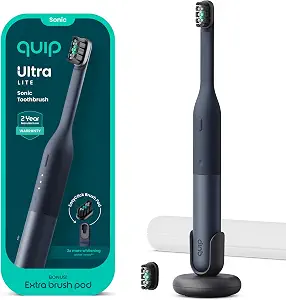
Quip Electric Toothbrush
Lightweight electric toothbrush with soft bristles and gentle vibration. Easy to hold for seniors with arthritis and gentle on sensitive teeth.
Tips for Brushing With Sensitive Teeth
📋Gentle Brushing Tips
0/10 completed- Use a soft or extra-soft bristled brush head
- Use the sensitive or gentle cleaning mode
- Apply light pressure — let the brush do the work
- Brush in small, gentle circular motions
- Use fluoride toothpaste designed for sensitive teeth
- Brush for 2 minutes, twice a day — do not rush
- Replace your brush head every 3 months
- Avoid brushing immediately after eating acidic foods
- Rinse with lukewarm (not hot or cold) water
- See your dentist if sensitivity persists or worsens
Common Mistakes That Worsen Sensitive Teeth
Many seniors unintentionally make their tooth sensitivity worse through everyday habits. Avoiding these mistakes is just as important as choosing the right brush.
- Brushing too hard — pressing harder does not clean better. It damages enamel and pushes gums back, exposing sensitive roots. Use light pressure and let the electric brush do the work.
- Using medium or hard bristles — stiff bristles scratch enamel and irritate receding gums. Always choose soft or extra-soft heads.
- Brushing right after acidic meals — acid softens enamel. Wait 30–60 minutes after eating citrus, tomatoes, or soda before brushing.
- Skipping the sensitive mode — if your brush has a sensitive setting, use it. It reduces vibration intensity for a more comfortable clean.
- Ignoring a worn brush head — old, frayed bristles become stiff and harsh. Replace the head every 3 months, or sooner if bristles look worn.
When to See a Dentist
Tooth sensitivity can sometimes signal a more serious issue. See your dentist if:
- Sensitivity persists for more than 2 weeks
- You have sharp, severe pain
- Your gums are red, swollen, or bleeding
- You have visible cavities or broken teeth
- Sensitivity is accompanied by bad breath or a bad taste in your mouth
- You have loose teeth
Your dentist can identify the cause of your sensitivity and recommend treatments such as fluoride treatments, desensitizing agents, gum treatments, or fillings.
Which Gentle Toothbrush Should You Buy?
Answer a few quick questions to find the gentlest electric toothbrush for your sensitive teeth.
Find Your Gentle Toothbrush
How severe is your tooth sensitivity?
Answer the questions below to find your recommendation
FAQ
What is the best electric toothbrush for sensitive teeth?
The best electric toothbrush for sensitive teeth has extra-soft bristles, a sensitive or gentle cleaning mode, and a pressure sensor to prevent over-brushing. The Philips Sonicare ProtectiveClean is a top choice because it uses gentle sonic technology and has a dedicated sensitive mode. The Triple Bristle toothbrush also works well with soft bristles and a gentle mode.
Can electric toothbrushes make sensitive teeth worse?
Electric toothbrushes can make sensitive teeth worse if used incorrectly (brushing too hard, using hard bristles). However, with soft bristles, a sensitive mode, and a pressure sensor, an electric toothbrush can actually be gentler than a manual brush because it removes plaque with less scrubbing.
What causes sensitive teeth in seniors?
Sensitive teeth in seniors are commonly caused by receding gums (exposing the softer root surface), thinning enamel, gum disease, worn fillings, or cavities. Dry mouth (often from medications) can also contribute. Using a soft-bristled brush and avoiding over-brushing helps protect against further sensitivity.
Are soft bristles enough for sensitive teeth?
Soft bristles are essential for sensitive teeth, but they should be combined with a sensitive cleaning mode and a pressure sensor. Extra-soft bristles are available for severe sensitivity. Using fluoride toothpaste for sensitive teeth and avoiding aggressive brushing also helps. See your dentist if sensitivity persists.
What type of electric toothbrush is gentlest — oscillating or sonic?
Sonic toothbrushes are generally gentler than oscillating (rotating) brushes for sensitive teeth. Sonic brushes use high-frequency vibrations to create fluid dynamics that clean between teeth with less direct pressure on the gums. However, both types can be gentle if they have soft bristles, a sensitive mode, and a pressure sensor.
How long does it take for sensitivity to improve?
With proper care — soft bristles, sensitive toothpaste, gentle brushing — sensitivity may improve within 2-4 weeks. If sensitivity does not improve or worsens, see your dentist to rule out underlying issues like cavities, gum disease, or exposed roots.
Related Articles
- Best Electric Toothbrushes for Seniors — Complete guide to electric toothbrushes for seniors
- Arthritis in Seniors — Managing joint pain that affects brushing
- Medication Management Tips for Seniors — Many medications cause dry mouth, which worsens sensitivity
- Best Incontinence Underwear for Seniors — More senior care guides
References
- American Dental Association (ADA) — Oral health recommendations
- Centers for Disease Control and Prevention (CDC) — Oral health for older adults
- American Academy of Periodontology — Gum disease and sensitivity
- National Institute on Aging — Dental health for seniors
Disclaimer: This article contains affiliate links. When you click on these links and make a purchase, we may earn a small commission at no extra cost to you. Product prices and availability are accurate as of the date published and are subject to change. This information is for educational purposes only and does not constitute medical advice. Consult your dentist for personalized oral health advice, especially if you have persistent tooth sensitivity.