Stretching Before Walking
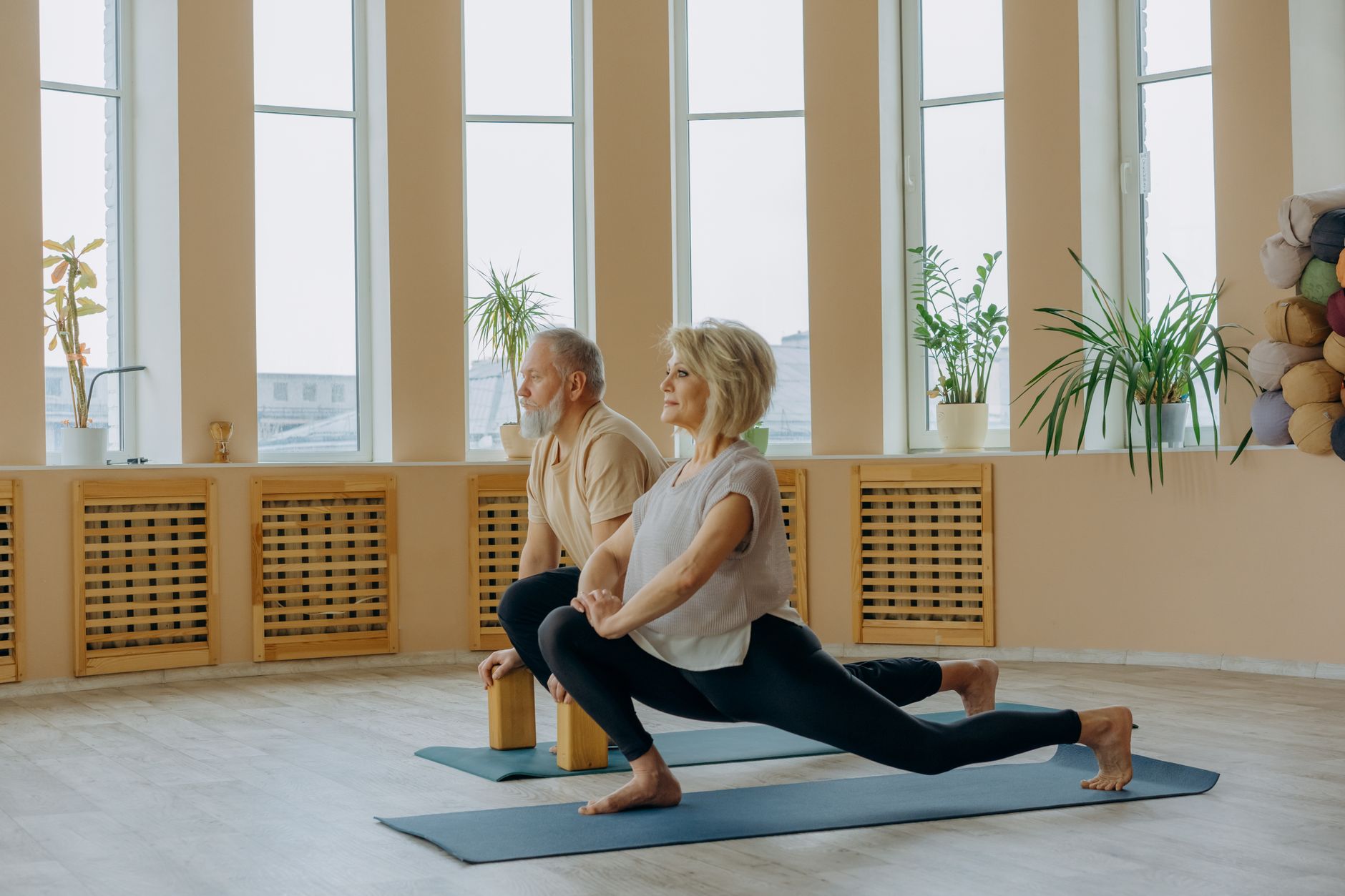
Preparing your body before walking is essential for seniors who want to walk safely, comfortably, and effectively. Pre-walk stretching helps warm up muscles, improve flexibility, reduce injury risk, and enhance overall walking performance. Taking just a few minutes to stretch before your walk can make a significant difference in how you feel during and after your activity.
According to the American Heart Association, proper warm-up and stretching before walking can improve performance, reduce injury risk, and make walking more enjoyable, especially for seniors.
Quick Answer
Yes, you should stretch before walking! Aim for 3-5 minutes of gentle stretching before leisure walks and 5-10 minutes before longer fitness walks. Focus on ankle pumps, calf stretches, leg swings, and arm movements to warm up muscles and improve mobility. Never bounce—stretch slowly and deliberately within your comfortable range.
Who Is This For?
This guide is specifically designed for:
- Seniors who walk regularly and want to stay safe
- Older adults recovering from injury or surgery
- Individuals with joint pain or stiffness
- Caregivers supporting loved ones' walking routines
- Seniors with balance concerns
- Anyone wanting to enhance their walking experience
Why Stretch Before Walking?
Injury Prevention
Reduced injury risk:
- Warms up muscles gradually
- Increases blood flow
- Improves joint lubrication
- Enhances flexibility
- Prepares body for movement
Common walking injuries prevented:
- Muscle strains
- Joint sprains
- Tendonitis
- Shin splints
- Lower back pain
Performance Enhancement
Better walking experience:
- Improved gait mechanics
- Enhanced endurance
- Reduced fatigue
- Better posture
- More efficient movement
Performance benefits:
- Longer walking duration
- Faster walking speed
- Better distance capability
- Enhanced comfort
- Increased enjoyment
Comfort Improvement
Reduced discomfort:
- Less muscle stiffness
- Improved joint mobility
- Better circulation
- Enhanced flexibility
- Reduced pain
Comfort benefits:
- More enjoyable walks
- Better recovery
- Reduced soreness
- Enhanced mobility
- Greater satisfaction
Essential Pre-Walk Stretches
Lower Body Stretches
Calf raises and stretches:
- Stand holding support
- Rise onto toes
- Hold briefly
- Lower back down
- 10-15 repetitions
Leg swings:
- Stand holding support
- Swing one leg forward and back
- Keep movements controlled
- 10-15 swings each leg
Hip circles:
- Stand holding support
- Make circles with one leg
- 5-10 circles each direction
- Repeat with other leg
Ankle pumps:
- Stand or sit
- Point toes down
- Pull toes up
- 10-15 repetitions each foot
Upper Body Stretches
Arm circles:
- Stand with feet shoulder-width apart
- Make small circles with arms
- Gradually increase size
- 10-15 circles each direction
Shoulder rolls:
- Lift shoulders toward ears
- Roll shoulders back
- Roll shoulders down
- 10-15 repetitions
Torso twists:
- Stand with feet apart
- Gently twist torso side to side
- Keep movements controlled
- 10-15 repetitions each side
Full Body Warm-Up
Marching in place:
- Stand with feet shoulder-width apart
- Lift knees alternately
- Swing arms naturally
- Continue for 1-2 minutes
Heel-to-toe rocks:
- Stand with feet apart
- Rock forward onto toes
- Rock back onto heels
- 10-15 repetitions
Pre-Walk Stretching Routine
Quick Routine (3-5 minutes)
Essential stretches:
- Ankle pumps (30 seconds)
- Calf raises (30 seconds)
- Leg swings (30 seconds each leg)
- Arm circles (30 seconds)
- Marching in place (1-2 minutes)
Benefits:
- Quick and efficient
- Covers major muscle groups
- Prepares body for walking
- Reduces injury risk
- Enhances performance
Extended Routine (5-10 minutes)
Comprehensive stretches:
- Ankle pumps (30 seconds)
- Calf raises (30 seconds)
- Leg swings (30 seconds each leg)
- Hip circles (30 seconds each leg)
- Arm circles (30 seconds each direction)
- Shoulder rolls (30 seconds)
- Torso twists (30 seconds each side)
- Marching in place (2-3 minutes)
Benefits:
- More thorough preparation
- Greater flexibility
- Enhanced performance
- Reduced injury risk
- Better comfort
Creating Your Pre-Walk Routine
Daily Preparation
Before every walk (3-5 minutes):
- Quick warm-up
- Essential stretches
- Focus on lower body
- Include upper body
- Prepare mentally
Weekly Focus
Monday (basic routine):
- Quick warm-up
- Essential stretches
- Focus on comfort
- Prepare for walk
- Enjoy the activity
Tuesday (extended routine):
- Extended warm-up
- Comprehensive stretches
- Focus on flexibility
- Prepare for longer walk
- Enhance performance
Wednesday (basic routine):
- Quick warm-up
- Essential stretches
- Focus on comfort
- Prepare for walk
- Enjoy the activity
Thursday (extended routine):
- Extended warm-up
- Comprehensive stretches
- Focus on flexibility
- Prepare for longer walk
- Enhance performance
Friday (basic routine):
- Quick warm-up
- Essential stretches
- Focus on comfort
- Prepare for walk
- Enjoy the activity
Saturday (extended routine):
- Extended warm-up
- Comprehensive stretches
- Focus on flexibility
- Prepare for longer walk
- Enhance performance
Sunday (rest or light activity):
- Very light warm-up if walking
- Gentle stretching
- Focus on relaxation
- Enjoy light activity
- Prepare for week ahead
Proper Stretching Technique
Before Stretching
Preparation:
- Wear comfortable clothing
- Choose appropriate footwear
- Find safe space
- Have water available
- Allow time for routine
Mental preparation:
- Focus on intention
- Visualize successful walk
- Set positive mindset
- Prepare for enjoyment
- Commit to routine
During Stretching
Technique guidelines:
- Move slowly and deliberately
- Never bounce
- Hold stretches 10-15 seconds
- Breathe regularly
- Work within comfortable range
Safety tips:
- Use support if needed
- Maintain balance
- Listen to body
- Stop if pain occurs
- Modify as needed
After Stretching
Transition to walking:
- Start walking slowly
- Gradually increase pace
- Maintain good posture
- Focus on comfort
- Enjoy the activity
Special Considerations
For Different Walking Types
Before leisure walking:
- Quick warm-up (3-5 min)
- Essential stretches
- Focus on comfort
- Prepare for enjoyment
- Take time to relax
Before fitness walking:
- Extended warm-up (5-10 min)
- Comprehensive stretches
- Focus on performance
- Prepare for intensity
- Enhance endurance
Before power walking:
- Extended warm-up (10-15 min)
- Comprehensive stretches
- Focus on intensity
- Prepare for speed
- Maximize performance
For Different Conditions
Arthritis:
- Gentle movements
- Work within comfortable range
- Use heat if helpful
- Avoid deep stretches
- Consult doctor
Joint issues:
- Focus on surrounding muscles
- Avoid direct joint pressure
- Modify as needed
- Use support if needed
- Listen to body
Balance concerns:
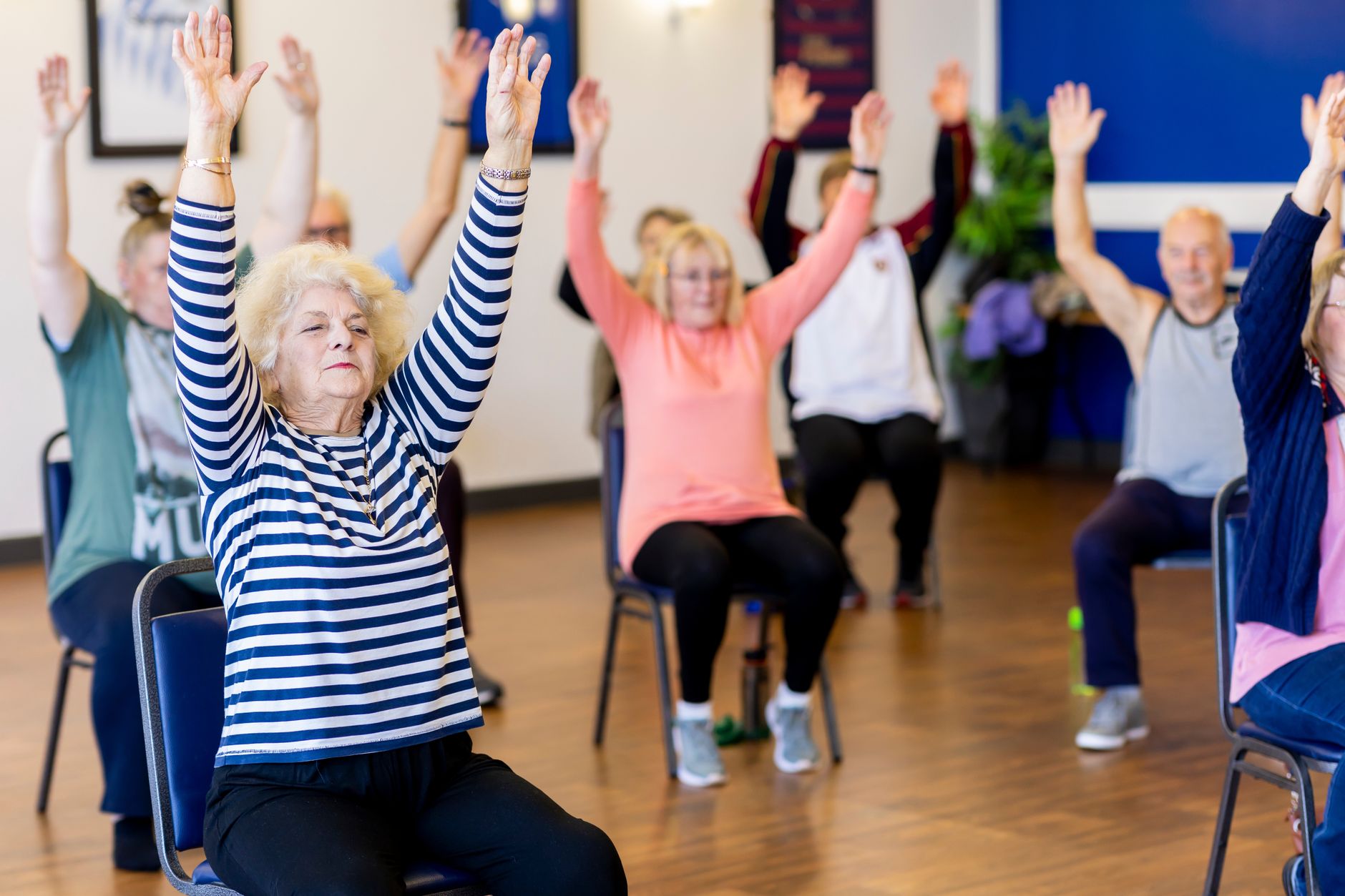
- Use seated stretches
- Hold onto support
- Focus on safety
- Modify as needed
- Build gradually
Weekly Pre-Walk Stretching Plan
| Day | Duration | Focus | Key Activities |
|---|---|---|---|
| Monday | 3-5 min | Quick Warm-Up | Ankle pumps, calf raises, arm circles |
| Tuesday | 5-10 min | Extended | Full routine including hip circles |
| Wednesday | 3-5 min | Quick Warm-Up | Focus on comfort and preparation |
| Thursday | 5-10 min | Extended | Comprehensive stretching routine |
| Friday | 3-5 min | Quick Warm-Up | Gentle preparation for weekend |
| Saturday | 5-10 min | Extended | Full routine before longer walk |
| Sunday | 2-3 min or rest | Light | Very gentle stretching if walking |
Risks and Safety Considerations
Common Risks
- Overstretching: Pushing beyond comfortable range
- Bouncing: Ballistic stretching can cause injury
- Poor posture: Incorrect form during stretches
- Balance challenges: Stretching without proper support
- Ignoring pain: Continuing through discomfort
Safety Guidelines
- Move slowly: Stretch deliberately, no bouncing
- Use support: Hold onto a chair or wall if needed
- Breathe regularly: Don't hold your breath
- Stay within comfort zone: Mild tension is normal, pain is not
- Wear proper footwear: Supportive shoes for standing stretches
- Have water available: Stay hydrated during warm-up
- Know your limits: Don't push beyond what feels safe
- Modify as needed: Adapt stretches for your abilities
When to Contact a Healthcare Professional
Contact your healthcare provider if you:
- Experience persistent pain during or after stretching
- Have difficulty balancing during pre-walk stretches
- Notice swelling or inflammation in joints
- Have a history of muscle or tendon injuries
- Are recovering from surgery or injury
- Need personalized guidance for specific conditions
- Have questions about safe stretching techniques
- Want recommendations for your fitness level
Quick Reference Checklist
Pre-Walk Stretching Checklist
- Wear supportive footwear
- Find safe space with support nearby
- Start with ankle pumps (10-15 reps)
- Do calf raises (10-15 reps)
- Perform leg swings (10-15 each leg)
- Do arm circles (10-15 each direction)
- Include shoulder rolls (10-15 reps)
- March in place (1-2 minutes)
- Breathe regularly throughout
- Start walking slowly after stretching
FAQ
Q: How long should I stretch before walking? A: Aim for 3-5 minutes before leisure walks, 5-10 minutes before fitness walks. Even 2-3 minutes provides benefits.
Q: What if I don't have time to stretch before walking? A: Even 1-2 minutes of basic stretching (ankle pumps, arm circles) is better than none.
Q: Can stretching before walking prevent injuries? A: Yes, it significantly reduces injury risk by warming muscles and improving flexibility.
Q: Should I stretch before every walk? A: Ideally yes—consistency maximizes benefits and reduces injury risk.
Q: What if I feel pain while stretching? A: Stop immediately. Mild tension is normal, but pain means you're pushing too hard.
Q: Can I stretch before walking if I have balance issues? A: Yes, use seated stretches or hold onto support. Safety is priority.
Q: What stretches are best for pre-walk? A: Focus on lower body (ankles, calves, hips) and upper body (shoulders, arms).
Q: Should I warm up before stretching? A: Yes, start with light movement like marching in place before static stretches.
Key Takeaways
- Pre-walk stretching enhances safety before every walk
- Reduces injury risk significantly by warming muscles
- Improves walking performance and endurance
- Increases comfort and enjoyment during walks
- Should be done before every walk for maximum benefit
- 3-5 minutes for leisure walks, 5-10 minutes for fitness walks
- Move slowly and deliberately—never bounce or force stretches
- Listen to your body—stop if you feel pain
- Use support if needed for balance and stability
- Consistency is key to maximizing benefits
Related Articles
- Stretching After Exercise
- How Can I Walk Longer Without Getting Tired?
- What Exercises Help Stiff Joints?
- Stretching and Fall Prevention
- Walking for Seniors Benefits
- Chair Exercises for Seniors
- Balance Exercises for Seniors
- Indoor Walking Exercises for Seniors
Medically Reviewed Sources
- American Heart Association. (2024). Walking and Physical Activity. Heart.org
- National Institute on Aging. (2024). Exercise and Physical Activity. NIA.nih.gov
- American College of Sports Medicine. (2024). Warm-Up and Stretching Guidelines. ACSM.org
- Mayo Clinic. (2024). Exercise Tips for Older Adults. MayoClinic.org
- Centers for Disease Control and Prevention. (2024). Physical Activity for Older Adults. CDC.gov
- Journal of Geriatric Physical Therapy. (2023). Pre-Exercise Stretching for Seniors.
Disclaimer: This information is for educational purposes only. Before starting any exercise program, consult your healthcare provider, especially if you have medical conditions or concerns.