Retirement often brings something many people don't expect.
More free time.
Fewer conversations.
For decades, daily life naturally created opportunities to connect with others. There were coworkers to chat with, neighbors to greet, and regular routines that kept people engaged with their communities. After retirement, those interactions can gradually become less frequent.
Many older adults discover that staying socially connected requires more intention than it once did.
This is one reason team sports have become increasingly popular among seniors. While activities such as walking football, pickleball, bowling, and community softball certainly provide physical exercise, many participants say the greatest benefit isn't improved fitness.
It's friendship.
It's belonging.
And it's having something to look forward to each week.
According to a landmark 2026 New York Times analysis of longevity experts, social connection is the second most important predictor of healthy aging—surpassed only by not smoking. The research found that loneliness increases the risk of premature death by 45%—a figure comparable to smoking 15 cigarettes per day.
The NYT article emphasizes that the "right tribe"—a small group of people who share common activities and values—is essential for longevity. Team sports are one of the most accessible ways to build this kind of social connection.
If you're interested in trying a team sport, our guide to walking football for seniors provides a great starting point.
Why Social Connection Matters as We Age
Healthy aging is often discussed in terms of nutrition, exercise, sleep, and medical care. Those factors are important, but social well-being deserves equal attention.
The National Institute on Aging reports that social isolation among older adults is associated with a 50% increased risk of dementia, a 29% increased risk of heart disease, and a 32% increased risk of stroke.
A 2021 study published in JAMA Psychiatry found that loneliness can increase the risk of premature death by 26%—similar to the risk associated with obesity. The 2026 NYT longevity analysis went even further, reporting that chronic loneliness is as harmful as smoking 15 cigarettes per day and is associated with a 45% increase in all-cause mortality.
Social connection doesn't mean having dozens of friends. In many cases, a small circle of meaningful relationships can make a significant difference. The NYT article references Blue Zones research showing that people who live in the world's longest-living cultures share one common trait: they have strong social networks that are built into their daily lives.
The challenge is that building and maintaining those relationships becomes harder after retirement.
Without a workplace or school environment creating regular interactions, many people find their social circles gradually shrinking. The CDC estimates that nearly 1 in 3 adults aged 65 and older feel socially isolated.
Key takeaway: Team sports don't just provide exercise—they provide the "right tribe" that longevity experts say is essential for a long, healthy life. Even one group activity per week provides 80% of the social health benefits, according to the NYT analysis.
What Makes Team Sports Different?
Many forms of exercise are beneficial, but team sports offer something unique.
When you walk alone, you may improve your cardiovascular health.
When you exercise at home, you may build strength.
When you participate in a team activity, you gain those benefits while also interacting with other people.
Shared experiences create natural opportunities for conversation. You celebrate small successes together, laugh about mistakes, encourage one another, and gradually become familiar faces in each other's lives.
Unlike formal social events, sports provide a built-in purpose. There's no pressure to make conversation for its own sake because the activity itself creates connection.
Over time, those casual interactions often grow into genuine friendships.
The Unexpected Benefits Beyond Fitness
Many seniors join a walking football group or community sports league because they want to become more active.
What often surprises them is how quickly the social benefits begin to matter.
Regular participation can create structure during the week. Instead of wondering how to fill the day, there's a scheduled activity waiting.
There is also a sense of accountability. Teammates notice when someone is absent. They ask how you're doing. They check in after an illness or surgery.
These simple gestures may seem small, but they help create a feeling of belonging that many retirees miss. Several studies have found that older adults participating in group-based physical activities report lower levels of loneliness and greater social wellbeing compared to those who exercise alone. Research published in peer-reviewed journals including the American Journal of Public Health and Journal of Aging and Health has consistently linked team participation to improved social connection and reduced feelings of isolation.
For some people, the friendships developed through sports eventually extend beyond the field. Groups meet for coffee after games, celebrate birthdays, organize lunches, or simply stay in touch between sessions.
The sport becomes the starting point, not the entire relationship.
Why Shared Activities Build Stronger Relationships
Team sports create connections that often feel more meaningful than casual social interactions. This isn't just anecdotal—there's psychological science behind why group activities foster stronger bonds.
Shared Goals Create Common Purpose
When a group of people works toward a shared objective, they develop a sense of unity. Whether it's scoring a goal, winning a game, or simply improving together, shared goals create mutual investment in each other's success.
Social psychologists refer to this as interdependence—the understanding that each person's effort contributes to the group's outcome. This mutual reliance builds trust and cooperation over time.
Repeated Interaction Deepens Connections
Friendships require time to develop. Team sports naturally create opportunities for repeated, low-pressure interactions. Showing up week after week, celebrating small wins, and overcoming challenges together builds familiarity and comfort.
Research in social psychology shows that repeated exposure to someone (the mere exposure effect) increases liking and trust. This is why many senior sports participants describe their teammates as "like family" after months of regular interaction.
Mutual Support Strengthens Bonds
Team sports create natural opportunities for encouragement and support. When someone makes a mistake, teammates offer reassurance. When someone achieves success, the group celebrates together.
This pattern of support creates reciprocal altruism—the understanding that help given will be returned. Over time, these small acts of kindness build strong emotional connections.
Identity and Belonging
Being part of a team provides a sense of identity. Phrases like "We're the walking football team" or "I play soccer on Wednesdays" give people something to identify with and be proud of.
The National Institute on Aging notes that having a clear social identity is particularly important for older adults, as it helps maintain a sense of purpose and self-worth.
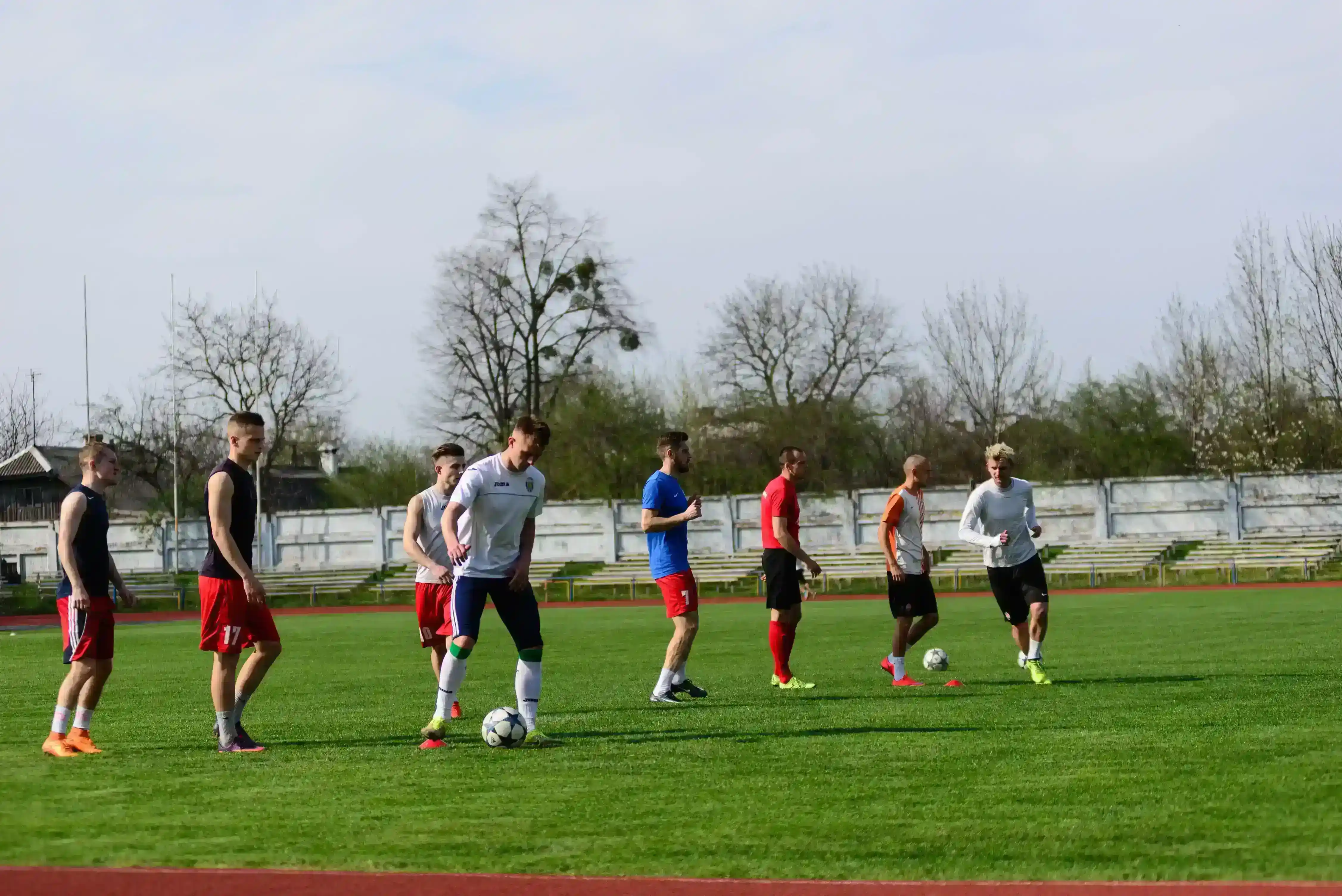
Why Walking Football Has Become So Popular
Walking football has grown rapidly in many countries because it addresses common concerns older adults have about sports.
Traditional soccer can feel intimidating. Running, physical contact, and the risk of injury discourage many people from participating.
Walking football changes the rules.
Players walk instead of run.
Physical contact is limited.
The pace is slower and more accessible.
As a result, participants can enjoy teamwork, strategy, movement, and social interaction without many of the barriers associated with traditional sports.
For many seniors, the welcoming atmosphere becomes just as important as the exercise itself. If you're concerned about safety, our guide to soccer safety for seniors addresses common concerns.
A Sense of Purpose Is Good for Well-Being
One of the less discussed challenges of retirement is the loss of routine.
Work often provides structure, goals, and a reason to engage with others.
After retirement, some people struggle to replace that sense of purpose.
Team activities can help.
Preparing for a weekly game, improving a skill, supporting teammates, and working toward shared goals all contribute to a sense of meaning.
These goals don't have to be competitive. In fact, many senior sports groups focus more on participation and enjoyment than winning.
Simply showing up consistently and being part of a community can create a renewed sense of purpose.---
Team Sports vs. Exercising Alone
Many older adults wonder whether team sports are worth the effort compared to solo exercise. Both have benefits, but they serve different purposes.
| Factor | Team Sports | Solo Exercise |
|---|---|---|
| Social Connection | High - built-in interaction | Low - minimal social contact |
| Accountability | High - teammates expect you | Low - self-motivation required |
| Motivation | High - shared goals and fun | Variable - depends on self-discipline |
| Loneliness Reduction | High - regular social engagement | Limited - no social component |
| Cognitive Stimulation | High - strategy, communication | Low - repetitive movement |
| Structured Routine | High - set schedule | Variable - self-directed |
| Skill Development | Moderate - team strategy focus | High - individual improvement |
| Flexibility | Low - fixed times/locations | High - anytime, anywhere |
The Harvard T.H. Chan School of Public Health emphasizes that combining physical activity with social interaction offers unique benefits that solo exercise cannot match.
What If You're Naturally Shy?
Many older adults hesitate to join group activities because they worry they won't fit in.
This concern is extremely common.
The good news is that most senior sports groups regularly welcome newcomers. Many participants remember how nervous they felt during their first session and are often eager to help new members feel comfortable.
You don't need to be outgoing.
You don't need athletic experience.
And you certainly don't need to be the best player.
Often, the only requirement is a willingness to try.
Most friendships develop gradually through repeated interactions rather than instant connections.
If you're looking for other social activities beyond sports, our guide to social activities for elderly alone offers additional ideas.
Small Ways to Get More from the Experience
If you're considering joining a team sport, a few simple habits can help strengthen the social benefits:
- Arrive a few minutes early and introduce yourself.
- Learn one or two new names each week.
- Stay after the session for conversation when possible.
- Participate in occasional social gatherings organized by the group.
- Focus on encouragement rather than performance.
These small actions often lead to stronger relationships over time.
The Benefits Extend Beyond the Playing Field
One reason researchers continue to study social engagement and healthy aging is that the effects often extend into many areas of life.
Older adults who feel connected to others may be more likely to stay active, maintain healthy habits, and remain involved in their communities.
Regular social interaction can also provide emotional support during difficult periods such as illness, caregiving responsibilities, or major life transitions.
While no activity can eliminate loneliness entirely, meaningful social connections can make challenges easier to navigate.
Finding the Right Activity
The best team sport is the one you'll genuinely enjoy.
For some people, that's walking football.
Others may prefer pickleball, lawn bowls, softball, volleyball, or community fitness groups.
The specific activity matters less than the consistency of participation.
Look for programs that:
- Welcome beginners
- Emphasize enjoyment over competition
- Have regular meeting times
- Encourage social interaction
- Prioritize safety and inclusion
A supportive environment is often more important than the sport itself.
Final Thoughts
Exercise is an important part of healthy aging, but physical health is only one piece of the picture.
Friendship, connection, and community matter too.
Team sports offer a rare opportunity to support both physical and emotional well-being at the same time. They create reasons to leave the house, opportunities to meet new people, and moments of shared enjoyment that can enrich everyday life.
Many seniors initially join for the exercise.
What keeps them coming back is often the feeling that they belong somewhere.
And sometimes, that sense of belonging becomes one of the most valuable benefits of all.
Frequently Asked Questions
Do I need to be athletic to join a team sport?
No athletic experience is required. Most senior sports groups focus on participation and enjoyment rather than skill level. Many participants have never played organized sports before.
What if I'm shy or introverted?
Most groups are welcoming to newcomers. Friendships develop gradually through repeated interactions, not instant connections. You can participate at your own comfort level.
How often should I participate?
Consistency matters more than frequency. Many people find that attending one or two sessions per week is enough to build meaningful connections.
What if I have health concerns?
Most senior sports programs, like walking football, are low-impact and adaptable. Always consult your healthcare provider before starting a new activity. Learn more about exercise safety for seniors.
Can team sports help with loneliness?
Yes. Research shows that group activities can significantly reduce feelings of loneliness. Multiple peer-reviewed studies have found that older adults who participate in team-based activities report lower levels of isolation and greater social connection compared to those who exercise alone.
What if I don't like competitive sports?
Many senior sports groups emphasize participation over competition. Activities like walking football, pickleball, and community bowling often focus on fun and social connection.
How do I find a team sport near me?
Check local community centers, YMCAs, senior centers, and recreation departments. Online platforms and social media groups can also help connect you with local programs.
Is there a cost involved?
Costs vary. Some community programs are free or low-cost, while others may have small membership fees. Equipment costs are typically minimal.
Can team sports improve mental health?
Yes. Research from the National Institute on Aging shows that social connection through group activities can reduce symptoms of anxiety and depression, improve mood, and enhance overall psychological well-being.
Are team sports better than group fitness classes?
Both offer benefits, but team sports often provide deeper social connections because of shared goals and repeated interaction. Group fitness classes are great for structured exercise, while team sports excel at building community and belonging.
What if I live alone?
Team sports can be especially valuable for people who live alone. They provide a regular social outlet and help build a support network. Many participants report that their teammates become like family over time.
Can online communities provide similar benefits?
Online communities can help, but in-person interactions offer greater emotional connection. The CDC notes that face-to-face social interaction is particularly effective for reducing loneliness and improving well-being.
References
-
Patel, R. (2026, July 28). 9 Things Experts Wish You'd Do in Midlife to Increase Longevity. The New York Times. NYTimes.com
-
National Institute on Aging. (2023). "Social Isolation and Loneliness in Older Adults." https://www.nia.nih.gov/health/social-isolation-and-loneliness-older-adults
-
Centers for Disease Control and Prevention. (2023). "Healthy Aging and Social Connectedness." https://www.cdc.gov/aging/socialconnection.html
-
JAMA Psychiatry. (2021). "Association Between Loneliness and Mortality." https://jamanetwork.com/journals/jamapsychiatry/article-abstract/2782233
-
American Journal of Public Health. (2022). "Team Sports and Social Wellbeing in Older Adults." https://ajph.aphapublications.org/
-
Harvard T.H. Chan School of Public Health. (2023). "Social Connection and Health." https://www.hsph.harvard.edu/news/hsph-in-the-news/social-connection-health/
-
World Health Organization. (2023). "Healthy Ageing Framework." https://www.who.int/health-topics/ageing
-
Buettner, D. (2012). The Blue Zones: Lessons for Living Longer From the People Who've Lived the Longest. National Geographic Society.
-
Holt-Lunstad, J., et al. (2010). "Social Relationships and Mortality Risk." PLOS Medicine, 7(7), e1000316. DOI
Related Articles
- Walking Football for Seniors - Getting started with this accessible team sport
- Can Older Adults Play Soccer Safely - Safety guidelines and precautions
- Soccer and Brain Health - Cognitive benefits of soccer
- Soccer for Healthy Aging - Comprehensive benefits overview
- Social Activities for Elderly Alone - Additional social engagement ideas
- Low-Impact Exercises for Seniors - Gentle exercise options
- Balance Exercises for Seniors - Improving stability
- Senior Fitness Program - Complete guide to exercise for older adults
- Exercise - All fitness and activity articles
Disclaimer: This article is intended for educational purposes only and should not be considered medical advice. Consult a qualified healthcare professional regarding your individual health needs.