Indoor Walking Exercises for Seniors
Indoor walking exercises provide seniors with a safe, convenient, and weather-proof way to maintain fitness, mobility, and independence. Whether due to extreme weather, safety concerns, or personal preference, indoor walking offers numerous benefits without the challenges of outdoor conditions. With proper planning and variety, indoor walking can be just as effective as outdoor walking.
According to the National Institute on Aging, indoor walking is an excellent option for seniors to maintain physical activity levels, with significant benefits for cardiovascular health, mobility, and overall well-being.
Quick Answer
Yes, indoor walking is an excellent exercise option for seniors. It provides weather-proof convenience, safe surfaces, and can be just as effective as outdoor walking. Aim for 150 minutes of moderate indoor walking weekly, starting with short sessions and building gradually. Use proper form, create a safe space, and add variety to keep it engaging.
Who Is This For?
This guide is specifically designed for:
- Seniors looking for weather-proof exercise options
- Older adults with mobility or balance concerns
- Individuals who prefer exercising at home
- People living in areas with extreme weather conditions
- Caregivers seeking safe exercise options for loved ones
- Seniors recovering from injury or surgery
Benefits of Indoor Walking
Weather Independence
All-weather accessibility:
- Exercise regardless of weather
- Consistent routine maintenance
- No weather-related cancellations
- Year-round fitness
- Reliable activity schedule
Comfort advantages:
- Temperature control
- Protection from elements
- Comfortable environment
- Consistent conditions
- Enhanced comfort
Safety Benefits
Reduced fall risk:
- Even surfaces
- No ice or snow
- No uneven terrain
- Controlled environment
- Enhanced safety
Environmental safety:
- No traffic concerns
- No obstacles
- Good lighting
- Controlled space
- Reduced hazards
Convenience Factors
Time efficiency:
- No travel time
- Flexible scheduling
- Easy access
- Quick start
- Efficient use of time
Accessibility:
- No transportation needed
- Available anytime
- Private environment
- Comfortable setting
- Personal control
Essential Indoor Walking Spaces
Home Options
Living room walking:
- Clear furniture
- Create walking path
- Use space efficiently
- Maintain safety
- Enjoy comfort
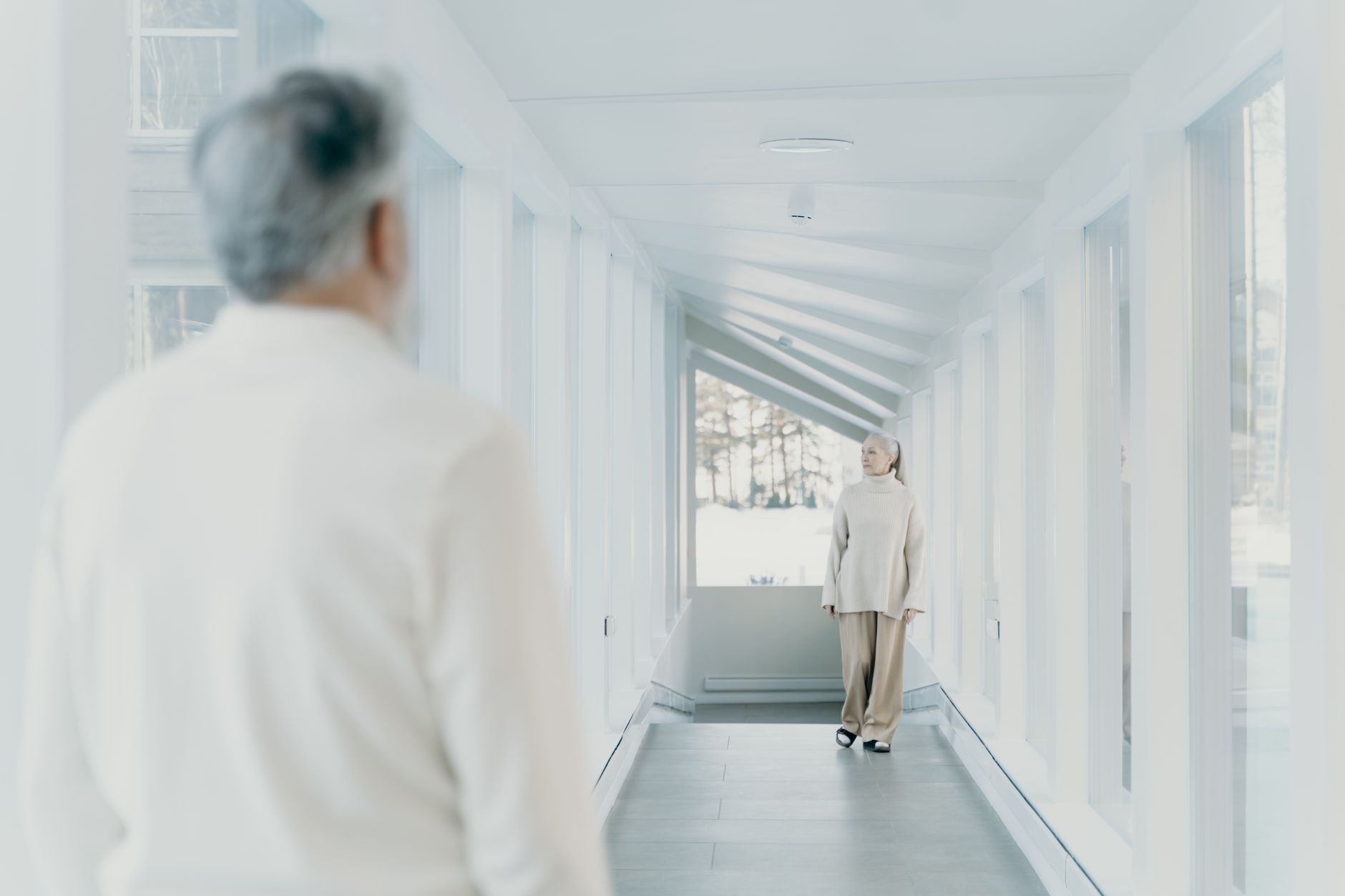
Hallway walking:
- Straight path
- Consistent surface
- Good for back-and-forth
- Easy to monitor
- Simple setup
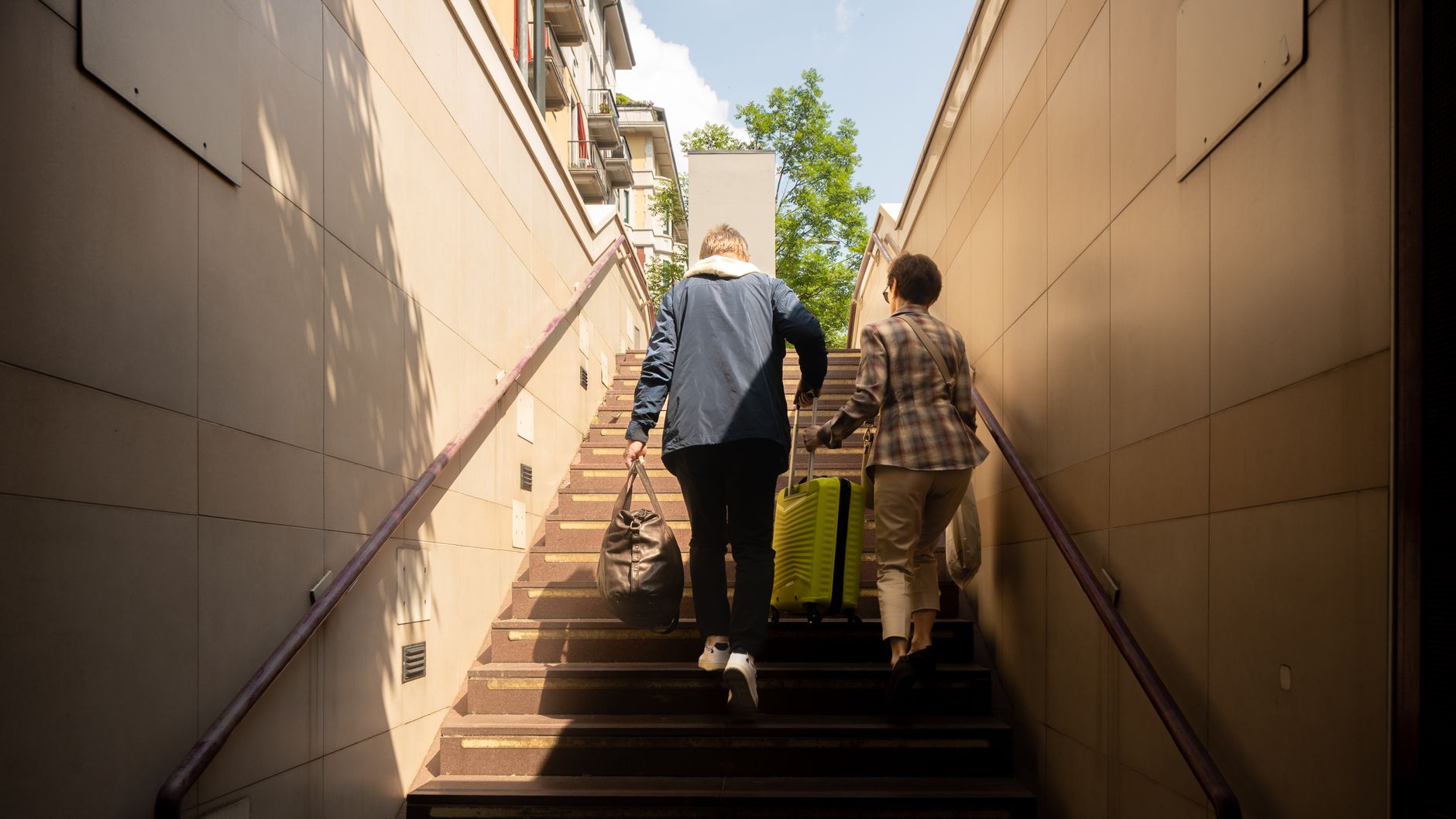
Stair walking:
- Excellent cardio
- Strength building
- Balance challenge
- Use handrail
- Safety first
Community Options
Mall walking:
- Climate controlled
- Safe environment
- Social opportunities
- Long distances
- Accessible facilities
Community center walking:
- Dedicated space
- Group classes
- Social engagement
- Professional guidance
- Structured programs
Gym walking:
- Treadmill options
- Track walking
- Variety of equipment
- Professional support
- Consistent conditions
Specialized Options
Treadmill walking:
- Controlled speed
- Incline options
- Consistent surface
- Safety features
- Customizable workouts
Indoor track walking:
- Long distances
- Consistent surface
- Weather-proof
- Community atmosphere
- Motivating environment
Indoor Walking Exercises
Basic Walking
Straight line walking:
- Walk back and forth
- Maintain steady pace
- Focus on form
- Count laps or time
- Build gradually
Pattern walking:
- Walk in patterns
- Figure eights
- Circles
- Squares
- Variety and interest
Direction changes:
- Walk forward
- Walk backward (carefully)
- Walk sideways
- Turn smoothly
- Challenge balance
Enhanced Walking
Arm variations:
- Swing arms naturally
- Add arm movements
- Use light weights
- Vary arm positions
- Upper body engagement
Pace variations:
- Slow walking
- Moderate pace
- Fast walking
- Interval walking
- Variety and challenge
Step variations:
- Regular steps
- Longer steps
- Shorter steps
- Side steps
- Heel-to-toe steps
Walking with Purpose
Functional walking:
- Walk with purpose
- Carry items
- Simulate daily tasks
- Practice real-life movements
- Enhance function
Walking with obstacles:
- Navigate around objects
- Step over items
- Walk on different surfaces
- Challenge coordination
- Improve function
Creating Your Indoor Walking Routine
Daily Routine
Morning walk (10-15 minutes):
- Gentle pace
- Focus on waking up
- Prepare for day
- Enhance alertness
- Start positively
Midday break (5-10 minutes):
- Energy boost
- Break up sitting
- Refresh mind
- Maintain activity
- Enhance productivity
Evening walk (15-20 minutes):
- Moderate pace
- Wind down
- Reflect on day
- Promote relaxation
- End positively
Weekly Plan
Monday (basic focus):
- 20-30 minutes total
- Straight line walking
- Focus on form
- Build consistency
- Enjoy the activity
Tuesday (variety focus):
- 25-35 minutes total
- Pattern walking
- Direction changes
- Challenge coordination
- Add interest
Wednesday (intensity focus):
- 25-35 minutes total
- Interval walking
- Pace variations
- Challenge fitness
- Build endurance
Thursday (variety focus):
- 25-35 minutes total
- Arm variations
- Step variations
- Upper body engagement
- Full body workout
Friday (functional focus):
- 25-35 minutes total
- Walking with purpose
- Functional movements
- Daily task simulation
- Enhance function
Saturday (comprehensive):
- 30-45 minutes total
- All exercise types
- Extended session
- Challenge yourself
- Enjoy variety
Sunday (light or rest):
- 15-20 minutes or rest
- Very light walking
- Focus on relaxation
- Gentle movements
- Prepare for week
Proper Indoor Walking Technique
Walking Form
Posture guidelines:
- Stand tall
- Keep head up
- Relax shoulders
- Engage core
- Look forward
Foot placement:
- Land on heel
- Roll through foot
- Push off toes
- Maintain rhythm
- Smooth transitions
Arm movement:
- Swing arms naturally
- Opposite arm and leg
- Keep elbows bent
- Maintain rhythm
- Enhance momentum
Safety Considerations
Space preparation:
- Clear walking path
- Remove obstacles
- Ensure good lighting
- Check surfaces
- Create safe environment
Turn safety:
- Turn slowly
- Use support if needed
- Maintain balance
- Watch for obstacles
- Stay controlled
Pacing guidelines:
- Start slowly
- Build gradually
- Monitor comfort
- Listen to body
- Adjust as needed
Modifications and Adaptations
For Limited Space
Space-efficient options:
- Back-and-forth walking
- Pattern walking
- Marching in place
- Step exercises
- Creative use of space
Small space techniques:
- Use hallways
- Walk in circles
- Combine movements
- Maximize available space
- Be creative
For Limited Mobility
Gentle modifications:
- Shorter sessions
- Slower pace
- Use support
- Focus on comfort
- Build gradually
Support options:
- Walking aids
- Wall support
- Chair support
- Companion assistance
- Professional guidance
For Balance Concerns
Balance-friendly modifications:
- Use support
- Focus on stability
- Walk near walls
- Use walking aids
- Build gradually
Safe approach:
- Support surfaces
- Companion assistance
- Professional guidance
- Medical consultation
- Gradual progression
Special Considerations
For Different Conditions
Arthritis:
- Gentle movements
- Work within comfortable range
- Use support if needed
- Modify as needed
- Consult doctor
Heart conditions:
- Monitor intensity
- Use perceived exertion
- Consult healthcare provider
- Start gently
- Build gradually
Respiratory issues:
- Monitor breathing
- Start slowly
- Build gradually
- Consult healthcare provider
- Adjust as needed
For Different Goals
Weight management:
- Longer duration
- Moderate intensity
- Regular frequency
- Consistent practice
- Combine with diet
Cardiovascular health:
- Moderate intensity
- Regular frequency
- Build gradually
- Monitor heart rate
- Consult healthcare provider
Mobility maintenance:
- Regular practice
- Focus on form
- Variety of movements
- Consistent routine
- Enjoy the activity
Weekly Indoor Walking Plan
| Day | Duration | Focus | Key Activities |
|---|---|---|---|
| Monday | 20-30 min | Basic | Straight line walking, focus on form |
| Tuesday | 25-35 min | Variety | Pattern walking, direction changes |
| Wednesday | 25-35 min | Intensity | Interval walking, pace variations |
| Thursday | 25-35 min | Full Body | Arm variations, step variations |
| Friday | 25-35 min | Functional | Walking with purpose, daily tasks |
| Saturday | 30-45 min | Comprehensive | All exercise types, extended session |
| Sunday | 15-20 min or rest | Recovery | Light walking or rest |
Risks and Safety Considerations
Common Risks
- Tripping hazards: Clutter or uneven surfaces
- Fatigue: Overexertion without proper pacing
- Dehydration: Not drinking enough water
- Muscle strain: Incorrect form or overdoing it
- Boredom: Lack of variety leading to inconsistency
Safety Guidelines
- Clear walking space: Remove obstacles and clutter
- Ensure good lighting: Bright, even illumination
- Use supportive footwear: Non-slip shoes or socks
- Stay hydrated: Drink water before and after
- Start slowly: Begin with shorter sessions
- Maintain proper form: Stand tall, engage core
- Take breaks: Rest when needed
- Have support nearby: Keep a chair or walker handy
When to Contact a Healthcare Professional
Contact your healthcare provider if you:
- Experience persistent pain during or after walking
- Feel dizzy or lightheaded during exercise
- Notice swelling or inflammation in joints
- Have difficulty breathing during walking
- Experience chest pain or heart palpitations
- Fall or have near-falls during indoor walking
- Have questions about specific exercises for your condition
- Want personalized guidance for your fitness level
Quick Reference Checklist
Indoor Walking Preparation Checklist
- Clear walking path of obstacles
- Ensure good lighting in the area
- Wear supportive, non-slip footwear
- Have water bottle nearby
- Prepare music or audiobook (optional)
- Wear comfortable clothing
- Have support surface nearby (chair/wall)
- Plan walking duration and route
- Warm up with 5 minutes of gentle movement
- Set timer if tracking time
FAQ
Q: How effective is indoor walking compared to outdoor walking? A: Indoor walking can be just as effective for cardiovascular health, mobility, and fitness. Consistency and proper form are key.
Q: How much indoor walking should seniors do? A: Aim for 150 minutes of moderate walking weekly, or 20-30 minutes daily. Start shorter and build gradually.
Q: What if I don't have much indoor space? A: Use back-and-forth walking, pattern walking, marching in place, or hallway walking. Small spaces work well!
Q: Can indoor walking help with weight management? A: Yes, indoor walking combined with proper diet supports weight management. Aim for 150-300 minutes weekly.
Q: Is treadmill walking better than floor walking? A: Both have benefits. Treadmill offers control; floor walking offers variety. Choose based on preference.
Q: How can I make indoor walking more interesting? A: Add music, podcasts, pace variations, direction changes, or walk in different rooms.
Q: Is indoor walking safe for seniors with balance issues? A: Yes, use support (chair, wall), move slowly, and focus on stability. Consult your healthcare provider first.
Q: Can I walk indoors if I have joint pain? A: Yes, indoor walking on smooth surfaces is gentle on joints. Start slow and modify as needed.
Key Takeaways
- Indoor walking is highly effective for seniors' health and fitness
- Weather-proof and convenient - exercise regardless of conditions
- Safe and accessible with even surfaces and controlled environment
- Can be done in small spaces - hallway, living room, or any available area
- Offers numerous health benefits - cardiovascular, mobility, and mental well-being
- Should be done regularly - consistency is key to results
- Variety keeps it interesting - change pace, direction, and movements
- Safety is essential - clear space, good lighting, proper footwear
- Modify as needed - adapt to your abilities and comfort level
- Enjoy the process - make indoor walking a positive experience
Related Articles
- Walking for Seniors Benefits
- How to Improve Walking Speed
- Stretching Before Walking
- How Can I Walk Longer Without Getting Tired?
- Walking for Seniors with Neuropathy
- Chair Exercises for Seniors
- Balance Exercises for Seniors
- Fall Prevention Strategies for Seniors
Medically Reviewed Sources
- National Institute on Aging. (2024). Exercise and Physical Activity. NIA.nih.gov
- American Heart Association. (2024). Walking and Physical Activity. Heart.org
- American College of Sports Medicine. (2024). Indoor Walking Guidelines. ACSM.org
- Mayo Clinic. (2024). Exercise Tips for Older Adults. MayoClinic.org
- Centers for Disease Control and Prevention. (2024). Physical Activity for Older Adults. CDC.gov
- Journal of Geriatric Physical Therapy. (2023). Indoor Walking Programs for Seniors.
Disclaimer: This information is for educational purposes only. Before starting any exercise program, consult your healthcare provider, especially if you have medical conditions or concerns.