Best Grab Bars for Bathrooms
The bathroom is one of the most dangerous rooms in the home for seniors, with wet surfaces and slippery floors creating significant fall risks. Grab bars provide essential support and stability, helping older adults maintain independence while navigating the bathroom safely. Properly installed grab bars can prevent serious injuries and provide peace of mind for both seniors and their families.
According to the Centers for Disease Control and Prevention, falls are the leading cause of injury among older adults, and the bathroom is particularly hazardous due to wet surfaces and limited space. Grab bars are a simple yet effective solution to reduce this risk.
Why Bathroom Grab Bars Are Essential
Bathroom grab bars serve multiple critical functions beyond simple fall prevention. They provide stability during transfers, support when standing from sitting positions, and confidence for seniors who may feel unsteady on wet surfaces. The National Institute on Aging emphasizes that bathroom modifications, including grab bars, are essential for aging in place safely.
Key Benefits
- Fall prevention: Primary safety benefit
- Independence: Helps seniors maintain autonomy
- Confidence: Reduces fear of falling
- Versatility: Useful for various bathroom activities
Types of Grab Bars
Grab bars come in different styles to suit various needs and installation requirements.
Wall-Mounted Grab Bars
- Permanent installation: Screwed into wall studs
- Maximum stability: Most secure option
- Various lengths: 12-48 inches typically
- Weight capacity: Usually 250-500 pounds
Suction Cup Grab Bars
- Temporary installation: No drilling required
- Portable: Can be moved as needed
- Easy installation: Simple to apply and remove
- Lower weight capacity: Usually 200-300 pounds
Clamp-On Grab Bars
- Tub-mounted: Attaches to bathtub wall
- Shower-mounted: Fits onto shower walls
- Adjustable: Can be repositioned
- No drilling: Alternative to permanent installation
Floor-to-Ceiling Grab Bars
- Tension-mounted: Uses pressure to stay in place
- Full-length support: Extends from floor to ceiling
- Portable: Can be moved between locations
- High weight capacity: Often 300+ pounds
Material Options
The material of grab bars affects durability, appearance, and maintenance.
Stainless Steel
- Most durable: Resists rust and corrosion
- Professional appearance: Sleek, modern look
- Easy to clean: Simple to maintain
- Higher cost: Premium pricing
Aluminum
- Lightweight: Easy to handle and install
- Corrosion-resistant: Good for humid environments
- Affordable: Budget-friendly option
- May dent: Less durable than steel
Plastic-Coated
- Comfortable grip: Warmer to touch
- Slip-resistant: Better grip when wet
- Various colors: Can match bathroom decor
- Less durable: May show wear over time
Brass or Chrome
- Decorative options: Attractive finishes
- Durable: Long-lasting with proper care
- Higher cost: Premium pricing
- Requires maintenance: May need polishing
Key Features to Consider
When selecting grab bars, certain features determine safety, comfort, and functionality.
Grip Surface
- Textured surface: Prevents slipping when wet
- Knurled finish: Enhanced grip security
- Diameter size: 1.25-1.5 inches optimal for most hands
- Comfortable temperature: Doesn't feel too cold
Weight Capacity
- Standard capacity: 250-300 pounds
- Heavy-duty: 400-500 pounds
- Bariatric options: 500+ pounds
- Safety margin: Choose capacity above user's weight
Installation Features
- Stud mounting: Most secure installation
- Concealed screws: Cleaner appearance
- Easy-grip ends: Comfortable to hold
- **Flange design: Secure wall attachment
Optimal Placement
Proper placement is crucial for grab bar effectiveness and safety.
Near Toilet
- Horizontal bar: 12-18 inches from floor
- Vertical bar: Beside toilet for standing assistance
- L-shaped bar: Combines horizontal and vertical support
- Distance: 6-8 inches from toilet center
In Shower
- Vertical bars: For entering and exiting shower
- Horizontal bars: For stability while showering
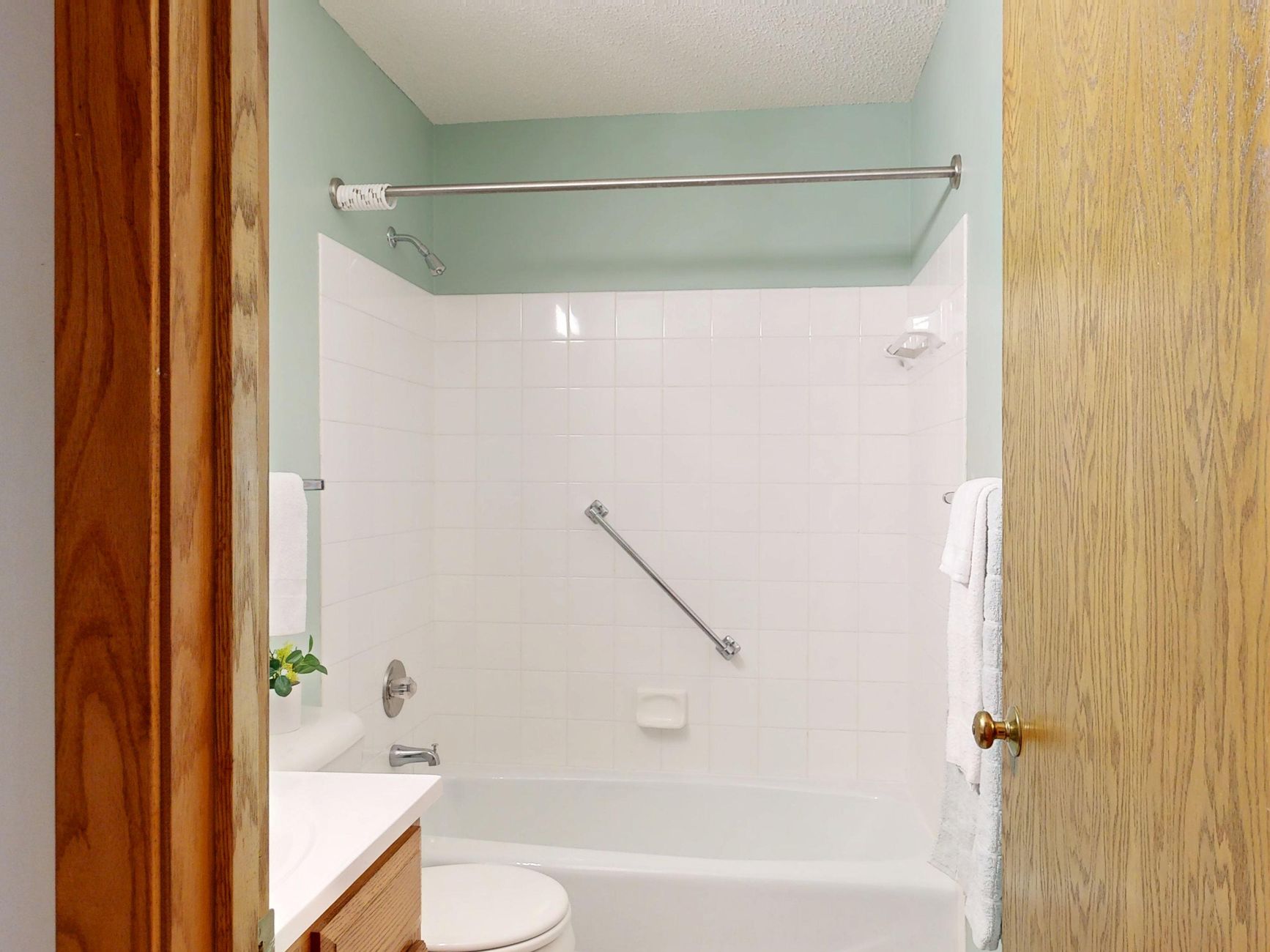
- Diagonal bars: For various support angles
- Height: 33-36 inches from shower floor
Around Bathtub
- Wall-mounted: Along bathtub wall
- Clamp-on: For tub edge support
- Floor-to-ceiling: For full support
- **Placement: Consider user's height and reach
Top Grab Bars for Bathrooms
1. Moen Home Care Grab Bar
- Best for: Overall quality and reliability
- Material: Stainless steel
- Length options: 12, 16, 24, 32, 42 inches
- Weight capacity: 500 pounds
- Pros: Excellent quality, sturdy construction, lifetime warranty
- Cons: Higher price point, requires professional installation
2. Delta Faucet Grab Bar
- Best for: Design and functionality
- Material: Stainless steel with grip
- Length options: 12, 18, 24, 32, 42 inches
- Weight capacity: 500 pounds
- **Pros: Attractive design, excellent grip, reliable performance
- Cons: Expensive, installation complexity
3. HealthCraft SuperPole
- Best for: Floor-to-ceiling support
- Material: Steel with powder coating
- Height: Adjustable 7-9 feet
- Weight capacity: 300 pounds
- Pros: No drilling required, portable, excellent stability
- Cons: Requires ceiling height, limited placement options
4. Drive Medical Suction Cup Grab Bar
- Best for: Temporary or rental situations
- Material: Plastic with suction cups
- Length: 12 and 16 inches
- Weight capacity: 250 pounds
- Pros: No installation, portable, affordable
- Cons: Lower weight capacity, less secure than mounted bars
5. Medical King Clamp-On Tub Rail
- Best for: Bathtub support
- Material: Steel with powder coating
- Height: Adjustable 16.5-20 inches
- Weight capacity: 300 pounds
- Pros: No drilling, easy installation, good stability
- Cons: Only works on certain tub styles, limited placement
Installation Guide
Proper installation is critical for grab bar safety and effectiveness.
Wall-Mounted Installation
- Locate studs: Use stud finder for secure mounting
- Mark placement: Position bar at optimal height
- Drill pilot holes: Prepare for screw installation
- Attach bar: Secure with appropriate screws
- Test stability: Ensure firm, secure installation
Suction Cup Installation
- Clean surface: Remove dirt and debris
- Moisten cups: Helps create better seal
- Position bar: Place at desired location
- Press firmly: Secure suction cups
- Test regularly: Check suction daily
Safety Considerations
- Professional installation: Recommended for wall-mounted bars
- Regular inspection: Check for looseness or damage
- Weight testing: Ensure proper installation
- Follow instructions: Adhere to manufacturer guidelines
Safety Tips
Proper usage and maintenance ensure grab bar effectiveness.
Usage Guidelines
- Test before use: Ensure stability before putting weight on bar
- Use both hands: When possible, use two bars for support
- Don't hang items: Bars are for support, not storage
- Report issues: Address any problems immediately
Maintenance Requirements
- Regular cleaning: Keep bars clean and dry
- Tighten screws: Check and tighten periodically
- Inspect for damage: Look for cracks or wear
- Test stability: Ensure bars remain secure
When to Replace
- Visible damage: Cracks, bends, or corrosion
- Loose installation: Bar no longer secure
- **Weight capacity exceeded: If user's weight increases
- Age-related wear: Older bars may need replacement
Cost Considerations
Grab bars vary in price based on type, material, and installation requirements.
Price Range
- Basic suction cup bars: $20-$40
- Standard wall-mounted bars: $30-$80
- Premium wall-mounted bars: $80-$150
- Floor-to-ceiling poles: $150-$300+
Installation Costs
- DIY installation: Cost of bar only
- Professional installation: $100-$300+ depending on complexity
- Multiple bars: May receive discount for multiple installations
- Accessibility modifications: May qualify for tax deductions
Value Considerations
- Safety investment: Prevents costly injuries
- Independence value: Maintains quality of life
- Home value: Bathroom modifications increase resale value
- Insurance coverage: May be covered with prescription
FAQs
Are grab bars necessary if I don't have balance problems? Grab bars are beneficial for all seniors, even those without current balance issues. They provide insurance against future mobility changes and can help anyone navigate wet bathroom surfaces safely.
Can grab bars be installed in any bathroom? Most bathrooms can accommodate grab bars, though installation methods vary. Wall-mounted bars require structural support, while suction cup or clamp-on options work in almost any bathroom.
How many grab bars do I need in my bathroom? The number depends on bathroom size and user needs. Typically, at least one near the toilet and one in the shower or bathtub area are recommended. Multiple bars provide comprehensive support.
Do grab bars look institutional and unattractive? Modern grab bars come in attractive designs and finishes that complement bathroom decor. Many are sleek and stylish, not institutional-looking.
Can I install grab bars myself, or do I need a professional? While some grab bars can be installed DIY, wall-mounted bars require proper installation into studs for safety. Professional installation is recommended for optimal security.
Are suction cup grab bars safe enough for daily use? Suction cup grab bars can be safe for temporary use or supplemental support, but wall-mounted bars are more secure for permanent, daily use. Always check suction cup bars before each use.
What weight capacity should I look for in grab bars? Choose grab bars with a weight capacity well above your body weight—typically 250-500 pounds. This ensures safety margin and accounts for dynamic forces during use.
Will grab bars damage my bathroom walls or tiles? Professional installation minimizes damage, and some grab bars are designed to work with existing tile. Suction cup and clamp-on options don't require drilling or wall modification.
Related Articles
- Best Shower Chairs
- Best Bed Rails for Seniors
- Best Stair Lifts for Seniors
- Best Walkers for Seniors With Balance Problems
- Fall Prevention Tips for Seniors
References
- Centers for Disease Control and Prevention. (2024). Bathroom Safety for Older Adults.
- National Institute on Aging. (2024). Home Modification for Aging in Place.
- American Geriatrics Society. (2024). Bathroom Safety Recommendations.
- Mayo Clinic. (2024). Fall Prevention: Bathroom Safety.