Best Canes for Seniors With Weak Legs
Weak legs can make walking challenging, but the right cane can provide the support needed to maintain independence and mobility. For seniors experiencing leg weakness due to age, injury, or medical conditions, choosing the appropriate cane is essential for safety and comfort.
According to the National Institute on Aging, using a cane properly can reduce stress on weak legs by up to 25%, helping seniors stay active and independent longer.
Understanding Leg Weakness in Seniors
Common Causes
Leg weakness in older adults can result from various factors:
- Age-related muscle loss (sarcopenia)
- Arthritis in knees or hips
- Previous stroke or neurological conditions
- Peripheral neuropathy
- Recovery from surgery
- Chronic conditions like diabetes
How a Cane Helps
A cane provides several benefits for those with weak legs:
- Reduces weight bearing on the affected leg
- Improves balance and stability
- Increases confidence while walking
- Helps maintain proper posture
- Decreases fatigue during walking
Types of Canes for Weak Legs
Single-Point Canes
Standard canes with one tip offer basic support and are best for mild weakness or balance issues.
Pros:
- Lightweight and easy to maneuver
- Works well on stairs
- Less conspicuous
- Affordable
Cons:
- Provides less stability than other options
- Requires good hand strength
- Not ideal for significant weakness
Quad Canes (Four-Point Canes)
Quad canes have four tips at the base, providing a wider base of support.
Pros:
- Excellent stability
- Can stand on its own
- Good for significant weakness
- Available in wide or narrow base
Cons:
- Heavier than single-point canes
- Can be awkward on stairs
- May require adjustment period
Offset Canes
Offset canes have a bent handle that centers the user's weight over the shaft.
Pros:
- Better weight distribution
- Comfortable for extended use
- Good for those needing more support
- Ergonomic handle options
Cons:
- Single point provides less stability than quad
- May not be enough for severe weakness
Ergonomic Handle Canes
Canes with specially designed handles reduce hand and wrist strain.
Pros:
- Reduces joint pain in hands
- Comfortable for arthritis sufferers
- Better grip security
- Various styles available
Cons:
- Often more expensive
- May take time to adjust to the grip
Top Canes for Seniors With Weak Legs
1. Hugo Mobility Quad Cane
This quad cane offers excellent stability for those with significant leg weakness.
Key Features:
- Wide or narrow base options
- Adjustable height (28-37 inches)
- Push-button adjustment mechanism
- Comfortable vinyl grip
- 300-pound weight capacity
Best For: Seniors who need maximum stability and support.
2. Drive Medical Single Point Cane
A reliable single-point cane with ergonomic design for comfortable daily use.
Key Features:
- Ergonomic handle design
- Adjustable aluminum shaft
- Lightweight (under 1 pound)
- Non-slip rubber tip
- Available in multiple colors
Best For: Seniors with mild to moderate weakness who prefer a traditional cane.
3. Carex Soft Grip Cane
Features a comfortable grip and sturdy construction for everyday use.
Key Features:
- Soft, cushioned grip
- Push-button height adjustment
- Sturdy aluminum construction
- Slip-resistant rubber tip
- 250-pound weight capacity
Best For: Seniors who experience hand discomfort with standard canes.
4. Medline Quad Cane
A budget-friendly quad option that doesn't sacrifice quality.
Key Features:
- Wide or narrow base options
- Tool-free height adjustment
- Comfortable foam grip
- Non-slip rubber feet
- Supports up to 300 pounds
Best For: Budget-conscious seniors needing quad cane stability.
5. Nova Designer Quad Cane
Combines functionality with attractive design for style-conscious users.
Key Features:
- Attractive patterns and colors
- Quad base for stability
- Ergonomic handle
- Adjustable height
- Lightweight aluminum frame
Best For: Seniors who want a stylish yet functional mobility aid.
Choosing the Right Cane
Assessing Your Needs
Consider these factors when selecting a cane:
- Severity of Weakness: More severe weakness may require a quad cane
- Hand Strength: Choose a handle that's comfortable to grip
- Living Environment: Consider stairs, narrow hallways, and doorways
- Weight Capacity: Ensure the cane can support your weight
- Lifestyle: Active seniors may prefer lighter options
Proper Sizing
A properly fitted cane is essential for effectiveness:
- Stand with arms relaxed at your sides
- The cane handle should be at wrist level
- Your elbow should bend 15-20 degrees when holding the cane
- Most canes adjust between 28-37 inches
Using Your Cane Correctly
Basic Technique:
- Hold the cane in the hand opposite your weak leg
- Move the cane forward with your weak leg
- Step through with your strong leg
- Keep the cane close to your body for stability
On Stairs:
- Going up: Step up with your strong leg first, then bring the cane and weak leg
- Going down: Place the cane down first, then step down with your weak leg
Common Mistakes to Avoid
- Using the cane on the wrong side: Always use the cane on the opposite side of your weak leg
- Incorrect height: A cane that's too high or low can cause back and shoulder pain
- Worn tips: Replace rubber tips when they show wear
- Holding the cane too far forward: Keep it close to your body for better support
- Relying solely on the cane: Continue leg-strengthening exercises as recommended
Maintenance and Care
Regular Inspection
Check your cane regularly for:
- Worn or damaged rubber tips
- Loose fittings or screws
- Cracks in the shaft or handle
- Proper height adjustment
Replacement Tips
Rubber tips should be replaced when:
- They show visible wear
- The cane slips on smooth surfaces
- The metal shows through the rubber
When to Consider Other Options
A cane may not provide enough support if:
- You have significant weakness in both legs
- You have severe balance problems
- You cannot bear weight on one leg
- You experience frequent falls
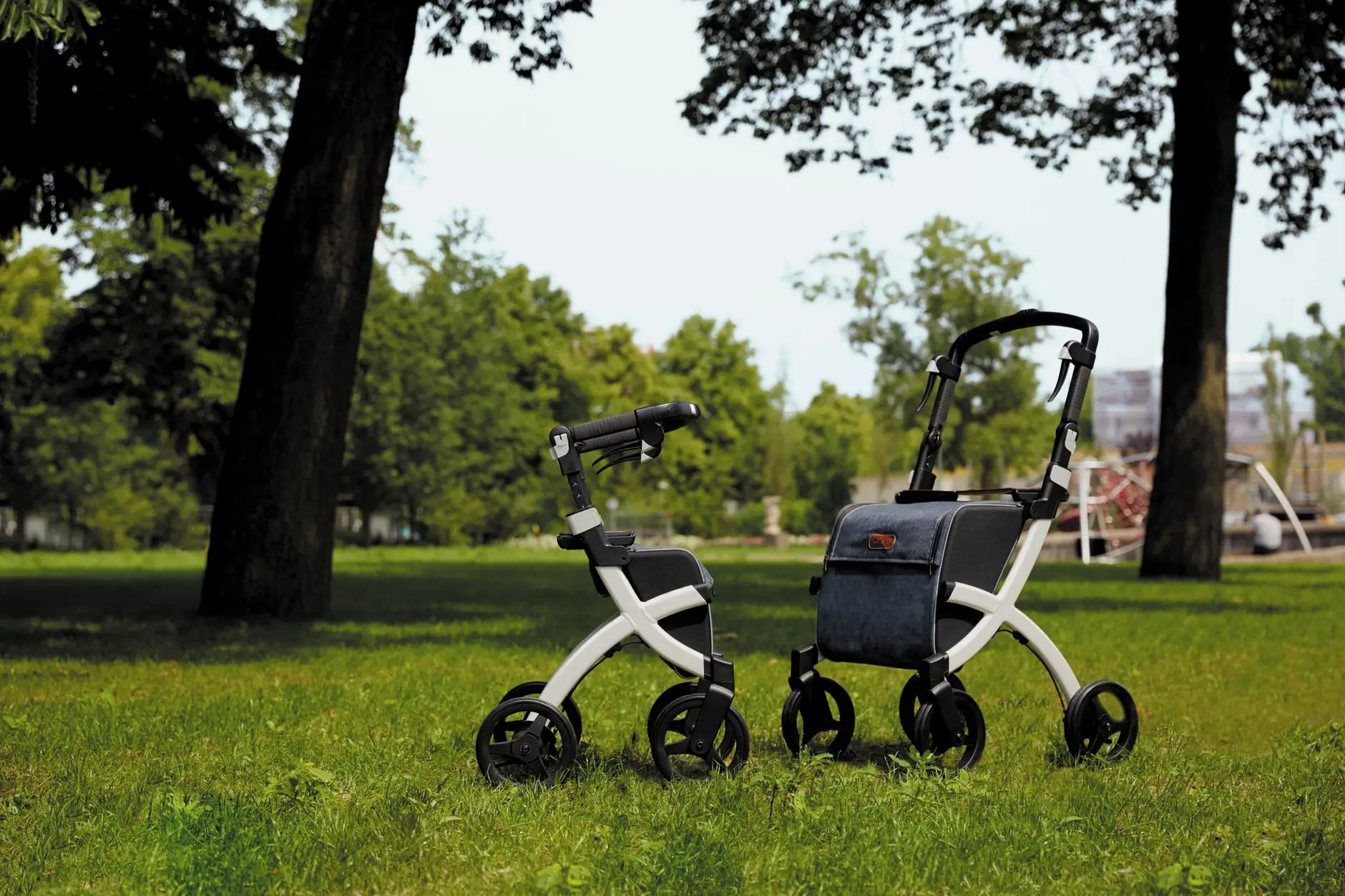
In these cases, consider discussing walkers or rollators with your healthcare provider.
FAQ
Which side should I use my cane on?
Use your cane on the opposite side of your weak leg. If your right leg is weak, hold the cane in your left hand. This provides better weight distribution and balance.
How do I know what height to set my cane?
Stand with arms relaxed at your sides. The cane handle should be level with your wrist crease. Your elbow should bend slightly (15-20 degrees) when holding the cane.
Is a quad cane better than a regular cane?
Quad canes provide more stability but are heavier and bulkier. Choose a quad cane if you have significant weakness or balance issues. A single-point cane may be sufficient for mild weakness.
Can I use a cane on stairs?
Yes, but use caution. Single-point canes work better on stairs than quad canes. Always use the handrail when available, and follow proper stair technique.
How often should I replace my cane?
With proper care, a quality cane can last several years. Replace it if you notice structural damage, or if your needs change. Always replace worn rubber tips promptly.
Will using a cane make my legs weaker?
No. Using a cane properly can actually help you stay more active, which may prevent further weakness. Continue with recommended exercises to maintain strength.
Can I use a cane after hip or knee surgery?
Yes, canes are often recommended during recovery from joint surgery. Your physical therapist will advise you on proper technique and when to transition to less support.
Related Articles
- Best Canes for Seniors
- Best Walkers for Seniors
- Leg Strengthening Exercises
- Why Are My Legs Getting Weaker
- Balance Exercises for Seniors
References
- National Institute on Aging - Mobility Aids
- Mayo Clinic - Choosing the Right Cane
- American Physical Therapy Association
Disclaimer: This article is for informational purposes only. Consult with a healthcare provider or physical therapist for personalized recommendations regarding mobility aids.